

The sudden power outage that hit San Francisco, California, last month appears to have given rise to a new profession in the automotive world: paid door closers. Yes, it is exactly as absurd as it sounds.
Dozens of robotaxis operated by Waymo, a Google-owned company, were stranded across the city, some of them in the middle of intersections or traffic lanes, following the widespread blackout. It turns out that when traffic lights are down, the vehicles must receive authorization to operate from human supervisors at the company’s control center. Because of the surge in requests, a bureaucratic bottleneck formed, leading, as residents and especially drivers discovered, to massive blockages throughout the city. And that was only one problem.
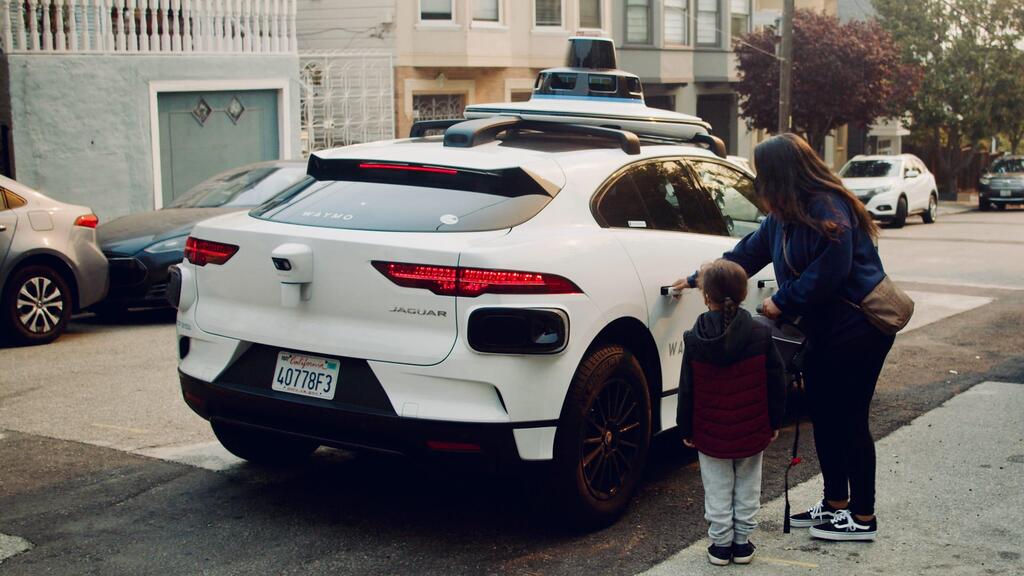
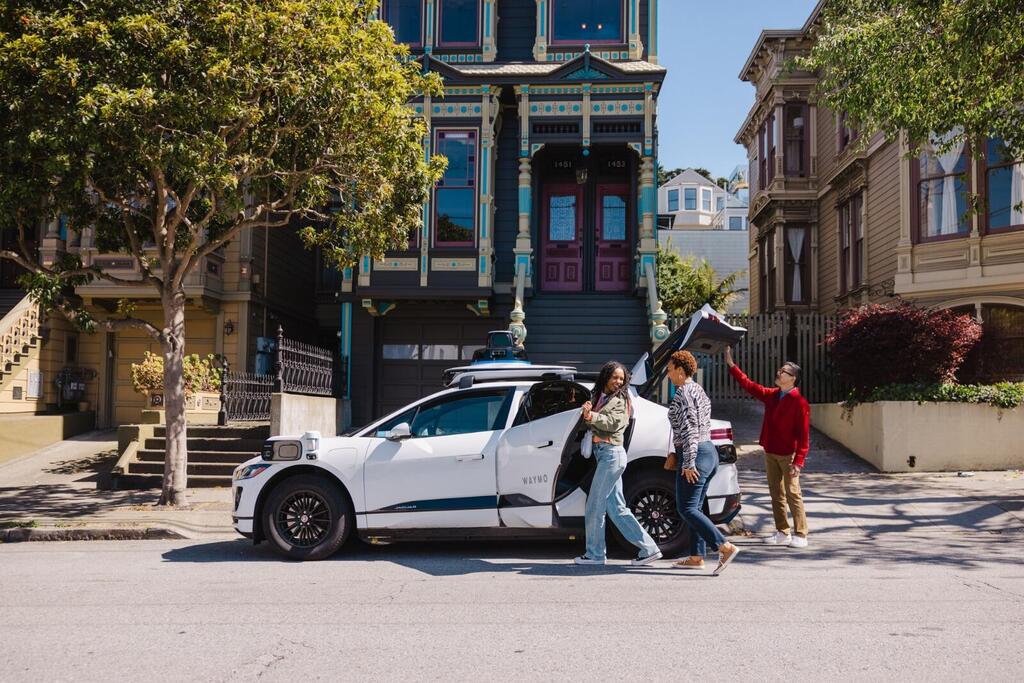
Another side effect was even less expected. Many customers chose not to wait inside the taxi until someone managed to reactivate it. That decision is understandable. What was harder to understand was their choice, in many cases, to exit the vehicle and leave the door open or not fully closed. Waymo’s cars, most of them Jaguar I-Pace models, cannot begin driving for obvious safety reasons until the door is completely shut. And so a new job was born: paid door closer.
The Washington Post reports that Waymo turned to the Honk app, which until now was mainly used to connect stranded motorists with available roadside assistance. Now, the app also dispatches drivers to close the doors of “stuck” autonomous vehicles, for a fee ranging from $20 to $24 per door. It is the gig economy, rescuing robotaxis that cost millions of dollars to manufacture.
Waymo plans in the future to roll out dedicated taxis it is developing with Zeekr, which will have fully automatic electric doors. Until then, and it will likely be years before the last I-Pace is retired from service, San Francisco offers a new way to make money with very little effort.