

Israel's electric vehicle market has fallen below the global average after years of rapid growth, even as demand for battery-powered cars continues to rise across much of Europe and Asia, according to new industry data.
Figures compiled by Car Industry Analysis for 66 major automotive markets showed electric vehicles accounted for 11% of new car sales in Israel during the first quarter of 2026, compared with a global average of 14%.
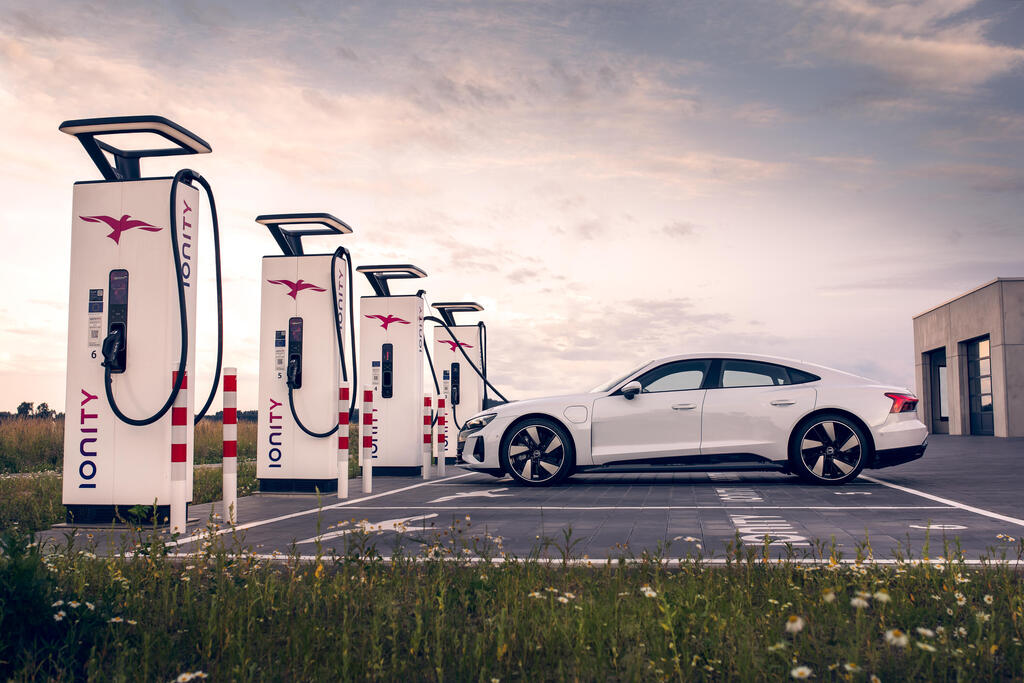
The figures mark a sharp reversal for Israel, which had been among the fastest-growing EV markets in recent years.
Electric vehicles made up 10% of new car sales in Israel in 2022, rising to 18% in 2023 and reaching a peak of 25% in 2024, when one in four new vehicles sold was fully electric. The share slipped to 20% in 2025 and has fallen to 11% so far this year, despite a modest improvement during the second quarter.
Norway remained the world's clear leader, with electric vehicles accounting for 98% of new car sales. Hong Kong followed with 82%, Denmark with 80%, Singapore with 58%, Finland with 47% and Sweden with 41%.
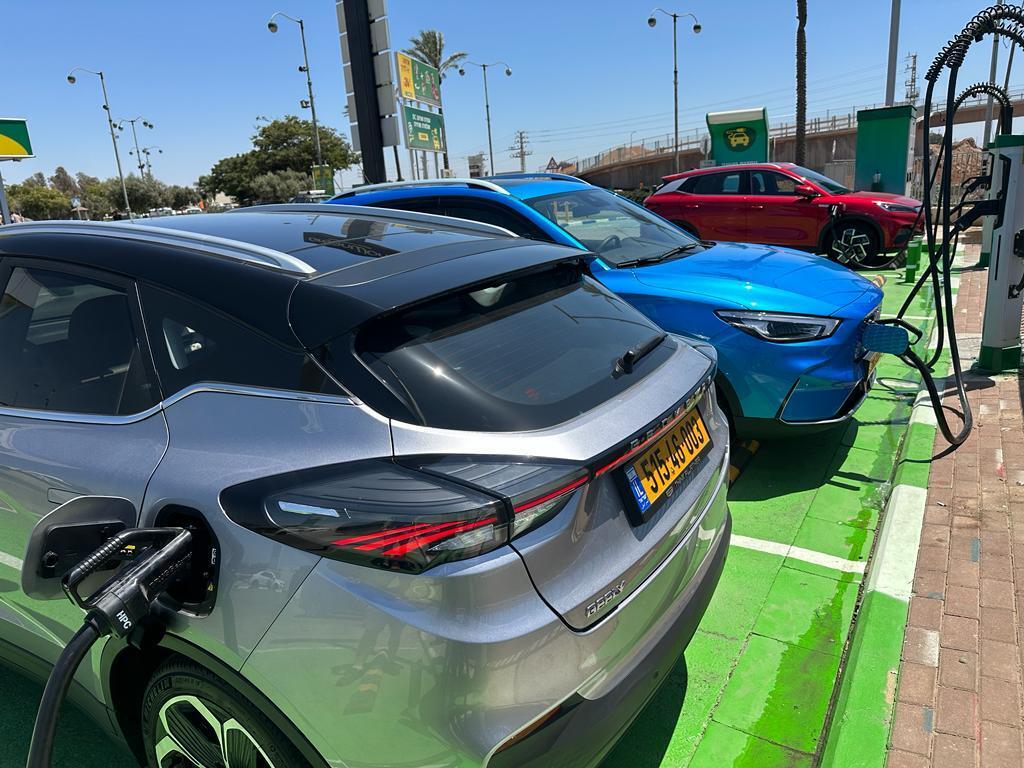
(Photo: Nir Ben Zaken)
Demand also continued to grow across much of Western Europe, where EV market shares reached 35% in Belgium, 30% in the Netherlands, 28% in France, 24% in Portugal, 23% in Germany and 22% in Austria, Britain and Switzerland. Turkey recorded a 15% market share, while the European average stood at 21% — nearly double Israel's level.
Some European countries continued to lag behind, including Spain, Romania and Ukraine at 9%, Italy at 8%, Greece at 7%, Poland and the Czech Republic at 6%, while Russia remained below 1%.
In Asia, Vietnam recorded one of the strongest performances with a 33% EV market share, driven largely by domestic manufacturer VinFast. Thailand reached 28%, matching China, while Indonesia stood at 16% and South Korea at 18%. Japan, however, remained among the weakest major markets, with electric vehicles accounting for just 2% of new car sales, similar to the Philippines.

(Photo: Noam Rhein)
In the United States, EV demand has also weakened, with electric vehicles accounting for 6% of new car sales after President Donald Trump's administration eliminated federal tax incentives for EV purchases. India recorded a 4% market share, Brazil 5%, Morocco 1% and South Africa 0.3%.
Industry analysts said Israel's decline partly reflects market distortions. Many electric vehicles officially recorded as sold in 2025 were "zero-kilometer" vehicles — dealer-owned cars registered before buyers were found — inflating last year's figures and making the current decline appear steeper.
Still, analysts say the accounting effect does not fully explain the downturn.
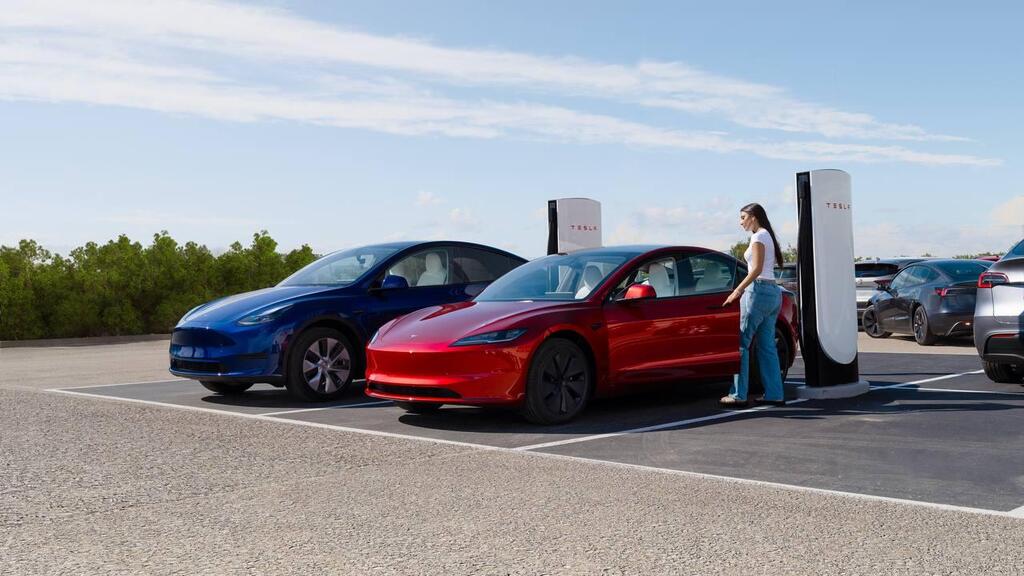
They argue government policy has also contributed by reducing incentives for electric vehicles. Purchase tax benefits have been scaled back, while tax advantages for company cars have narrowed to levels similar to those offered for plug-in hybrid vehicles, despite research showing plug-in hybrids often produce substantially higher real-world emissions than official testing suggests.
Despite the slowdown, analysts say Israel remains well suited to electric vehicles because of its relatively short driving distances, electricity prices that remain significantly lower than gasoline costs, growing competition from low-cost Chinese manufacturers and favorable conditions for generating renewable energy.