

If you have found yourself in recent years on a train or a flight and seen people wearing thick, dark sunglasses while staring into absolute nothingness with a goofy smile, you have probably encountered fans of the AR glasses category.
These are glasses designed to take the screen of your smartphone or computer and project it, at the size of a home theater screen, directly in front of your eyes. We took XREAL’s flagship model, the XREAL One Pro, for a spin to understand whether it is worth your money or just another expensive gadget that will gather dust in a drawer.
What is it and how does it work?
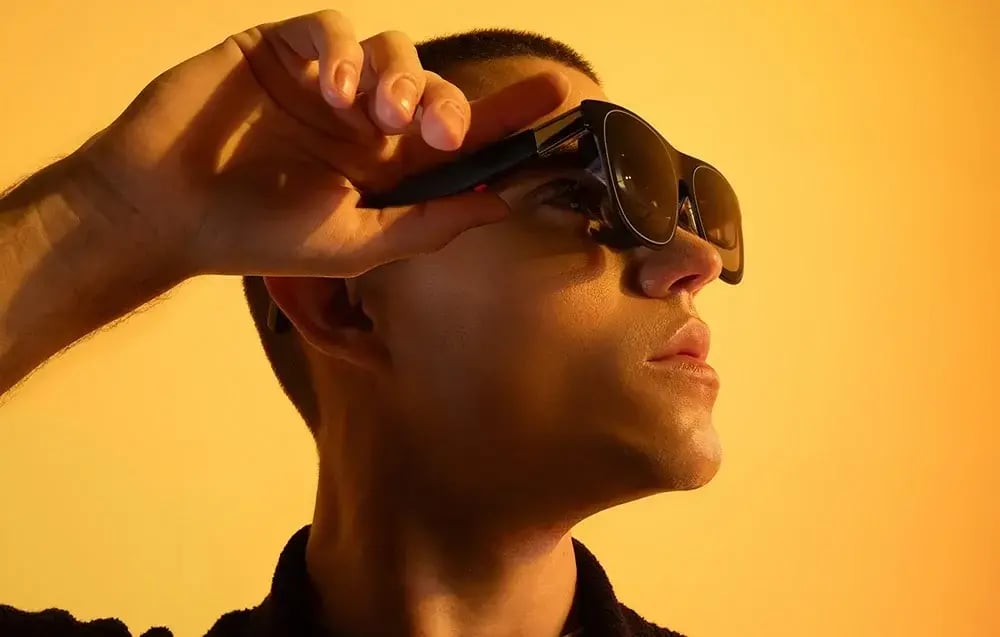
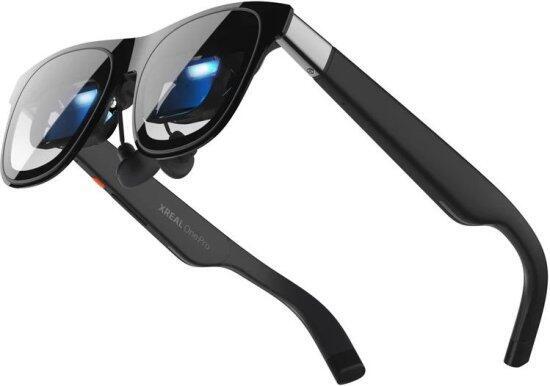
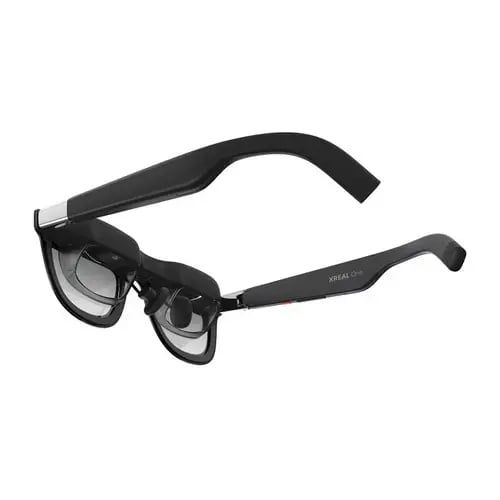
Unlike glasses such as the Apple Vision Pro, which completely replace reality and run an independent operating system, the XREAL One Pro are essentially a portable personal screen worn on the face. They weigh only about 87 grams — very light on the one hand, but heavier than regular sunglasses — and connect via USB-C cable to any supported device: iPhones or Android phones, laptops or handheld gaming consoles.
The major innovation in the current Pro model is a new optical architecture called X-Prism, combined with Sony Micro-OLED screens, offering an especially wide 57-degree field of view. In simple terms, the virtual screen spread out in front of you feels huge — like a 171-inch television positioned several meters away.
(Photo: XREAL)
(Photo: XREAL)
The viewing experience: A major upgrade, with a caveat
Image quality on the One Pro is undoubtedly the product’s main strength. With 1080p resolution in each eye, a fast 120Hz refresh rate and an impressive maximum brightness of 700 nits, compared with 500 to 600 nits in the company’s previous models, the image looks sharp, vivid and rich in color. The upgraded brightness also makes it possible to use the glasses in relatively well-lit rooms.
The glasses also include a three-stage electrochromic dimming mechanism. With the press of a button, the outer lens of the glasses can shift from completely dark, or cinema mode, to a semitransparent mode that allows you to see your surroundings while watching content.
The most dramatic improvement comes from a built-in chip inside the glasses called the XREAL X1. In previous models, and in glasses made by competing companies, keeping the virtual screen “locked” in one place in space rather than moving with every slight turn of your head — something that can cause severe nausea within minutes — required buying an external accessory box or relying on smartphone apps. The One Pro does this natively, with native 3DoF. The screen simply floats in space with remarkable stability and almost no delay, just 3 milliseconds.
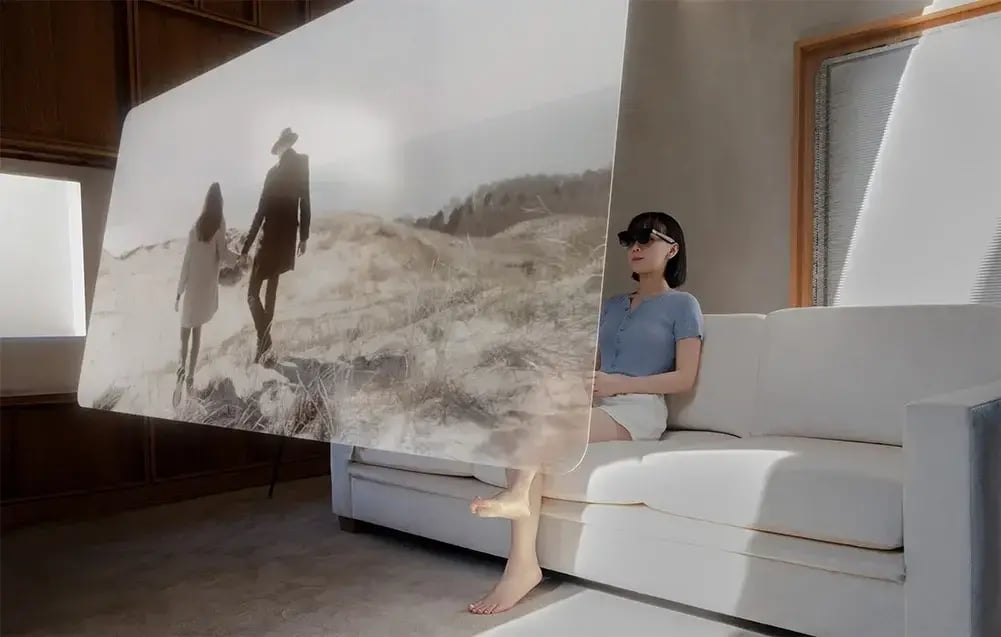
Like having a giant screen in front of your eyes
(Photo: XREAL)
So why is it still not perfect?
Despite the advanced chip and improved optics, there are several things worth considering before rushing to pull out your credit card.
The “umbilical cord” effect: The glasses do not include an internal battery or independent processing. That means you are physically tethered to the device you connect to, and the glasses draw power directly from your smartphone or laptop battery.
In my experience, if your device has a somewhat limited battery, you will not get very much screen time. Sometimes not even an hour, depending on the type of content and the extent of use. There is an option to add an external battery through the XREAL Hub adapter, which is essentially a USB splitter dongle and costs about 130 shekels.
Blurred edges: Despite promises of a sharp image from edge to edge, the prism-based optics still suffer from slight blur around the edges of the virtual screen, especially if the glasses do not sit perfectly on your nose. For reading long texts or office work, this is still not a full replacement for a real computer monitor.
Too many buttons: The glasses’ ergonomics are lacking. There is a row of buttons that require long presses, double presses or combined presses to change brightness, volume or display modes. It requires an irritating learning curve, and at times you have to remove the glasses to identify exactly which button you are looking for.
Sound: The company boasts of a collaboration with the audio brand Bose for the glasses’ built-in speakers. In practice, the audio is clear and well directed toward the ears, but it has no bass at all and cannot overcome strong background noise such as an airplane engine. For a true cinematic effect, you will still want to connect your regular wireless earbuds, which will drain even more battery from the device to which you are connected.

As good-looking as they are battery-draining
(Photo: XREAL)
How do they compare with the competition?
With a price of about 3,200 shekels in Israel, the XREAL One Pro sits at the high end of the category. The company’s cheaper model, the XREAL One, or non-Pro version, offers a slightly smaller field of view of 50 degrees and lower brightness, but comes with a more accessible price tag of about 2,000 shekels. For those who simply want to watch movies on flights without breaking into a savings plan, the regular model or the older Air 2 Pro models may offer better value for money.
In addition, if you want to upgrade the One Pro to a full augmented reality experience, known as 6DoF — one that allows you to physically walk around virtual objects in the room — you will have to buy the XREAL Eye separately. It is a tiny camera that attaches to the front of the glasses, raising the overall price by another roughly 450 shekels.
The bottom line
The XREAL One Pro glasses are an impressive piece of technology, combining a bright Sony OLED panel with the built-in image stabilization of the X1 chip to deliver the best portable viewing experience the company has produced to date.
However, this is a very expensive product relative to what it offers. It is hard to imagine many use cases that would justify such an expense, unless you truly need a giant screen in front of your eyes. For gamers, frequent flyers or dedicated gadget lovers with money to spend who are looking for a huge screen that fits in a coat pocket, this is a fantastic upgrade.
For the average user who just wants to watch a Netflix series in bed before going to sleep, the high price, need for cables and slight blur around the edges suggest this category is still not fully mature for the broader public.