

In a world where anyone can publish a post and present themselves as a doctor, officer or single mother seeking help—and even project a human and convincing appearance no less real than the people around us—trust has become something more valuable than ever.
In recent years, it has become harder to know who is truly behind what we see, hear or read—not because we are naïve, but because we are human. We still respond to emotion, to words written in the right tone, arriving at the right moment and, most importantly, appearing simply genuine.
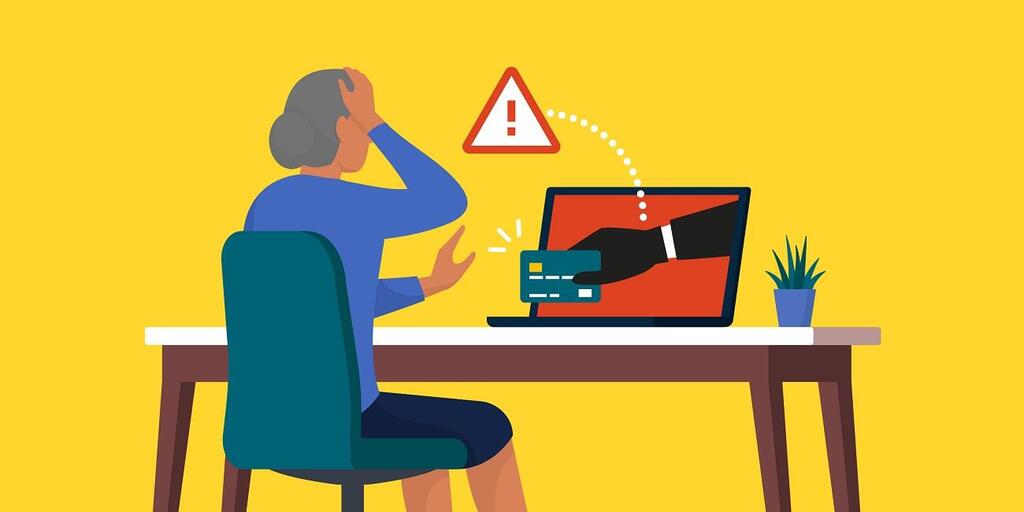
If in the past we would receive an email with a headline about winning millions of dollars, chuckle and delete it immediately, today the bait is much more persuasive: an authentic-looking image, polished language, a touching or moral topic—sometimes even accompanied by a few comments from others claiming, “We checked, and it’s real.” Many people click, share and pass it along because someone on the other side has learned exactly how to make us feel that it’s okay—that they are with us, need us and are real.
What many of us may miss, especially those who think to themselves right now, “Come on, how could anyone not see it’s fake?” is that this is not really our problem—it’s our parents’, our grandparents’, innocent users’ and people who simply don’t live in this world. They are not updated, not suspicious, not tech-savvy, don’t install security updates weekly and can’t distinguish between a post by a real journalist and a fake one built in seconds.
The remarkable thing is that it works again and again. If you browse Facebook and look at fake fundraising pages or fake profiles soliciting donations for an injured child in popular groups, you’ll see thousands of comments, likes and shares every single time. Each one is living proof that this method is still effective—and that we, as a society, are not equipped to deal with it properly.

(Photo: Shutterstock)
The very platforms that are supposed to protect us are not truly managing to address what’s happening right under their noses. Otherwise, how could one explain that over the past year, all our feeds have been flooded with ads offering to sell drugs as if it’s business as usual—right alongside fake posts from non-existent charities raising hundreds of thousands of shekels from unsuspecting users?
This happens on the largest, most advanced platforms—ones that know every detail of our behavior—yet still fail to stop the most basic threats. And let’s be clear—they’re not entirely to blame. In a world where a new model or technological capability is released every day, the attacker is always several steps ahead of the defender, and it’s unrealistic to expect platforms to block 100% of dangers before they reach us.
Get the Ynetnews app on your smartphone: Google Play: https://bit.ly/4eJ37pE | Apple App Store: https://bit.ly/3ZL7iNv
This leads to the truly important question: What can we do? Today’s scams are highly sophisticated, and in many cases don’t even attempt to steal from you right away. Sometimes all they need is for you to like, comment or share. The moment you do, you enter their targeting system: they identify you as an accessible, emotional, and active audience worth investing in for another round. From there begins an entire chain of attempts which, for them, is like fishing in an aquarium: private messages, emails, targeted posts with new stories—and everything continues to look authentic, but you have become the target.

(Photo: Shutterstock)
Of course, the most classic and dangerous case is when someone asks you for money. This no longer looks like it once did—it’s not an awkward request riddled with typos and Nigerian bank details. It’s usually a polished, emotional appeal: an injured child, a hungry elderly person, a charity helping refugees. At first glance, everything appears legitimate. And it’s precisely for that reason you must pause and think.
So, what should you do? Check. First, if it’s a real charity, verify it using a site like Guidestar, which allows you to confirm that the organization exists. If it’s a donation request from a private individual, check when their profile was created, how many friends they have and whether their posting history appears consistent.
Another equally important step—one that not enough people take—is to enable two-factor authentication on every service you consider important. Yes, even if you feel it’s complicated or unnecessary, because a hacked WhatsApp or Facebook account doesn’t sound dramatic until it happens—and suddenly, you are the one sending fake requests to others, asking for donations in your name and losing control over your identity in an instant. It takes a second to enable it, and it can save months of damage.
 Vetric CEO Omer Bachar Photo: Teamme
And regarding your close circle: make sure to talk about this with your parents, grandparents and friends who are less informed. The real risk isn’t you—the risk is that we all think we already know how to spot these scams, but meanwhile, right now, someone is clicking on a completely legitimate-looking post, following the link, commenting, sharing, and maybe even sending a small amount of money because it was just too powerful to ignore. And it keeps happening. And it keeps working.
- The author is the CEO of Vetric, a company providing data infrastructure for detecting impersonations, deep fakes and digital threats.