

Google’s attempt on Wednesday night to turn the launch of its new devices into a “cool,” “original,” late-night talk-show–style event turned into a cringeworthy farce that has been roasted online ever since.
The embarrassment overshadowed the excellence of the new Pixel 10 series—Pixel 10, Pixel 10 Pro, Pixel 10 Pro XL, and the foldable Pixel 10 Pro Fold—which deserved far better. These are outstanding, trailblazing smartphones that Google launches each year less for commercial reasons and more to set the direction for the entire Android market.

But the new format chosen for the launch buried the devices’ real strengths, which this year center on weaving AI into everyday experiences like taking photos, sending texts, translating phone calls, and more.
Late-night host Jimmy Fallon, hired to emcee the event—without understanding much of anything about the technology—embarrassed himself while pretending to get excited about old hat like IP68 dust and water resistance. Shouting “I-P-6-8!” and quipping that “it’s like a new Taylor Swift album announcement, only for nerds,” he left the audience covering their faces in secondhand embarrassment.
He also wandered into questions considered banal even among hobbyists—what an “AI agent” is, why everyone talks about AI in smartphones, and what a “walled garden” means. He joked that the role of Rick Osterloh, Google’s SVP for Platforms & Devices, sounded “made up.” When Fallon hugged marketing chief Adrian (Adrienne) Lofton and pretended to be thrilled by a table covered in phones, watches, and earbuds, it felt like a scene from an old shopping channel.
By staging this misfire, Google’s marketing and PR teams created an unjustified impression that the company needs over-the-top gimmicks to paper over technological stagnation. In reality, the opposite is true: Google not only makes some of the best smartphones in the world—with market-leading cameras—it’s also ahead of Apple in building AI into its devices. It doesn’t need to turn a tech launch into a sales show stuffed with celebs like Steph Curry (in a supposedly funny “job interview”), podcaster Alex Cooper, the Jonas Brothers, and assorted racing drivers or basketball stars. It was an attempt to court a new audience—but the result was the exact opposite. But wait... what did Google actually launch?
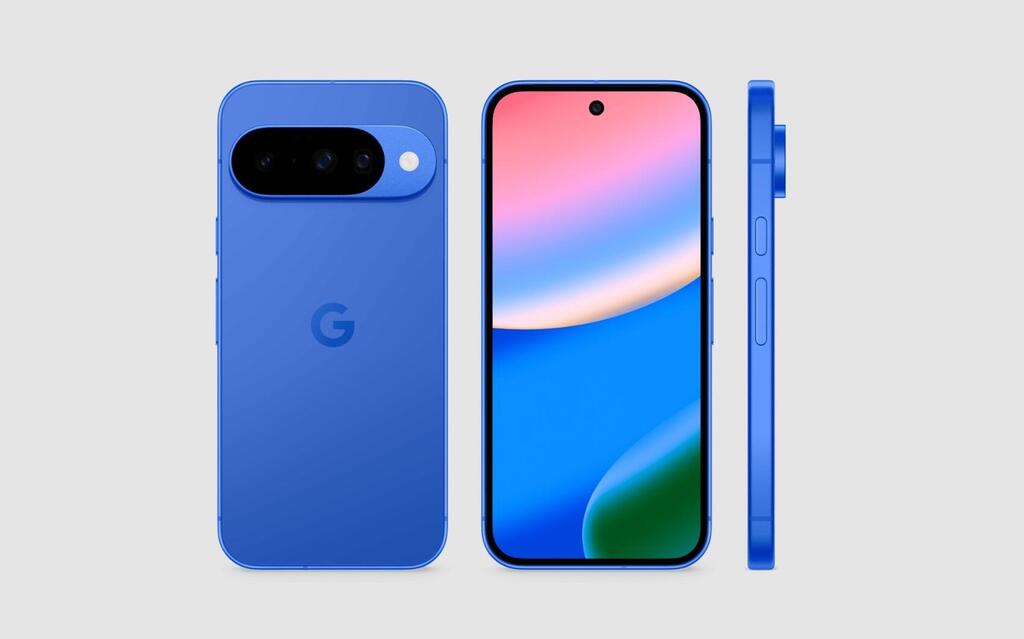
Base model Pixel 10
(Photo: Google)
Pixel 10
The base model in the four-phone lineup has a 6.3-inch OLED display with a variable refresh rate up to 120Hz and peak brightness up to 3,300 nits. It runs Google’s new Tensor G5 chipset alongside a Titan M2 security chip, carries a 4,970mAh battery, and ships with fresh-to-market Android 16, a new UI, and a seven-year commitment to OS and security updates. The main camera uses a 48MP sensor with OIS; the 13MP ultra-wide offers a 120-degree field of view; the 10.8MP telephoto provides 5x optical zoom and OIS; the selfie camera is 10.5MP; video recording goes up to 4K at 60fps.
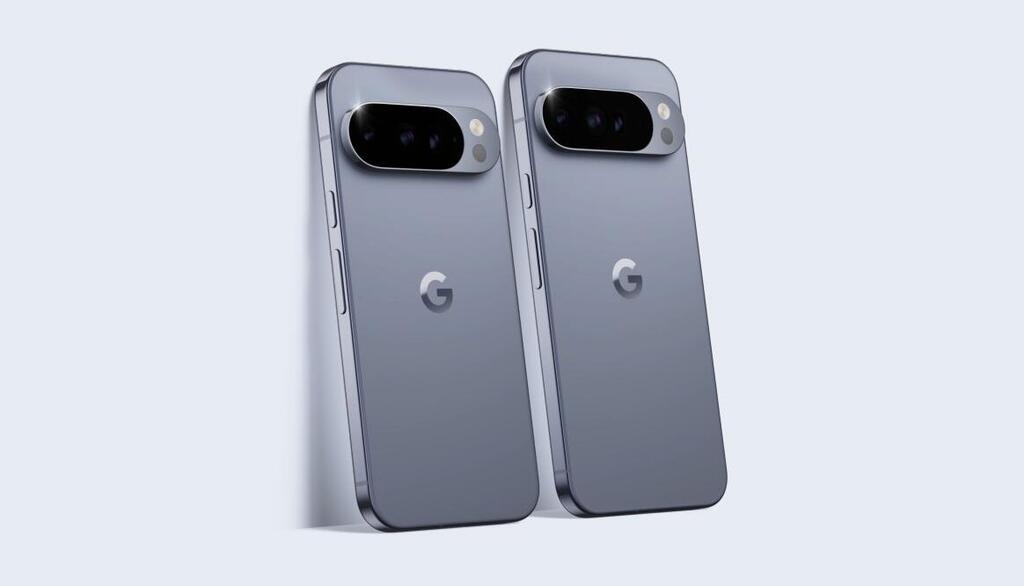
The pro lineup
(Photo: Google)
Pixel 10 Pro & Pixel 10 Pro XL
The two higher-end models come in 6.3-inch (Pro) and 6.8-inch (Pro XL) sizes. In addition to everything in Pixel 10, they add—first time in the series—Qi2 wireless charging with MagSafe-style magnetic attachment, boost RAM to 16GB (vs. 12GB on Pixel 10), and upgrade the cameras: a 50MP main with optical and electronic stabilization, plus 48MP ultra-wide and 48MP telephoto, and a 42MP selfie camera.
Pixel 10 Pro Fold
The new foldable, positioned directly against Samsung’s Galaxy Z Fold 7, has a 6.4-inch outer display that opens to an 8-inch tablet. It’s the first foldable to be fully IP68-rated for dust and water. It isn’t as thin as the Korean rival; closed, it’s just over a centimeter thick. Google says its redesigned, gearless hinge is more durable than before and can withstand more than ten years of normal folding. Other specs broadly match the rest of the line, except for a notably large 5,015mAh battery. Unlike Samsung’s, it includes a telephoto camera with 5x optical zoom.
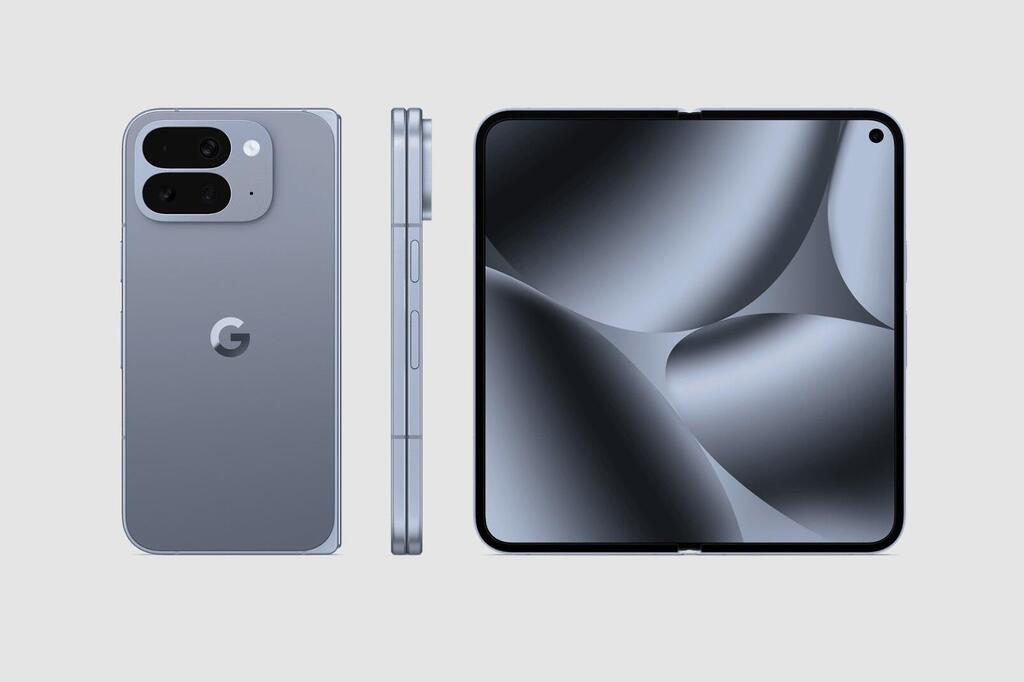
Pixel 10 Pro Fold
(Photo: Google)
And of course: Gemini
Google’s on-device assistant, Gemini—here in a “Gemini Nano” build tuned for smartphones—is integrated across the new devices and into nearly everything. A standout is Magic Cue, which constantly surfaces relevant information stored on the device and offers it contextually during calls or while drafting a document. Gemini also brings: voice-based edits in Google Photos; a personal photo coach with step-by-step guidance and tips; understanding of context in screenshots; real-time translation in the original speaker’s natural voice; group-photo enhancement (choosing the moment each person looks best and composing a single ideal image); video sound enhancement; and more.
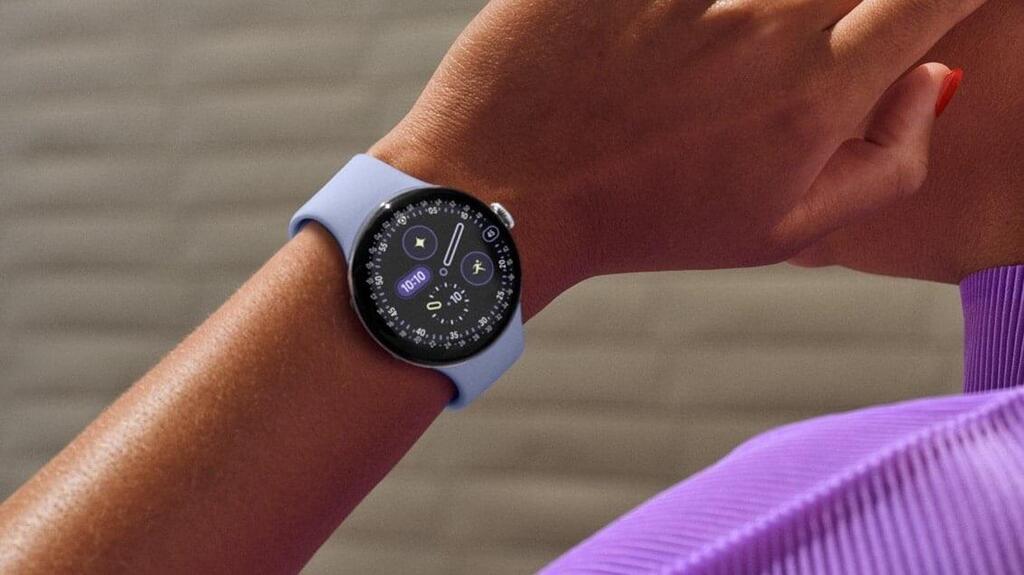
Pixel Watch 4
(Photo: Google)
Pixel Watch 4 series
Alongside the phones, Google announced the next-gen Pixel Watch 4. The exterior design hasn’t changed much, but capabilities—especially AI-driven ones—have improved. The watch comes in two sizes: 41mm with a 1.2-inch display and 45mm with a 1.4-inch display. Both use AMOLED panels reaching 3,000 nits, have Gorilla Glass 5, and are IP68 rated. They run Qualcomm chips; Google rates battery life at up to 30 hours for the smaller model and up to 40 hours for the larger. Both run Wear OS 6 with Gemini built in. Health sensors now include ECG and heart-rate variability (HRV) tracking, plus monitoring for 40+ workout types. They can send distress signals in cases of falls or car accidents, and support location sharing and emergency reporting via satellite (in countries where it’s available).