

IBM said Wednesday that it has successfully connected and cooled two modular cryogenic systems into a single operating environment, marking a step in its effort to build larger quantum computers capable of linking hundreds of quantum chips.
The company said the two modules, which together stand more than 8 feet tall and 8 feet wide, were cooled to 4 Kelvin, the temperature of liquid helium, in under five days and later reached temperatures below 15 millikelvin. IBM says the system is part of the infrastructure it is developing for IBM Quantum Starling, a fault-tolerant quantum computer it aims to deliver in 2029.
Gallery
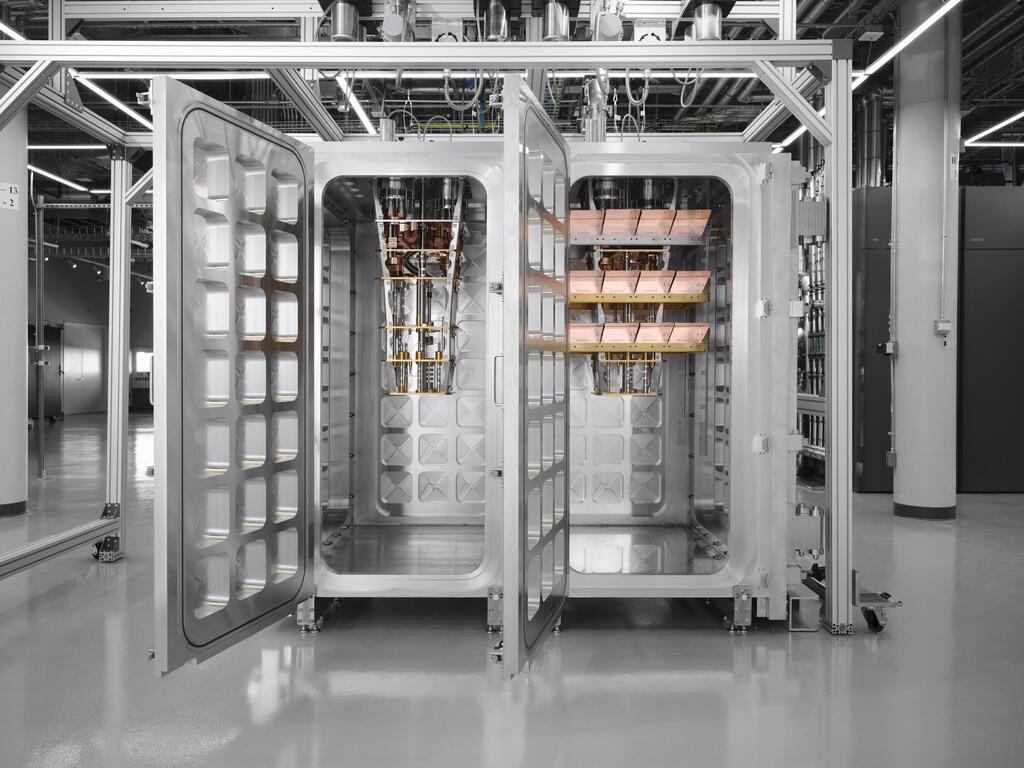
The two modular cryogenic system units are designed to sit side by side and connect quantum processors
(Photo: Courtesy of IBM)
Fault-tolerant quantum computing is intended to reduce the effect of errors that can disrupt quantum calculations. Reaching that goal requires not only improvements in processor design and error correction but also systems capable of operating large numbers of qubits in an extremely cold and stable environment.
IBM’s new cryogenic architecture is designed to address part of that challenge by giving engineers more room to connect processors and supporting a modular approach in which multiple systems can be linked together. According to the company, each module provides up to 12 times more wiring space than its most widely used current quantum systems.
The box-shaped units are designed to sit side by side and connect quantum processors using IBM’s “L-coupler” technology, which allows separate quantum chips to exchange information and operate as parts of a larger system.
IBM plans by 2027 to use the technology to link several processors into a quantum computer with at least 1,000 programmable qubits. The company said it expects to install its Quantum Nighthawk processors in the new cryogenic modules later this year as part of expanded testing.
By the time Starling is introduced, IBM says it intends for each cryogenic module to house thousands of qubits.
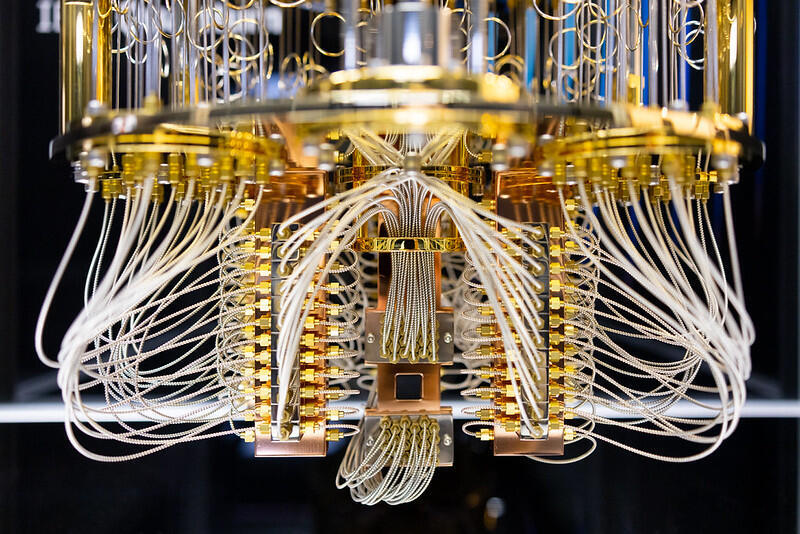
An IBM quantum chip
(Photo: Courtesy of IBM)
The company first outlined its plans for Starling last year alongside a new error-correction code that IBM says significantly reduces the number of physical resources required for fault-tolerant quantum computing. Since then, it has reported progress in both hardware and error-correction decoding.
The modular system is also designed to make individual components easier to test and upgrade. IBM said three key elements used in its Quantum System Two environment are incorporated into the new architecture in a way that allows engineers to work on them independently.
IBM has positioned the project as part of a broader roadmap toward large-scale fault-tolerant quantum computing, though the field remains technically challenging and commercial applications at that scale have yet to be demonstrated.
The company is one of several major technology firms investing heavily in quantum computing, a field that aims to use quantum-mechanical effects to solve certain classes of problems more efficiently than conventional computers.