

IBM announced a series of major breakthroughs in quantum computing at its annual Quantum Developer Conference last week, unveiling new hardware and software advances it says put the company on track to achieve quantum advantage by 2026 and build a fault-tolerant quantum computer by 2029.
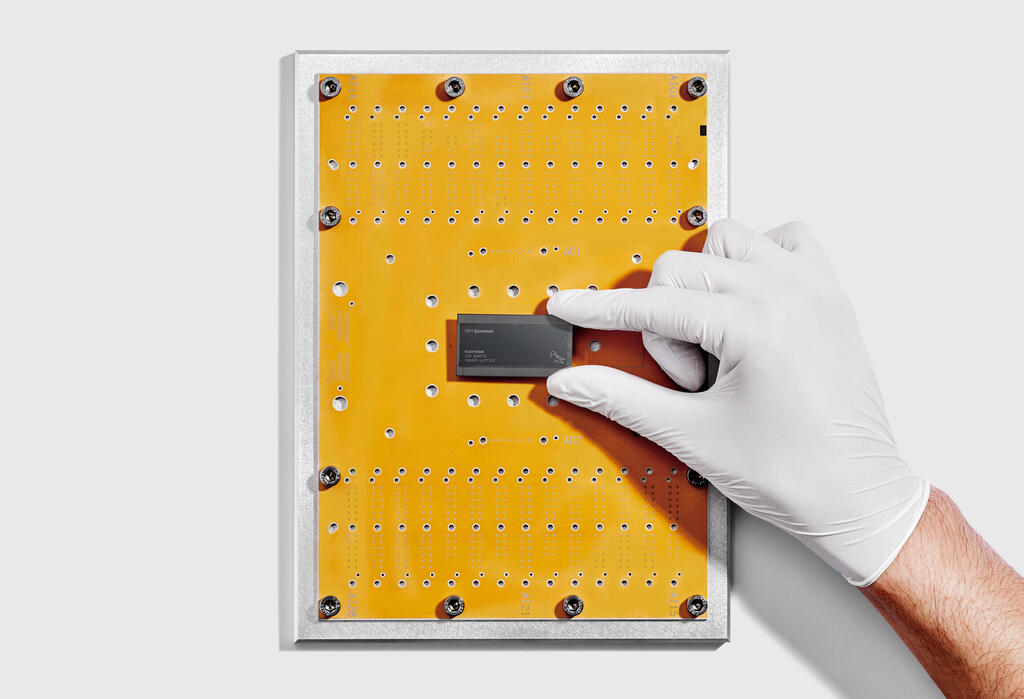
At the heart of the announcement is IBM Quantum Nighthawk, the company’s most advanced quantum processor to date. Set to launch by the end of 2025, Nighthawk features 120 qubits connected by 218 next-generation tunable couplers, enabling 30% more complex quantum circuits than its predecessor while maintaining low error rates. IBM expects future iterations to reach 15,000 two-qubit gates with over 1,000 qubits by 2028.
IBM also introduced a global quantum advantage tracker, supported by partners like Algorithmiq, the Flatiron Institute and BlueQubit, to independently verify claims of quantum advantage — the point at which quantum systems outperform classical computers.
“I’m proud that our team at Algorithmiq is leading one of the three projects in the new quantum advantage tracker. The model we designed explores regimes so complex that it challenges all state-of-the-art classical methods tested so far,” said Sabrina Maniscalco, CEO and co-founder, Algorithmiq. “We are seeing promising experimental results, and independent simulations from researchers at the Flatiron Institute validate its classical hardness. These are only the first steps – quantum advantage will take time to verify, and the tracker will let everyone follow that journey.”
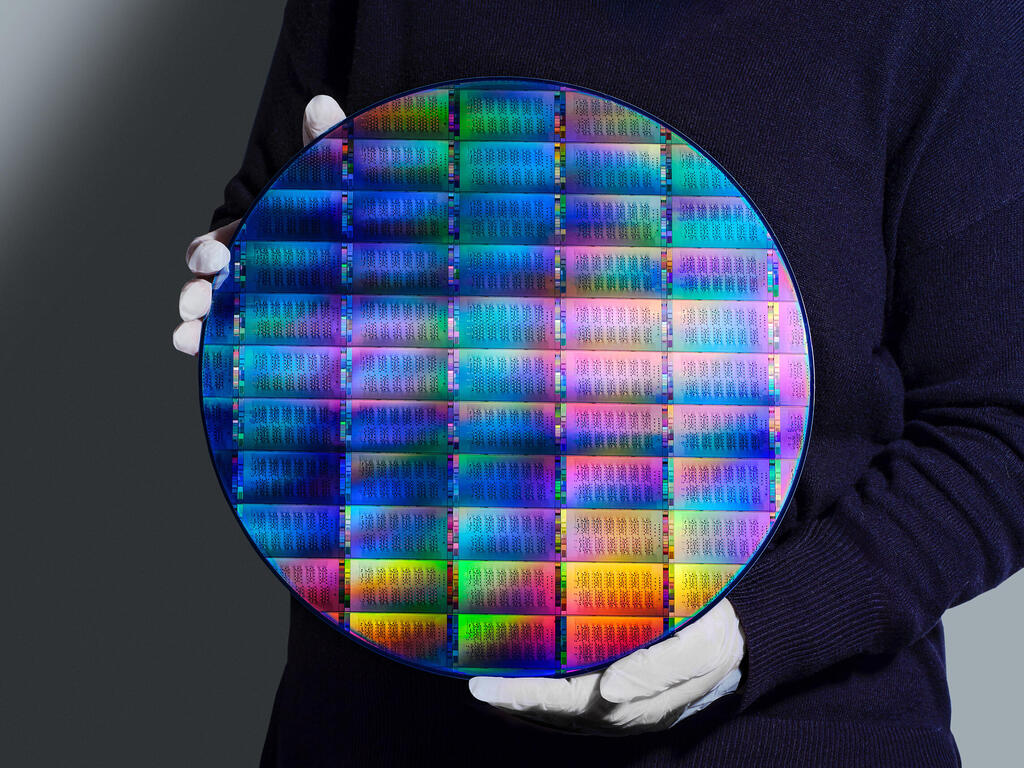
IBM researcher holding 300mm IBM Quantum Nighthawk wafer
(Photo: IBM)
“BlueQubit is proud to support IBM’s efforts to track quantum advantage claims and algorithms as quantum computers are entering a regime beyond classical,” said Hayk Tepanyan, CTO and co-founder, BlueQubit. “Through our work around peaked circuits, we are excited to help formalize instances where quantum computers are starting to outperform classical computers by orders of magnitude.”
Jay Gambetta, Director of IBM Research and IBM Fellow, said the company is uniquely positioned to lead in both quantum hardware and software, citing its end-to-end development from chip fabrication to algorithm design. “There are many pillars to bringing truly useful quantum computing to the world,” he said. “We believe that IBM is the only company that is positioned to rapidly invent and scale quantum software, hardware, fabrication, and error correction to unlock transformative applications. We are thrilled to announce many of these milestones today.”

300mm cleanroom at NY Creates' Albany NanoTech Complex in Albany, NY
(Photo: IBM)
On the software side, IBM’s Qiskit platform has been upgraded to offer developers more control, enabling a 24% accuracy boost at the 100-qubit scale and reducing the cost of accurate results by more than 100 times through new HPC-accelerated error mitigation techniques. A new C++ interface will integrate Qiskit with traditional high-performance computing systems.
IBM is also advancing toward fault-tolerant quantum computing with IBM Quantum Loon, an experimental processor that includes all necessary components for scalable error correction. Using advanced qLDPC codes and new physical routing technologies, IBM demonstrated the ability to detect and decode quantum errors in real time — under 480 nanoseconds — a year ahead of schedule.
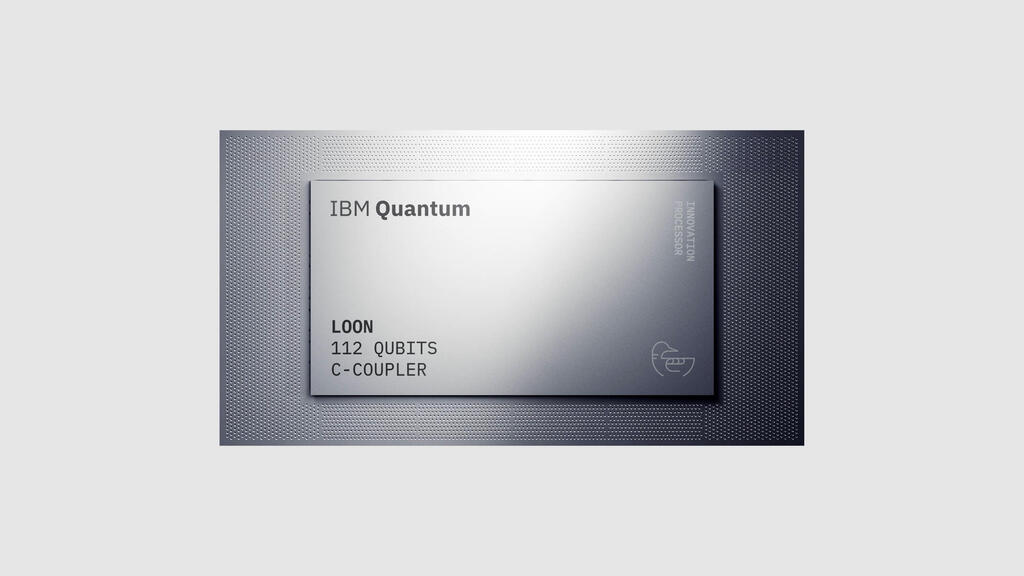
IBM Quantum Loon chip
(Photo: IBM)
To support rapid scaling, IBM has moved primary quantum processor production to a state-of-the-art 300mm wafer facility at the Albany NanoTech Complex in New York. The site has doubled development speed, increased chip complexity tenfold, and enabled parallel design research.
Together, the announcements mark what IBM calls a decisive step forward in making practical quantum computing a reality.