

Israel Aerospace Industries (IAI) and weapons manufacturer SIG SAUER have completed a live-fire test of the FIRE STORM 250, an unmanned aerial vehicle equipped with a machine gun and capable of remaining airborne for up to three hours. The system is being showcased at the AUSA defense exhibition in Washington.
During the trial, the aircraft hovered over a simulated battlefield, identified targets using its onboard camera and fired at them in single-shot and semi-automatic modes. The firing was conducted from different ranges and altitudes.
Demonstration of the new drone
(Video: IAI )


The system combines IAI's unmanned aircraft platform with SIG SAUER's MICROLIGHT remotely operated weapon station, fitted with an M250 machine gun. It can carry 200 rounds of ammunition, while the entire weapon assembly, including the weapon station, machine gun and ammunition, weighs approximately 24 kilograms.
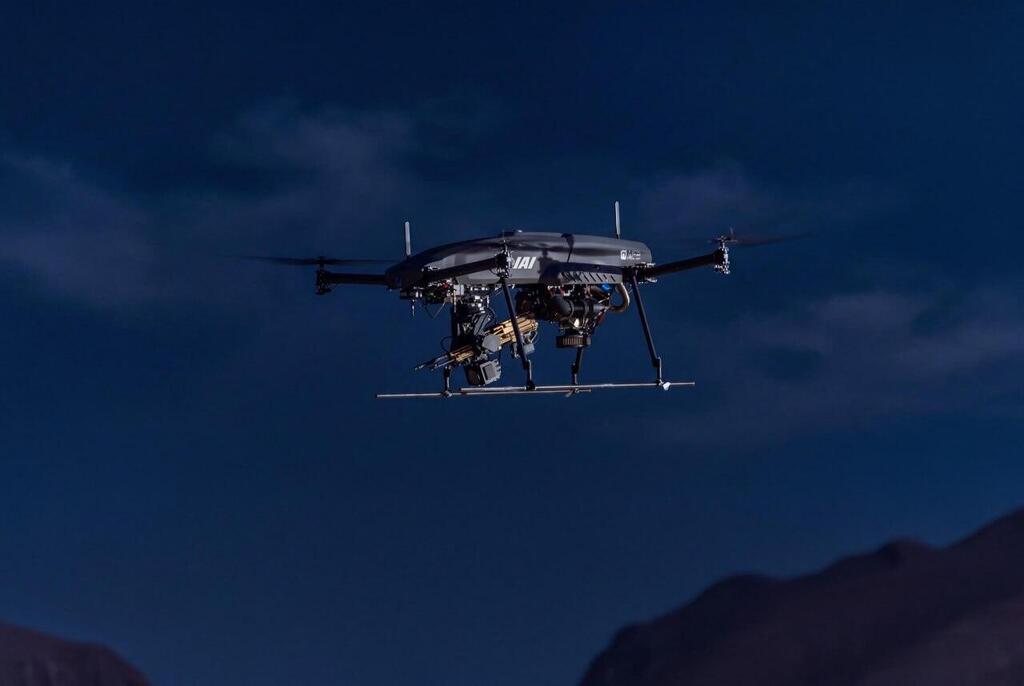
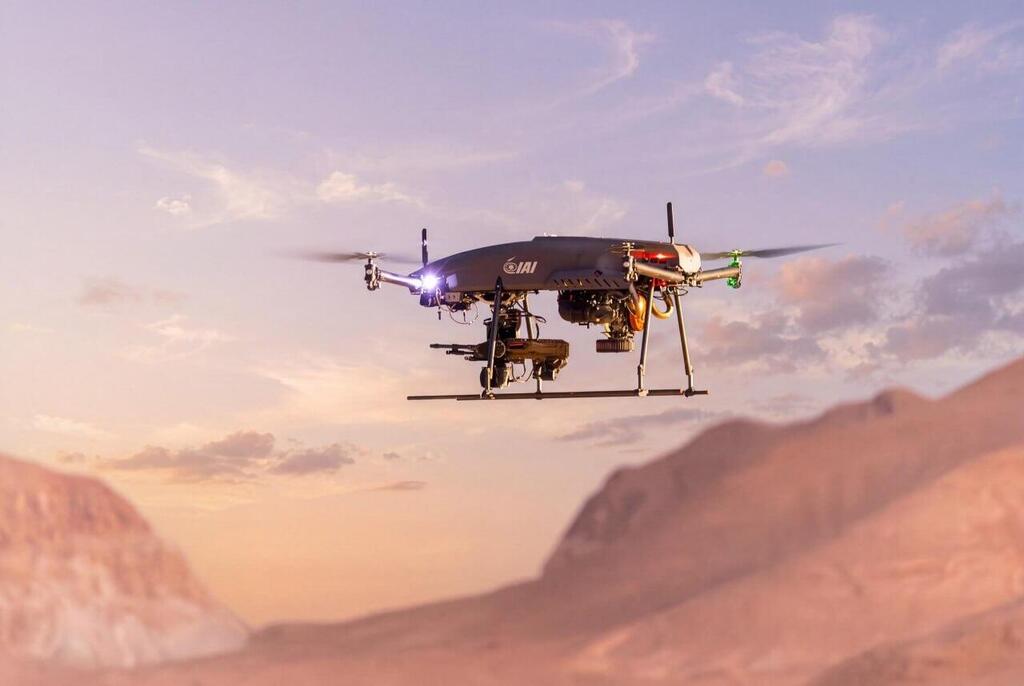
(Photo: IAI)
One of FIRE STORM 250's main features is its ability to combine surveillance, target identification and firing capabilities on a single platform. Information from the sensors and fire-control system is transmitted to an operator, who receives real-time imagery, target-tracking data and engagement options. According to IAI, the human operator maintains control over the engagement process and retains the authority to approve opening fire.
The aircraft takes off and lands vertically, eliminating the need for a runway and allowing it to operate from forward positions in the field. It is powered by a multi-fuel internal combustion engine and can be refueled in the field using fuel available to military forces, without requiring lengthy battery-charging cycles.
The system is designed for a range of missions, including surveillance and fire support for maneuvering troops, intelligence gathering, force and border protection, defense of strategic sites and special operations. According to IAI, multiple systems can operate simultaneously to provide continuous surveillance during both day and night.
Moshe Levy, executive vice president and general manager of IAI's Military Aircraft Group, said the system combines "information gathering, decision-making and action in the operational environment," while maintaining human control over decisions to engage targets.