

The most immediate and damaging consequence of unregulated crypto mining is its colossal drain on Iran's already fragile national power grid. The primary incentive for illegal miners is the country’s heavily subsidized electricity prices, which are among the cheapest in the world.
While licensed miners must pay a higher, export-pegged tariff, the illegal farms tap into the grid using residential, agricultural or industrial connections, paying a fraction of the actual cost or, in some cases, bypassing meters entirely.
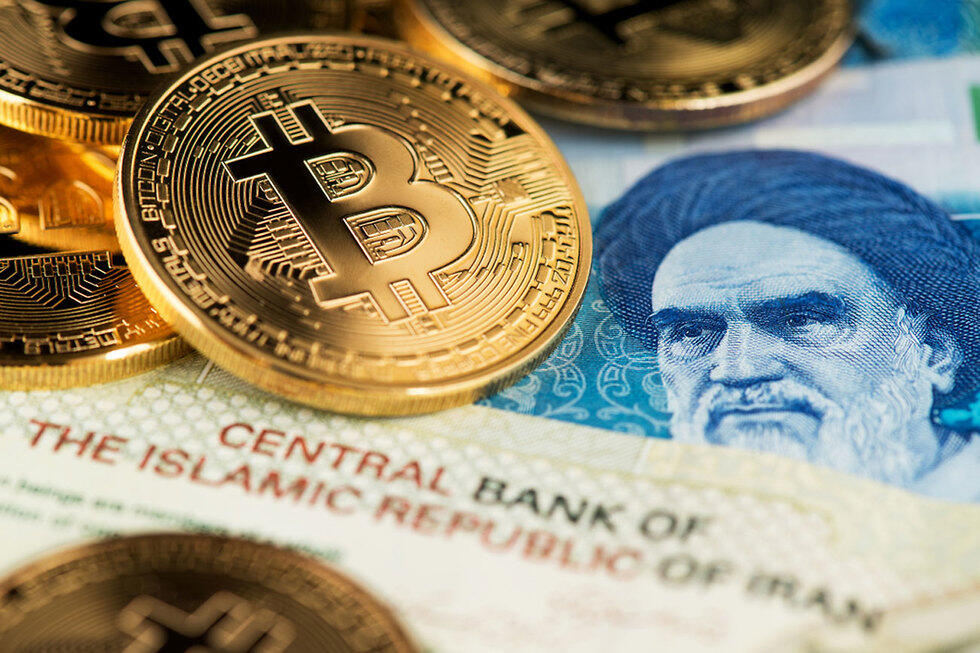
The sheer scale of this unregulated consumption is staggering. Iranian power officials have estimated that unauthorized crypto mining operations consume thousands of megawatts of power daily, an amount often equivalent to the electricity demand of an entire major city like Tehran or the output of multiple nuclear power plants. State-run utility Tavanir has, at times, attributed as much as 15% to 20% of the country's electricity deficit to these operations.
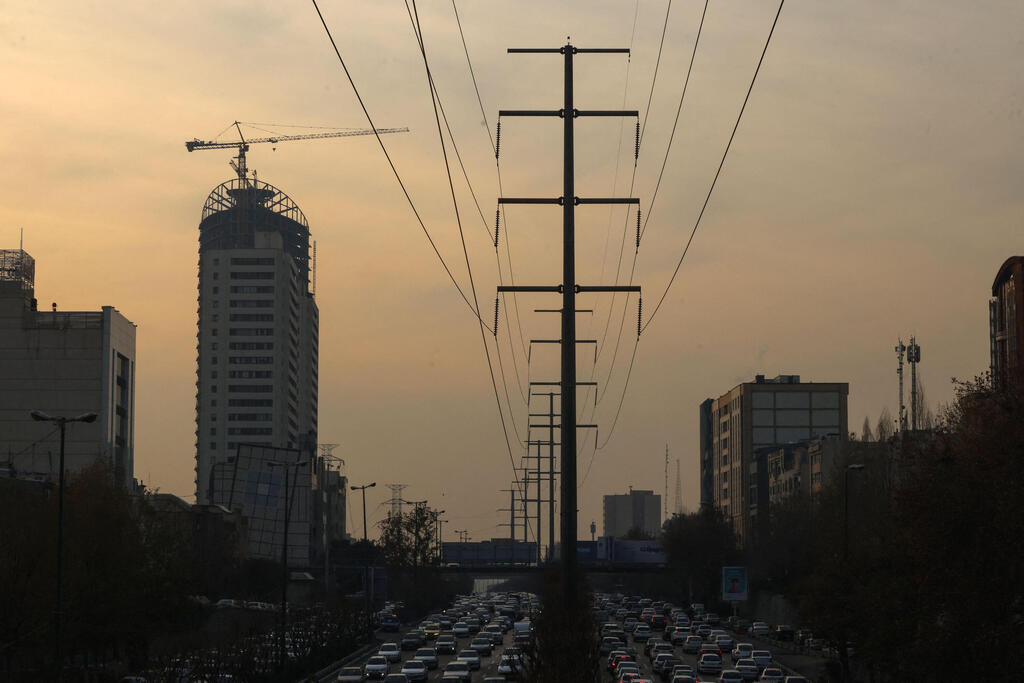
This illicit draw creates a severe electricity imbalance that the grid cannot sustain, particularly during peak demand seasons (the intense heat of summer and the cold of winter). The result is predictable rolling blackouts across major cities and provinces. For the average Iranian citizen, these unannounced power cuts cause significant suffering, damaging household appliances, disrupting daily life and causing essential services, including hospitals and businesses, to halt operations. In essence, the subsidized energy intended for homes and vital industries is being secretly siphoned off to generate a private, digital asset, forcing the public to bear the cost in darkness and inconvenience.
The distinction between legal and illegal mining is the fulcrum of the regulatory problem in Iran, and the implications of working outside the system are profound. When the government legalized crypto mining in 2019, the core objective was to harness its foreign currency-generating potential to ease the pressure of international sanctions. The law requires licensed miners to obtain permits from the Ministry of Industry, Mining and Trade (MIMT) and, critically, to sell their mined cryptocurrencies back to the Central Bank of Iran (CBI) via the NIMA system. This repatriated foreign currency is then used to fund imports and stabilize the rial.
Illegal miners, by contrast, are completely unregulated. They pay low, subsidized tariffs (or nothing at all) and, crucially, do not repatriate their earnings to the Central Bank. Their profit derived from stolen or heavily subsidized state resources is kept in private hands, often being immediately transferred out of the country. This results in massive capital flight, undermining the very mechanism the state established to benefit the national economy. It turns a potential strategic asset for sanctions circumvention into a net loss of both energy and foreign exchange.
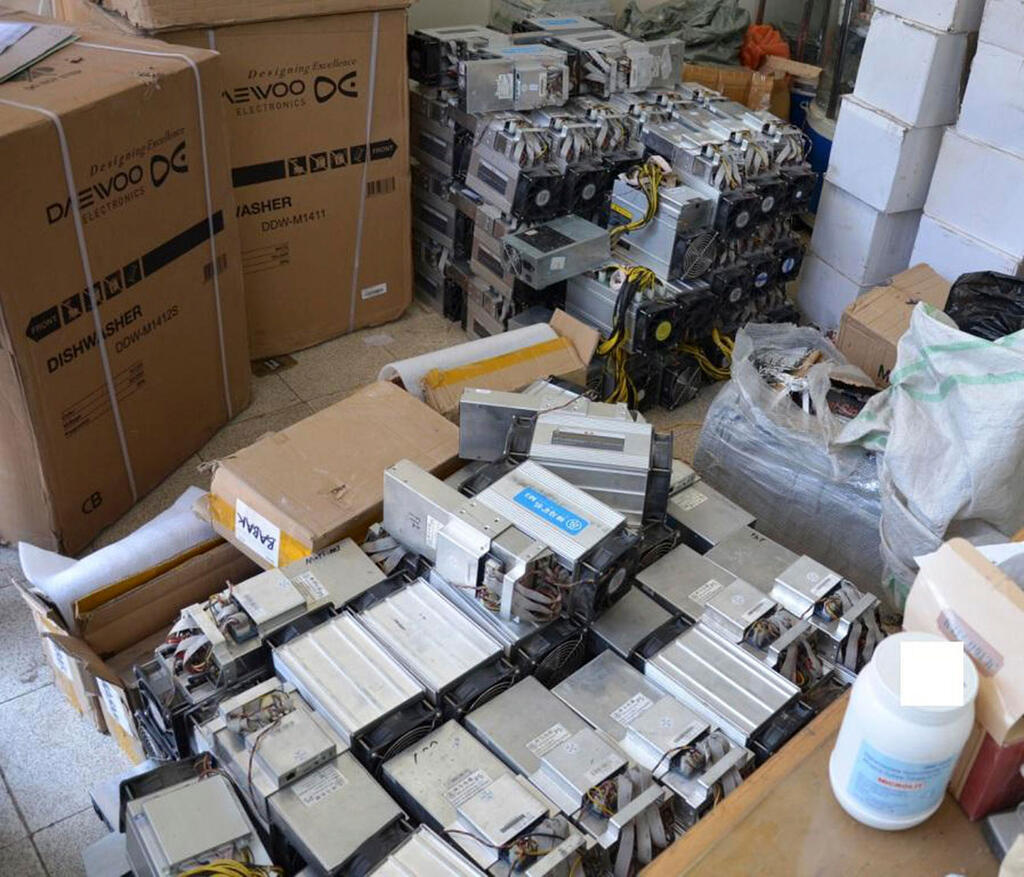
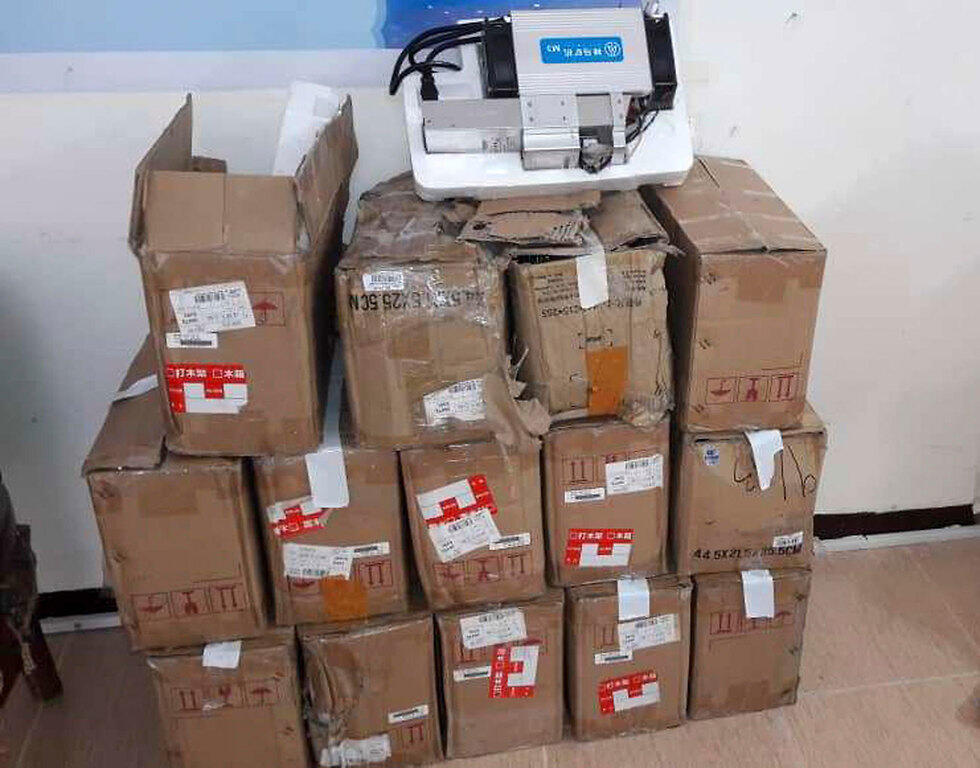
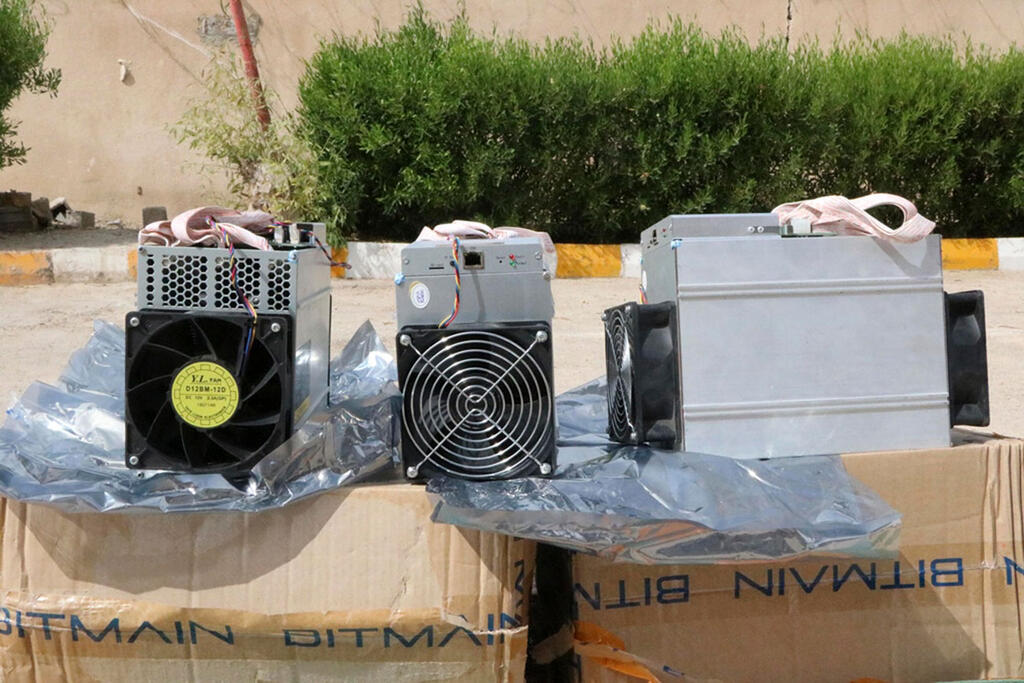
An illicit crypto mining farm seized by Iranian authorities, July 2019
(Photo: AP)
(Photo: AP)
(Photo: AP)
The unregulated nature of illegal mining means the Ministry of Energy has zero visibility or control over this load. The ministry cannot enforce the necessary shutdown orders on these clandestine operations during peak demand, a measure regularly imposed on licensed miners to manage the grid. This lack of control renders demand forecasting and grid management almost impossible, dramatically increasing the risk of voltage drops, equipment failure and widespread, uncontrolled power failures that threaten the entire infrastructure.
The struggle to enforce the law drains state resources. The government has had to dedicate significant manpower to crackdowns, often launching nationwide campaigns to locate farms hidden in abandoned buildings, industrial ruins or even underground tunnels. The authorities have even resorted to offering large cash rewards to citizens who report illegal operations, a desperate measure that highlights the severity of the crisis and the state’s inability to manage it through conventional means. This constant enforcement cycle adds administrative cost and effort to an already strained budget.
It is vital to stress the fundamental regulatory difference between cryptocurrency mining and payment in Iran. This distinction is key to understanding the government’s overall strategy. Cryptocurrency mining is regulated. Mining is the process of generating new coins (e.g., bitcoin) using computing power. The Iranian state sees this as an industrial activity, a means of creating a foreign currency asset. Hence, it is legal, provided the operator obtains a license, pays a high tariff and sells the proceeds to the CBI. The state is trying to control the production of crypto for its own ends.
Cryptocurrency as payment is illegal. The use of cryptocurrencies for domestic transactions and payments within Iran is strictly prohibited by the Central Bank. This ban is designed to maintain the rial’s dominance, prevent capital flight and ensure the state retains control over the monetary system. The government fears that allowing crypto for payments would introduce an uncontrollable parallel monetary system that could further destabilize the national currency amid chronic inflation.
(Photo: ATTA KENARE / AFP)
The existence of a powerful, unregulated mining sector directly complicates this clear regulatory firewall. By consuming subsidized electricity, illegal miners are effectively converting a priceless, state-controlled resource into a decentralized, global asset that is then entirely outside the state’s financial
control, undermining both the currency stabilization and the sanctions-busting goals of the legal framework.
In conclusion, the illegal crypto mining phenomenon in Iran is not merely a few isolated cases of law-breaking; it is an organized, large-scale black market enabled by highly subsidized energy prices. It acts as a massive, unregulated economic siphon that severely strains the electricity grid, leading to crippling power outages for ordinary citizens, causing instability and thwarting the government's attempts to use the legal mining sector as a controlled revenue source against sanctions.
The failure to effectively enforce the regulated mining framework is allowing the black market to dictate terms, resulting in a systemic drain on the nation's energy infrastructure and its already beleaguered economy
- Ella Rosenberg, a senior research fellow at the Jerusalem Center for Security and Foreign Affairs (JCFA), and a Dvorah Forum member, focuses her research on Iran and counter terror financing