

Ahuva Engel recently turned 80. A resident of Avihayil, she plants trees, tends her garden, and manages her life much as she did at 60. But when everyday tasks require a website, an app, or online form, her independence can suddenly disappear.
“I don’t call myself old,” Engel said. “I do everything independently at home and outside. But apps and things like that are not for me. When I run into problems, I wait until my grandson or my son comes over. It’s very hard, and I’m not the only one.”
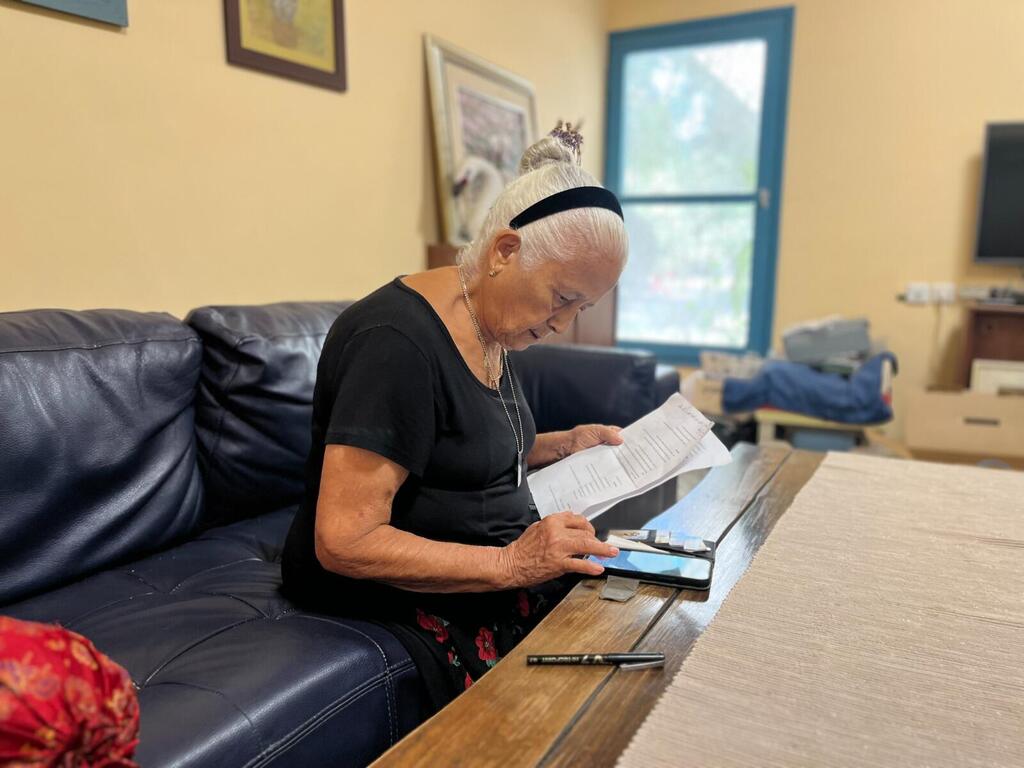
As health care, banking, insurance, and public services become increasingly digital, many Israelis are benefitting from greater convenience and faster service. For hundreds of thousands of older Israelis, however, a forgotten password, a confusing web form, or unclear instructions can become barriers to accessing health care, managing finances, receiving benefits, and being self-sufficient.
For the American Jewish Joint Distribution Committee (JDC), which has worked for decades to help older adults in Israel age with dignity and independence, addressing this challenge is increasingly urgent.
Designing for inclusion from the start
Today, JDC is leading a broad effort to help companies provide digital products and services that work for everyone. While digital literacy is part of the solution, inclusion begins much earlier, with the way technology is designed.
According to Ronny Sapir, Chief Technology Officer and Director of Data and Digital at JDC in Israel, organizations often treat accessibility as a niche concern rather than a fundamental part of serving their users.
"Digital inclusion isn’t just about making a button larger or changing the design of a screen,” Sapir said. “It’s about understanding who your users are and what barriers they face. When you design for people with different needs, whether because of age, language, disability, or culture, the result is often a better product for everyone and helps organizations reach and serve more people.”
 Ronny SapirPhoto: Eric Sultan
Designing with those barriers in mind can improve the experience for a much wider audience. It can also produce measurable business benefits, including more transactions that are completed and less reliance on expensive offline services.
A better experience for everyone
As part of this effort, JDC partnered with Clalit Health Services and Clalit Mushlam to test what happens when digital services are designed with older adults’ needs in mind from the outset, giving rise to a revolutionary design approach: "Senior First."
Clalit Health Services is Israel's largest state-mandated health fund, serving well over 5 million members through 14 hospitals, more than 1,300 clinics, and a wide range of digital services. Clalit Mushlam is the company’s supplemental health insurance program.
Working closely with Clalit's design teams, a JDC specialist in aging and inclusion helped redesign the online claims submission and reimbursement process using established inclusive design principles. By simplifying navigation and reducing unnecessary steps, the project made online services easier for older adults to use. The results were significant: online submissions among users aged 65 and older increased by 18%, while fax submissions declined by 57% and postal submissions by 35%.
For Clalit, the benefits extended beyond improving services for older adults. More users across age groups successfully completed online processes. This also reduced dependence on slower, more costly support services. What began as an effort to make digital services easier for one population created a more accessible and efficient product for all users.
For Ahuva Engel, this change is more than just a technological upgrade; it is about reclaiming self-sufficiency. "If in the past I was completely dependent on my children and grandchildren to help me manage my account with MushalimMushlam, today I can do everything myself," she says. "I no longer need any help; everything simply works."
A new standard for digital inclusion
The Clalit project is part of a wider initiative to help companies understand how older adults experience digital services and where barriers still exist.
To support that goal, JDC recently launched the Digital Accessibility Index for Ages 65+, a first-of-its-kind study examining how well the websites of major banks, insurance companies, and HMOs in Israel serve older adults.
The study was developed by Dr. Michal Halperin-Ben Zvi, an expert in digital product development for people aged 65 and older and Director of Digital Inclusion and AI Safety at JDC in Israel. Drawing on internationally recognized accessibility guidelines and JDC’s research on how older adults in Israel navigate online services, it looks beyond technical requirements to assess how people actually experience websites. Can they find the information they need, read the text comfortably, understand instructions, recover from errors, and complete tasks without outside help?
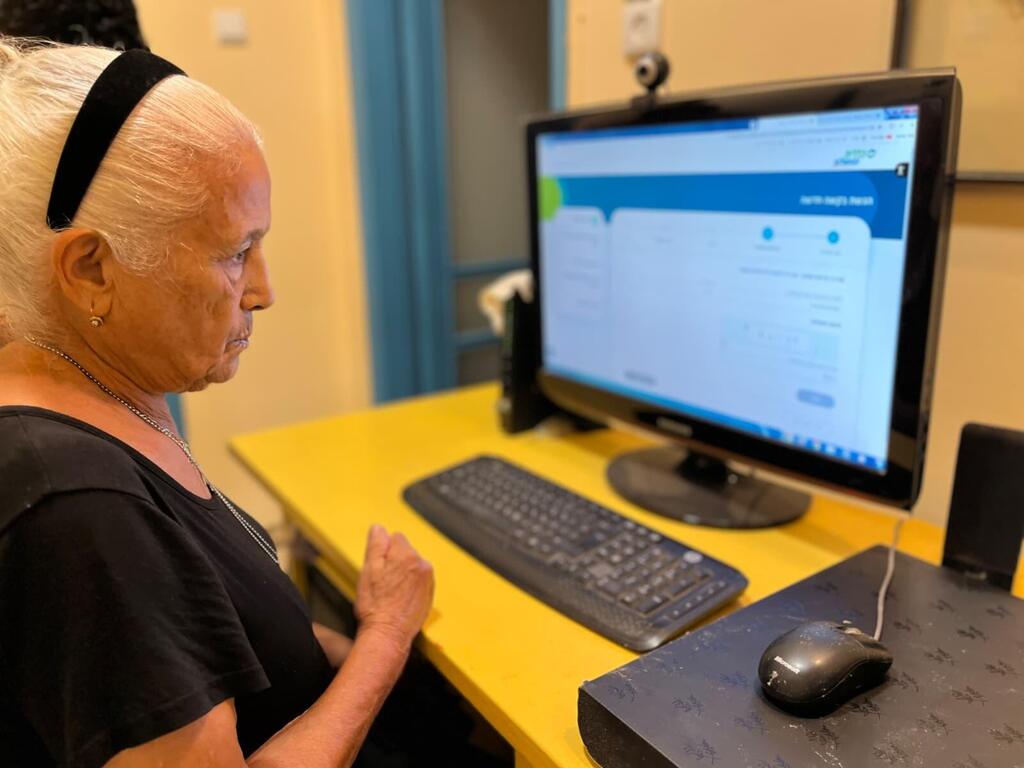
Digital products and services that work for everyone
(Photo: Adi Keinan)
The research was conducted by the Internet Society Israel in collaboration with the Law, Technology ,and Cyber Clinic at the University of Haifa and led by Kamil Salameh, a digital growth strategy consultant.
Findings revealed notable gaps across industries, particularly when it came to font size, readability, and the graphic design that can distract users or make navigation difficult.
"When we shared the results with various companies, they were impressed and were interested in finding ways to improve their digital interfaces and processes,” said Sapir. “When we learn to listen equally to diverse audiences, whether we are talking about language barriers, disabilities, or different cultural backgrounds, companies discover they only stand to gain. Products become much smarter, more accessible, and far more profitable."
As AI and digital services become part of everyday life, the measure of success is not simply how advanced a technology is but how well people can use it. By helping Ahuva Engel and people just like her, JDC is ensuring they are not left behind in an increasingly digital world.