

Welcome to the age of the crypto elite—a new tribe of self-made millionaires, powered not by family dynasties or corporate ladders, but by cryptographic keys and smart contracts. They are reshaping not only how wealth is created but where power resides—from Silicon Valley to Herzliya, from Brooklyn to Be'er Sheva.
As of mid-2025, there are over 182,000 bitcoin millionaires worldwide—up more than 17% from just six months ago. Behind the numbers? A heady mix of rising institutional adoption, spot ETFs and a belief that bitcoin is the digital real estate of the 21st century. Total global crypto wealth has eclipsed $1.3 trillion, and while only 28 crypto billionaires exist today, their collective influence rivals that of traditional tech titans.

(Illustration: Shutterstock)
And Israel? It punches far above its weight. With over 250 blockchain startups, Tel Aviv is becoming a decentralized capital in its own right. From Layer 2 DeFi innovators like Bancor and Kirobo to NFT and DAO infrastructure leaders like Fuse and Wonderland, Israel’s crypto scene blends the chutzpah of its startup culture with the precision of military-grade cybersecurity. Add a global diaspora and pro-innovation regulators, and you have a perfect storm.
The new crypto elite aren’t born into privilege—they’re built in the bear market. In the U.S., crypto adoption rates among black and Hispanic communities have surpassed those of white investors at similar income levels. These aren’t Wall Street heirs—they’re TikTok coders, part-time Uber drivers and ex-IDF cybersecurity officers who saw the writing on the blockchain early and hodled through the chaos.
Millennials and Gen Z dominate the demographic, with 72% of crypto users under age 34. They’re not buying Rolexes or Rolls-Royces. Instead, they live modestly, stack sats and pour capital into DAOs, NFTs and DeFi protocols with names that sound more like gaming guilds than banks. And while men still make up 63-67% of users globally, the fastest-growing crypto investor segment is women in Vietnam, Nigeria and yes, Tel Aviv.
What they share is not a zip code but a mindset: global, mobile, digitally native and unburdened by the institutional baggage of Wall Street or the Bank of Israel.
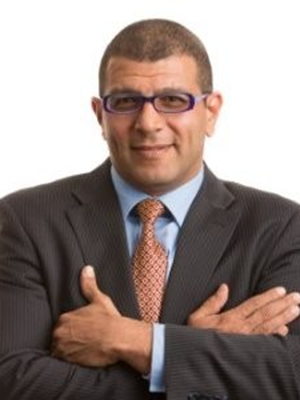 Prof. Ilan Alon Photo: Courtesy
This new elite isn’t just playing markets—they’re shaping them. In both the U.S. and Israel, crypto wealth is flowing into luxury real estate. In Herzliya Pituach and Miami’s Brickell district, bitcoin-backed mortgages are no longer science fiction. Citizenship-by-investment programs in Malta, Portugal and Oman are seeing surges in applicants with wallets, not W-2s.
Some are even becoming stateless by choice—crypto cosmopolitans who renounce traditional citizenship for financial sovereignty. This trend is reshaping geopolitics, forcing policymakers in Jerusalem and Washington alike to confront a new kind of economic migration: one where assets cross borders before the people do.
But not all that glitters is gold (or tokenized)
For all its promise, this crypto revolution has a dark side. The environmental toll of mining, the threat of unregulated volatility and the rise of pseudonymous “fake rich” accounts who confuse leverage for liquidity. The Israeli Securities Authority and the SEC have begun tightening oversight, but the pace of innovation always outruns the playbook.
And while crypto may decentralize how money is made, it doesn’t automatically democratize who gets to make it. Even as Israel launches blockchain sandboxes and the U.S. authorizes crypto ETFs, wealth remains concentrated. The question is: Are we leveling the playing field—or just minting a new elite club with different passwords?
- Prof. Ilan Alon is a professor of Business and Economics at Ariel University and an expert on international economics and cryptocurrencies.