

Its developers describe it as a “bullet ballet,” and that’s a fitting label. Even at its most intense, when dozens of enemies fire thousands of projectiles, the action feels controlled and almost elegant. This is not chaotic gunfire but carefully arranged patterns with rows, grids and waves advancing toward you.
Dodging it all becomes a learned skill over time, almost like dancing with your enemies. There are shades of Dark Souls here: When you defeat a boss, it’s because you improved and learned the mechanics, not because you got lucky.
The result is striking. Housemarque, the studio behind the game, brings more than 30 years of experience in this genre. It understands how to craft challenging action without overwhelming players, and how to teach them to rise to that challenge.
In many ways, Saros feels like a spiritual successor to Returnal. The story is different, but many core mechanics return, with key additions including a permanent progression tree and the ability to tailor difficulty. Runs are also relatively short — about 30 minutes from start to boss.
Gameplay
The gameplay loop is simple: Explore an area on the strange planet Carcosa, defeat enemies, gather resources and upgrades, level up, and eventually die. After improving your abilities, you return. The map reshuffles, keeping familiar elements but rearranging them, and the cycle continues.
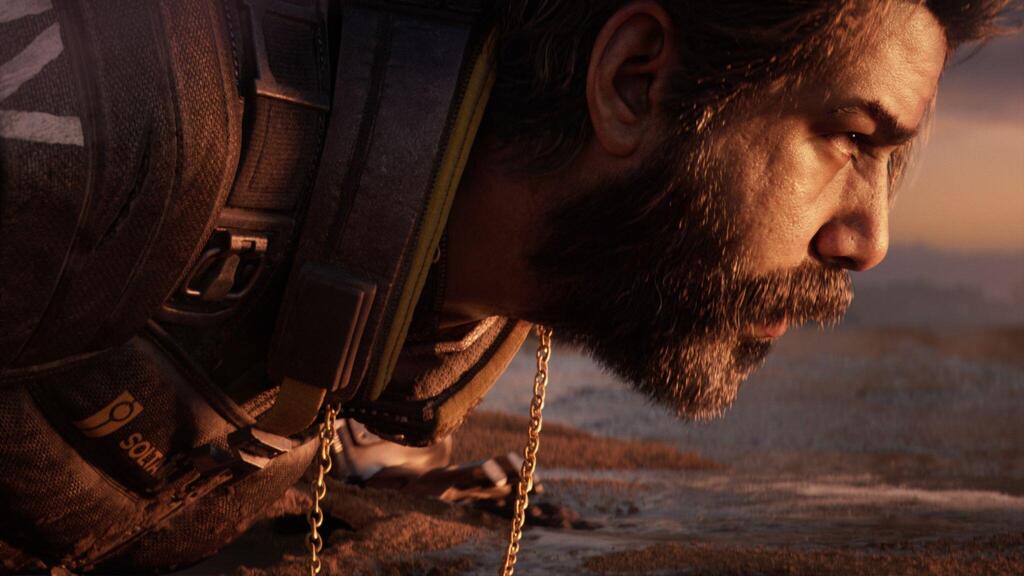
Defeat a region’s boss and you advance to the next area. Between runs, you can toggle options that raise or lower the difficulty. While this may sound like many roguelite games, Saros stands out in its execution and layered mechanics.
Levels are built from “rooms” designed to support different playstyles, alongside a wide range of weapons. Prefer close combat? There are tools for that. Want to fight from a distance? Pistols and bow-like weapons are available. Later stages introduce even more powerful gear.
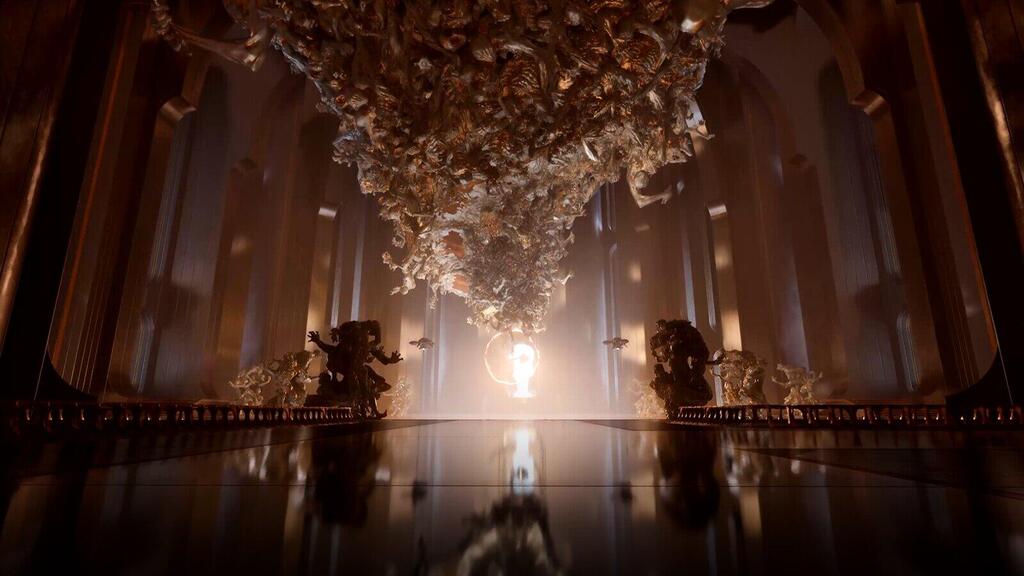
Stunning level design
(Photo: Sony)
A shield absorbs some incoming fire and can charge a special weapon. As you progress, you gain the ability to deflect certain projectiles. Upgrades scattered throughout levels ensure each run feels different, while new abilities gradually unlock access to previously unreachable areas.
A standout system is the “eclipse” mechanic. At certain points, you can trigger a transformation that tints the world yellow, increases enemy difficulty and boosts rewards. Sometimes, you’ll have the option to play on the standard or harder mode, but you won’t be able to reach the bosses without activating it.
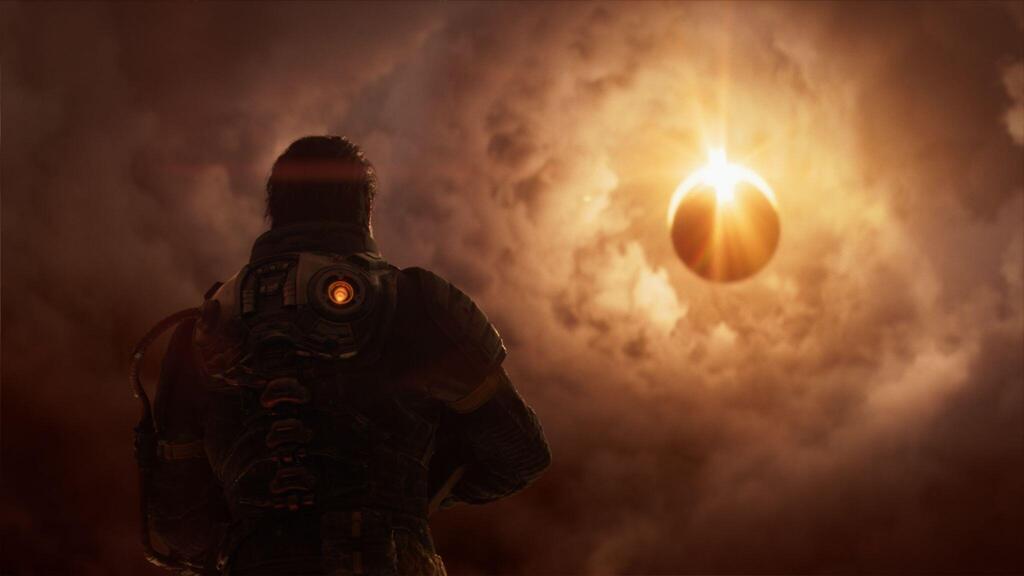
From Saros
(Photo: Sony)
Saros also showcases Sony’s technical edge on the PS5. Beyond impressive graphics and sound design, it makes excellent use of the controller. Like Returnal, the adaptive triggers serve dual functions — a half-press activates one ability, a full press another — with resistance that lets you feel the difference.
The haptic feedback is especially notable. It adds a tactile layer to the action, even if it drains the controller battery faster. Long after playing, the sensation lingers.
Story
If Saros has a weakness, it’s its overly ambitious narrative. You play as Arjun, portrayed by British actor Rahul Kohli, but the character feels thin and at times unlikable. Supporting characters are similarly underdeveloped, with minimal interaction.
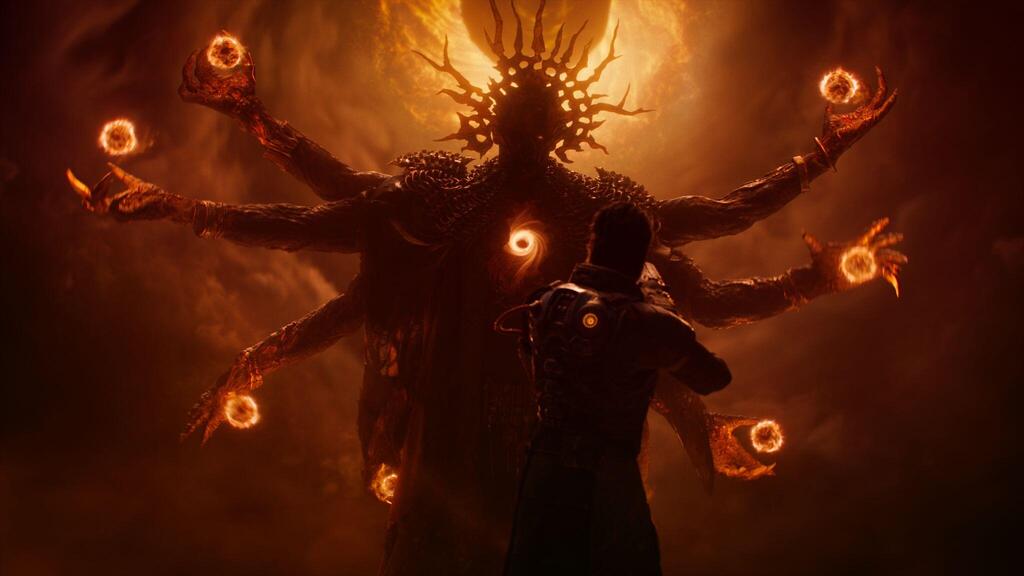
From Saros
(Photo: Sony)
The mystery of the world itself is intriguing, but the game avoids offering satisfying answers, which is arguably its biggest narrative flaw. It draws clear inspiration from Robert W. Chambers’ The King in Yellow: The planet is named Carcosa, the color yellow is central, and there is, of course, a king. Fans of the book, or HBO’s True Detective Season 1, will recognize the references.
Still, Saros struggles to balance text and subtext or deliver a deeper message beyond a fairly basic theme introduced early on. Its final moments add a twist that feels more frustrating than meaningful. That said, the story is easy to ignore, and the gameplay more than compensates.
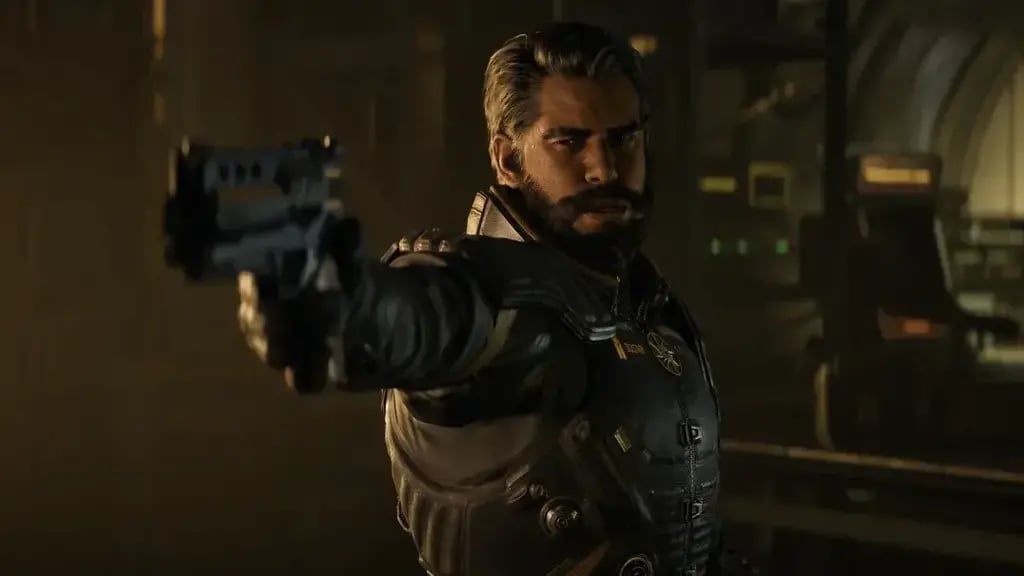
From Saros
(Photo: Sony)
Bottom line
After nearly 30 hours and 50 runs, Saros proves to be an excellent game despite its narrative shortcomings. Whether you enjoyed Returnal or never played it, this is a worthy follow-up, even without a direct story connection.
Time and again, victories feel earned through skill and mastery. And just as often, you may realize an hour has passed without noticing, absorbed in its hypnotic rhythm of action.
Score: 8/10