


Artificial intelligence is once again shaking markets. Two weeks after AI tools sent major SaaS stocks tumbling in the United States and Israel, a new product from Anthropic has jolted the cybersecurity sector, raising questions about whether parts of the industry’s business model are at risk.
Anthropic, the company behind the Claude chatbot, has launched an early version of Claude Code Security, a tool designed to identify hidden vulnerabilities in software code. The company says the system, powered by its Claude Opus 4.6 model, analyzes code in a way similar to a human security researcher rather than relying solely on known patterns and rule-based detection.

The tool tracks data flows within applications, identifies business logic flaws and performs multi-step validation, including AI-based self-review, to reduce false positives. It then proposes automatic fixes that developers can approve or reject. The product does not yet conduct runtime testing, meaning it does not provide full, real-time protection.
Anthropic said it tested the system on active open-source projects and identified more than 500 previously unknown vulnerabilities. The company developed the capabilities over more than a year with its Frontier Red Team and through participation in cybersecurity competitions such as Capture the Flag, as well as collaborations with research institutions.
Markets reacted swiftly. Shares of major cybersecurity firms, including CrowdStrike, Okta, Cloudflare and Zscaler, fell sharply following the announcement. Israeli companies were also hit: JFrog dropped 24%, Check Point fell 4%, SentinelOne declined nearly 3%, and Palo Alto Networks slipped 1.5%.
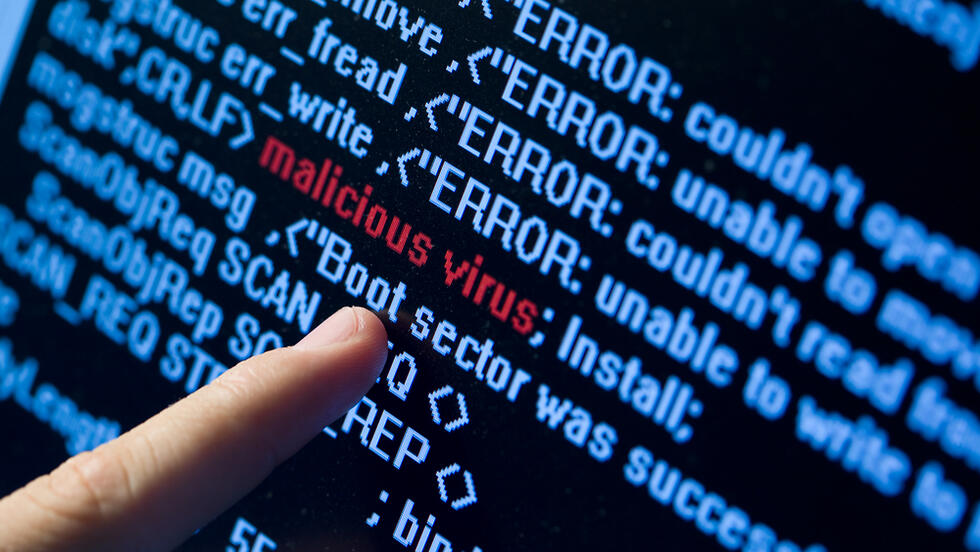
The AI tool tracks data flows within applications, identifies business logic flaws and performs multi-step validation
(Photo: Shutterstock)
Some investors fear that AI systems capable of autonomously scanning and fixing code could undercut traditional security analysis tools and compress margins for companies whose products are built around AI-driven detection.
Others urge caution. Liran Grinberg, founding partner at venture capital firm Team8, said the market reaction appeared exaggerated. “These are disproportionate responses to the reality on the ground,” he said, noting that some of the affected companies have limited exposure to the specific segment Anthropic entered.
He added that while the entry of major AI model developers into cybersecurity was expected, replacing enterprise-wide security infrastructure is complex and requires deep operational expertise that cannot be built overnight.
Kobi Samboursky, a partner at Glilot Capital, said he does not expect a dramatic industry collapse. “The expertise of cybersecurity companies remains critical,” he said. “Large organizations will not rely solely on a generic AI tool.”
Tomer Perry, CEO of InnoCom Group Aman, said the market has shown an almost automatic reaction to every new AI product in recent weeks. “The battles in cybersecurity remain the same,” he said. “They are simply becoming more technological.”
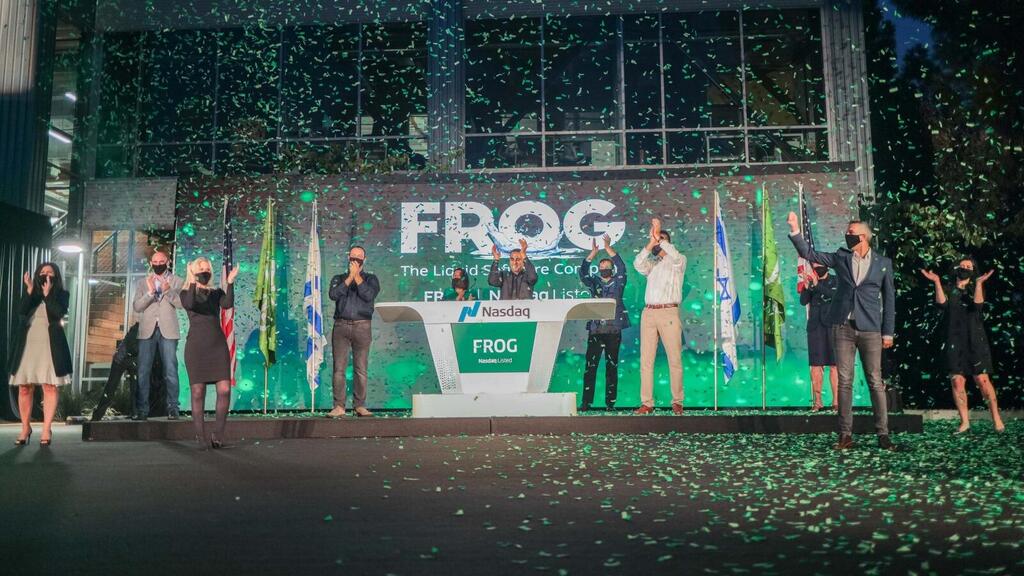
JFrog
Still, industry observers acknowledge that junior cybersecurity roles and startups focused on narrow AI-based security solutions could face pressure if companies begin using general AI tools to perform similar tasks internally.
Anthropic’s move also raises questions about malicious use. While enhanced detection tools could make life harder for cybercriminals, such actors might attempt to exploit similar AI capabilities to find vulnerabilities themselves. Anthropic said access to the tool will be restricted.
Notably, similar products from competitors have not triggered the same market shock. OpenAI’s Aardvark, launched in October 2025, along with Microsoft’s Security Copilot and Google’s Security Command Center, entered the market earlier with little market disruption.
“It is not another code-scanning tool that defines enterprise security, but the ability to manage risk end-to-end,” said Itai Schwartz, co-founder and chief technology officer of cybersecurity firm MIND. “AI can identify problems, but it does not replace cybersecurity strategy, organizational accountability or operational complexity.”
Anthropic, for its part, offered an optimistic outlook, saying it expects a significant share of the world’s code to be scanned by AI in the near future. For the cybersecurity industry, that forecast may signal not extinction, but a profound shift.