

In a world where the line between human and fake content has long since blurred, a new startup is trying to erase it altogether. Backed by one of the world’s most powerful venture capital funds, operating physical “phone farms” to bypass TikTok’s algorithms and offering AI-driven astroturfing services, meet Doublespeed — the venture stirring controversy across the tech world and placing Marc Andreessen, one of Silicon Valley’s most influential figures, in a sharp conflict of interest.
Doublespeed is a young company that raised $1 million from venture capital giant Andreessen Horowitz (a16z) through a fast-track investment program for early-stage startups. It offers a controversial service: managing thousands of AI-operated social media accounts designed to generate artificial “buzz” and manipulate public opinion.
The digitization of influence operations
Until recently, large-scale influence operations required significant effort. Over the past decade, however, the phenomenon has undergone massive digitization. The Russian “troll factory” (Internet Research Agency, or IRA) interfered in the 2016 U.S. elections, while Chinese “Spamouflage” campaigns flooded the internet with propaganda.
Where such operations were once the domain of states or criminal organizations, Doublespeed is turning this technology into an off-the-shelf product accessible to anyone — from cosmetics brands to religious organizations.
Doublespeed’s service, known as “astroturfing” — creating the appearance of broad, spontaneous public support when in fact it is a coordinated campaign, operates through a sophisticated method designed to evade detection systems on platforms such as TikTok, Instagram and Reddit. Unlike the simple bots of the past, Doublespeed uses “phone farms”: thousands of physical devices running apps as seemingly ordinary users.

Russian President Vladimir Putin with Chinese President Xi Jinping; The two powers are flooding the internet with propaganda and fake news
(Photo: Alexander Kazakov/ POOL / AFP)
In an exposé by tech site 404 Media, a hacker who managed to breach the company’s systems described a full remote-access infrastructure, similar to a standard cloud service. “I could see the phones in use, the ‘managers’ [computers controlling the smartphones] they were connected to, which TikTok accounts were assigned to them, which proxy servers they were using — including passwords — and the pending tasks. I also had access to the device-control links for each manager,” the hacker said.
“I could have exploited their smartphones as computing resources, or possibly for spam distribution. There are around 1,100 devices with proxy access, for free. I assume I could have used the linked accounts by remotely operating the smartphones or adding tasks, but I didn’t try.”
Millions of views with just a handful of accounts
According to the company, content is generated using artificial intelligence, with only about 5% of the work done by humans for “final touches.” One of the founders, Zuhair Lakhani, revealed on a podcast that a client managed to generate 4.7 million views in under a month using just 15 fake accounts.
What makes the system especially troubling is its relatively low cost. Pricing is based on a subscription model similar to legitimate software services. A basic plan costs $1,500 per month, while a premium plan sells for $7,500 per month and allows the creation of up to 3,000 posts per month. These prices may not be accessible to everyone, but they are certainly affordable for organizations with sizable marketing budgets.
The system does more than post content — it also “learns” what works. It generates dozens of variations of the same video (“one video, 100 ways”) to test what resonates with algorithms, then replicates successful formats with slight changes to avoid detection and bans.
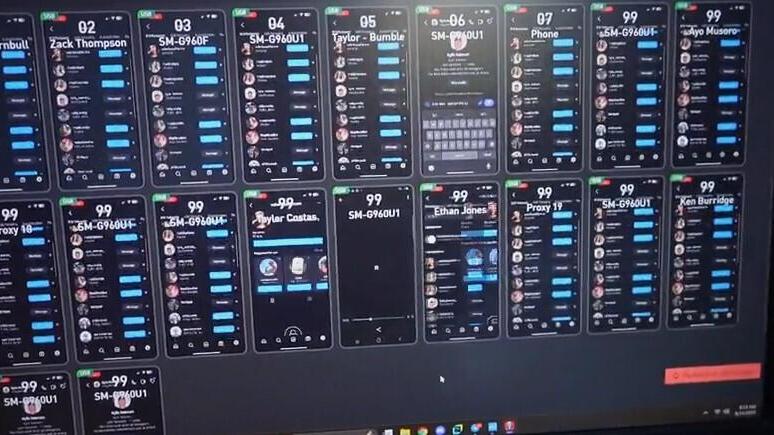
Bot farms in action
(Photo: Social media)
The result is a system that dramatically shortens influence cycles: rapid message dissemination combined with real-time optimization, all for a few thousand dollars a month. The temptation is clear.
The Meta connection
The story becomes even more complex when examining the investors. Marc Andreessen, who leads the fund that invested in Doublespeed, also serves on the board of Meta (Facebook, WhatsApp and Instagram). Investing in a company whose stated purpose is to violate social media platforms’ terms of service and flood them with fake content raises serious ethical questions about the conduct of one of Silicon Valley’s most powerful figures.
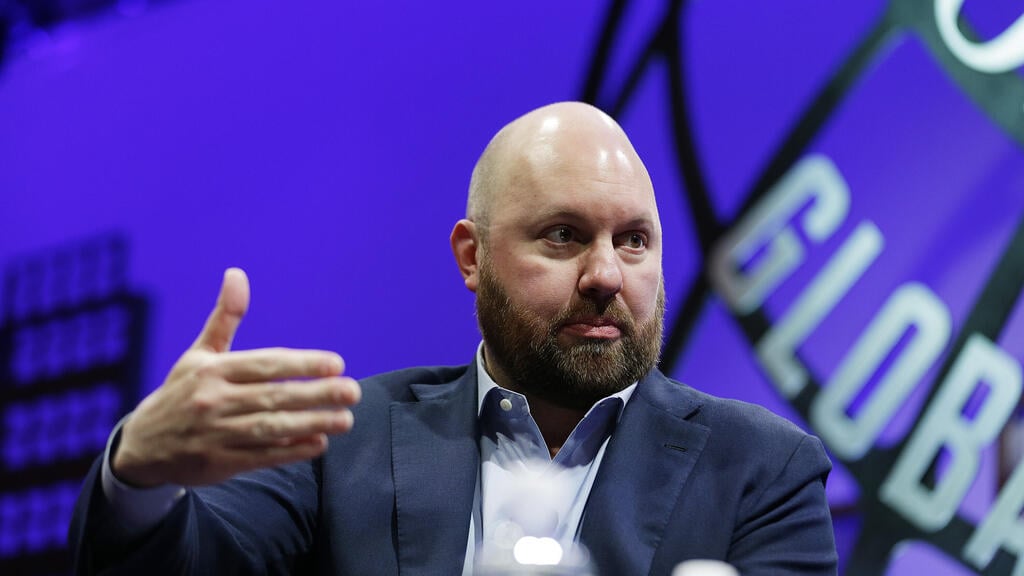
Marc Andreessen
(Photo: AP)
While Reddit has already stated that the service violates its terms of use, giants like TikTok and Meta have yet to respond officially. Still, it is clear that such activity undermines their efforts to maintain “authenticity” online. For now, the service is primarily focused on TikTok, though the company says it plans to expand to X and Instagram as well.
It is worth noting that Doublespeed is not the only company offering automation tools. Platforms such as Zapier and Make allow scheduled posting, but they rely on human-generated content and operate transparently through official APIs.
Doublespeed, by contrast, more closely resembles Asian “click farm” services — with a crucial upgrade: artificial intelligence replaces human workers in content creation, making the operation cheaper, faster and far more destructive to public discourse.