

The white blossoms of the avocado and almond orchards are approaching their peak bloom, but the atmosphere in the fields is far from pastoral. In March 2026, the agricultural sector is operating under the heaviest regional tension in years. For farmers, the narrow window that shapes next year’s food supply is opening at a time when the conflict requires constant attention.
Gallery
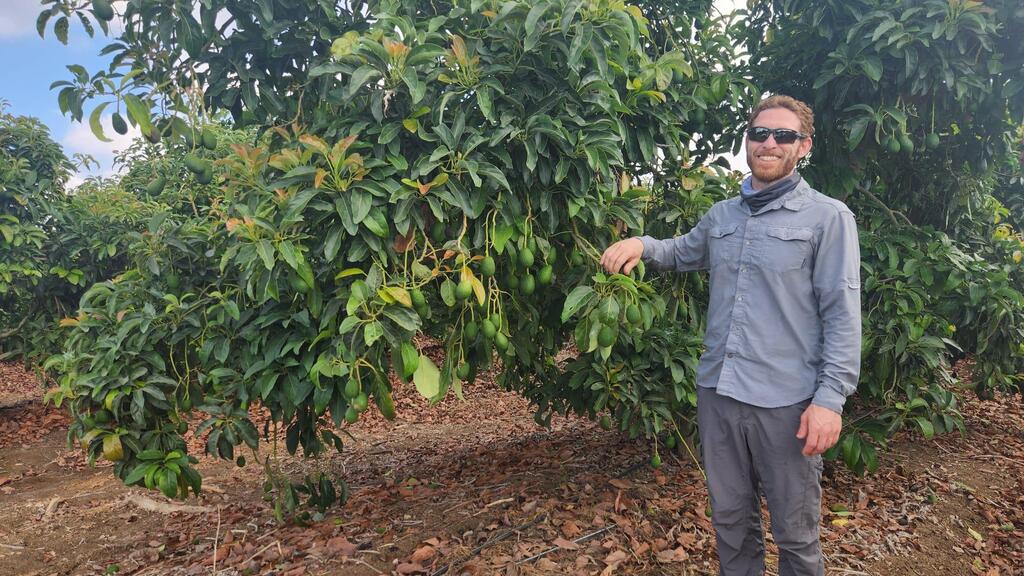
Orchard worker Uri Shpatz stands beside an avocado tree at a farm in Israel, as growers race through the pollination window during a period of regional conflict
(Photo: REFRAME Studio)
"Agriculture is a vital industry; we don't stop," says Uri Shpatz, chief agronomist at Banannot HaHof and a member of Kibbutz Ginegar. Shpatz manages farms spanning from the northern border to the southern edge of the country. He has seen the cost of war firsthand, recalling the devastation of the October 7 attacks, when the main irrigation system in the border kibbutz of Nahal Oz was obliterated.
Today, the battle is one of economic and operational endurance. "We go out to the fields, and when there's an alert, we simply lie flat on the ground and wait," Shpatz explains.
For him, the focus is on maintaining professional excellence. "We cannot afford a mediocre harvest, especially now when expenses are so high. There is too much at stake to let a season go to waste."
The labor crisis and the foundation of the harvest
At Kibbutz Eyal, operations manager Ofri Yongrman-Sela is managing a depleted workforce during one of the most sensitive times of the year. The primary challenge right now is pollination - the biological foundation of the entire season. Without successful pollination and subsequent fruit-set, later investments in irrigation, fertilization and crop protection become irrelevant.
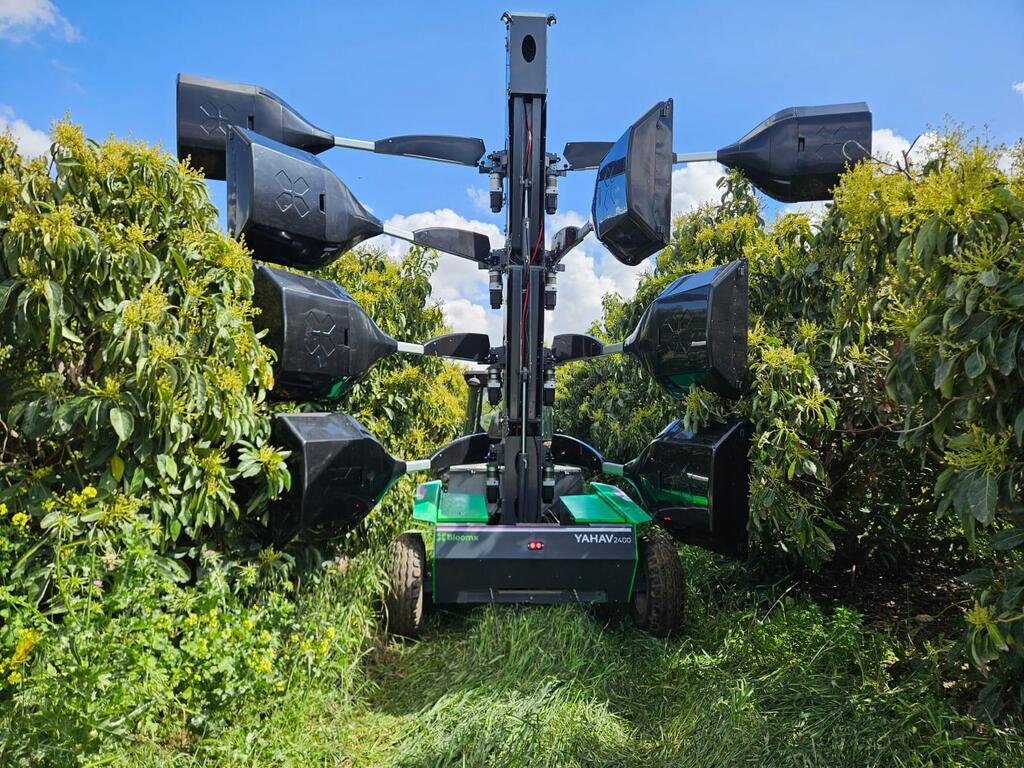
A BloomX robotic pollination system operates between rows of flowering trees at an orchard in Israel in an undated photo, as farmers work to protect yields during a narrow pollination window
(Photo: REFRAME Studio)
"The beekeeper we work with has half his team serving in the reserves," Yongrman-Sela says. "We’ve had to place honeybee hives under active sirens. Because we cannot move freely in the fields to tend to the hives as we usually do, the entire yield is at risk. If the fruit doesn't set now, there is no crop to save later."
To reduce this uncertainty, Yongrman-Sela relies on a "force multiplier" that his farm had already integrated into its operations years prior. “The pollination window lasts only about four weeks. Optimizing pollination is what secures the orchard’s profitability,” he adds.
Crucially, he notes that this technology is not a replacement for honeybees, but a way to maximize fruit-set. "It’s a force multiplier that ensures we reach the minimum required yield even when our traditional routines are disrupted," noting that during stable times, the same system is used to push yields to their full potential.
Pollination technology: the bio-mimicking edge
While many are just now looking for solutions to labor shortages, some growers, such as Yongrman-Sela and Shpatz, had already turned to technology long before the current escalation. Israeli startup BloomX has developed bio-mimicking robotic pollination tools combined with artificial intelligence to help farmers increase their fruit set and fruit quality by up to 20% - a significant margin that directly boosts the orchard’s bottom line.
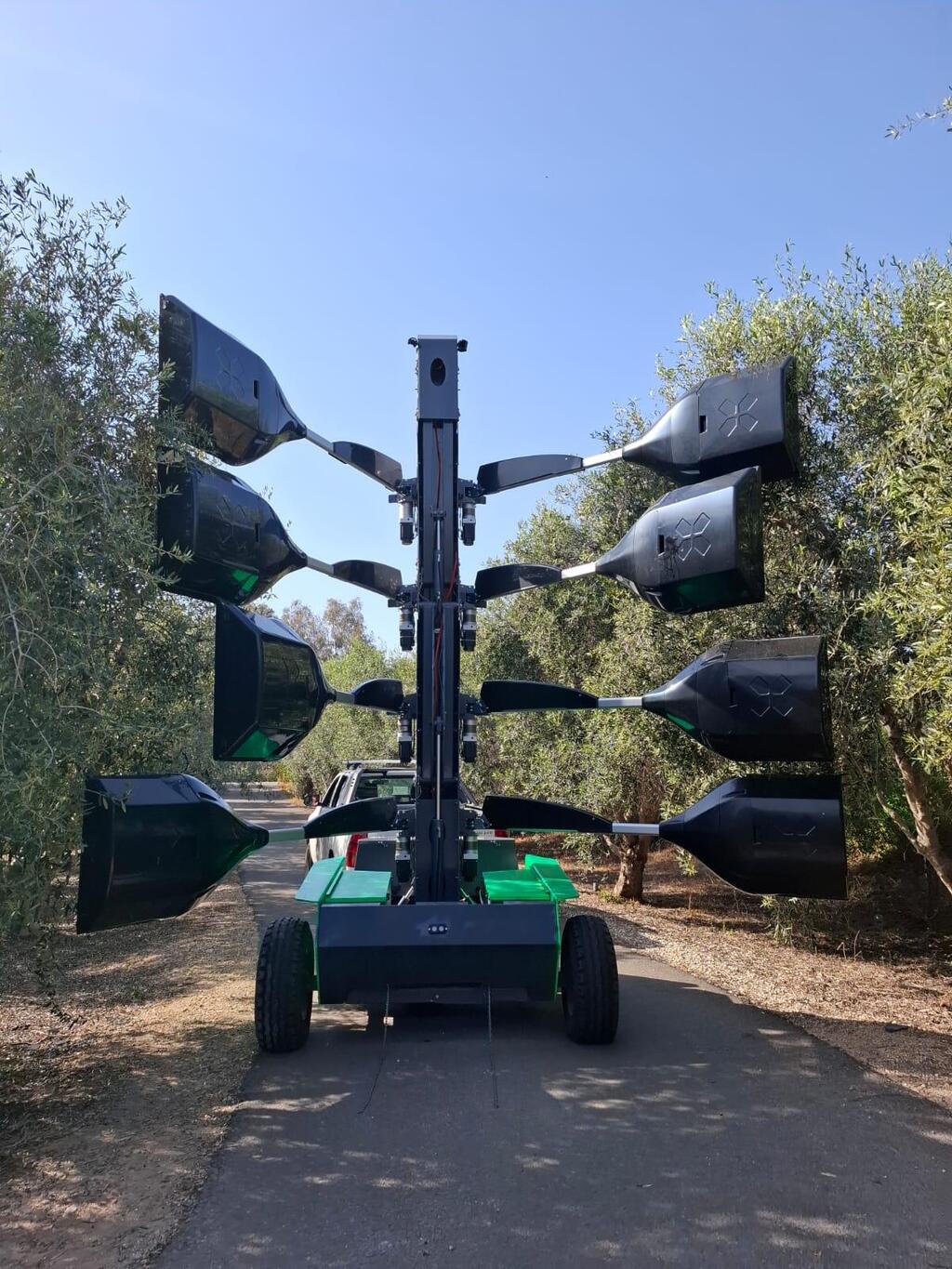
A BloomX robotic pollination system operates between rows of flowering trees at an orchard in Israel in an undated photo, as farmers work to protect yields during a narrow pollination window
(Photo: REFRAME Studio)
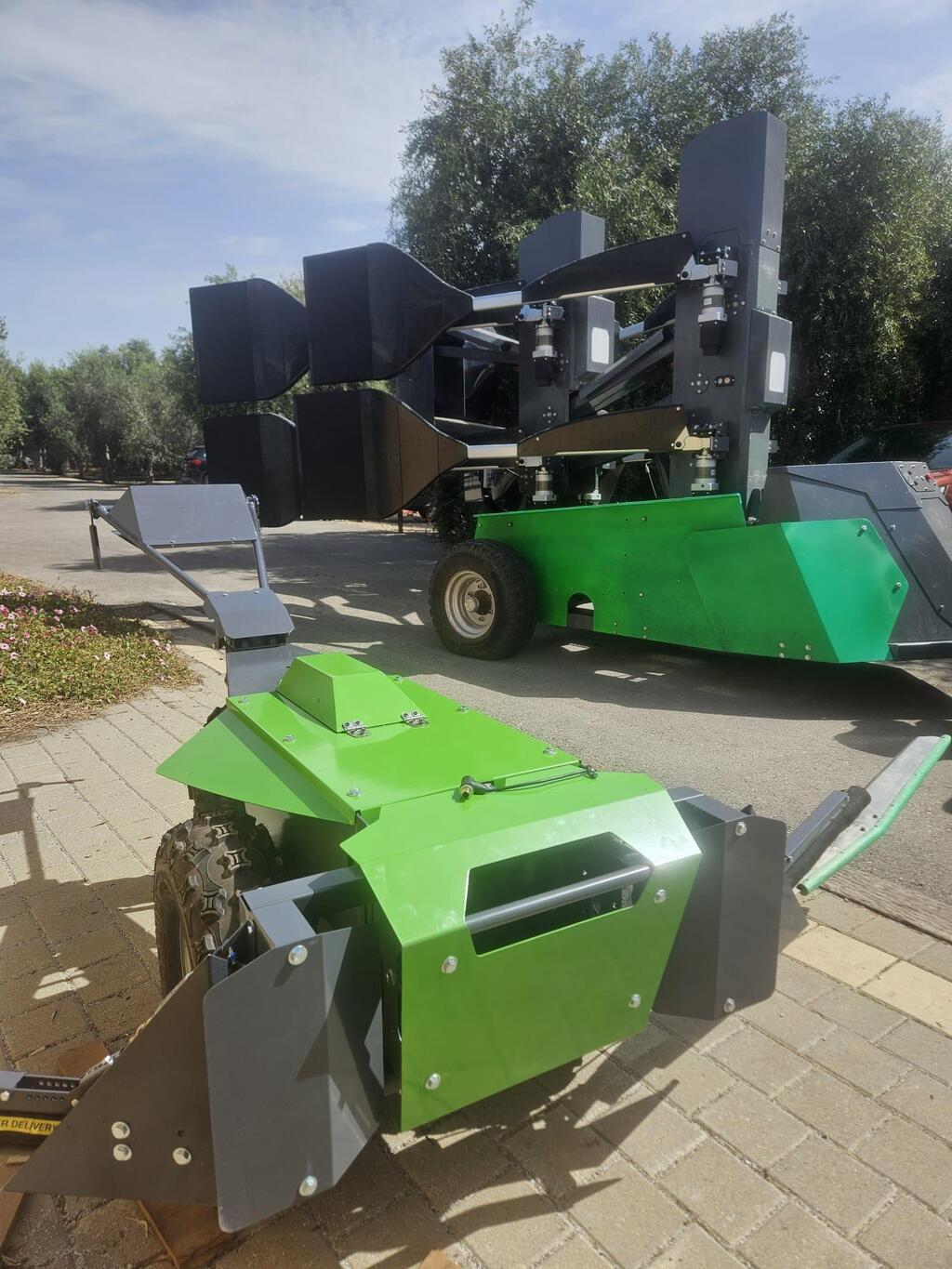
AI analyzes flowering patterns, weather conditions and field data to identify the optimal timing for pollination throughout the day. Farmers then operate the robotic tools during these specific windows, replicating the way insects pollinate - either through unique vibrations or electrostatic mechanisms to release or transfer pollen, depending on the crop.
Founded in 2019, BloomX now works with more than 25 paying customers globally. For growers who were already using the system to maximize ROI, the conflict has transformed the technology from a competitive advantage into a strategic necessity.
"Under normal conditions, our solution is designed to maximize yields and push productivity to its full potential," says BloomX founder and CEO Thai Sade. "But in a prolonged period of disruption, that same technology becomes a critical safeguard. We are giving farmers a tool that makes the season consistent and predictable, ensuring they can complete the pollination process even when time and access are limited."
Farming under fire
As the robotic tools move through rows of flowering trees, the contrast is stark: a landscape associated with renewal operating under the constraints of an ongoing war. For the farmers at Kibbutz Eyal and Ein Carmel, the technology has become a source of confidence.
(Photo: REFRAME Studio)
"It gives us the peace of mind that we will reach the required yield and even exceed it, even if the work we are used to is disrupted," Yongrman-Sela concludes.
In Israel’s orchards, the effort is unfolding in real-time. The trees are in full bloom, but within weeks, the flowers will fall. What happens in this brief window, supported by human grit and the work of technology already in place, will determine the future of the harvest.