


A fighter jet releases a munition dozens of kilometers from its target. In the final stage of its flight, it no longer has to rely on a satellite to tell it exactly where it is. A camera in its nose looks at the ground, compares what it sees with an image of the target stored in its memory before takeoff, recognizes the surroundings and corrects its course. Within seconds, the munition finds the point it was sent to strike on its own.
That concept lies at the heart of Rafael’s SPICE family of munitions, whose name stands for Smart, Precise Impact and Cost-Effective. The family has its roots in years of expertise Rafael Advanced Defense Systems accumulated in electro-optical weapons, including through development of the Popeye missile. But SPICE was based on a different idea: Take an existing bomb, add wings, a navigation system and “eyes” and turn it into a precision-guided weapon capable of gliding dozens of kilometers to its target.
Rafael Advanced Defense Systems' SPICE family of munitions
(Video: Yaron Sharon)


The system was publicly unveiled in 1999, when Rafael presented a kit that converted the roughly 900-kilogram, or 2,000-pound, Mk-84 bomb into a guided glide weapon. Four years later, the system entered production for the Israeli Air Force.
But the significant innovation was not just its range. As the weapon approaches the target area, its electro-optical seeker photographs the ground and an algorithm compares those images in real time with imagery loaded into the system in advance. This allows it to recognize the target area, correct positioning errors and home in on the designated impact point even in an environment where GPS is jammed or unavailable.
Gallery
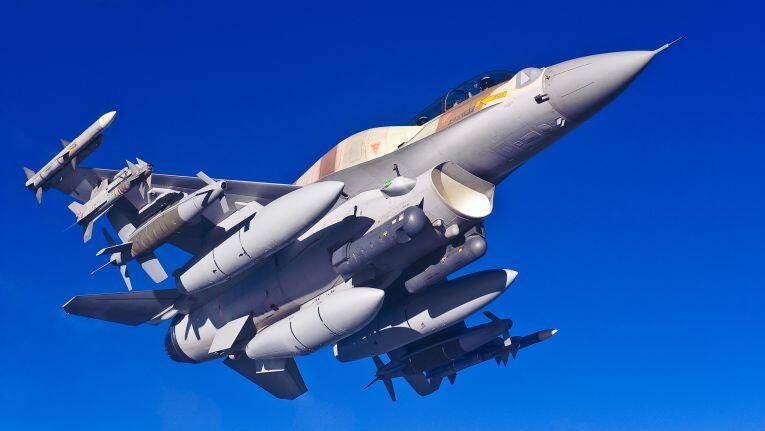
SPICE missiles mounted on a Israeli Air Force fighter jet
(Photo: Rafael Advanced Defense Systems)
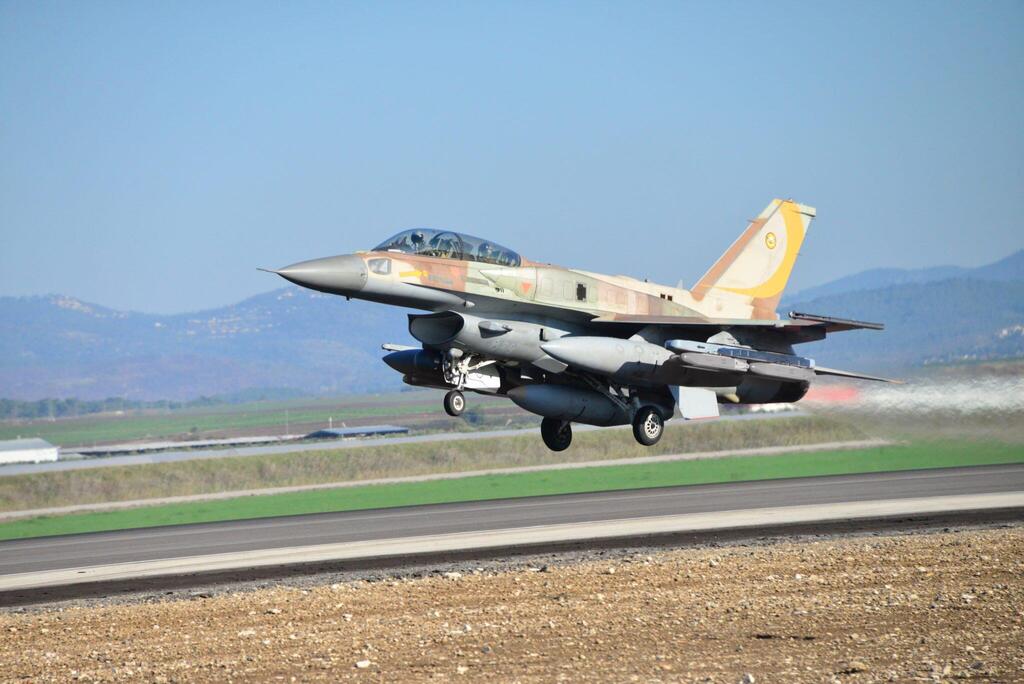
The heavyweight member of the family, SPICE 2000, is known in the Israeli Air Force as “Barad Plada,” Hebrew for “Steel Hail.” It converted 2,000-pound, or roughly 900-kilogram, bombs into precision weapons with a range of dozens of kilometers, with the number 2000 referring to the bomb’s weight in pounds. The development won the Israel Defense Prize in 2008.
It was followed by SPICE 1000, known in Israel as “Barad Kal,” or “Light Hail,” which applied the same principle to a lighter weapon with a longer range. It also won the Israel Defense Prize in 2019.
(Photo: Rafael Advanced Defense Systems)
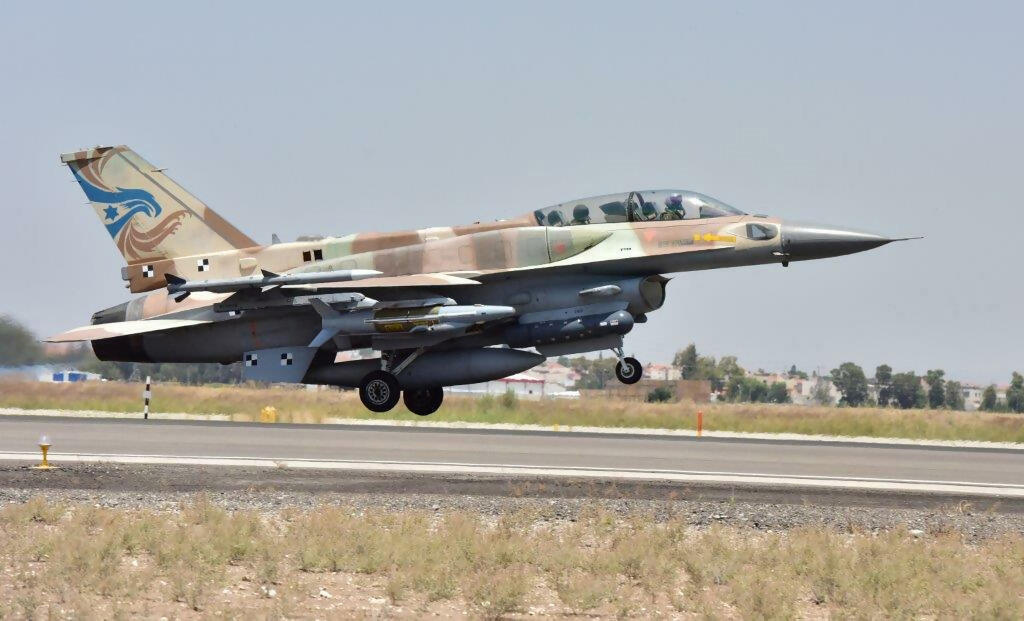
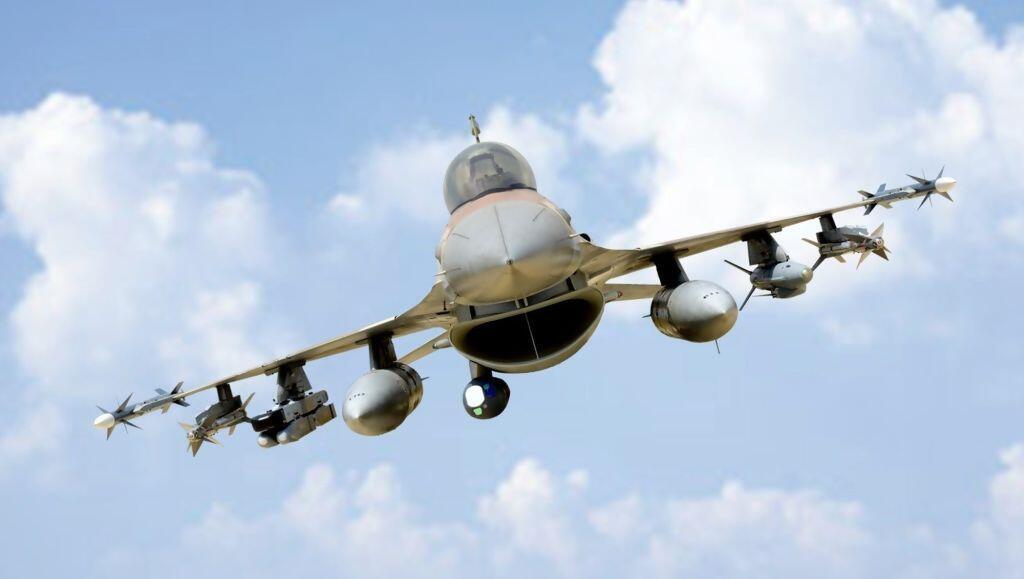
But the next major leap came through miniaturization. SPICE 250, known as “Barad Katan,” or “Small Hail,” is no longer merely a guidance kit attached to an existing bomb but a complete munition weighing about 125 kilograms, or 275 pounds. It can reach a range of about 100 kilometers, or 62 miles, and four can be carried on a single rack. That means an aircraft can head into a mission carrying far more weapons and strike more targets.
With the outbreak of the war, that capability went from a technological development to an operational transformation. The process of integrating SPICE 250 into Israeli Air Force squadrons was still underway, but testing, approvals and training were accelerated during the war. Within a short period, the Air Force went from being able to drop four such munitions on a single sortie to 16. At the same time, Rafael was required to triple its production rate.
(Photo: Rafael Advanced Defense Systems)
The SPICE family’s “eyes” have also evolved. In 2019, Rafael unveiled an automatic target recognition capability for SPICE 250 based on artificial intelligence and deep learning. Rather than relying solely on matching images of the terrain with imagery stored in advance, the system can learn the characteristics of different types of targets, identify moving targets and distinguish them from other objects in the surrounding area.
A two-way data link also allows the munition to receive updates while in flight, switch targets or abort the mission.
(Photo: Rafael Advanced Defense Systems)
The SPICE family has long since ceased to be an exclusively Israeli story. The weapons are also in service with other countries, and in 2019 Rafael and Lockheed Martin signed a cooperation agreement to develop, manufacture and market SPICE 1000 and SPICE 2000 in the United States. The partnership was later expanded to include SPICE 250.
The next direction is already taking shape. SPICE 250 ER adds a small engine to the lightweight weapon, significantly extending its range and further blurring the distinction between a glide bomb and a missile. At the same time, the SPICE family continues to evolve toward more advanced target recognition, attacks against moving targets and operations in environments saturated with electronic jamming.
More than 25 years after SPICE was first unveiled, its story is no longer simply about turning a “dumb” bomb into a precision weapon. It is the story of a munition that learned first to see, then to recognize and ultimately to operate as part of a system capable of striking more targets from greater distances with less reliance on GPS.
And that is only one stage in an evolution that is far from over.

First published: 13:52, 09.09.26