

For more than 30 years, the Apache, the Ka-52, and other battle-hardened attack helicopters have been taking increasing losses on the battlefield. Many military analysts believe their time is up, arguing that their missions should be handed to drones, leaving helicopters destined for museums. But is that really the case?
Attack helicopters are not what they once were. Their destruction rates have risen steadily in recent decades, and researchers worldwide now predict they are on the brink of extinction—set to be replaced by hunter-killer drones. The reason, they argue, lies in changing battlefields and increasingly lethal air defenses that have eroded the helicopter’s advantages.
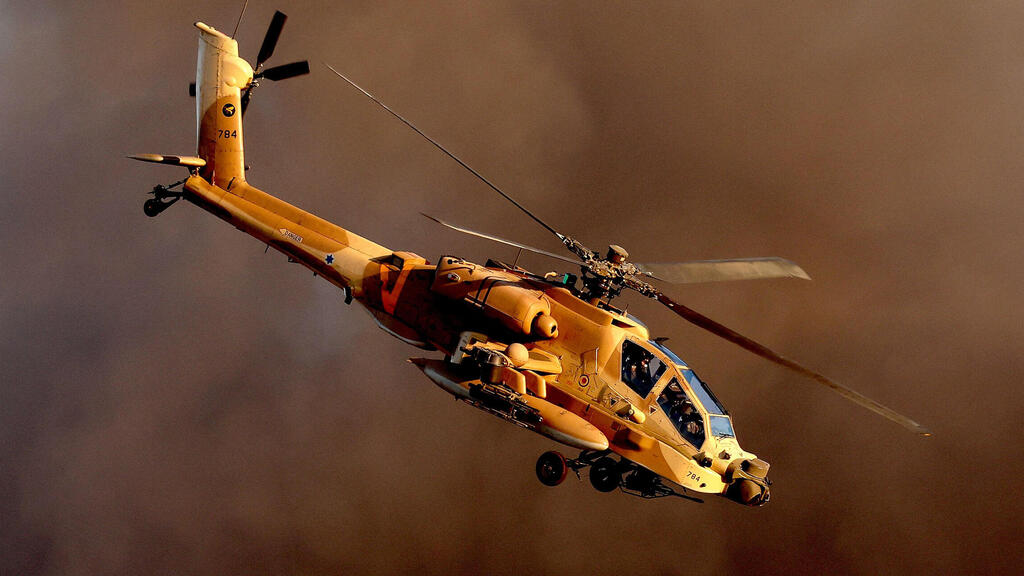
Originally, the modern attack helicopter was designed to stop large armored offensives or escort tank columns. When conceived in the late 1960s, the prospect of tens of thousands of Soviet tanks sweeping into Western Europe loomed as large as the threat of nuclear war. To survive, helicopters borrowed attributes from tanks: mobility and flexibility across terrain, armor and shielding to endure close-range combat, and powerful weaponry.
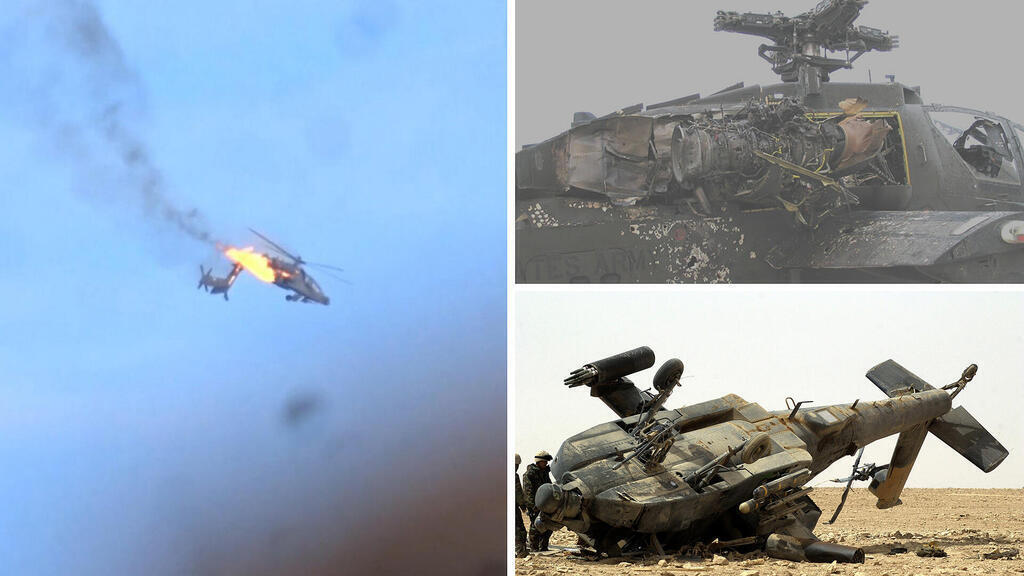
American and Saudi Apache helicopters damaged in Iraq, Yemen and Afghanistan
(Photo: theaviationist + USAF)
At the time, this focus made sense. Armored invasions dominated conflicts—ranging from the Six-Day War in 1967 to the 1971 India-Pakistan war, the 1973 Yom Kippur War, Vietnam’s 1979 invasion of Cambodia, the Iran-Iraq War, and the Gulf War of 1991.
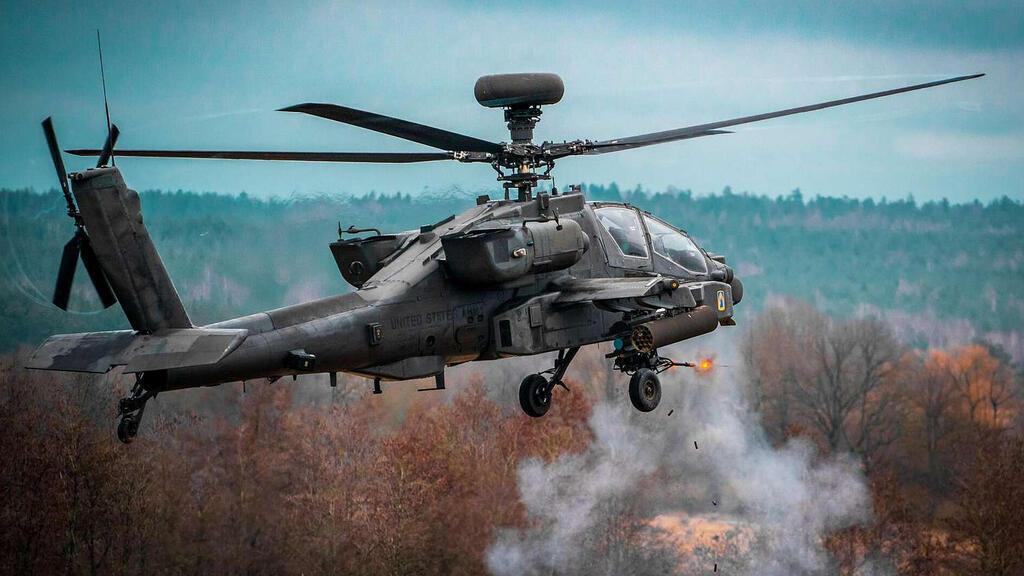
Apache helicopter
(Photo: USAF)
But the world has changed. State-on-state armored invasions involving more than two brigades have been rare in the last three decades—appearing only in the First Chechen War, the 2003 U.S. invasion of Iraq, Russia’s 2008 war with Georgia, and the war in Ukraine. In many cases, it proved smarter to let tanks advance and then destroy them with anti-tank missiles—systems that require no flight training to operate.
That left helicopters with a new primary role: close air support for ground forces. This meant moving alongside them, striking targets in real time, escorting rescue helicopters, and providing overwatch. But today, drones do much of this better: they are cheaper, just as accurate, and can stay aloft up to 12 hours—four times longer than a helicopter. The battlefield has also become deadlier, and trained pilots are irreplaceable.

Mi-24 helicopter taking part in a close-support exercise with ground forces in India
(Photo: defencedirecteducation)
Loss rates tell the story
In the 1991 Gulf War, the U.S.-led coalition deployed about 280 Apaches, Cobras, and others. Losses were minimal; Iraq’s air defenses had been decimated. But by the 2003 Iraq invasion, the enemy had adapted: of 250 helicopters deployed, at least 10% were lost.
In Russia’s 2008 invasion of Georgia, 20 attack helicopters were sent into combat; 20% were destroyed. Losses have been staggering in Ukraine. Since 2022, Russia has deployed around 200 of its best helicopters and lost nearly 30%. Ukrainian forces have lost at least 20% of their fleet. Many of these were identical models, felled by modern layered air defenses, not by chance.
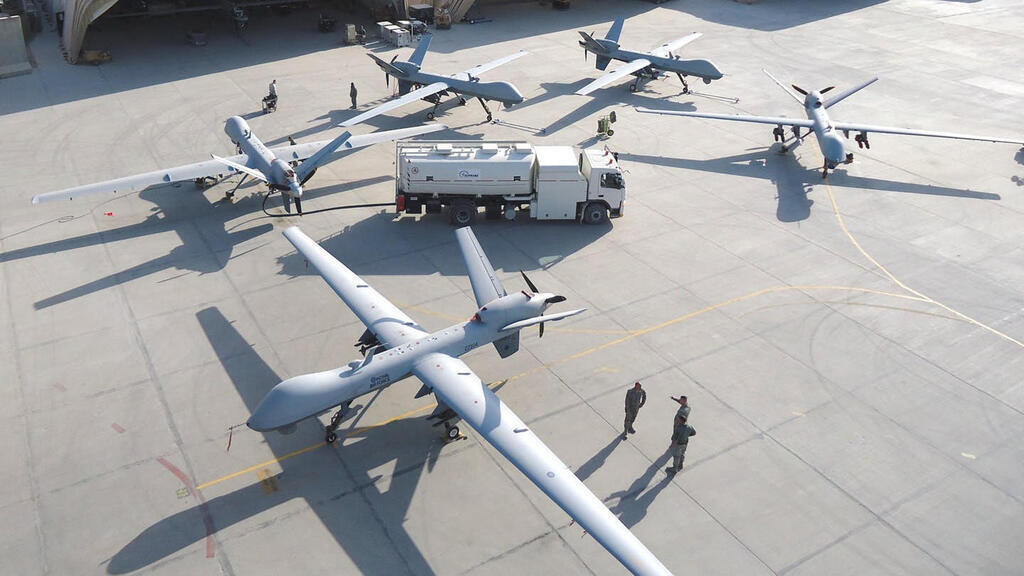
Cheaper, longer endurance, no crew at risk: U.S. Reaper hunter-killer drones
(Photo: USAF)
Shoulder-fired missiles, such as Stinger or Igla, did take their toll, but data show only about 10% of confirmed kills were from these weapons. The vast majority—about 80%—came from longer-range systems such as the S-300, or flexible systems like the Pantsir and Tor. Modern detection networks, paired with multi-layered defenses, proved devastating.
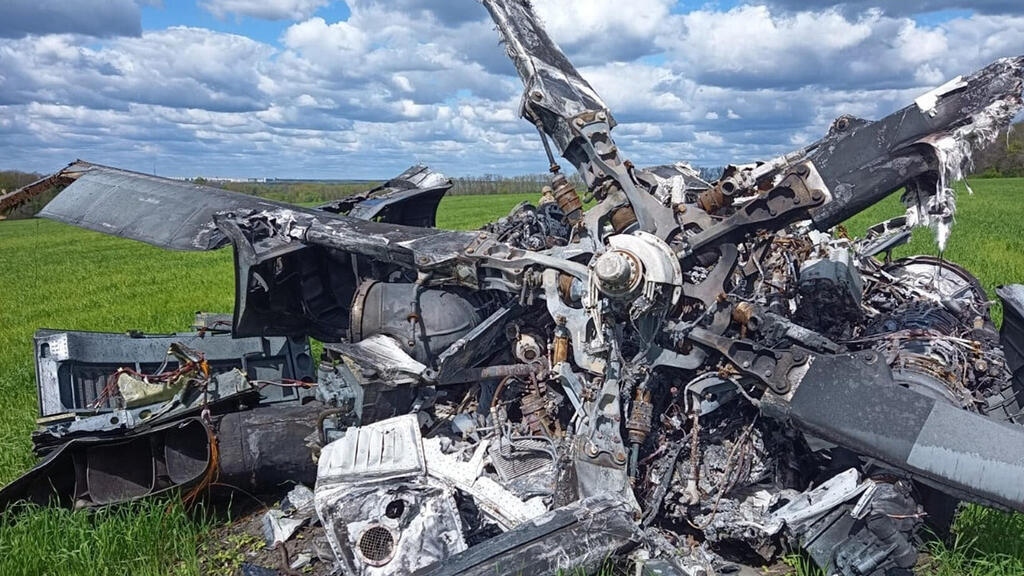
Russian helicopter shot down in battle
(Photo: PRAVDA GERASHCKENKO)
Drones, however, were not spared. Ukraine lost half of its hunter-killer UAVs, which flew higher and lacked the helicopters’ evasive maneuvers. In other words, helicopters did not suddenly become more vulnerable; rather, all aerial platforms now face harsher skies. Still, helicopters are singled out—perhaps because they have a clear unmanned alternative that is cheaper and budget-friendlier.
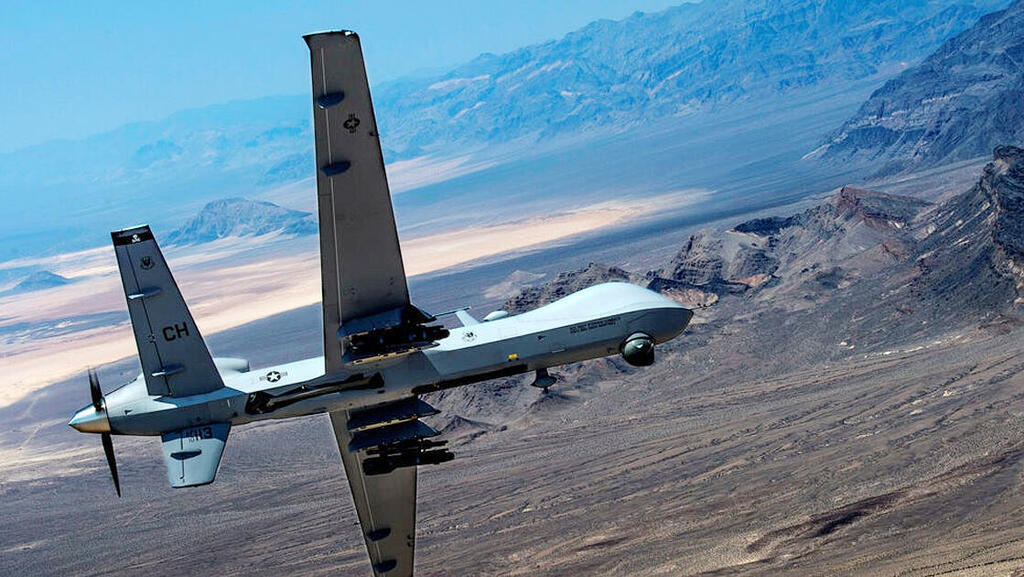
Reaper drone
(Photo: USAF)
The numbers don’t lie
Cost comparisons are stark. The most advanced Apache, the AH-64E, costs about $52 million to acquire, with flight-hour costs around $7,000, according to the U.S. Army. The MQ-9 Reaper drone, America’s long-range hunter-killer UAV, costs $30 million and about $3,000 per flight hour. The Turkish Bayraktar TB2, widely used in Ukraine, tops out at $5 million, with hourly operating costs under $1,000.
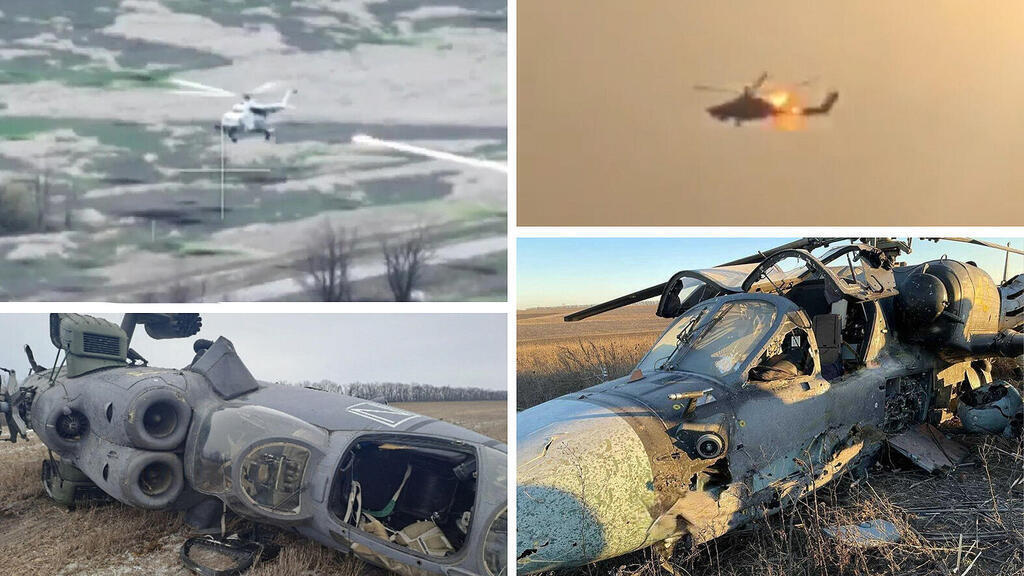
Russian helicopters downed in Ukraine
(Photo: UA MOD)
Training adds another layer. No aircraft is more complex to fly than a combat helicopter. U.S. Apache pilots undergo 24 months of training, and each crew requires two personnel. By contrast, a Reaper team has one pilot, trained in about a year, and one sensor operator, certified in eight months. Turkish Bayraktar crews train in as little as six months. Over 10 years, the Pentagon estimates crew training and readiness for an Apache at $20 million—compared with under $4 million for a drone crew.
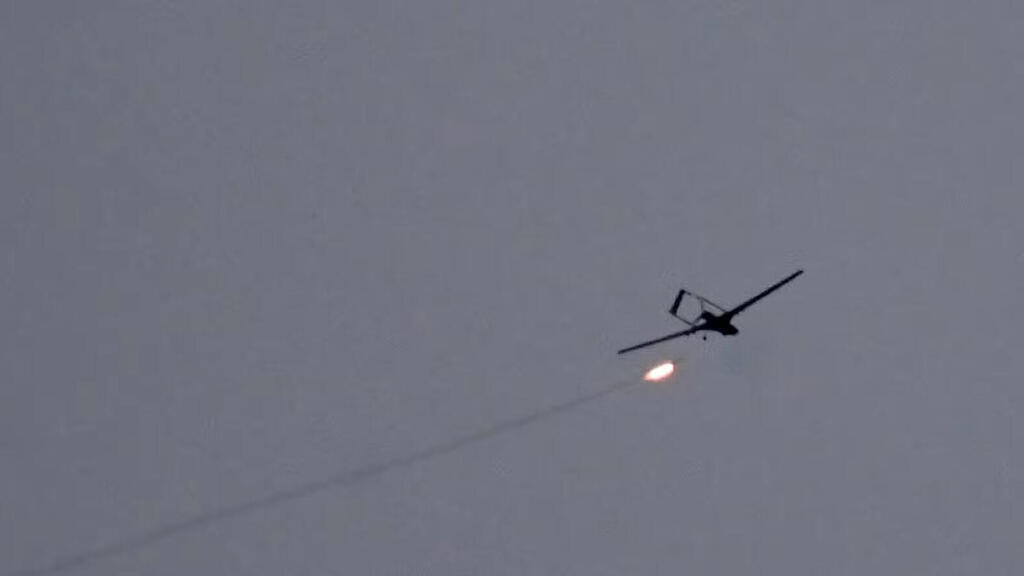
Ukrainian Bayraktar TB2 drone about to be hit by a missile
(Photo: AFP)
So why keep them?
Despite costs and losses, helicopters retain advantages no drone can match. Their legendary agility allows them to hide behind ridges or treelines, sneak through valleys, and strike from unexpected angles. Their ability to hover, fly slowly, and reposition in tight terrain makes them invaluable in offensive operations.
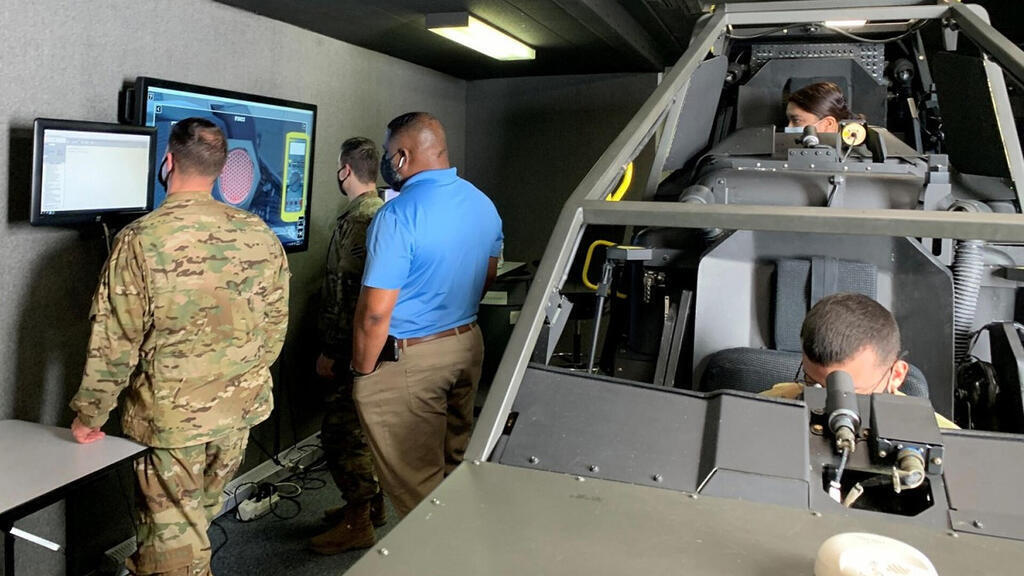
U.S. Apache crew training
(Photo: US army)
The Apache’s 30 mm cannon, slaved to the pilot’s helmet, delivers instant precision firepower. Unlike drones, helicopters see the battlefield from the same angles as ground troops, spotting threats tucked behind windows or rooftops. Situational awareness is critical in chaotic combat, such as during Hamas’ Oct. 7 attack on Israel.
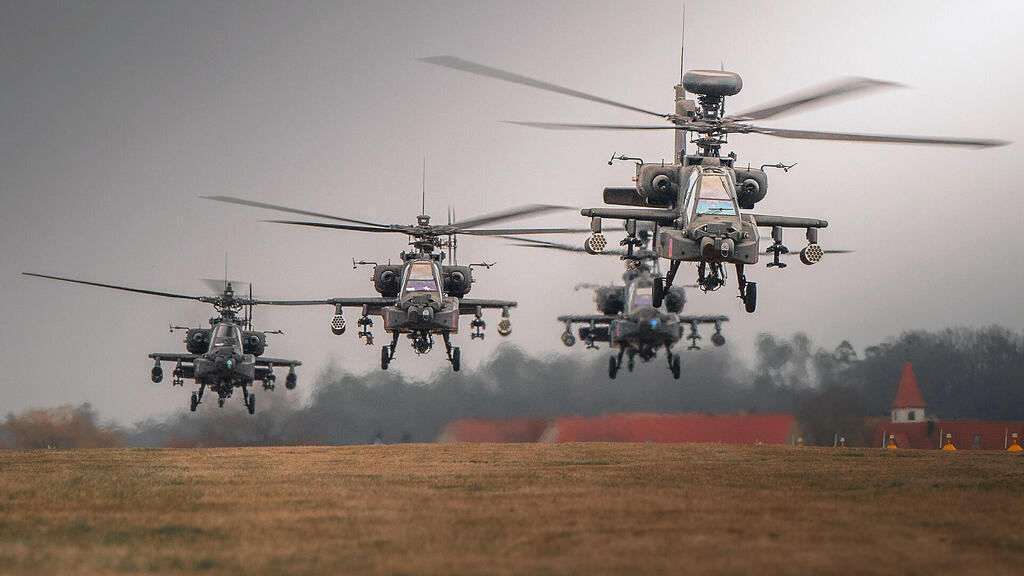
What can the attack helicopter do better than others?
(Photo: US army)
Israeli Air Force Apache crews killed hundreds of militants that day—many targets relayed by ground defenders, others identified by the helicopters themselves. Ironically, before that morning, the IAF was planning to downsize its attack helicopter fleet. Had the attack occurred in 2025, more than half the Apaches would have already been retired—possibly worsening the disaster.
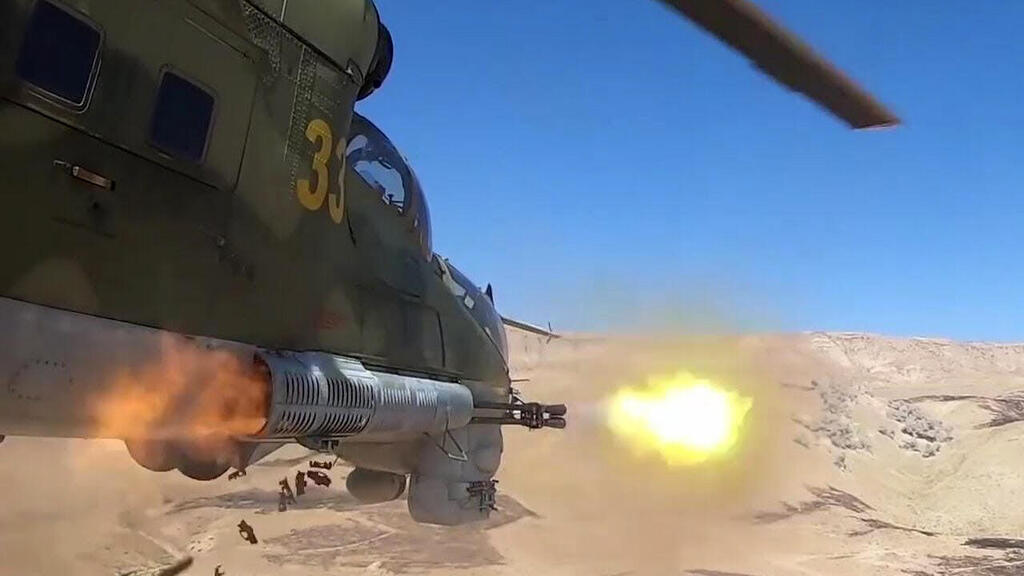
Russian Mi-24 helicopter fires its twin 30 mm cannon
(Photo: mil.ru)
Too soon for museums
While their original tank-hunting mission has waned, and many close-support tasks can indeed be performed more cheaply and efficiently by drones or precision artillery, attack helicopters still have unique roles. Special operations, rapid-reaction scenarios, and urban battles continue to demand their flexibility and human judgment.
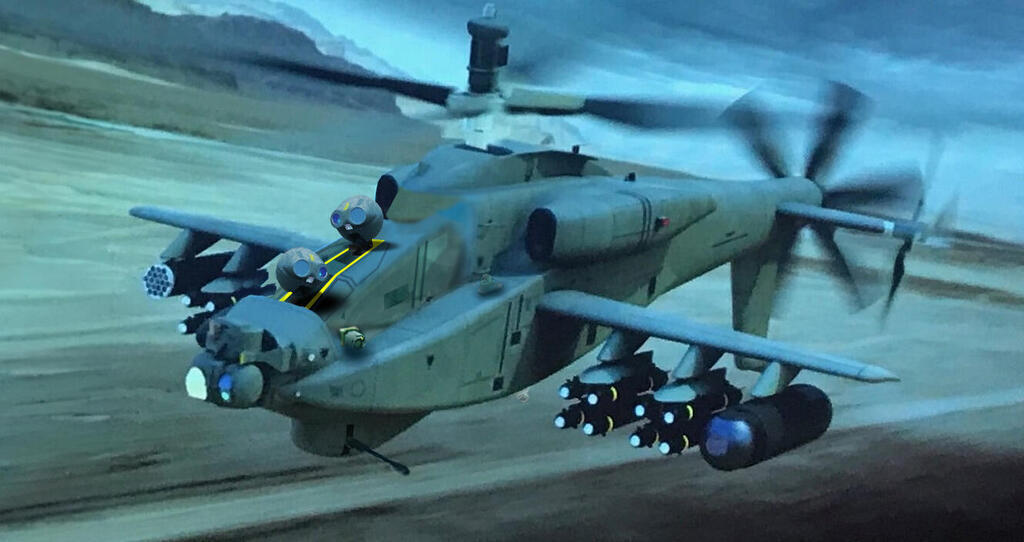
A robotic Apache? Why not
(Photo: Boeing, generated with AI)
Some researchers predict the helicopter’s days are numbered. But until drones can hover, maneuver low and slow, and wield cannons with human-like adaptability, Apaches and their peers will remain indispensable.
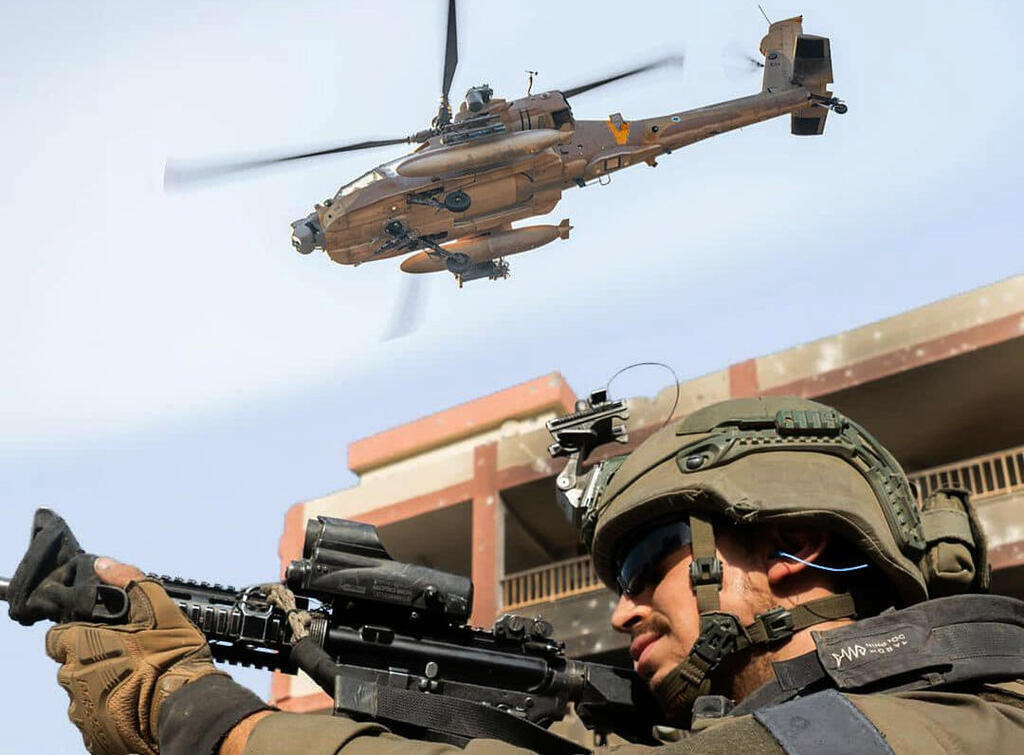
Israeli Apache supports troops in Gaza
(Photo: Israeli Air Force)
The IDF seems to have reached the same conclusion. Despite advances in drones, Israel has decided to buy more Apaches rather than retire its fleet. One day, these helicopters will sit in museums, their glory stories told to new generations. But for now, they are still needed on the frontlines.