

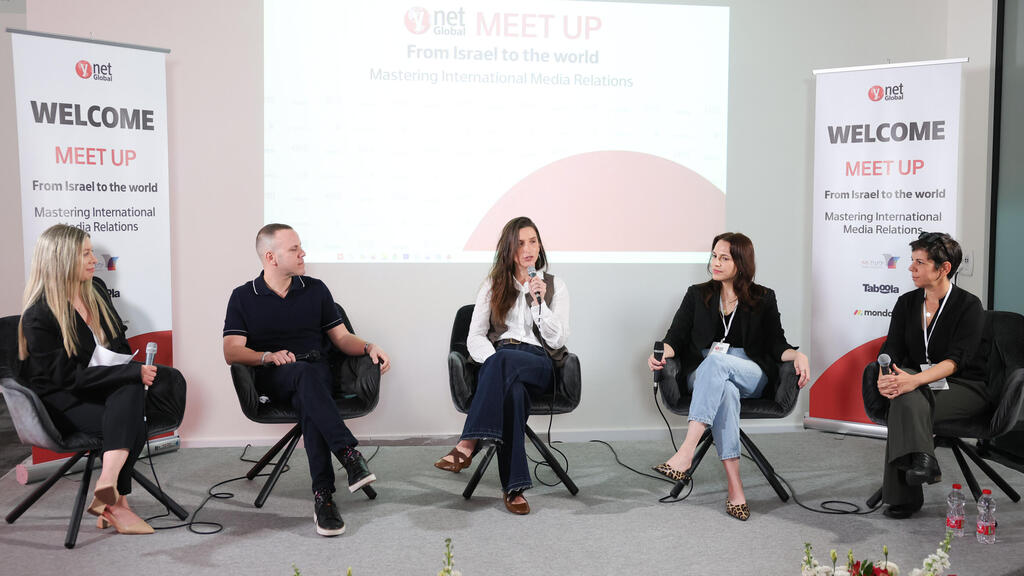
Artificial intelligence is redrawing the lines of capital, marketing and brand trust. But the ultimate differentiator, industry leaders say, remains human. That was the central takeaway from a ynet Global panel moderated by journalist and presenter Alexandra Lukash, who brought together Asaf Azulay, partner and chief marketing officer at Team8; Dana Raz, head of startup and venture capital activity at TikTok Israel; marketing consultant Dana Zax; and Hilla Bakshi, founder of the HaMeetupistiot community for women in high tech.
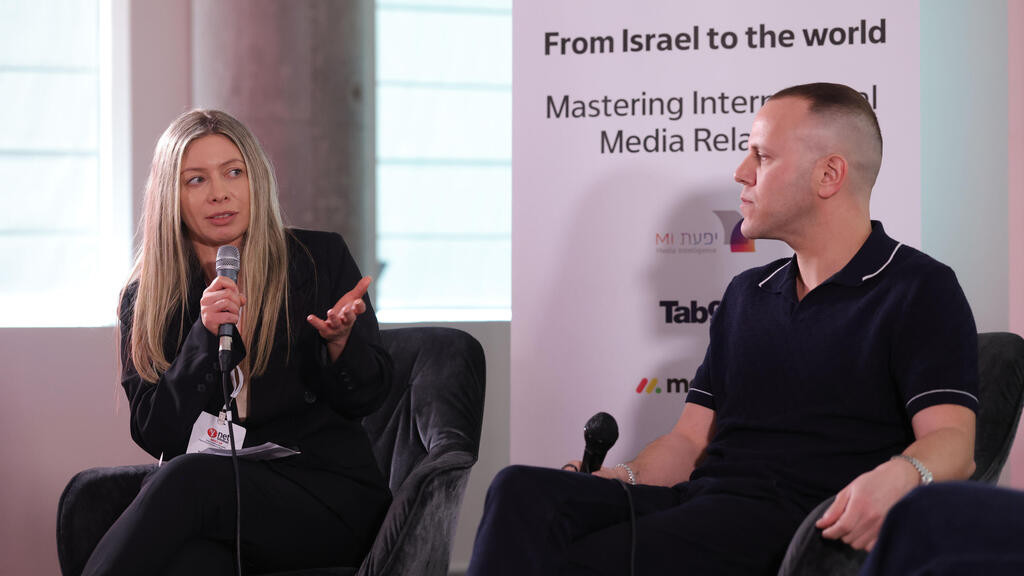
Their shared message was clear: in a flattened attention economy, Israeli innovation must translate not only language but also cultural nuance, platform behavior and emotion.
From Startup Nation to global relevance
If Israeli innovation is a familiar brand, turning it into global relevance is no longer a given. That was the premise Alexandra Lukash posed as she opened a panel on innovation, technology and marketing: “Israel and innovation are almost synonymous,” she said. “But how do you translate that innovation, that Startup Nation mentality, from ‘Israeli,’ which isn’t even Hebrew but a language of its own, to a global audience?”
The answers, panelists argued, are being rewritten in real time by two forces: artificial intelligence and social platforms that have turned marketing into a constant, public conversation.

ynet studio anchor Alexandra Lukash
(Photo: Oz Moalem)
‘Almost perfect chaos’ in venture and marketing
Azulay described the current venture and marketing environment as a period of “almost perfect chaos.” While AI dominates headlines, he said, the industry has yet to fully internalize the scale of its impact on marketing and investment decisions. The result, he argued, is a shrinking funnel. Capital is concentrating in fewer companies, and the threshold for differentiation is rising. “Investors are looking for the very best founders and the strongest funds,” Azulay said. “It’s harder to raise money today if you’re not truly innovative.”
At Team8, he said, AI is embedded in company building from day one, including market prediction. The firm uses AI models to anticipate how future customers, including enterprise decision makers such as chief security officers, will think and buy. But the objective is not the model itself. “At the end of the day, you’re building a story, not just a company,” he said.
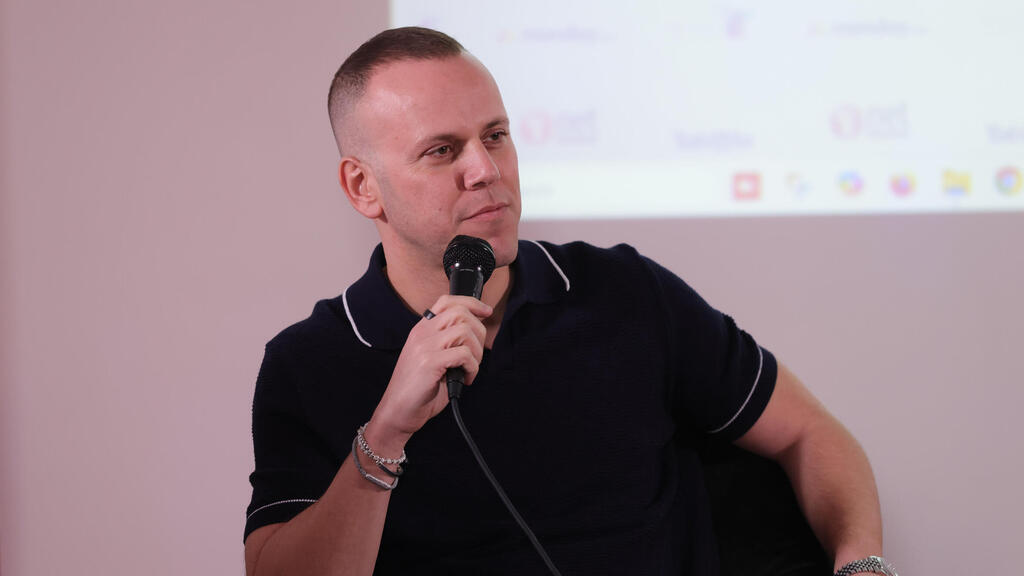
Asaf Azulay, partner and CMO at Team8
(Photo: Oz Mualem)
Audience first, product second
Raz said the shift is equally visible in marketing strategy. Where companies once built products and then searched for audiences, the order has reversed. “You have to understand your audience first,” she said. On platforms such as TikTok, the conversations that brands once paid research firms to uncover are happening publicly and in real time. “Look at it like a focus group,” Raz told founders. “There’s authentic conversation from the bottom up.”
At the same time, she warned that differentiation has become more difficult because users have become more sophisticated filters. Audiences recognize inauthenticity instantly and do not want to be interrupted. The new requirement is integration: show up in a way that aligns with the user’s experience and timing, and deliver value before asking for anything in return.
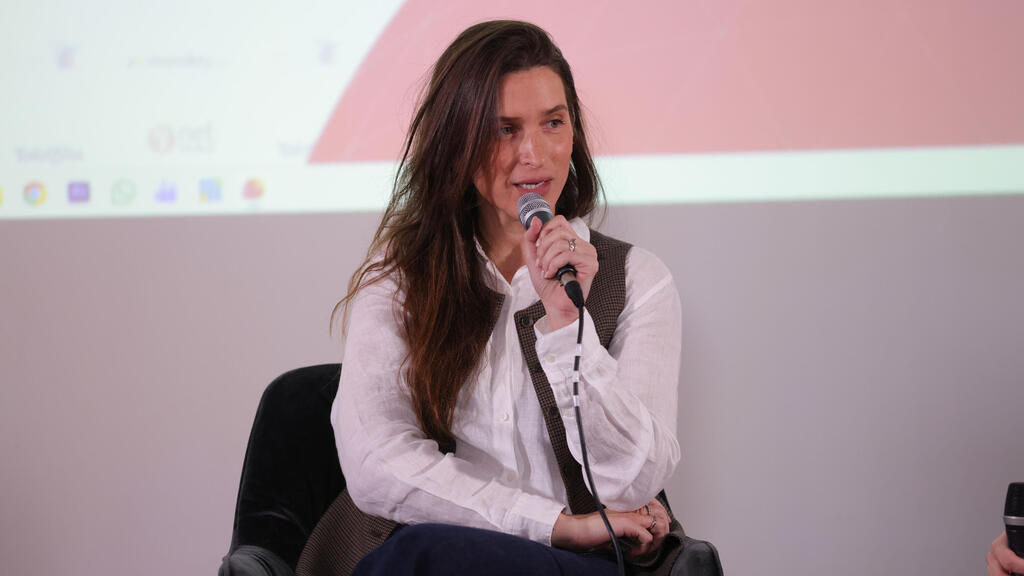
Dana Raz, Acquisition and VC's Lead at TikTok Israel
(Photo: Oz Mualem)
Her metric of the moment is attention, not clicks. “Today, attention has become a currency more valuable than another click,” she said, describing it as part of a broader shift in consumer behavior.
The cultural trapdoor
Zax argued that Israeli brands now operate in a borderless media environment where competition is no longer defined by category. “The world is flat,” she said. “Brands aren’t competing only with other brands anymore. They’re competing with every content creator.”
For many companies, she said, “global” still means hiring a native English speaker with strong writing skills. But that approach overlooks the deeper requirement: understanding the cultural language of each platform, including trends, pop culture, pacing and the small details that signal credibility.
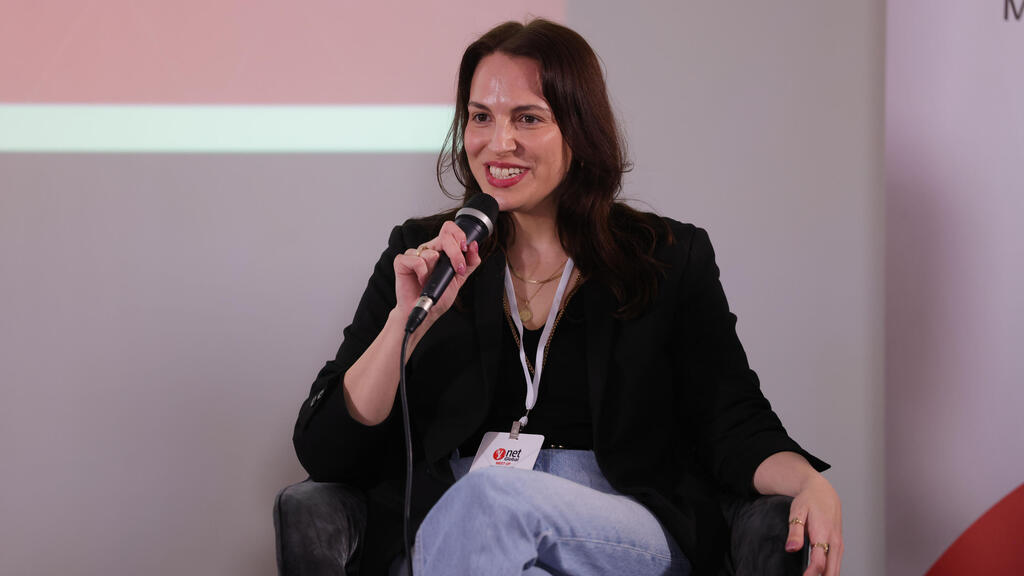
Marketing consultant Dana Zax
(Photo: Oz Mualem)
She cited a collaboration between the Jerusalem-based company Lightricks and global creator Charli D’Amelio. The creative concept was strong, she said, but the final execution included a small formatting mistake: the dollar sign appeared on the wrong side of the number. “For an American audience, that immediately signals you don’t understand them,” she said. Global storytelling, she argued, succeeds or fails on local fluency.
Community as trust infrastructure
Bakshi framed the translation challenge in human terms. “We’re people, not products,” she said, arguing that emotion, not slogans, remains the fastest way to connect across borders. Writing primarily on LinkedIn, she said she reaches diverse audiences by addressing shared pain points, including the experience many women have of being “the only one in the room,” a dynamic she described as global rather than uniquely Israeli.
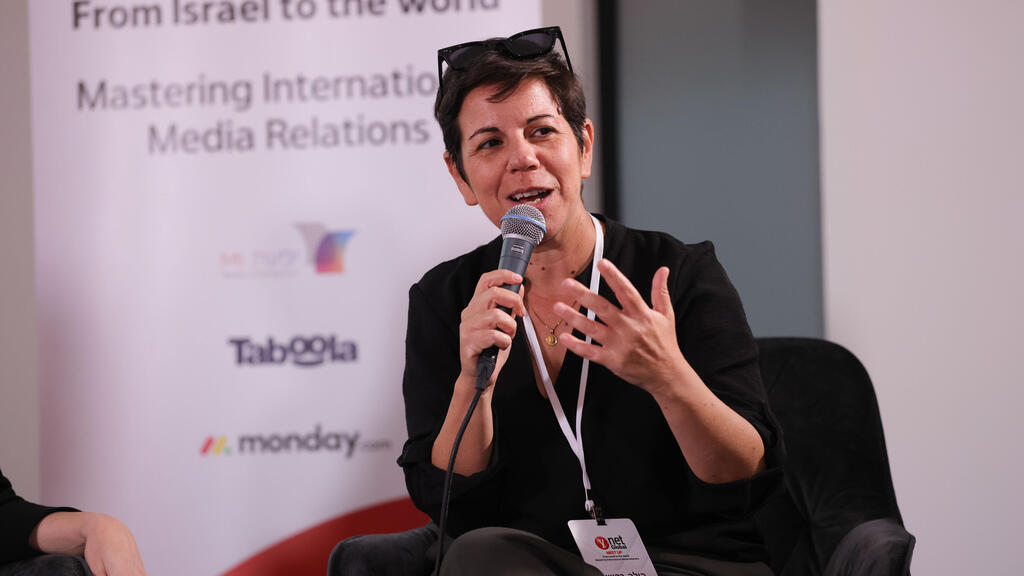
Hilla Bakshi, founder of the HaMeetupistiot community for women in high tech
(Photo: Oz Mualem)
She also positioned community as a marketing channel built on trust. Within her own network, she does not promote anything she has not personally tried. “If I sell something I can’t stand behind 100 percent, it simply won’t sell,” she said. Trust, she argued, is the foundation of every conversion.
B2B is still human
Asked about the difference between marketing legacy brands and early stage startups, Azulay said the emotional mechanics are the same. B2B may sound technical, he said, but on the other end is still a person. A chief security officer, for example, may be sitting at home, “alone at the top,” responsible for preventing a breach. Founders, he argued, must move beyond the idea that marketing is a quick launch moment. “Marketing isn’t just digital and leads,” he said. “You build a story, you build a company.” He also noted a countertrend in a feed-saturated era: renewed interest in physical conferences, tangible experiences and even print-style formats, as audiences seek alternatives to endless scrolling.
AI as tool and risk
The panel returned to AI with a note of caution. The same tools that enable scale can also dilute brand identity. Zax described AI as essential, warning that professionals who fail to learn how to use it effectively will fall behind. But she cautioned against what she called “AI slop,” generic content that appears interchangeable and erodes trust. Her framework for maintaining credibility in an AI-driven landscape was straightforward:
An always-on approach rather than reliance on a single campaign moment.
Platform-native execution, avoiding clumsy visuals or mismatched design elements that signal inauthenticity.
Culture-native behavior that fits the conversation, rather than forcing relevance.
A brand-native voice that remains recognizable even without a logo. “If you remove the logo and nobody can tell it’s you, you don’t have a brand,” she said.
The underlying message was unmistakable. AI can accelerate everything, including mistakes.
Translating behavior, not just language
What began as a question about translating “Israeliness” to the world ended as a broader discipline. In a flattened attention economy, Israeli innovation will travel globally only if it translates three things at once: audience needs, platform language and cultural signals that convey understanding. Even in an era of predictive algorithms and commerce embedded inside social feeds, the conclusion was decidedly human. People do not buy technology. They buy meaning, trust and story.