

In an apparent acknowledgment that it has struggled to compete with Google and Meta in the personal chatbot market, the Redmond tech giant has announced that it is merging the two versions of Copilot into a single product aimed exclusively at business customers. The decision appears to reflect the enormous infrastructure costs of serving individual users compared with a $30-a-month enterprise subscription, as well as Microsoft’s mixed record with consumer-facing personal assistants.
For two years, Microsoft tried to convince the global technology market that it could reinvent itself. After decades of being seen primarily as a provider of office and enterprise software, the company sought to position Copilot as a versatile personal assistant — a kind of digital companion that would engage users in casual conversation, help them study and produce personalized podcasts.
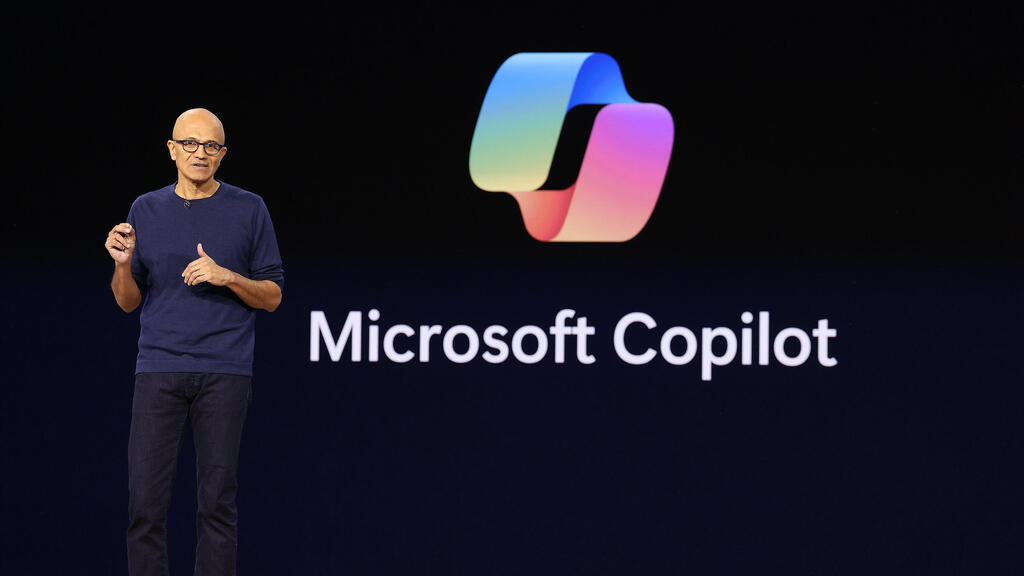
Now comes a shift in strategy. The company has announced that it is eliminating the distinction between the consumer and business versions and merging them into a single enterprise product, a move that in practical terms signals a significant retreat from the battle for individual users in favor of a stronger focus on the business sector.
Microsoft bets on the enterprise market
According to Bloomberg, at a closed-door event in Seattle attended by senior industry executives, company officials presented the results of a process that has been underway for about six months. As part of the overhaul, the personal assistant has been folded into Microsoft’s workplace ecosystem, leaving behind many of its consumer-oriented features.
Animated features that displayed a talking avatar during conversations have been removed, while ambitions to provide personal assistance in areas such as health and leisure have been refocused on productivity.
In their place, the system now allows users to edit Word documents and Excel spreadsheets directly through the assistant interface, alongside automation tools and enterprise coding capabilities. The Scout workplace bot has been rebranded as Autopilot and will operate as an autonomous background assistant within corporate communications platforms.
Microsoft’s history with personal assistants has often been marked by a gap between its ambitions and the practical value users ultimately found in the products. In the late 1990s, there was Clippy, the animated paperclip in the Office suite that became widely mocked for its intrusive and often unhelpful interventions while users worked on documents.
Copilot
(Photo: Koshiro K / Shutterstock)
A decade and a half later, the company launched Cortana in an attempt to compete with Apple’s Siri and Amazon’s Alexa. Despite substantial investment, Cortana failed to gain significant consumer traction, lost ground on smartphones and was eventually discontinued and removed from Microsoft’s operating systems.
The appointment of Mustafa Suleyman, a co-founder of Google’s DeepMind lab, to lead Microsoft’s consumer division was intended to break that pattern. But the company appears to have struggled to persuade consumers to make Copilot part of their everyday personal routines.
There was another problem: Compared with rivals such as Gemini or the new Siri, Copilot often offered limited practical control over Windows itself. If users wanted to change a setting or reorganize files, the assistant frequently provided instructions rather than carrying out the action directly.
As a Claude or ChatGPT-style chatbot, it also struggled to match the polish and usefulness of leading competitors. In short, it was a product that failed to generate the level of consumer interest Microsoft had hoped for.
Competition takes its toll
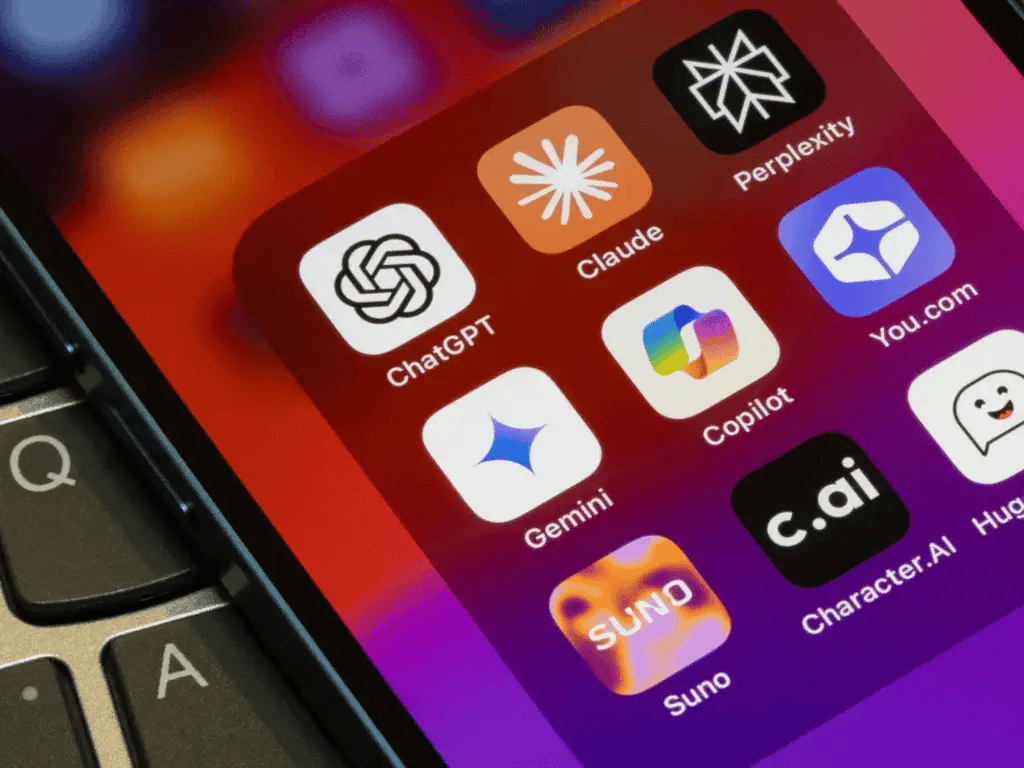
Microsoft’s difficulties become clearer against the backdrop of the global competitive landscape. OpenAI’s ChatGPT continues to hold a leading position among individual users and has become a default chatbot for many people.
At the same time, Google benefits from its control of the Android ecosystem, allowing it to make Gemini directly available on billions of mobile devices without requiring users to install dedicated apps. Meta, meanwhile, recently unveiled Muse, an AI assistant that quickly climbed the U.S. download charts, helped by its integration with the company’s social networks.
In Europe, stringent regulation under the AI Act can make it more difficult for U.S. companies to deploy highly personalized models based on private user data. In Asian markets, led by China, local models such as those developed by Baidu and Alibaba benefit from government support and deep integration into everyday services.
In this crowded environment, Microsoft has had a stronger position on the PC desktop and in workplace software than in consumer mobile ecosystems. Copilot might have been more compelling to some users had it been able to take more direct action inside Windows, but that capability remained limited.
(Photo: Getty Images)
Beyond branding and interface considerations, however, there is also a clear financial logic behind the retreat. Running large language models requires enormous computing power, server farms packed with specialized graphics processors and significant energy and water consumption.
Providing such services for free, or in exchange for relatively modest subscription fees from individual consumers, can create substantial ongoing costs and a business model that is harder to justify than enterprise subscriptions.
The enterprise sector, by contrast, offers a clearer and potentially more stable path to profitability. Businesses are willing to pay a fixed premium of about $30 per employee per month for AI-enhanced Office packages in the expectation that they will save working hours, speed up document drafting and summarize meetings.
With an existing base of about 90 million paying M365 subscribers and more than 30 million licenses already sold for its enterprise Copilot, Microsoft appears to see less reason to subsidize consumer chat services.
Focusing on the workplace returns Microsoft to one of its traditional areas of strength, while leaving more of the costly battle for consumer attention to rivals.
First published: 20:50, 09.28.26