

“A lot of adrenaline and excitement,” is how participants described the atmosphere as Israel’s high-tech ecosystem once again moved from screens and servers to the chessboard in the Tech Gambit 2026 championship.
A record 92 technology companies and more than 350 players took part in the event this year, marking the fifth consecutive edition of the Israeli high-tech chess league, which has grown into a major corporate and community gathering within the sector.
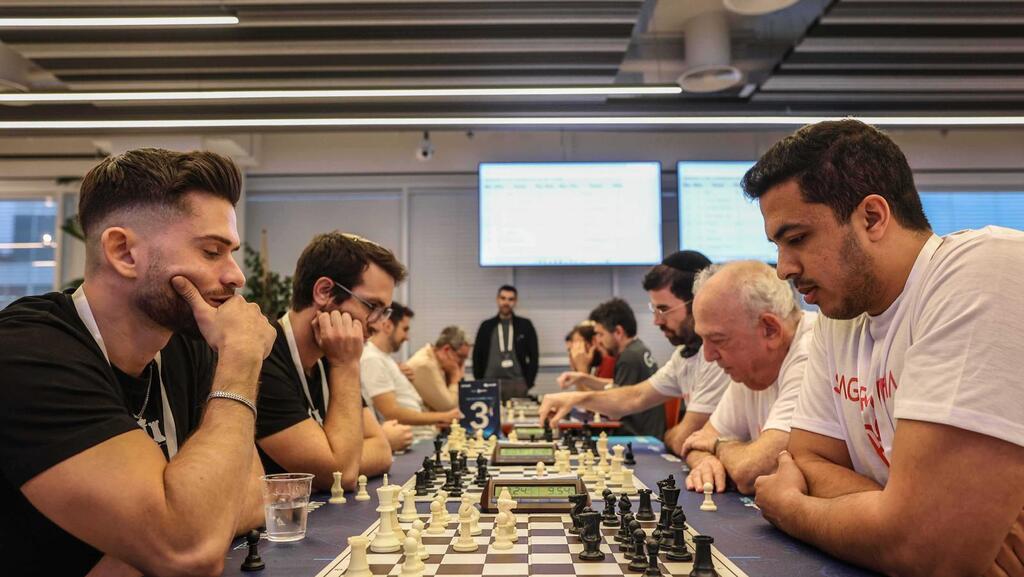
The tournament concluded with a tense final held at the offices of fintech company Intuit, with cybersecurity firm Zscaler serving as co-sponsor of the event.
Apple retained its championship title for a second consecutive year, finishing ahead of Matrix in second place and Nvidia in third, in a competition that brought together some of the biggest names in global technology.
The tournament was founded by international chess master Alon Mindlin, who recently gained attention after defeating former world chess champion Magnus Carlsen in an online game. Mindlin is the founder of TechMate, a chess initiative within Israel’s high-tech sector that has developed into a broad community of thousands of participants.
Mindlin said the idea behind the project stemmed from identifying deep structural similarities between chess and the tech industry.
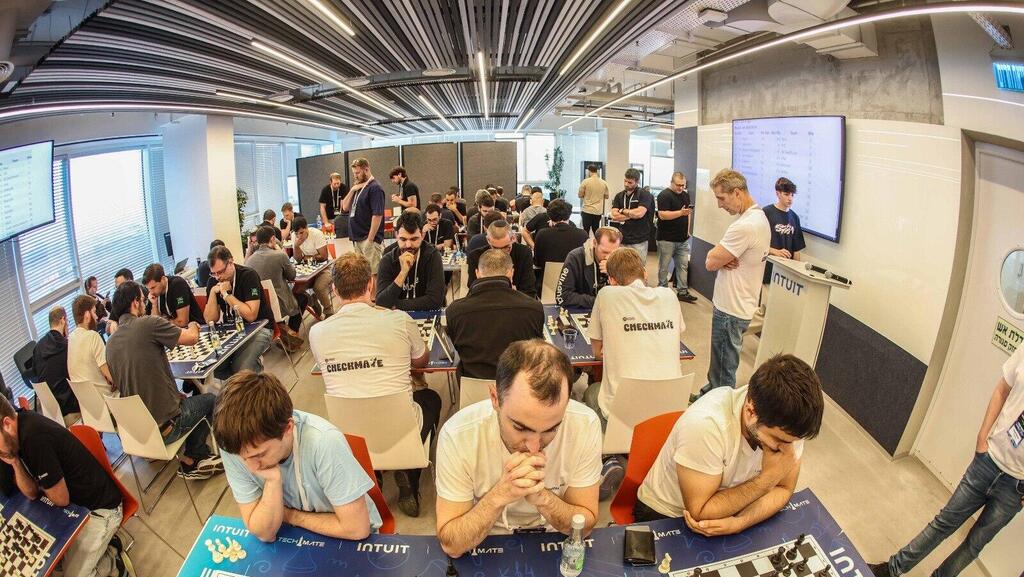
(Photo: Mark Livshitz)
“I’m one of the leading chess players in Israel, and a few years ago I realized there’s a strong overlap between chess and high-tech — the ability to plan ahead, execute under time pressure, and think creatively,” he said. “We built a platform connecting companies through tournaments, courses and events, and eventually expanded into a large competitive championship.”
He added that what began as a recreational idea has evolved into a full ecosystem event that blends competition, networking and corporate culture.
Participants said the appeal of the tournament lies in both the competitive intensity and the cognitive parallels between chess and engineering work.
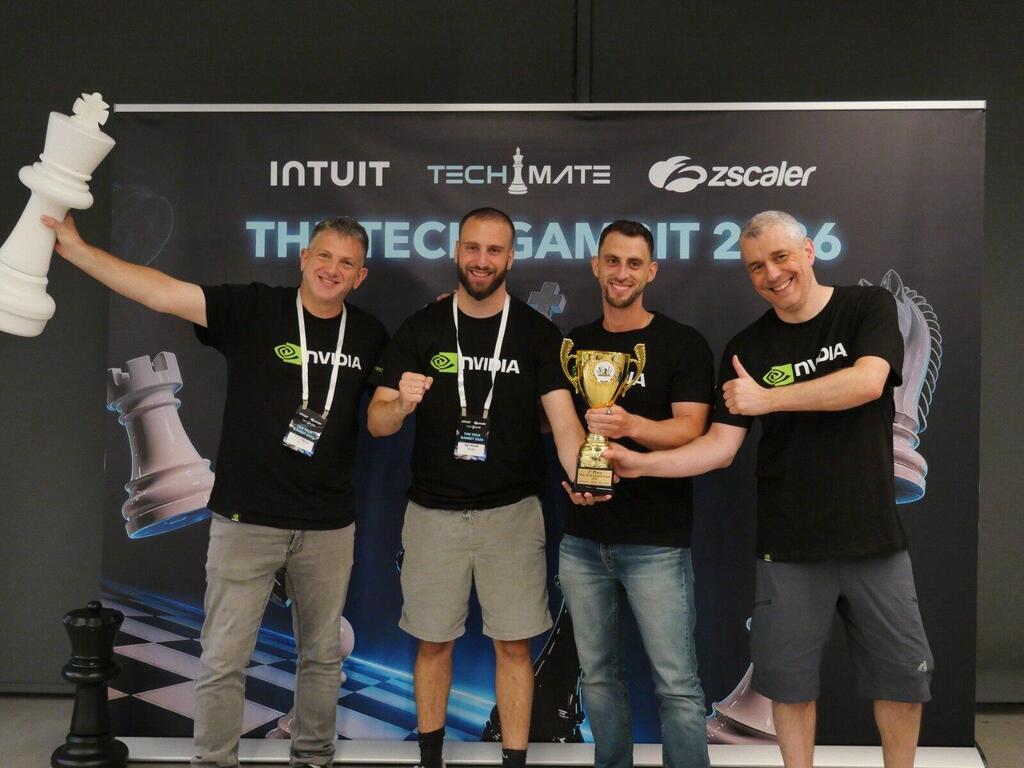
Team Nvidia
(Photo: Yuval Kalir)
“There’s a lot of love for the game,” said Alon Hefner, a hardware engineer at Nvidia. “We see many similarities between high-tech and chess — planning ahead, working under pressure, and structured thinking.”
Moshe Friedland, an employee at SentinelOne who has participated since the early editions, said engagement within companies has increased significantly over the years.
“We’re seeing a real rise in interest,” he said. “More employees want to compete seriously, not just play casually on their phones or online platforms.”
The event also drew attention from executives and sponsors involved in the global chess and technology ecosystem. Uri Greenbaum, CEO of TipRanks, noted the growing commercial and media reach of elite chess.
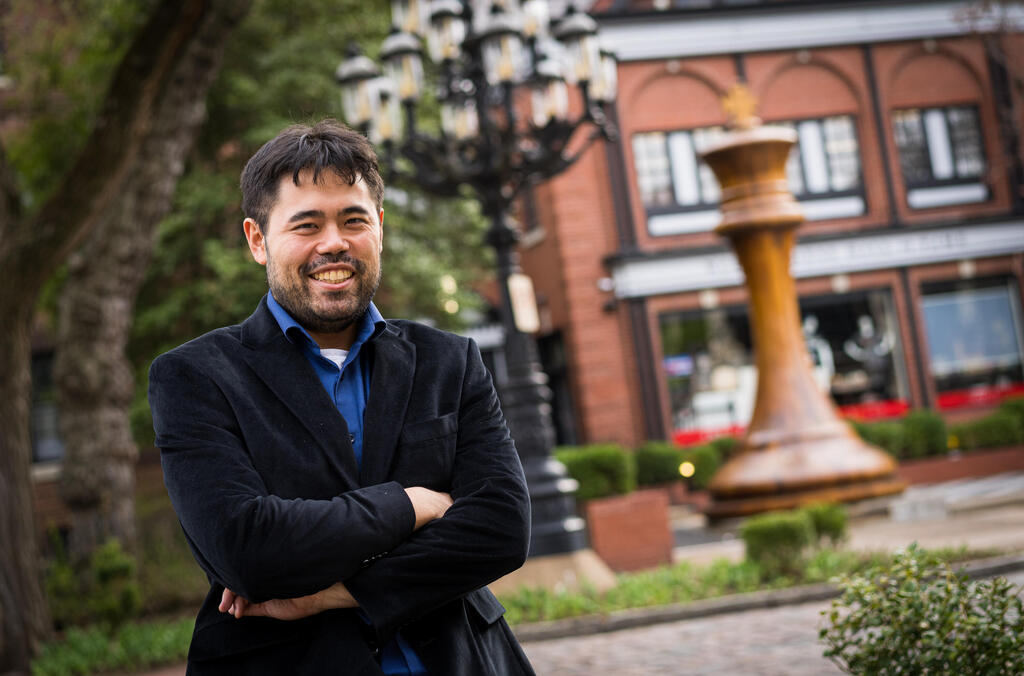
Hikaru Nakamura
(Photo: Business Wire)
“When Hikaru Nakamura uploads a chess video, it gets millions of views — similar engagement levels to top global sports figures,” he said. “It’s a massive, growing audience, and we’re seeing it firsthand.”
Greenbaum also highlighted his company’s sponsorship of Nakamura, one of the world’s top-ranked chess grandmasters and a five-time U.S. champion.
The competition also featured symbolic moments of convergence between tech giants, with Apple, Nvidia and Intel employees competing directly against each other on the board.
Mindlin said the tournament has evolved beyond sport into a central meeting point for Israel’s high-tech ecosystem.
“What started as a fun initiative is now a major networking event,” he said. “You have CEOs, engineers, investors and entire companies coming together around strategy and competition. It strengthens both chess culture and the tech community.”
Executives added that beyond competition, the event reflects a broader cultural dynamic within the industry — where analytical thinking, speed and creativity intersect both in engineering and on the chessboard.
One participant summed up the atmosphere simply: “It’s the same brain — just a different board.”
First published: 13:34, 06.25.26