

Meta CEO and founder Mark Zuckerberg is expected to testify Wednesday in Los Angeles in an unprecedented trial that is set to determine whether Meta’s social media platforms — including Instagram, Facebook and WhatsApp — as well as Google’s YouTube, are addictive and deliberately harm children.
If they lose, Meta and the other technology companies could be required to pay massive damages and change the way their platforms are designed, potentially leading to significant financial losses.
Young woman who says she became addicted now suing
The lawsuit was filed by a 20-year-old woman identified only by her initials, KGM. She alleges that her childhood use of social media led to technology addiction and worsened her depression and suicidal thoughts. The suit originally also named China-based ByteDance, the developer of TikTok, and Snap, the maker of Snapchat, but according to reports both companies reached settlements with KGM before the trial began.
Last November, Meta and Google asked the Los Angeles County Superior Court to dismiss the case, arguing that under U.S. law they are shielded from liability for third-party content posted on social media or websites. The court ruled against them, allowing the case to proceed.
The lawsuit carries potentially far-reaching implications. The outcome of what has been described as a leading test case could influence how thousands of similar claims against social media companies are handled. At the same time, the European Union is considering imposing age restrictions on Meta, Google and other major social media platforms in an effort to protect children from harmful online content.

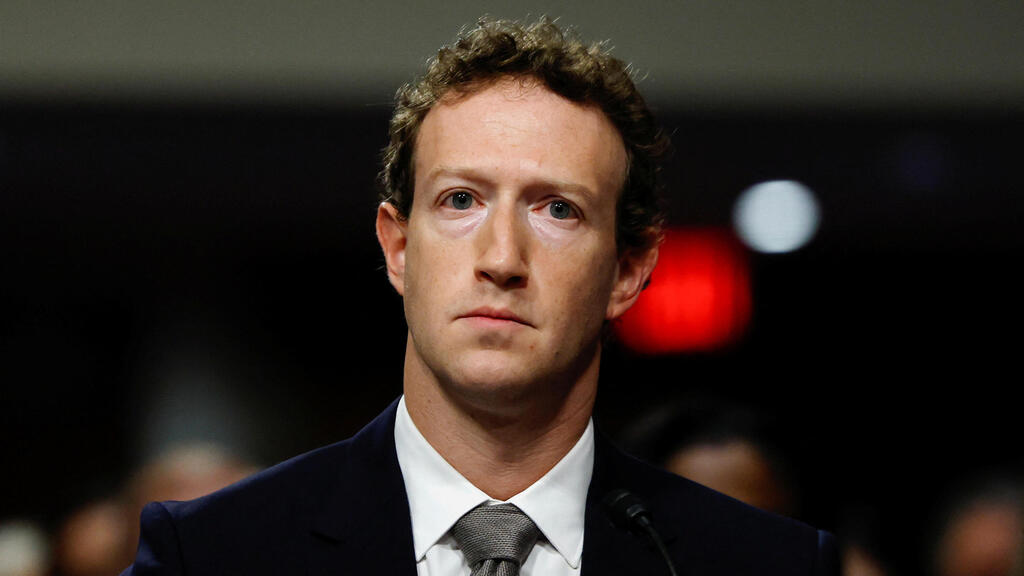
(Photo: Getty Images)
Zuckerberg has previously testified in similar proceedings, spoken extensively on the issue and appeared at congressional hearings regarding the risks posed to young people on Meta’s platforms. He has also apologized to families who lost loved ones in tragedies they attribute to exposure to social media. However, this marks the first time Zuckerberg will be required to answer similar questions before a jury. Meta is also facing a separate, similar trial in New Mexico that began last week.
Preexisting depression or harmful addiction?
The complaint alleges, among other things, that the companies used techniques similar to those employed in casinos to make their apps addictive to children in order to boost profits. Meta strongly disputes the claims. “We are confident the evidence will demonstrate our long-standing commitment to supporting teens,” a company spokesperson said.
In his opening statement, one of Meta’s attorneys, Paul Schmidt, said the company does not dispute that KGM experienced mental health challenges but argues that Instagram was not a substantial contributing factor. Along with an attorney representing YouTube, he contended that the young woman turned to social media as a coping mechanism or a way to escape preexisting psychological difficulties.
Just last week, Instagram head Adam Mosseri testified that he disagrees with the notion that people can be clinically addicted to social media. He said Instagram “works hard to protect its users” and added that “it is not good for a company, in the long run, to make decisions that benefit it but harm users’ well-being.” He said it is important that the case help distinguish between clinical addiction and problematic use — “someone who spends more time on Instagram than they feel good about.”
Most of the questions posed to Mosseri by the plaintiff’s attorney, Mark Lanier, focused on Instagram photo filters that can alter users’ appearance. More broadly, the lawsuit also challenges Instagram’s algorithm and other app features that it alleges are designed to attract and stimulate users to the point of addiction.