

In the Middle East, only two nations operate stealth aircraft in combat. One is Israel, whose F-35 fleet—the pride of American aviation—flies bombing runs from Gaza to Yemen and Tehran. The other is Iran, and it’s time to talk about its own stealth fleet.
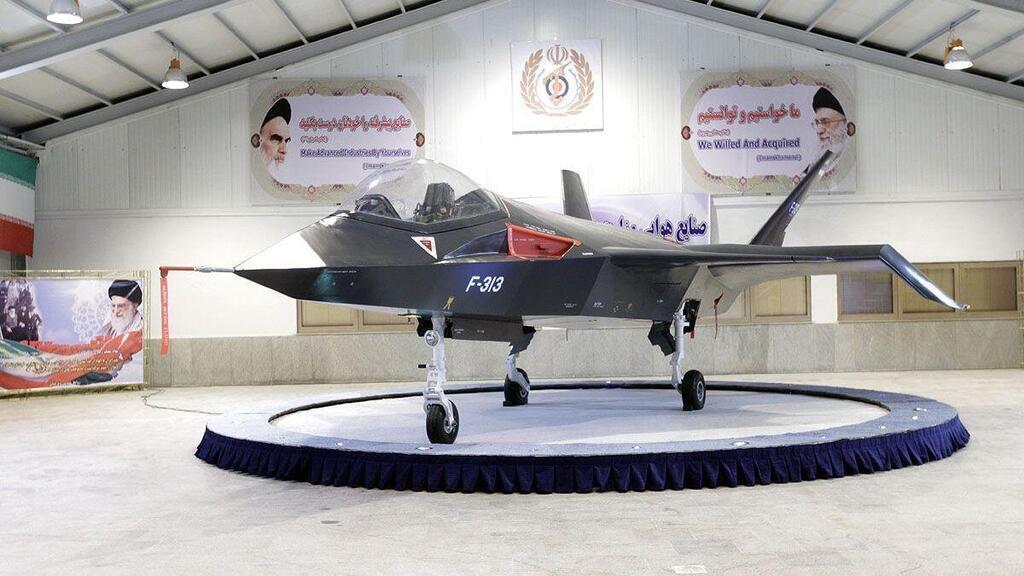
While Tehran’s earlier claims of building “invisible fighter jets” were dismissed as propaganda—one infamous model was later revealed to be made of fiberglass with car stereo screens for instruments—the Islamic Republic now possesses genuine stealth drones that have seen real combat.

How Iran stole stealth
It all began on December 4, 2011, when an American RQ-170 Sentinel stealth drone, flying a test mission over Afghanistan, suddenly veered off course, crossed into Iran, and landed near the Kashmar Air Base.
According to both Iranian and Western intelligence, the Revolutionary Guard (IRGC) jammed the drone’s communications, forcing it to activate its automatic “return to base” protocol. The Iranians then spoofed its GPS signals, guiding it safely into their own territory.
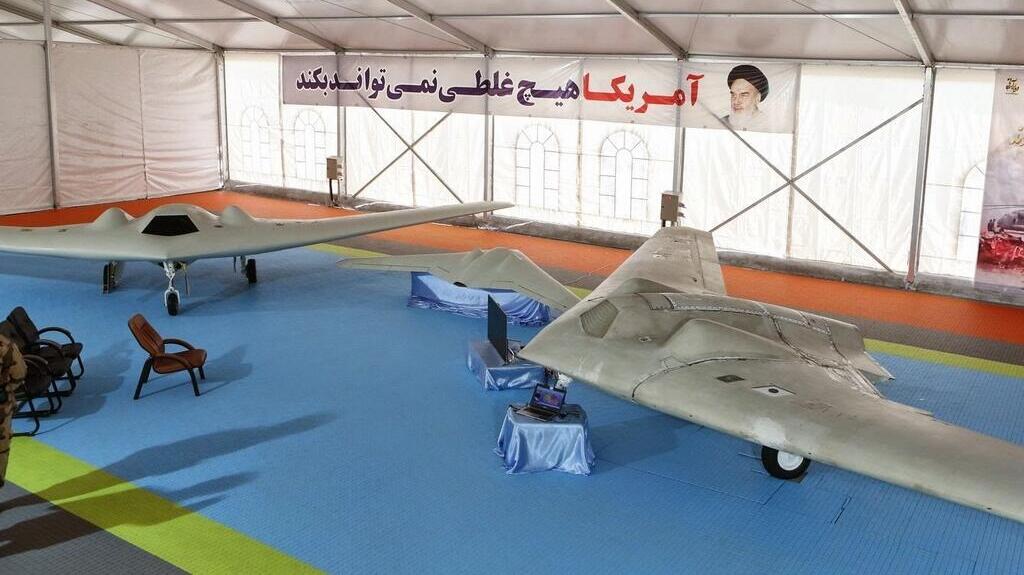
Reverse-engineering is something of a national sport in Iran. The captured Sentinel gave Tehran access to one of America’s most advanced stealth designs—and within a few years, it had its own copy: the Shahed-171 Simorgh, named after a mythical Persian bird.
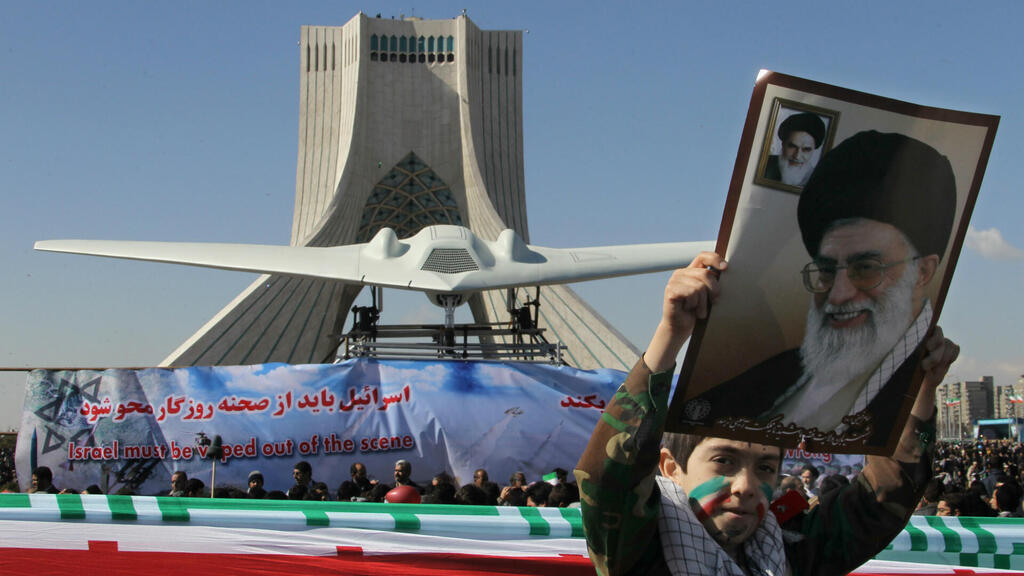
The Shahed-171 is a near-perfect replica of the Sentinel, bolt for bolt. Designed for long-range reconnaissance, it carries a synthetic aperture radar that produces 3D ground images and has a range of roughly 2,200 kilometers, enough to cover the entire Middle East.
From replica to arsenal
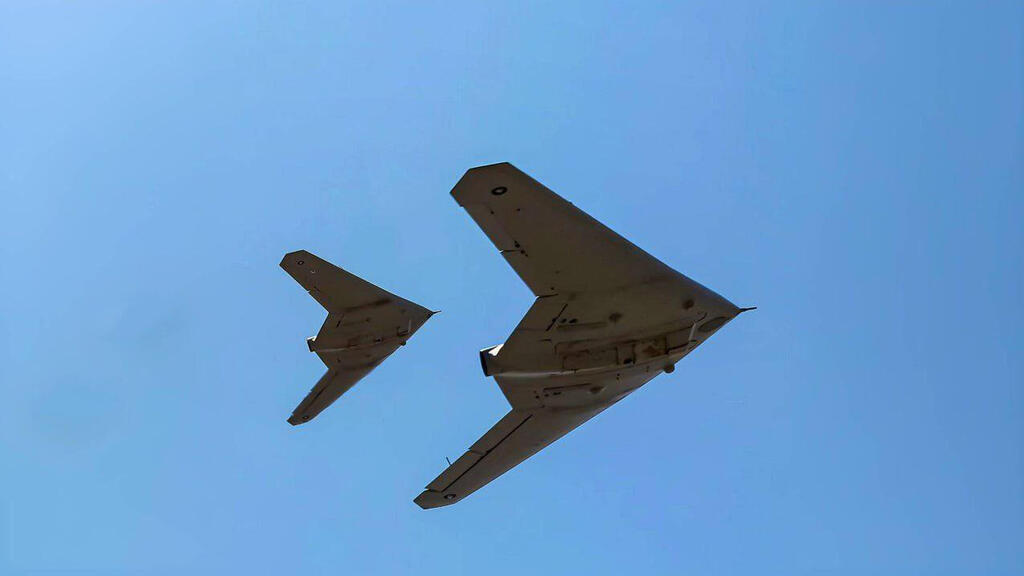
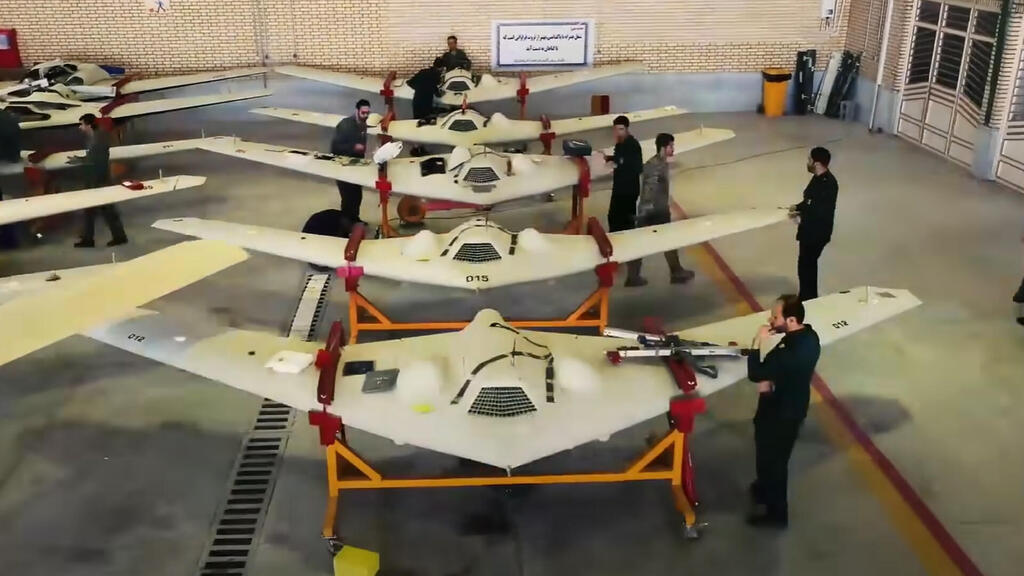
The Simorgh became the foundation for an entire family of stealth drones. Analysts have identified at least five operational variants developed for surveillance, attack, and suicide missions—many now in the hands of Iran’s proxy forces across the region.
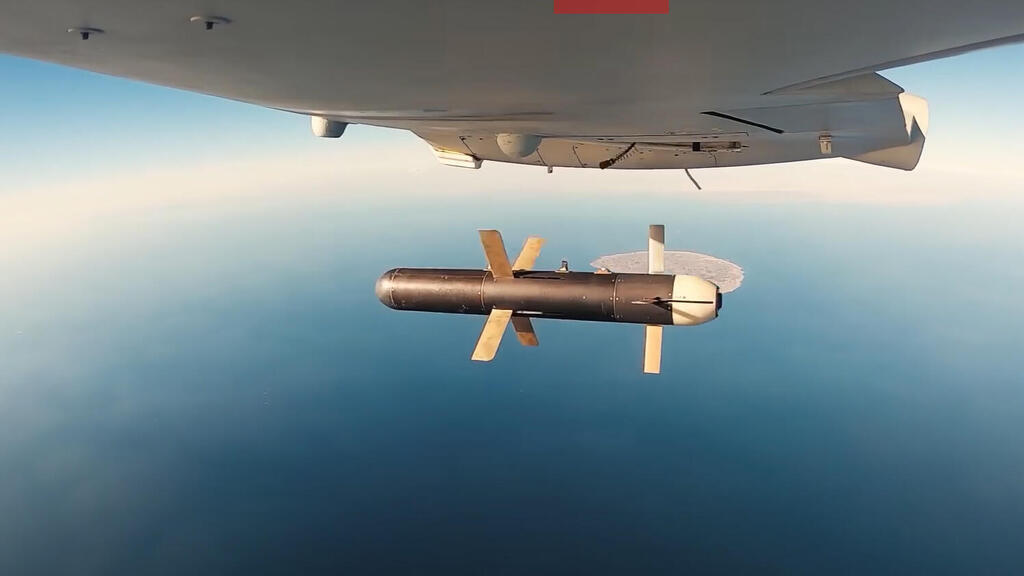
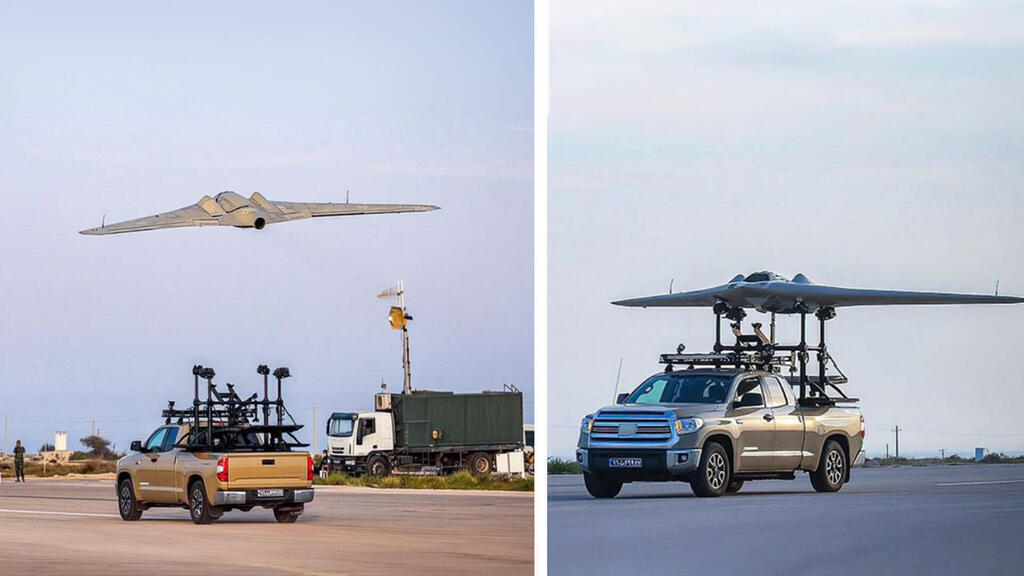
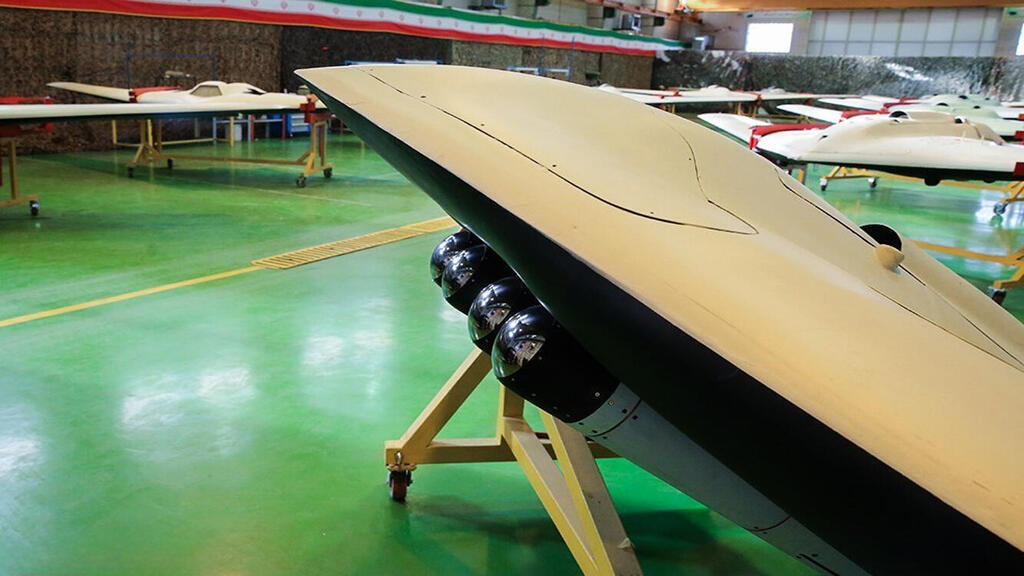
The Shahed-191, the most advanced of the group, carries four guided bombs or glide munitions and is powered by a miniature jet engine based on a Czech design. It can fly about 500 kilometers—enough for cross-border strikes—but must be remotely piloted.
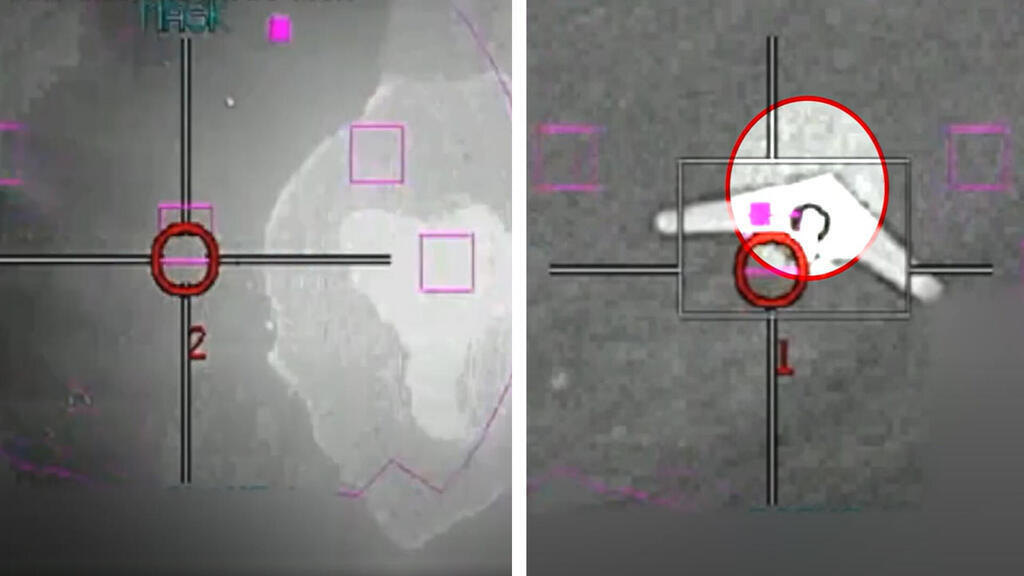
Its twin, the Shahed-181, trades the jet engine for a lighter piston engine, doubling its range for reconnaissance. Two of these drones were shot down by Israeli F-35s in March 2021, marking the stealth fighter’s first confirmed aerial kills.
Recovered wreckage showed they were carrying pistols, magazines, and propaganda materials bound for the West Bank.
Both models share an unusual advantage: they can launch from the back of a pickup truck, requiring no airstrip, and land using retractable skids on any paved road.
The smaller killers
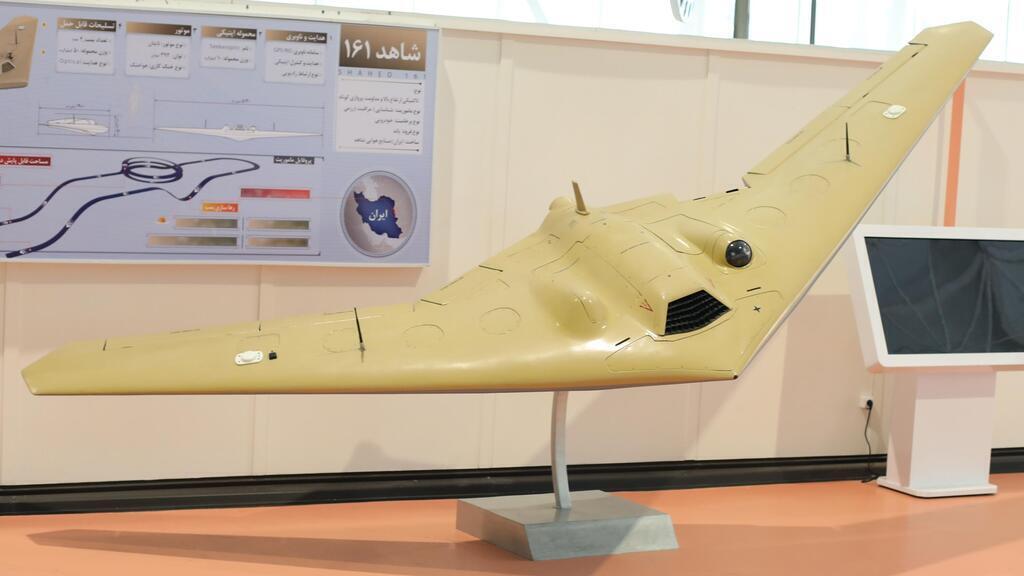
Iran later developed a second, smaller series of stealth drones, scaled down by 60 percent. The Shahed-161 is a jet-powered suicide drone, guided by GPS and an optical sensor capable of homing in on moving targets—ideal for hitting ships or convoys within a 300-kilometer range.
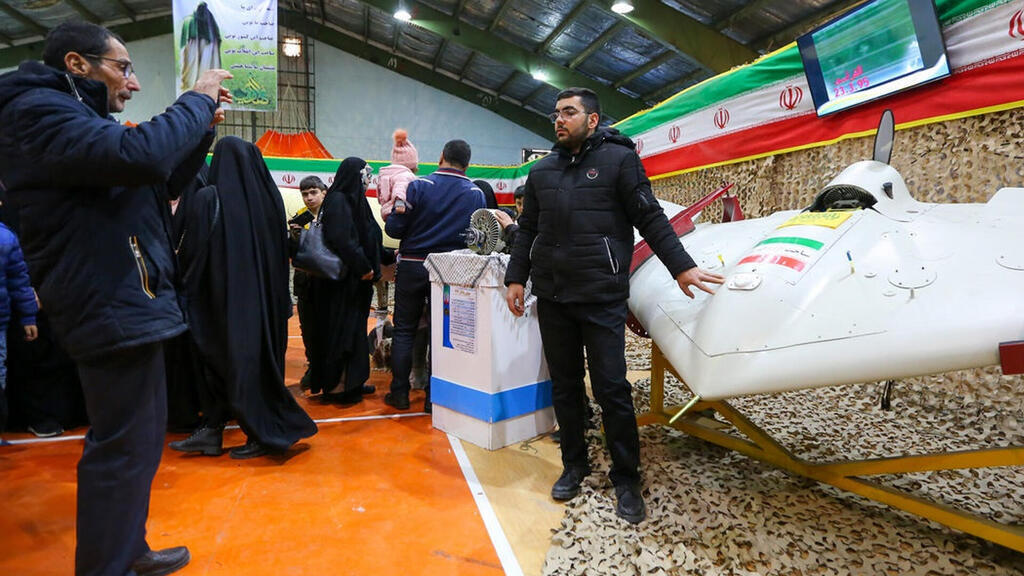
Its sibling, the Shahed-141, serves mainly as a reconnaissance craft but is believed to carry a small explosive payload. One such drone entered Israeli airspace from Syria in February 2018 and was shot down by an Apache helicopter—its wreckage was later displayed by Prime Minister Netanyahu at a security conference in Munich.
Aside from limited use in Syria in 2021, where seven Shahed-191s reportedly targeted ISIS positions, Iran’s stealth drones have rarely appeared in combat.
Why Iran is holding back
Despite years of development, Iranian stealth drones have been notably absent from the ongoing conflict with Israel. Military analyst “The Captain,” who writes on Israeli aviation and defense, offers five possible reasons.
1. Cost: A regular suicide drone costs about $20,000, built from commercial parts and basic materials. A stealth drone, by contrast, requires advanced composites, precision avionics and is built in small numbers. Since 2017, only about 50 Shahed-191s have been produced. For Iran, cheaper drones achieve the same terror effect.
2. Concealment: Frequent use would allow Israel and Western militaries to map their radar signature, neutralizing their advantage. Keeping them grounded preserves their element of surprise for a larger conflict.
3. Intelligence: Many of Iran’s stealth drones are likely used for espionage missions rather than attacks. Sacrificing them in suicide missions would waste valuable reconnaissance assets.
4. Different targets: While Israel can detect and shoot them down, Saudi Arabia and Gulf states may not have the same defensive capability. Tehran could be saving its stealth arsenal for future regional wars.
5. Business: Perhaps most pragmatically, stealth drones are bad for business when they fail. Iran is marketing them abroad—to Russia, India, and other nations seeking cheap, combat-tested stealth tech. A disastrous loss against Israel could scare off customers and cost Tehran millions.
A dangerous balance
For now, Iran’s stealth fleet remains largely in the shadows—tested, refined, and reserved for the moment it’s needed most.
But experts warn that if deployed en masse, these drones could complicate Israel’s air defense systems and stretch its resources across multiple fronts.
13 View gallery
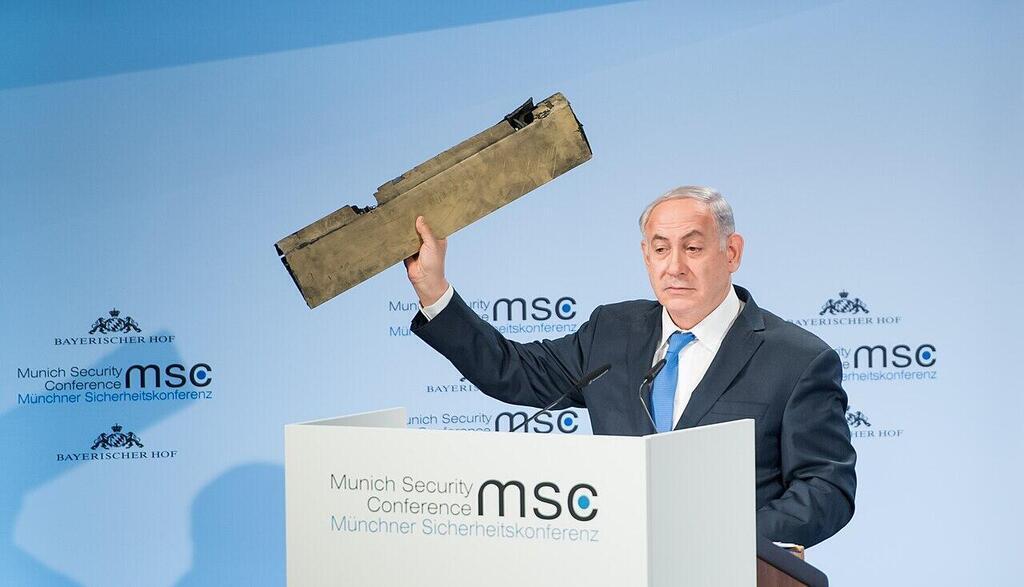
Benjamin Netanyahu holds a piece of the Shahed-141
(Photo: MSC / Preiss CC BY 3.0 DE)
“Luckily, our systems can still detect, intercept, and destroy them before they do real damage. But the threat is real—and growing.”
In the Middle East, stealth has long been Israel’s domain. But in Iran’s underground hangars, a quiet rival is watching, waiting, and learning.