

Passover is approaching, bringing spring and dust with it. One of the toughest household chores is cleaning windows, especially large glass panels. Enter a new generation of robots designed specifically for the task.
Israelis have shown a strong appetite for innovation, and after the success of robot vacuum-mops, some believe window-cleaning robots could be the next hit.
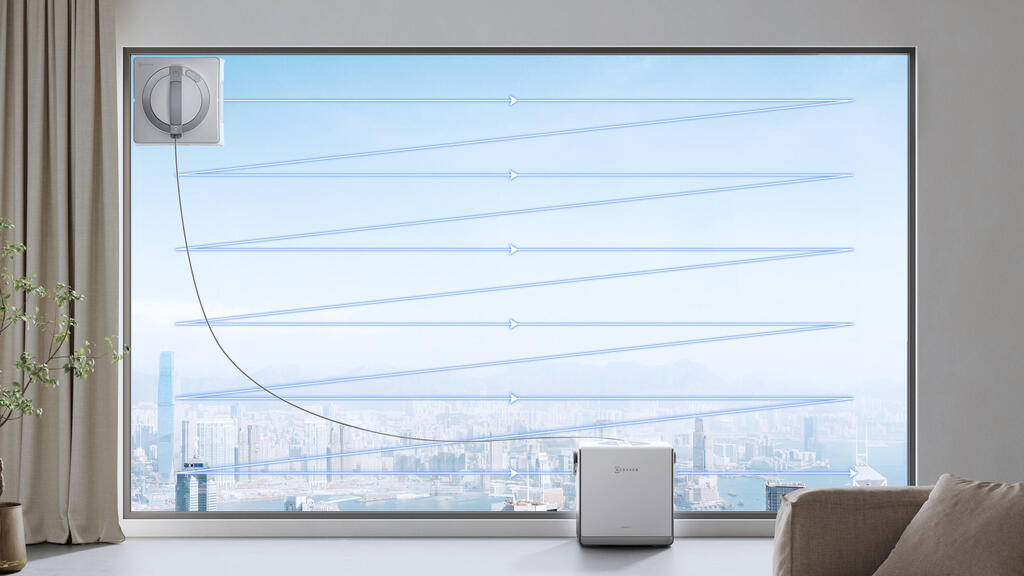
“Recently, several influencers approached me asking for window-cleaning robots for content shoots. When that happens, I know the product has momentum,” said Moshe Eisenberg, vice president of marketing at Ronlight, importer of Ecovacs, the dominant player in Israel and globally in the category.
The market is indeed growing. Sales of window-cleaning robots rose more than 30% in the past year at chains such as KSP. Still, compared with their more popular floor-cleaning counterparts, the category remains niche. Annual sales are estimated at about 150 million shekels, roughly one-fifth of the 750 million shekel floor robot market, according to Ronen Gutman, head of the robotics division at Banda, importer of Hobot, the second major player.
Globally, the market is projected to grow from $584 million in 2025 to $2.2 billion by 2032.
The key question is whether window-cleaning robots can replicate the “life-changing” reputation earned by floor robots. New models showcased at major electronics fairs, including CES in Las Vegas and IFA in Berlin, signal expansion, with more innovation and more competitors entering the field.
Avichai Shechter, vice president of business development at KSP, expects Israeli sales to rise by more than 20% in 2026. “Growth is driven by ease of use and greater consumer accessibility,” he said. “The main drawback is difficulty dealing with very dirty windows, such as after winter, where manual cleaning is still required.”
Price is another barrier. Retail prices approach 3,000 shekels. “How many times a month will I use a window-cleaning robot?” asked one consumer who participated in testing and was pleased with the Ecovacs model’s results but balked at the cost. She noted she had spent even more on a floor-cleaning robot without hesitation because it is used more frequently.
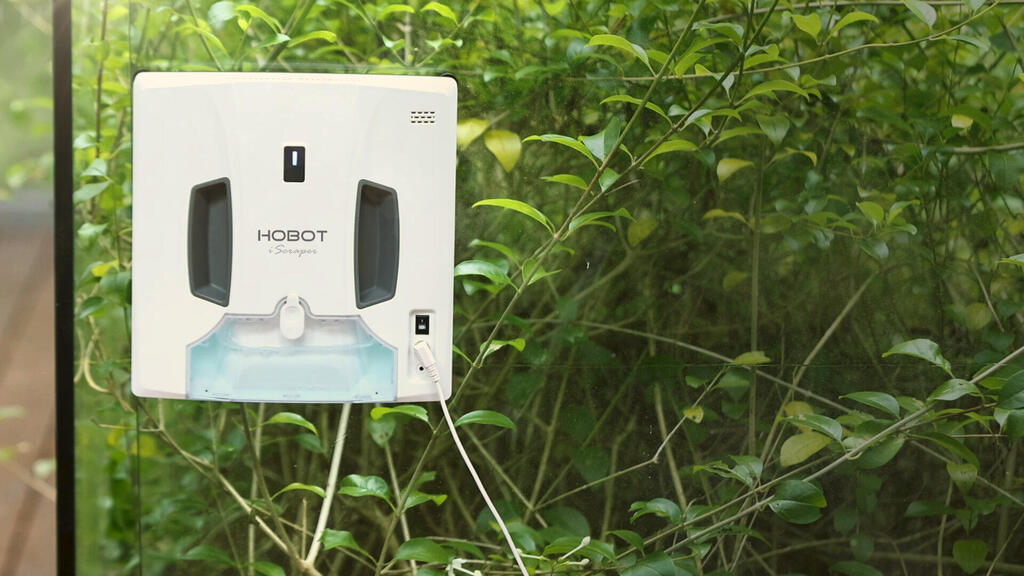
Hobot iScraper 10
Industry sources also cite a relatively high return rate, above the typical 1% to 2% seen in home appliances. Reasons include technological limitations and consumer disappointment over the level of involvement required. Users must often stay nearby to move the robot from pane to pane, even within the same window or glass door.
Unlike floor robots, window robots cannot be started remotely. They must be manually attached to the glass. Most are suitable only for smooth, flat surfaces. On textured glass, uneven surfaces may cause air leaks and stop the device.
Most models also lack self-cleaning features common in floor robots, requiring users to frequently wash and moisten cleaning pads. A breakthrough may be coming: Ronlight plans to introduce the Winbot W3 Omni before Passover, Ecovacs’ first self-cleaning window model.
“There is still room for improvement,” said Eran Erlich, vice president of trade at A.L.M. “The real breakthrough will come when technology allows robots to move independently between panes of any window. Then it will become a product for every home.”
The category faces significant engineering challenges. Window robots must adhere securely to thin, fragile glass without the assistance of gravity. Dust, water, grease and even minor air leaks can disrupt suction. A malfunction could result not only in a stalled device, but in a fall from height.
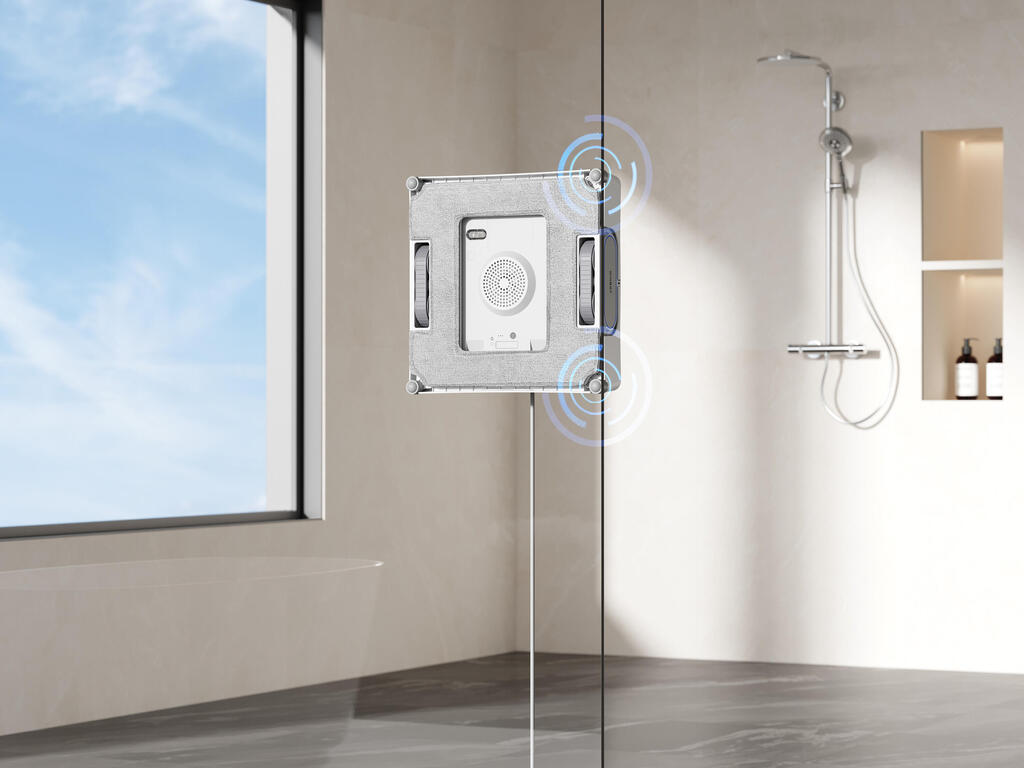
ECOVACS Winbot W2 Omni
(Photo: Ecovacs Robotics)
Noise is another issue. The vacuum motor required to keep the robot attached produces noticeable sound, and users must remain nearby during operation.
Future developments are expected to focus on improved navigation, deeper integration of artificial intelligence, better stain detection and greater automation, including improved self-cleaning systems and compatibility with smart home ecosystems.
Dreame, a brand credited with expanding Israel’s floor robot market, plans to introduce its new window robots, the Dreame C1 and C1 Station, after Passover. The models feature stronger cleaning power, advanced sensors and longer cordless operation, with the C1 Station including a battery base designed for larger windows.
Buying tips
• Necessity: Homes with many small or divided windows may not benefit.
• Safety: Choose models with long safety cables, backup batteries and power-failure protection.
• Height: Ensure the cable length suits high or large windows.
• Maintenance: Check the cost of cleaning fluids and replacement pads.
• Shared purchase: Because usage is infrequent, consider sharing with neighbors or family.
The models tested
ECOVACS Winbot W2 Omni
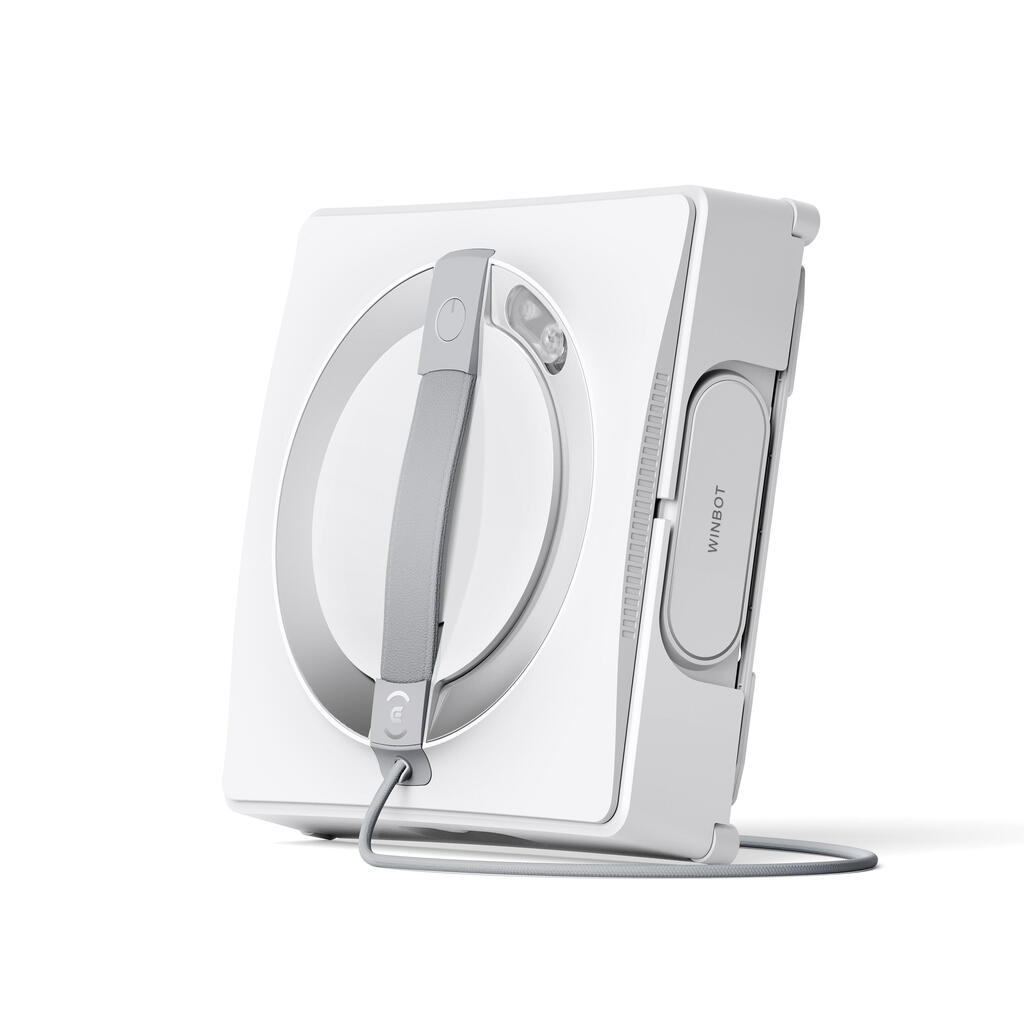
ECOVACS Winbot W2 Omni
(Photo: Ecovacs Robotics)
Importer: Ronlight
Price: 2,799 shekels
Warranty: Two years
Battery life: 110 minutes
Safety: Backup battery and safety rope
Strengths: Strong performance on smooth glass, good stain removal, compact storage unit, and advanced safety features.
Weaknesses: Requires a power connection, frequent pad cleaning, struggles with some tough exterior grime, and high price for occasional use.
Score: 8.2
HOBOT iScraper 10
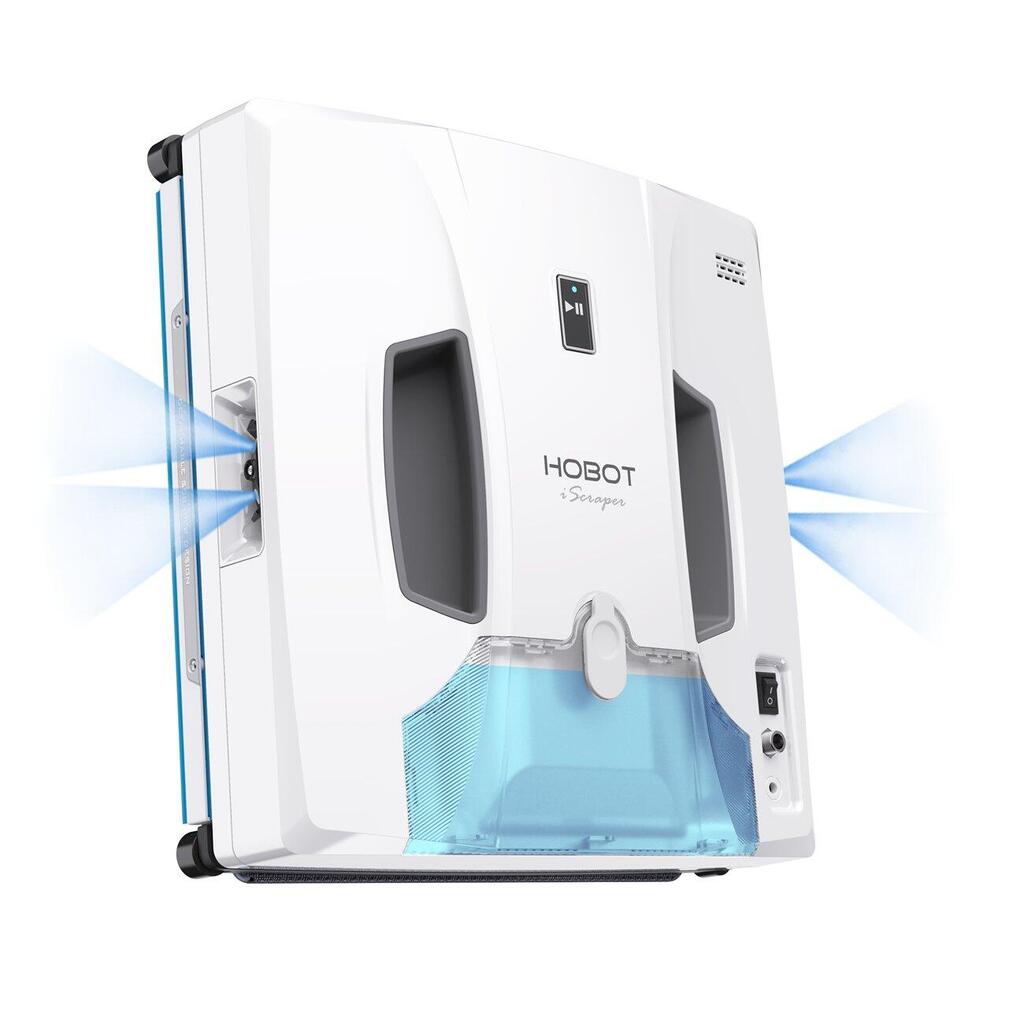
Hobot iScraper 10
Importer: Banda
Price: 2,199 shekels
Warranty: One year
Safety: Backup battery, uninterruptible power supply and safety rope
Strengths: Three-stage cleaning system, handles textured glass and shower surfaces, compatible with standard cleaning liquids, compact storage.
Weaknesses: Cannot move independently between panes, somewhat cumbersome operation, premium pricing despite being less established.
Score: 8.2
How the testing was conducted
Each robot was tested by two to three users. The Ecovacs model was evaluated on smooth glass windows and mirrors of varying sizes. The Hobot model was tested on smooth and textured glass, mirrors, shower enclosures and bathroom tiles.
Both were assessed for dust removal, stain cleaning, ease of use, maintenance and overall cleaning performance according to manufacturer guidelines.