

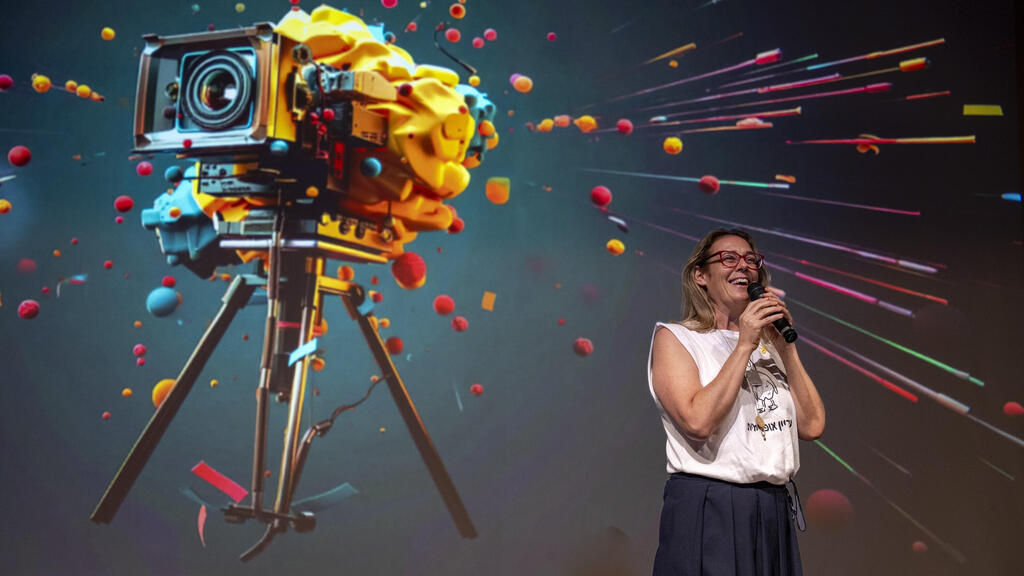
On December 7, the Eretz Israel Museum in Tel Aviv will be packed with filmmakers, marketers, designers and content creators racing to keep up with a technology rewriting their professions in real time. This seventh 'Hakol Mebina' (All about AI) conference will run in two identical half-day sessions to meet surging demand. Meiri is framing the day around a simple claim with big stakes: “the magic is in the prompt.” As AI tools become more powerful and widely available, she says, the advantage shifts to the creators who know how to ask better questions, build smarter workflows and stay human inside the machine.
That mix of urgency and practicality is what has made 'Hakol Mebina' Israel’s leading AI conference series for creators, marketers and content professionals. Since its launch in April 2023, the series has hosted six conferences and drawn thousands of participants, becoming the country’s main professional stage for applied generative AI. Each event blends inspiring talks with live demonstrations of new tools. Meiri also insists on diverse, balanced representation on stage, pairing leading artists and creators with breakthrough technologists. The conference has become a place where creativity and advanced tech meet in public, not just in labs.
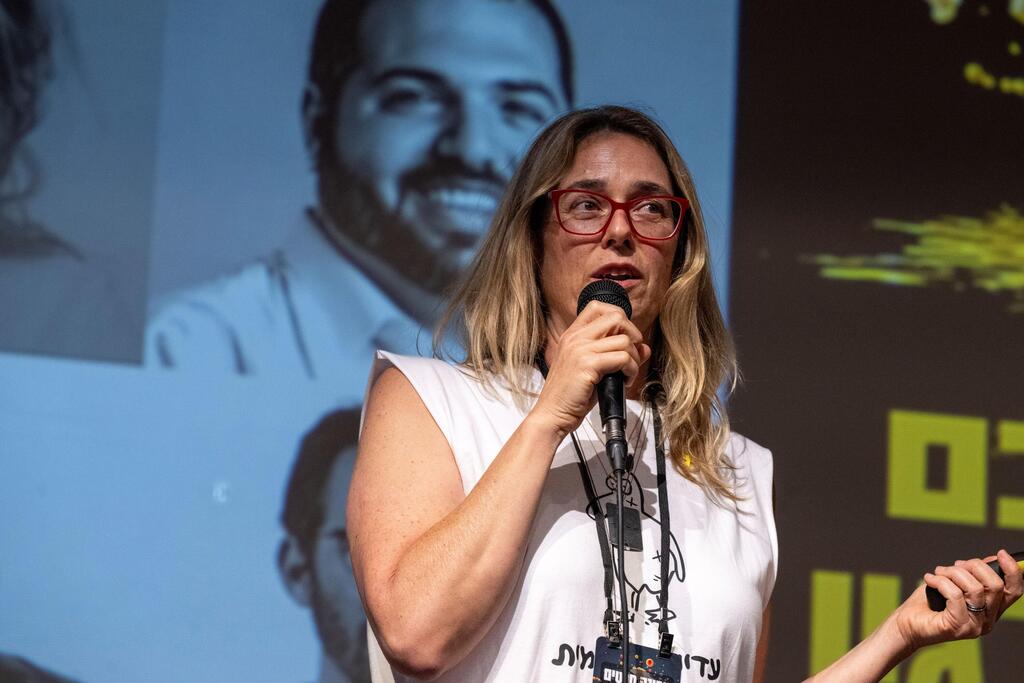
Meiri, 51, is an unlikely architect of that breakthrough, and a serial entrepreneur who has built her career by spotting gaps before others do. She did not come out of a computer science program or a startup accelerator. She trained in physiotherapy, worked briefly in the field, and only later drifted into film, television and live productions. Those years in production taught her a principle she now applies to AI: creative industries change fast, and the people who adapt early end up defining the rules.
Meiri was born in Jerusalem and moved into documentary filmmaking after a personal influence drew her into the industry. She produced two documentaries. One followed teenage boys in a Brazilian fishing village and their relationships with Israeli tourists. The other focused on Eylon Nuphar, founder of the performance troupe Mayumana, during her battle with breast cancer, and aired on Israeli television.
She went on to work in television production, produce theater and manage Mayumana’s tours abroad. The work was global and creative, but it revealed a stubborn barrier at home. Jobs and collaborations were still built through tight circles and word of mouth. If you were not already inside, opportunity could feel invisible.
The platform that trained her to think like a technologist
In 2006, Meiri founded Taasiya, a professional website for Israel’s production, creative, content and digital community. It functions as a specialized jobs and networking hub, but its inspiration came from online dating rather than Silicon Valley. Meiri saw an industry operating like a matchmaker economy and imagined a searchable system where people could filter, find and connect by clear criteria.
At the time, she had no tech background and little understanding of web development, user interfaces or design. She built it anyway.
Taasiya grew into one of Israel’s central creative marketplaces, with more than 100,000 registered users today. For Meiri, the site became a long, hands-on education in how technology can reorganize a fragmented industry. It also helped build the trust and community she would later need when she pivoted into AI.
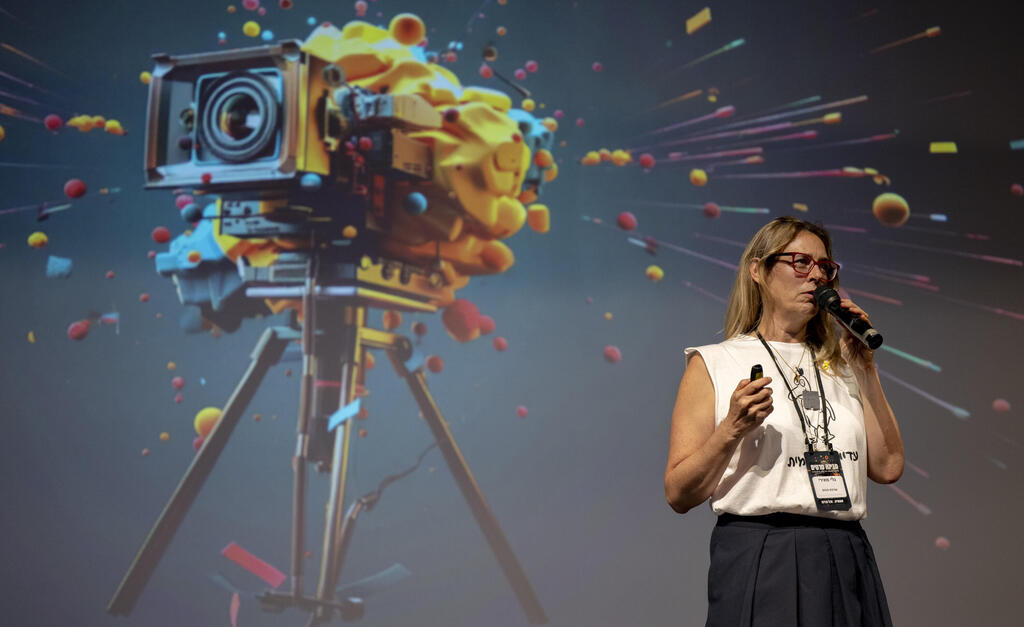
Gali Meiri; people who adapt early end up defining the rules
(Photo: PR)
Why AI felt bigger than any trend
Meiri has launched several ventures over the years. Some survived. Some failed, including what she describes as a full startup collapse. After that experience she wrote a book titled 'How not to do a startup.' The manuscript never left her drawer, but the lessons stayed close. Failure, she says, sharpened her instincts as an entrepreneur, and taught her how to recognize the difference between noise and a real turning point.
By 2023, she was convinced that artificial intelligence was that turning point. Not a passing fad, and not a hype wave like blockchain or NFTs, but a structural change on the scale of the internet’s arrival. She saw creators as the first group that would feel it. If machines could generate text, images, audio and video in seconds, every step of content production, from brainstorming to final cut, was about to be reworked.
Her answer was to create a place where creators could meet AI face to face, learn together and stay ahead together.
Building Hakol Mebina into Israel’s AI home for creators
From the start, Hakol Mebina was designed for people who do not code for a living but shape how culture and brands look and sound. The audience includes filmmakers, editors, social media managers, brand strategists, copywriters, designers and digital freelancers. Meiri curated each event around hands-on use of generative tools, with demonstrations, case studies and sessions that show how AI reshapes daily work.
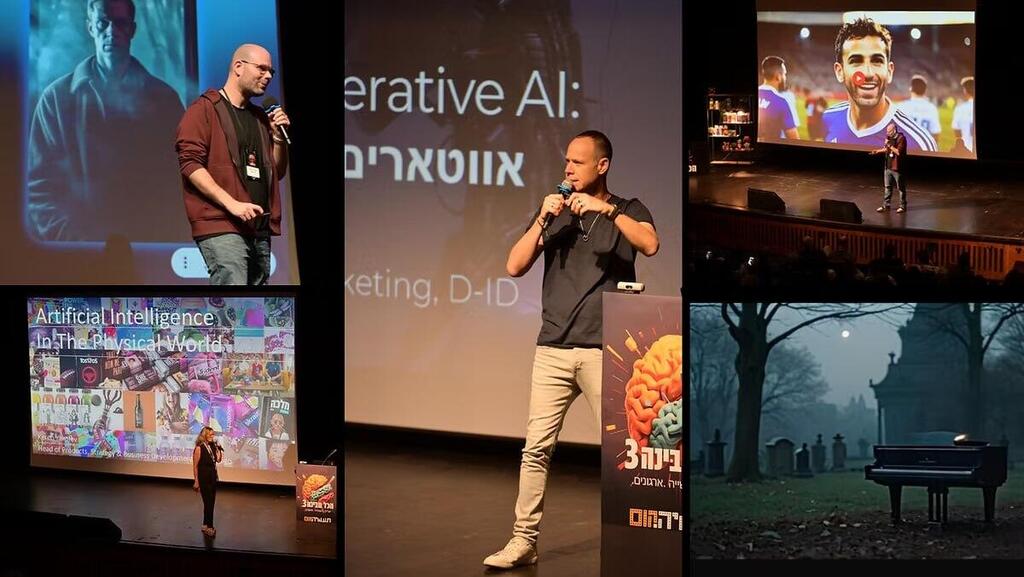
Hakol Mebina: a practical lifeline and a networking engine
(Photo: PR)
The timing was perfect. Creators were anxious, tools were exploding and workflows were shifting underneath them. Hakol Mebina became both a practical lifeline and a networking engine. As the series grew, Meiri expanded into a parallel venture, Taasiya Lecturers and Content, connecting AI speakers with organizations and building custom conference-level programs for companies that want training in house.
Conference No. 7, and what it signals
Conference No. 7 lands as a snapshot of where Meiri believes creative work is headed. The program moves between cultural questions, ethical pressure points and concrete skills.
Artist and stage-maker Renana Raz opens with "VHS, regards from the future," using AI to probe memory and identity and asking what machines can teach humans about remembering. Veteran media executive Eldad Koblenz follows with "AI-FM: radio and artificial intelligence," drawing on his work integrating AI into the branding and production workflow of a major Tel Aviv radio station. Musician and innovation lecturer Yaki Gani pushes creators to break habits and invent new formats in "Outside the new box." Creative critic Or Butbul takes on the flood of AI-made advertising in "AI and uh-oh: artificial intelligence in advertising," arguing that even polished machine output still needs a human core.
The practical track goes deeper. Marketing strategist Tal Bentsik looks ahead to dynamic, personalized campaigns powered by AI, showing how ads are turning from fixed assets into living systems. Engineer-maker Itay Peretz offers one of the day’s most concrete demonstrations in "The golem and its maker," a hands-on session on building a physical AI-driven object and wiring simple hardware into functional autonomy. Prompt specialist Roi Cohen examines how bad actors use AI to manipulate attention, and what ethical creators need to understand to protect audiences. Social impact speaker Ravid Menashe tackles gender bias in models and the chance to correct it through smarter prompting and oversight.
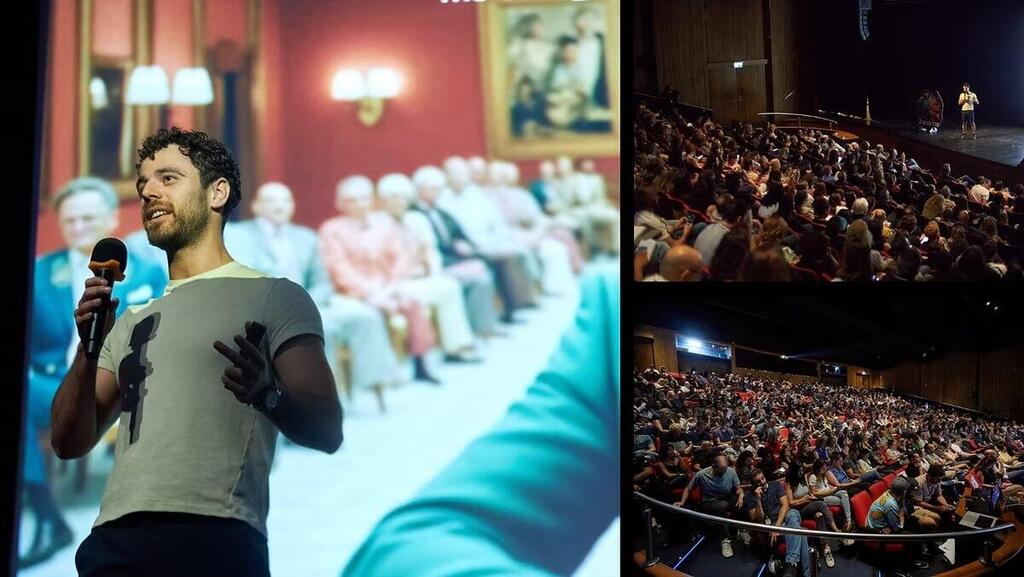
Speaker at a previous Hakol Mebina conference
(Photo: PR)
Other sessions keep the pace fast and tactical. AI educator Yoav Zucker delivers a rapid update on the biggest breakthroughs of the past year. Moran Saar Bachar explores AI as a partner in thinking and creation inside organizations. Keren Fanan frames AI as a revolution of independence, showing how marketing, product and creative teams can move from idea to execution without waiting on gatekeepers. Peech CEO Danielle Dafni demonstrates how a single video can be transformed into multiple formats and assets at scale. Artist-designer Barak Rotem explores the border between craft and code in "Text, texture, textile." Curator Merav Sheham presents an AI-powered exhibition created inside a historic limestone cave, blending ancient space with cutting-edge tools.
Meiri will open the day with "In a non-human eye," linking her constant search for stories and speakers to the fear and excitement that comes with every new technology wave. Taken together, Conference No. 7 is not a celebration of shiny tools. It is a live test of Meiri’s belief since 2023: creators who learn generative AI early will not just survive the shift, they will define what culture looks like next.
The promise and the risk of generative tools
Meiri talks about AI with both enthusiasm and friction. She argues that the technology is fueling what she calls “the renaissance of the average,” letting people with modest skills produce decent content, raising the baseline and widening participation. She sees that as an opening, not a downgrade.
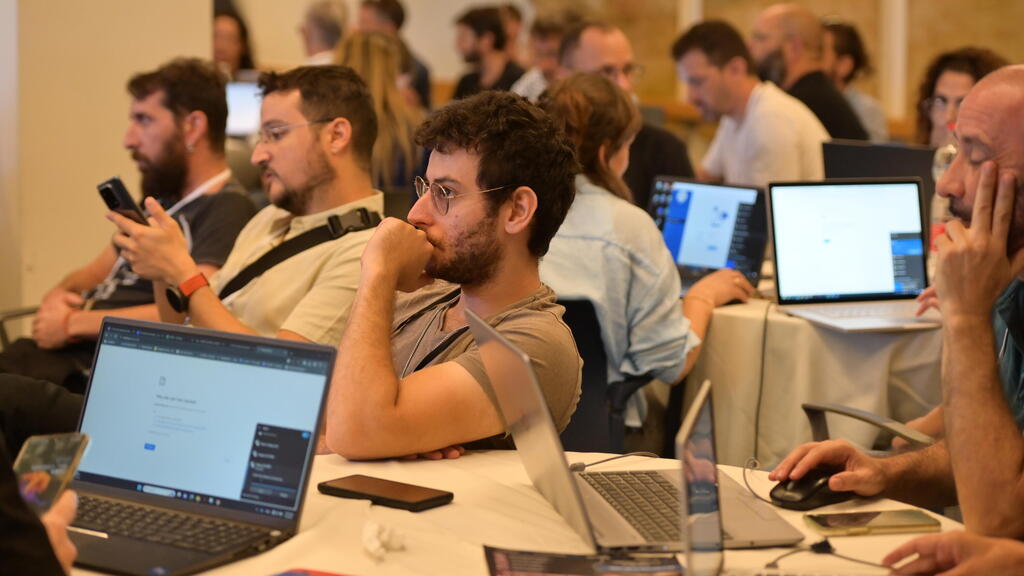
Practical workshops; All about AI
(Photo: PR)
She uses AI constantly and credits it with huge efficiency gains, but she also warns about dependency. When machines handle the hard parts, people may stop building their creative muscles. The challenge, she says, is knowing when to lean on AI and when to fight for human originality.
Deepfakes, and a return to live trust
One of her sharpest messages is about trust. Voice and face cloning tools, she predicts, will soon make it hard to tell what is real online. As that certainty collapses, she expects a return to live, in-person contact. People will need physical encounters again to verify authenticity. It is a striking forecast from someone whose career has moved steadily deeper into digital systems. But for Meiri, AI is not only a toolkit. It is a cultural earthquake that will force new habits in creation, consumption and trust.
A producer’s eye for the next AI voices
Meiri is known for spotting emerging talent, speakers who are not yet famous but understand what AI is really doing to creative work. She believes everyone wants to be seen and heard, and her conferences are built to surface those voices and connect them with the right audience. It is the same instinct she developed in film and theater, now applied to technology.
Still reinventing, still pulling creators forward
In the past six months Meiri has been living as a digital nomad, working remotely while moving between countries. During recent months in Brazil, she played flute in a local ensemble. The detail feels small, but it fits her larger story. She keeps placing herself in new environments, watching how people create, connect and adapt.
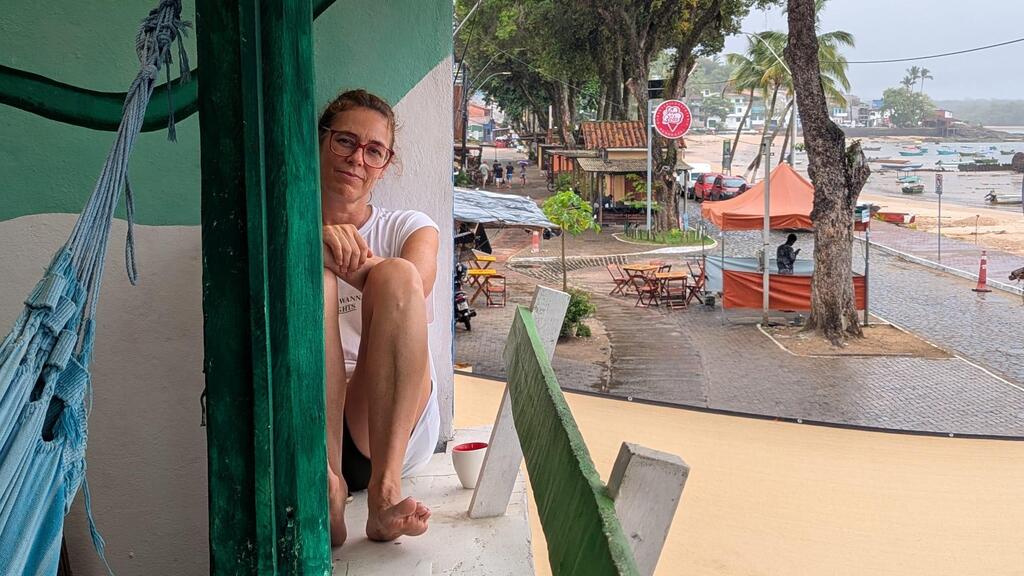
A digital nomad, Gali Meiri in Brazil
(Photo: Private album)
Meiri’s path into AI was not a straight line, and that may be why her conferences resonate. She understands creators who feel late to the tech party because she once was too. With Hakol Mebina, and especially with Conference No. 7 now on the doorstep, this entrepreneur is turning an outsider’s perspective into Israel’s most important creator-focused AI stage, and into a guidebook for what comes next.
First published: 07:59, 12.01.25