

Above our heads, in the thin air and extreme temperatures of space, a constant battle is underway for control. This is not a Hollywood-style “Star Wars” saga, but a contest over precision, reliability and, above all, the way satellites move through the infinite vacuum of space.
While most Israelis know Rafael Advanced Defense Systems for the Iron Dome or the Spike missile family, the company has in recent years become one of the most significant players in critical space infrastructure. As of 2026, technology developed in its laboratories in Kiryat Yam and Tel Aviv is powering more than 100 satellites worldwide, serving as what industry officials describe as an “insurance policy” for some of the most expensive and complex missions in human history.
Rafael's engine in action
(Video: Rafael)


No repair shop in orbit
The greatest challenge in space is simple: there are no repair garages. Once a satellite is launched and placed in orbit, any malfunction in its propulsion system can turn an investment of hundreds of millions of dollars into useless space debris. This is where Israeli expertise comes into play.
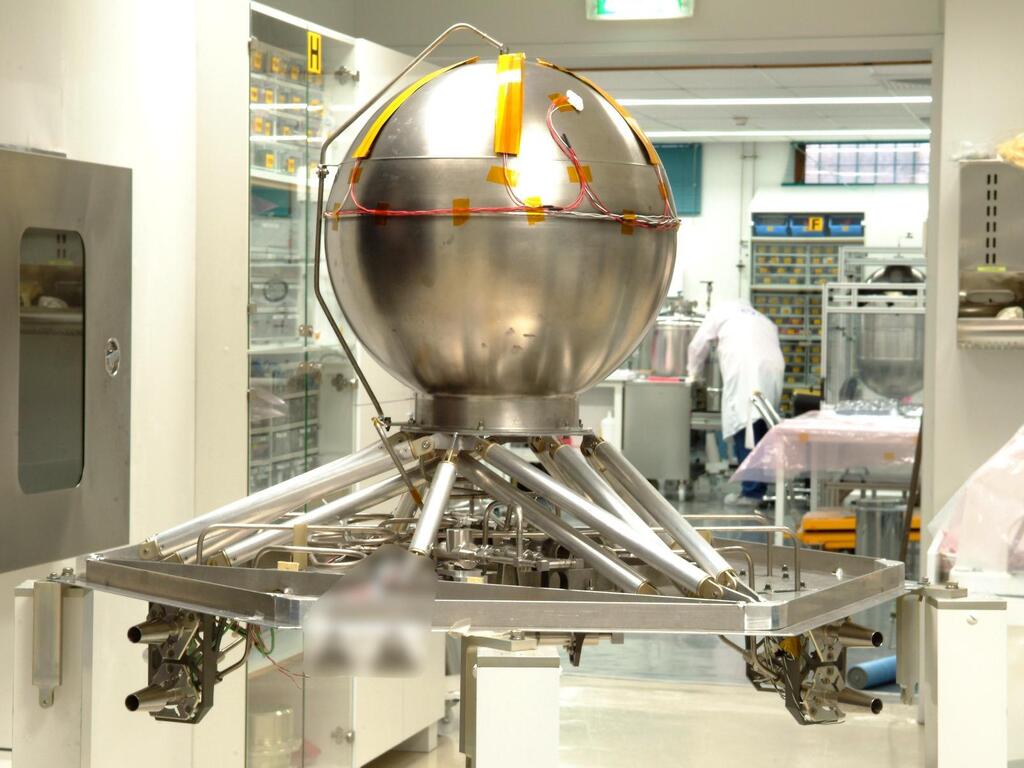
Rafael holds a rare record of 100% success in satellite propulsion, a statistic that has made it a preferred supplier for international agencies including the European Space Agency and the French space agency. Its systems operate across a wide range of altitudes—from low-Earth observation satellites flying hundreds of kilometers above the surface to massive communications satellites positioned 36,000 kilometers above Earth in geostationary orbit.
In recent years, the major shift has been from traditional chemical propulsion, based on heavy and hazardous liquid fuel, to advanced electric propulsion. Where satellites once had to carry tons of fuel merely to maintain their position, Rafael’s new ion engines are changing the equation.
The Israeli electric engine is considered a global pioneer, offering efficiency five to 10 times greater than conventional engines. That efficiency is not just a technical metric: it enables satellites to be lighter, remain operational in space for more than 15 years, and carry more advanced imaging and communications equipment. The direct result for consumers on Earth is improved internet connectivity and navigation services at more accessible prices.
From components to complete satellites
One of the most notable examples of international cooperation is the Venus satellite, a joint project of the Israeli and French space agencies. Designed for high-precision environmental and agricultural research, Venus is equipped with Rafael’s electric propulsion system, enabling it to perform accurate maneuvers and maintain an optimal imaging orbit.
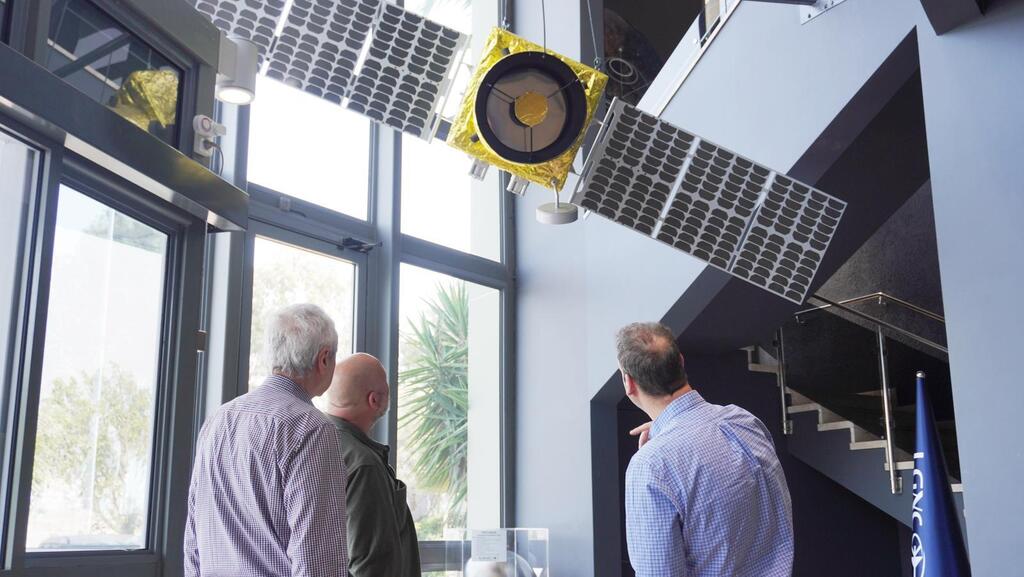
In the Rafael Advanced Defense Systems lab
(Photo: Courtesy of Rafael)
France’s decision to use an Israeli engine for such a mission underscores Israel’s emergence as a critical supplier of global civilian infrastructure. The Israeli propulsion system serves as the beating heart of technologies that affect millions of people daily, from weather forecasting to the security of global data communications.
Rafael is no longer content with being solely an “engine manufacturer.” The company is in the midst of a strategic expansion, moving from producing components to building complete, intelligent satellites. The goal is to offer a comprehensive solution that includes the satellite platform, propulsion system, and navigation and control capabilities.
At the same time, efforts are underway to develop propulsion systems that would increase the lift capacity of Israel’s existing launch vehicles, strengthening the country’s independent access to space.
Ultimately, Rafael’s space activity reflects a broader transition from defense to civilian applications. Technologies originally developed to protect Israel’s skies now form part of the backbone of the global information revolution. Each time we open a navigation app or use satellite-based communications, there is a strong chance that the movement being orchestrated in the cold vacuum above is powered by Israeli technology developed in Haifa.