

Okta has agreed to acquire Israeli cybersecurity startup Axiom in a deal valued at roughly $100 million, according to industry estimates. While the companies have not disclosed financial terms, the transaction marks Okta’s second significant Israeli buyout in as many years, following its 2023 purchase of Spera.
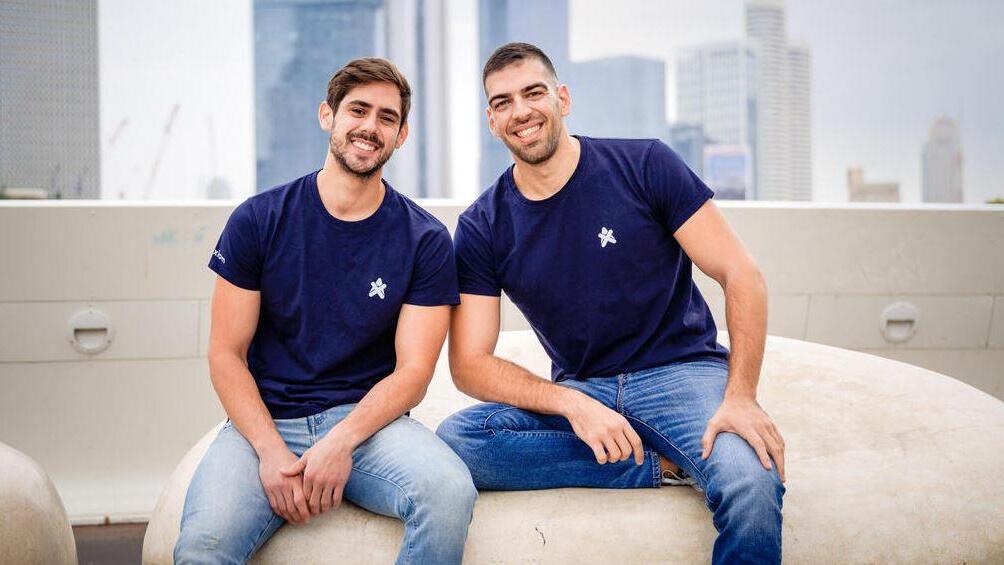
Axiom founders Itay Mesika and Ilan Dardik
(Photo: Yarin Taranos)
Axiom was founded in 2021 by Itay Mesika and Ilan Dardik, both veterans of the Israeli Air Force. The company quickly attracted attention from investors, raising $10 million to date—$7 million in a December 2022 seed round led by S Capital, and a further $3 million in undisclosed funding.
Its investor roster reads like a who’s-who of cybersecurity entrepreneurship: Armis founders Nadir Izrael and Yevgeny Dibrov, Demisto co-founders Rishi Bhargava, Slavik Markovich, Dan Sarel, and Guy Rinat, as well as head of product security for cloud at JP Morgan & Chase, Srinath Kuruvadi, and Torq CEO Ofer Smadari.
Axiom’s platform is designed around the principle that access must be secure by default without degrading productivity, a positioning that aligns seamlessly with Okta’s identity management vision. Its customer base spans global firms such as Minute Media, Navan, BPP, Varonis, and Orca Security.
For Okta, which is currently valued at around $16 billion on the Nasdaq, the deal consolidates its expansion in Israel. Axiom’s team will be folded into Okta’s R&D hub established through the Spera acquisition, reinforcing the region as a strategic engineering center.
Industry observers note that the acquisition signals Okta’s continued push to integrate innovative zero-trust approaches and to absorb Israeli talent pipelines, which have become increasingly attractive to global security vendors looking to accelerate product differentiation and shorten go-to-market timelines.