

We had almost forgotten these messages — until the reminder Saturday. Operation Roaring Lion opened with a surprise alert on our cellphones, accompanied by a piercing tone and a flashing smartphone light, even if the device was set to silent.
Since then, similar notifications — reading “Alerts are expected in the coming minutes” — have preceded nearly every air-raid siren, giving people a short but critical window to prepare. The messages are not sent via text message or WhatsApp, but through a different system entirely.
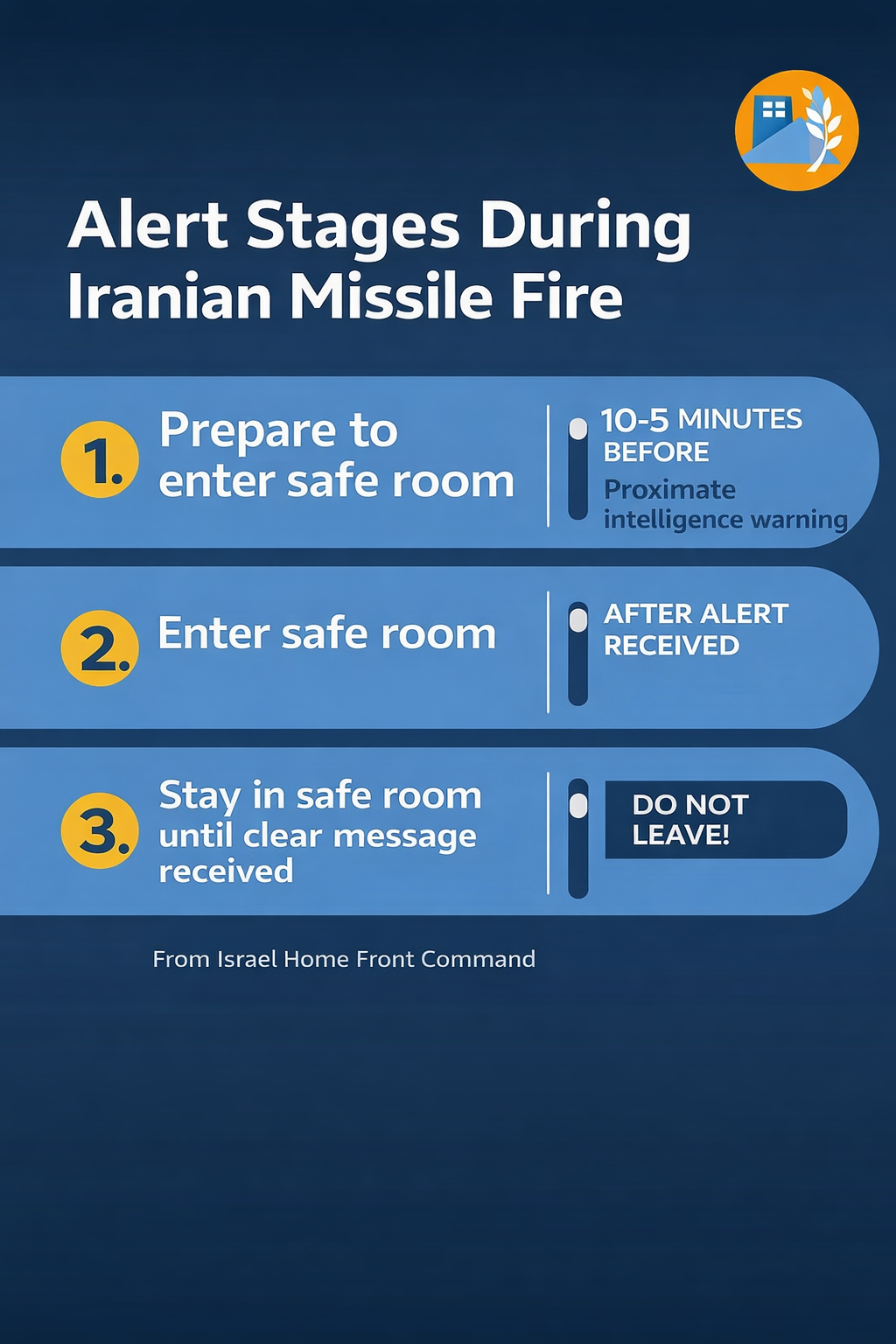
How it works
The technology is based on an international emergency standard known as Cell Broadcast. Unlike a traditional SMS message sent from one device to another, Cell Broadcast allows authorities to push alerts simultaneously to large numbers of subscribers within a specific geographic area.
The system operates even when networks are overloaded — such as during a terrorist attack or earthquake — because it does not require confirmation from individual devices. Smartphones are factory-equipped to support the technology.
In Israel, the system was first activated during last June's 12-day war with Iran, known as Operation Rising Lion, and underwent its first real-world test ahead of an Iranian missile attack. These “personal message” alerts bypass regular cellular traffic and do not depend on an internet connection, ensuring they function even during extreme network congestion. The message overrides the phone screen without user consent and is not stored in the device’s memory.
In the United States, the same technology is used for emergency alerts about natural disasters such as tsunamis, earthquakes and floods, as well as warnings about escaped prisoners and, during the COVID-19 pandemic, public health guidance. In Britain, nationwide emergency alerts were implemented following the July 2005 London bombings.
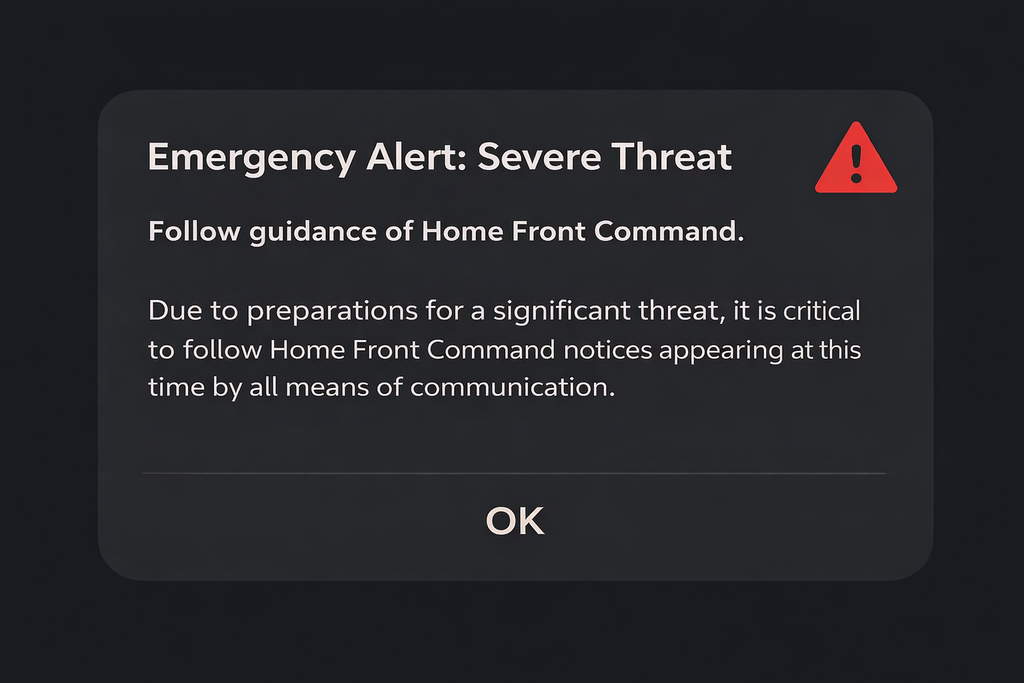
Abroad, only authorized government agencies and emergency authorities — such as FEMA in the United States or national meteorological services — can activate the system. In Japan, during the 2011 earthquake and tsunami, early warnings delivered via Cell Broadcast saved countless lives by giving residents precious seconds to reach higher ground. During Hurricane Sandy in the United States, the system was used to issue rapid evacuation orders in flood-prone areas, significantly reducing casualties.
In Israel, the law currently permits such alerts to be sent for the purpose of safeguarding national security or public safety, and only representatives of the defense establishment or the military are authorized to issue them.
In late 2024, the Communications Ministry announced plans to allow local authorities to send emergency alerts in extreme situations such as major fires, hazardous material leaks, earthquakes, public health emergencies and security threats. The proposed legislation has not yet advanced.
The Cell Broadcast system is separate from the Home Front Command app, developed by the military’s communications branch, which provides location-based missile alerts within a radius of a few hundred meters. That app also uses a distinctive warning sound and flashing light.
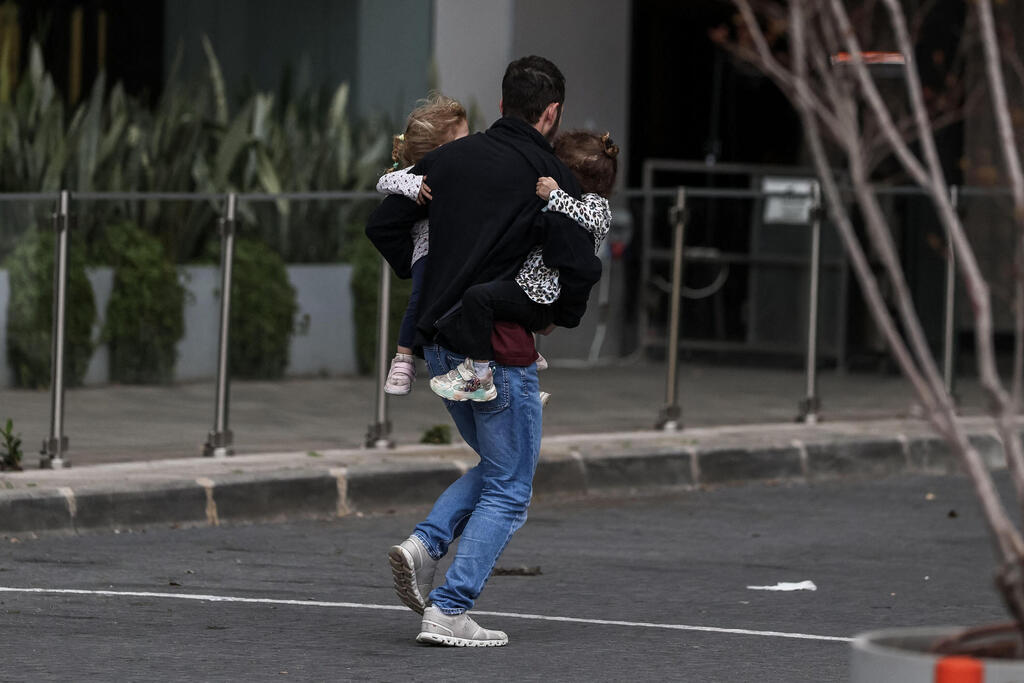
(Photo: Ilia YEFIMOVICH / AFP)
Both alert systems operate in a largely automated process based on pre-programmed detection parameters, though manual activation is also possible if a threat is not identified automatically. In some cases, information triggering an alert may come from additional systems, requiring professional judgment before activation.
Can it be hacked?
The system is considered highly secure. To send a false Cell Broadcast message, an attacker would need direct access to a cellular provider’s core network or to the Home Front Command’s control system — both of which are heavily isolated and protected.
In theory, hackers could use a device known as an IMSI catcher — essentially a fake cellular antenna — to transmit false messages to nearby phones. However, the range of such devices is limited.
Anyone deeply unsettled by the jarring alert tone or flashing light can disable them in their smartphone settings — though authorities strongly discourage doing so.