

A request to approve a class action lawsuit was filed this week with the Tel Aviv District Court against X, formerly Twitter, and xAI, both owned by Elon Musk.
The applicant, an Israeli citizen and active user of the X platform, claims through her attorneys, Lior Lahav and Noa Elbaz, that the Grok chatbot, integrated into the social network X, allows users to easily edit existing images and turn them into sexually explicit content. This includes so-called digital stripping, as well as dressing subjects in swimsuits or underwear.
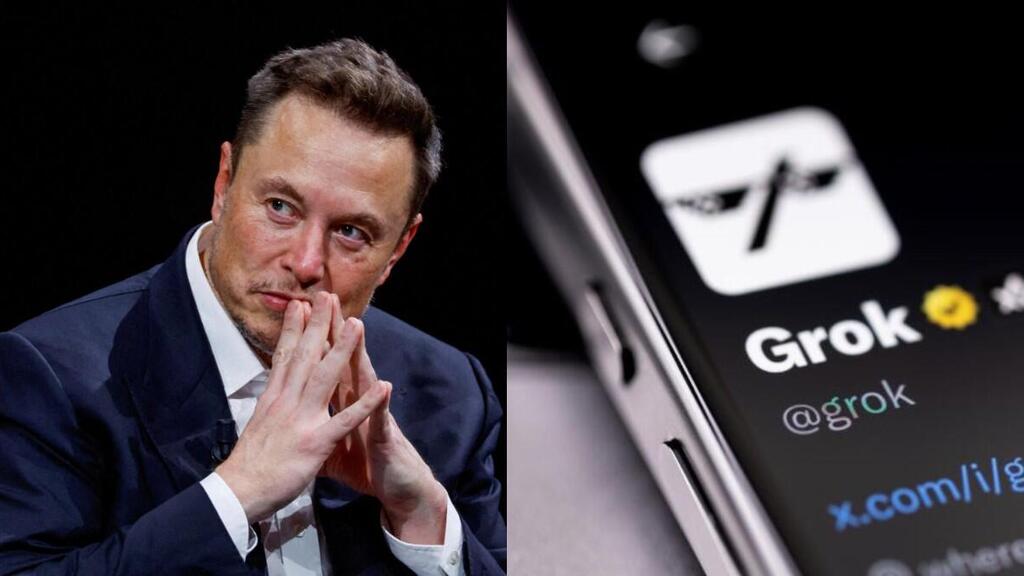
According to the claim, the technology developed by xAI enables the creation of graphic sexual content based on the likenesses of women and minors, without their knowledge or consent. The motion seeks to represent all women and minors who use X whose images are accessible online and who have experienced fear, anxiety or a loss of control due to the possibility that Grok could generate sexual simulations of them.
Bid to ban the technology and seek financial compensation
The court is asked to prohibit the companies from using the likenesses of women and minors to create sexualized and objectifying simulations via Grok. The lawsuit also seeks compensation of 500 shekels for each class member for emotional distress and violation of personal autonomy, as well as disgorgement of profits allegedly generated from the improper use of the tool.
The filing argues that the existence and scope of the alleged misconduct have been widely covered and documented in numerous media reports in Israel and abroad. These reports point to the use of Grok to generate and process sexual, revealing and objectifying images of women and or minors, including based on photographs available online.
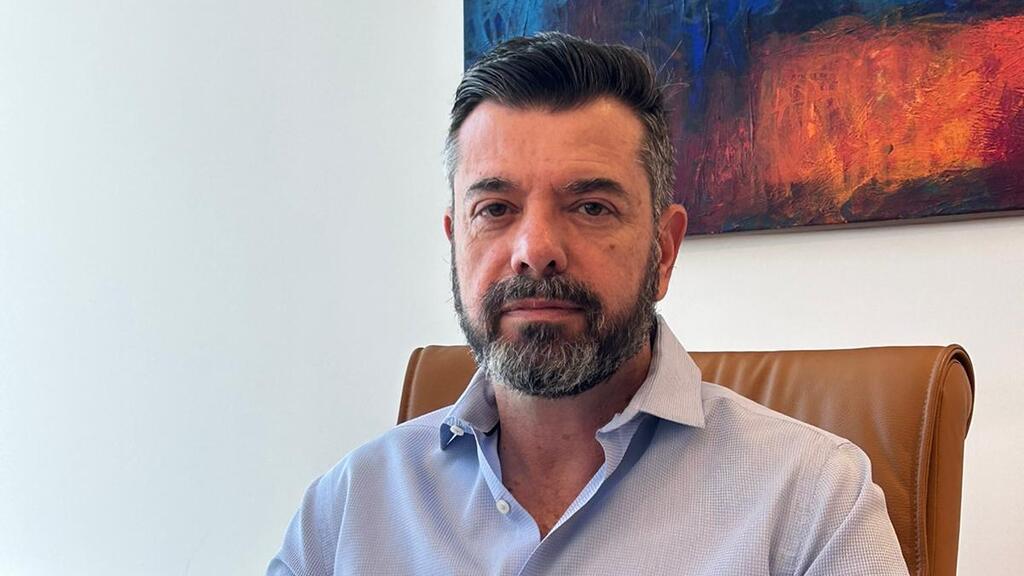
Attorney Lior Lahav
(Photo: Roni Rahamian)
It is further claimed that Elon Musk’s initial response to the issue was dismissive and even humorous, including the sharing of an image generated by Grok depicting Musk himself wearing a bikini. Later, he reportedly changed course, calling the activity illegal but asserting that responsibility lies with users rather than the companies.
International storm
In recent days, we reported that Malaysia and Indonesia became the first countries to block Grok entirely, arguing that its current safeguards fail to prevent the creation and distribution of fake sexual content, particularly involving women and children. “The government views non-consensual sexual deepfakes as a serious violation of human rights, dignity and the safety of citizens in the digital space,” said Indonesia’s minister of communication and digital affairs, Meutya Hafid.
Sharp criticism of Grok has also emerged in India and across the European Union, as well as in Britain and France. Britain’s independent online safety regulator, Ofcom, announced in recent days that it is opening an investigation into X over sexual images published via Grok, to determine whether the company breached its duty to protect UK citizens from illegal content. Following appeals by French lawmakers, the Paris public prosecutor’s office also announced it would investigate the spread of explicit sexual deepfake content created on the platform. France’s cybercrime unit is already probing allegations against X, including the dissemination of antisemitic statements and Holocaust denial through Grok.