

Madison Square Garden, one of the most iconic venues in global sports and entertainment, is also the focal point of a controversial surveillance operation. Under the direction of owner James Dolan, the arena has reportedly developed an extensive system to monitor the people who attend events there, as well as employees, critics, and even those involved in legal disputes with the company.
WIRED’s investigation into these practices sheds light on the troubling extent of the security operation, which uses facial recognition technology, behavioral tracking, and intelligence-style profiling. According to current and former employees, MSG’s security team is not only tasked with keeping the peace but also with tracking and controlling people who pose a perceived threat to Dolan’s interests, whether they are a vocal critic, a disgruntled employee, or even someone who’s posted negative comments online.
The system is so sophisticated that it reportedly extends beyond the arena itself, with individuals being monitored both inside and outside MSG properties. As privacy concerns continue to grow in the digital age, MSG’s surveillance practices raise significant questions about the boundaries of corporate power in the modern world.
James Dolan: The man behind the surveillance
At the heart of this surveillance network is James Dolan, the billionaire media mogul who controls Madison Square Garden Company, which owns the New York Knicks, Rangers, Radio City Music Hall, and the Sphere in Las Vegas. Known for his combative nature, Dolan has long been a controversial figure, not just for his management of the Knicks but for his increasingly personal approach to business.
Dolan’s influence over the security operations at MSG is said to be substantial. Sources within the company describe a system in which Dolan’s preferences—particularly regarding his personal reputation—take precedence. According to these sources, employees and patrons are not just under watch for security reasons but also because they may pose a threat to Dolan’s image or business.
The investigation reveals that those who have publicly criticized Dolan, or who have been involved in legal disputes with MSG, have found themselves subject to heightened scrutiny. In one case, a graphic designer who created "Ban Dolan" T-shirts was barred from attending a concert at Radio City Music Hall. Another example involves a mother who was blocked from attending a Christmas show because of a dispute between Dolan and her coworker.

James Dolan
(Photo: Getty Images)
The surveillance system: More than just security
While most people expect to be monitored to some extent when they enter a public venue—through ticket scanning, bag checks, and security cameras—what’s happening at Madison Square Garden goes much further. According to former employees and internal documents, MSG has built a sophisticated surveillance apparatus that tracks individuals not only as they enter but throughout their time at the venue.
This includes the use of facial recognition technology, which reportedly flags certain individuals as they enter and assigns them a risk score based on their perceived behavior or connections. Sources describe how people are monitored, tracked, and categorized in real-time—sometimes without their knowledge. Security footage is analyzed not only for potential threats but also for individuals who may have previously been flagged for reasons unrelated to immediate safety.
One former employee recalled how certain fans were closely watched throughout the venue, with every moment logged—when they sat down, when they ordered a drink, when they went to the bathroom. These actions were recorded and later included in security reports, raising significant concerns about the degree of personal privacy being compromised.
The monitoring isn’t just confined to behavior within the arena either. Some individuals are allegedly tracked across various MSG properties, which include not only Madison Square Garden but also Radio City Music Hall, the Sphere, and other venues under Dolan’s control.
The case of Nina Richards: Targeted surveillance
One of the most striking examples of this surveillance culture comes from the story of Nina Richards (a pseudonym used to protect her identity), a trans woman who regularly attended Knicks games at MSG. According to sources and a lawsuit filed by a former MSG security team member, Richards became the target of intense surveillance over a two-year period.
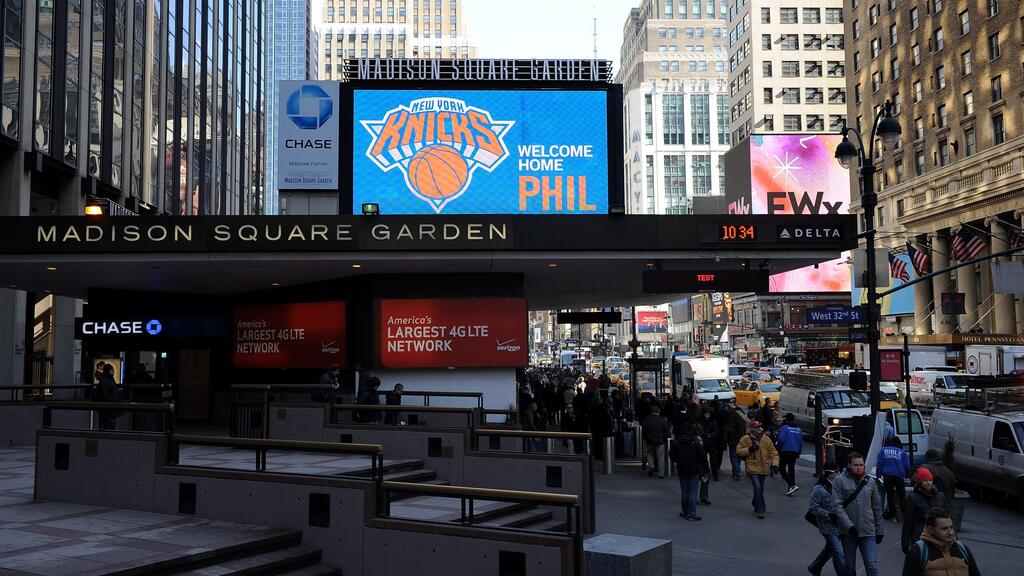
(Photo: AFP)
Richards was reportedly flagged by MSG’s security systems and continuously monitored as she moved through the venue. Every detail of her behavior was recorded, including her interactions with staff, her movements through the concourses, and even the time she spent in the bathroom. Security reports tracked her every move, noting specific times and locations, all without any apparent security concern to justify such extreme measures.
What’s particularly troubling about this case is that Richards was not doing anything disruptive or unlawful. She was simply attending games as a fan. Yet, despite her non-threatening behavior, she was subjected to what former employees described as “excessive” monitoring. Some former staff members even speculated that Richards’ transgender identity was a factor in her treatment, a claim that the company has denied.
Watch lists and risk scores: How MSG tracks its patrons
The surveillance network at MSG is described as being highly systematic. One of the central components of this system is the use of watch lists. Sources report that individuals entering the arena are often compared to a database of flagged people, many of whom have been assigned risk scores based on their previous behavior, affiliations, or public statements.
This process reportedly classifies people into different categories: some are simply monitored discreetly, others are flagged for further attention by security staff, and some are outright denied entry. Sources within the company describe how watch lists are constantly updated, based not just on security threats but also on internal assessments, legal disputes, or even online criticisms of Dolan or the company.
The system is dynamic, with employees being trained to recognize individuals who are part of these lists and take action if necessary. But it’s not just people with criminal records or disruptive behaviors who find themselves on these lists—employees and fans who have publicly criticized MSG or Dolan are also reportedly subject to monitoring.
Surveillance beyond the arena
The scope of MSG’s surveillance practices doesn’t stop at the arena’s doors. According to former employees, security teams have been tasked with monitoring protests near MSG venues, tracking social media posts by fans, and even engaging private investigators to follow individuals in public spaces.
This kind of surveillance extends to those involved in legal disputes with the company. One lawsuit alleges that security teams monitored the activities of lawyers who were suing MSG, even going so far as to track their movements outside the venues. Additionally, people who voiced criticisms online, whether through social media or public comments, have been reportedly targeted by the company’s surveillance apparatus.
The investigation suggests that this widespread surveillance represents a new phase in corporate power: one where private companies track, analyze, and even act upon data gathered from customers, employees, and critics without the usual checks and balances.
A culture of intimidation: Fear and compliance
The atmosphere inside MSG’s security operation is described as one of paranoia and intimidation. Former employees reported that high turnover was common, with many staff members leaving because they were uncomfortable with the pressure to comply with the surveillance measures. Some feared retaliation for questioning or challenging the system.
The culture of fear was not confined to the security team. Sources suggest that even players, employees, and other staff were aware that they too might be under surveillance. One former employee recalled how former Knicks players warned one another about being watched, even in places outside the arena.
The extent of this culture of compliance is shown in how employees were sometimes tasked with spying on each other. Reports emerged that individuals who spoke out or appeared disloyal to Dolan’s vision were subject to covert monitoring, further feeding the atmosphere of fear inside the company.
Legal and public backlash: Growing concerns over privacy
As more details about Madison Square Garden’s surveillance practices come to light, legal challenges and public backlash have followed. Multiple lawsuits have been filed against MSG, with plaintiffs alleging that the company’s surveillance system violates personal privacy rights and discriminates against certain individuals, particularly those who are critical of Dolan.
MSG has consistently denied these claims, asserting that its security measures are necessary to protect patrons and ensure public safety. However, the sheer scope of the surveillance operation raises serious questions about the balance between security and privacy, especially when private companies like MSG are given such extensive control over personal data.
The case of Madison Square Garden isn’t just about one venue—it’s part of a larger trend where corporations are increasingly adopting biometric surveillance technology. This trend is evident in a variety of industries, from retail to hospitality, and is seen as a way for companies to streamline operations and enhance security. But as this technology spreads, the boundaries of what’s considered acceptable surveillance are blurring.
Madison Square Garden’s practices serve as a stark reminder of the potential dangers of unchecked corporate surveillance. As technology advances, more businesses may seek to implement similar systems, raising important questions about the limits of corporate power and the rights of individuals in the digital age.
If private companies like MSG can monitor, track, and act upon personal data without clear oversight or regulation, the implications for personal privacy are significant. The debate over corporate surveillance will only intensify as more industries adopt these technologies, and the balance between security, convenience, and privacy will remain a key issue.