


Over the past century, the world has learned how to extend life. Vaccines, antibiotics, clean water systems, electricity and modern medicine have all reshaped how long people live. In many countries, reaching 80 is no longer unusual and may even seem expected.
But there are places where that transformation has barely taken hold. In those places, life expectancy tells a very different story.
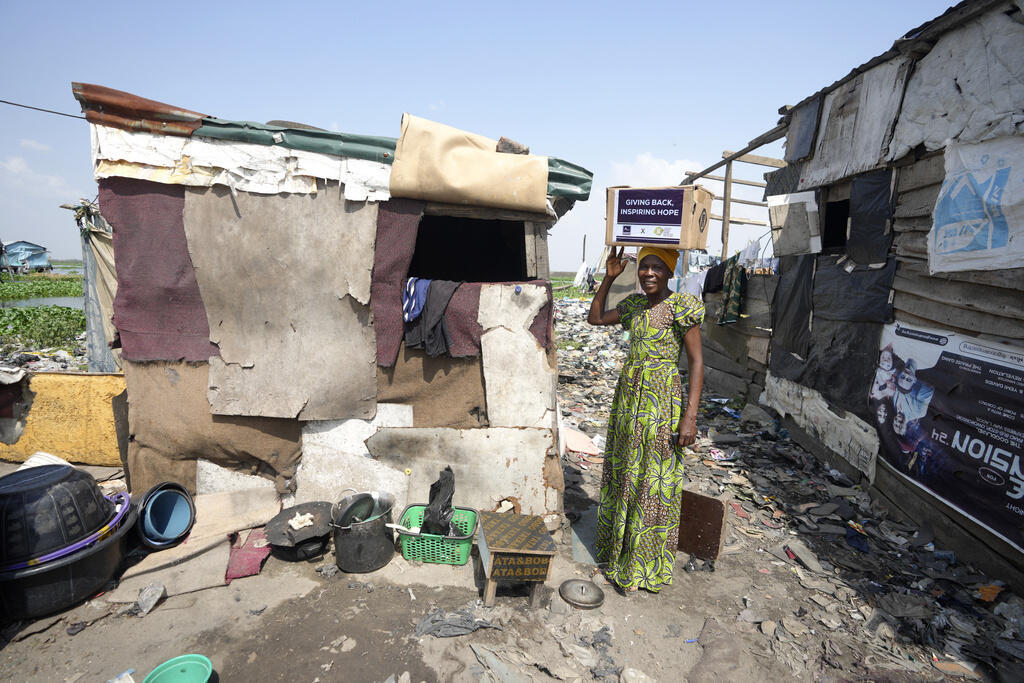
Exceptionally low life expectancy. Nigeria
(Photo: Shutterstock)
Nigeria, Africa’s most populous country and one of its richest in natural resources, consistently ranks near the bottom of global life expectancy lists. According to World Bank data for 2023, average life expectancy is approximately 54.5 years, a figure also confirmed by the World Health Organization (WHO).
For comparison, the global average is about 73 years. The gap is stark, nearly two decades of life. How can a country of more than 220 million people, with vast natural wealth and a significant regional economy, remain at the bottom of the rankings?
Prof. Lynn Schler, an expert in African studies and head of the Tamar Golan Africa Centre at Ben-Gurion University, says there is no single explanation. “It’s very complex, and there are many factors that contribute to the situation,” she said. “It’s hard to say what comes first, because everything is interconnected.”

Prof. Lynn Schler
(Photo: Eli Kopels)
“In my view, the most severe problems contributing to mortality right now are the lack of access to clean water and to electricity. Both are tied to the health system, and many of these issues could likely have been solved if not for poverty and corruption, which make it difficult to pinpoint a single cause. As with anything, you can’t separate one factor from another without understanding how they all connect.”
Water: Only 30% of the population has access
If there is a starting point, Schler says, it is access to water. Not just as a sanitation issue, but as a foundation for daily life, health, education and economic mobility. In Nigeria, that’s exactly where the failure begins.
“Without water, there is no life,” she said. Nigeria’s scale complicates the picture. Given the sharp differences between rural and urban regions, it is difficult to generalize. Still, she notes that only about 30% of Nigerians have access to safe water.
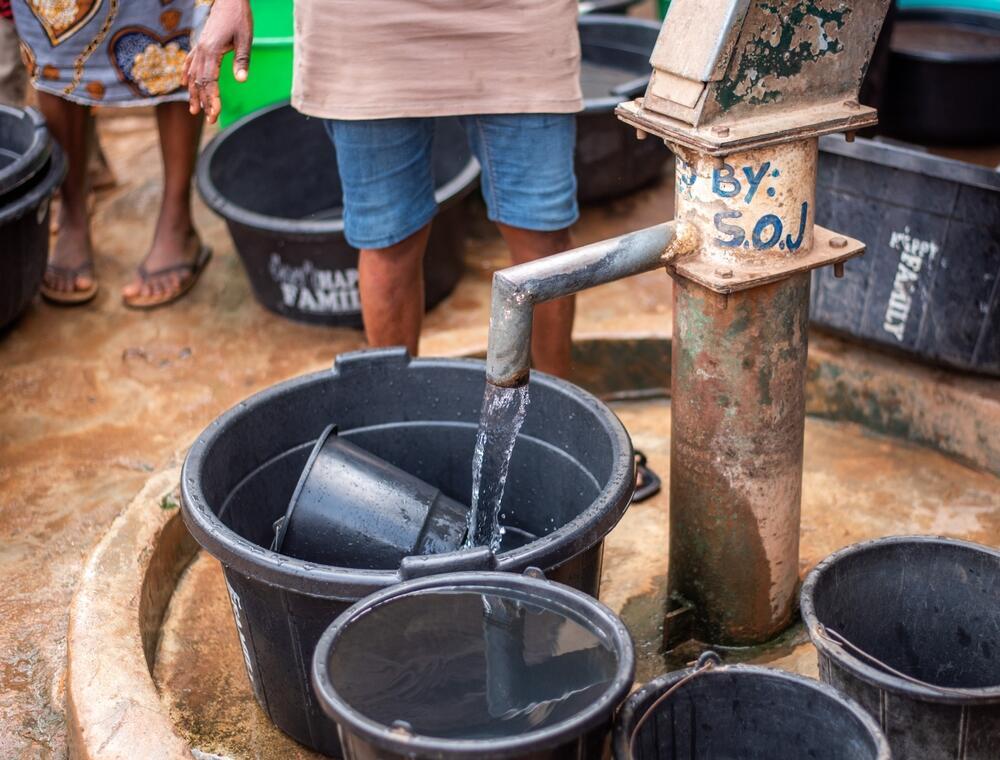
People must walk to get water. Nigeria
(Photo: Shutterstock)
To understand what that means, it is important to look at how “access” is defined. International standards do not necessarily refer to running water in the home, but to a much lower minimum standard, one that is hardly considered a problem in Western countries. This is where the gap between statistics and real life begins.
“The UN defines basic access to water as a source considered safe that is no more than a 30-minute walk away,” Prof. Schler explained. “It means that 30% of Nigerians have safe water, meaning it is piped directly into their homes. Fifty percent have basic access, meaning they have to walk up to 30 minutes to reach water. The remaining 20% don’t even have that.”
But even that figure does not capture the full cost. Behind the dry definition of “basic water access” lies a demanding daily reality, almost routine, that shapes the lives of entire families, especially women and girls.
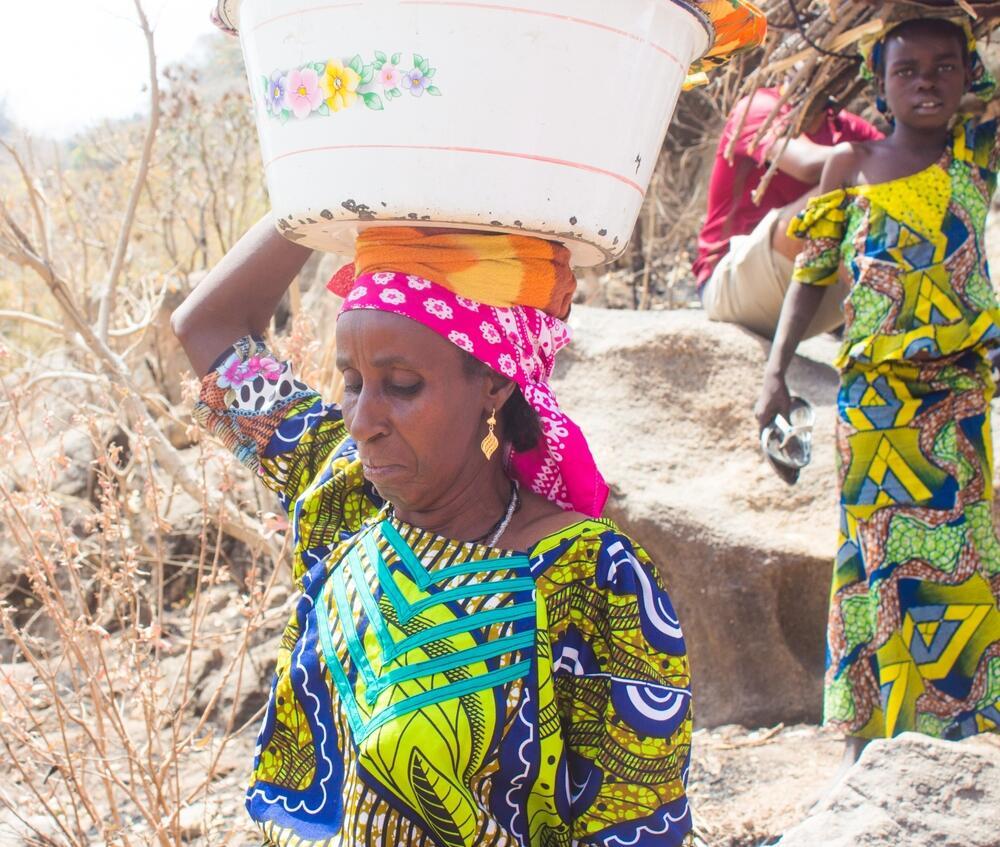
'Women and girls walk every day for about half an hour and carry 20 to 30 liters of water on their heads or backs'
(Photo: Shutterstock)
“In an average household, women and girls walk every day for about half an hour and carry 20 to 30 liters of water on their heads or backs,” she said. “A family needs 60 to 100 liters a day for cleaning, cooking and bathing. That means millions of people spend at least an hour and a half every day just trying to get water.”
That burden feeds a destructive cycle. Girls often drop out of school to help maintain the household. “Some become pregnant before age 18, and from there the path to poverty is very short,” Schler said. “A young woman who is pregnant, from a very low socioeconomic background and unable to read or write, has no way to earn a living. Many do not receive prenatal care and therefore infant mortality remains high.
The lack of water also undermines basic hygiene. “One of the leading causes of death in Nigeria is intestinal disease, especially diarrhea, which accounts for 11% of deaths each year,” Schler said.
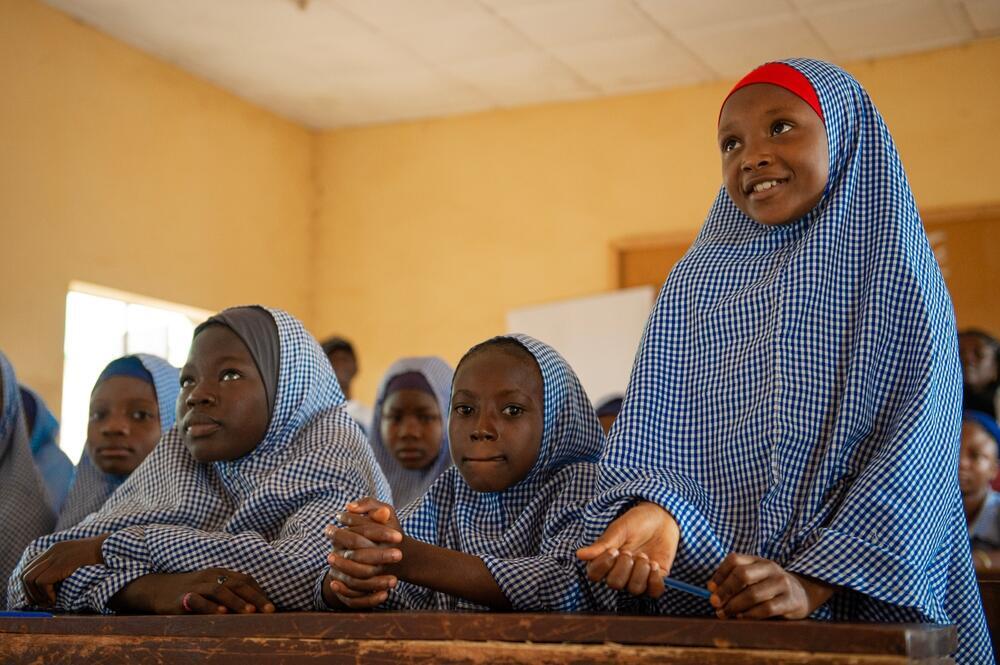
No school during their time. Girls in Nigeria
(Photo: Shutterstock)
Sanitation is also a major issue. More than half of Nigerians practice open defecation. Girls face additional barriers, as many schools lack water, forcing them to miss classes during menstruation. “If there’s no water, they don’t go to school during their period,” she said. “That’s what happens for most girls.”
Electricity
Even where water is available, electricity often is not. As with water, this is not just about comfort or quality of life, but about health and survival. The lack of reliable electricity affects food and medicine storage, clinic operations, and how people cook and heat their homes, setting off another chain of medical consequences.
"About 40% of Nigerians, roughly 80 to 90 million people, have no access to electricity. If there’s no electricity, there’s no refrigerator, no light, and clinics also don’t have power,” Schler said. “This factor has a major impact on mortality.”
It also affects how people cook. “If you don’t have electricity, how do you cook?”
Over an open fire?
“Exactly. Lung disease is the third leading cause of death in Nigeria, alongside malaria and diarrhea. People cook with smoke indoors, burning wood and charcoal in enclosed spaces, and that is a major contributor to mortality.”
A struggling health system
The lack of water and electricity does not stand on its own. It ultimately converges in the most sensitive arena, the health care system. There, it becomes clear how the infrastructure crisis is intertwined with decades of economic policy, chronic staff shortages and brain drain.
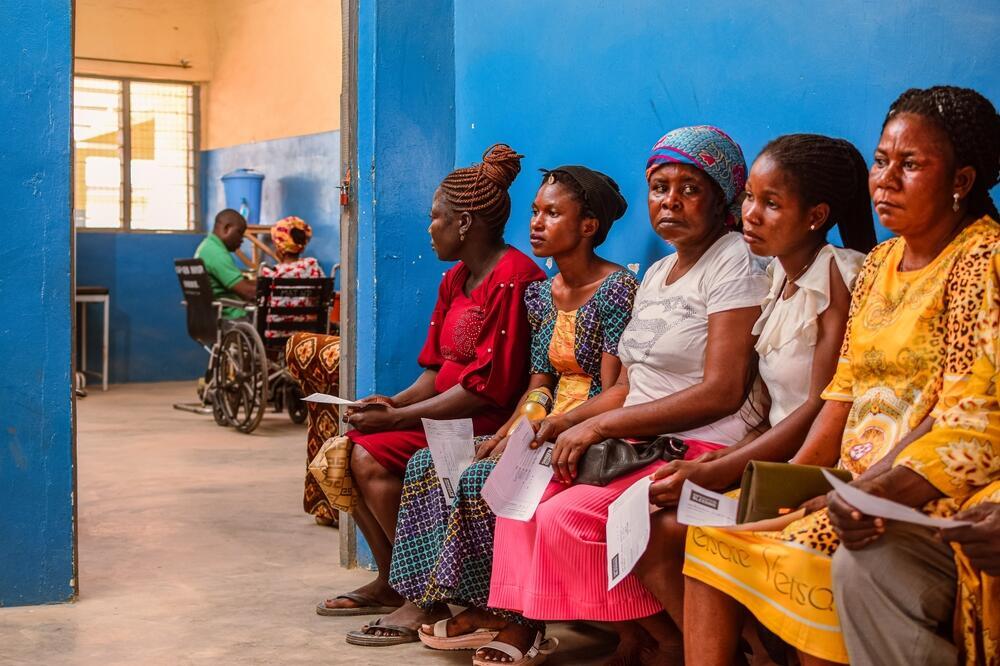
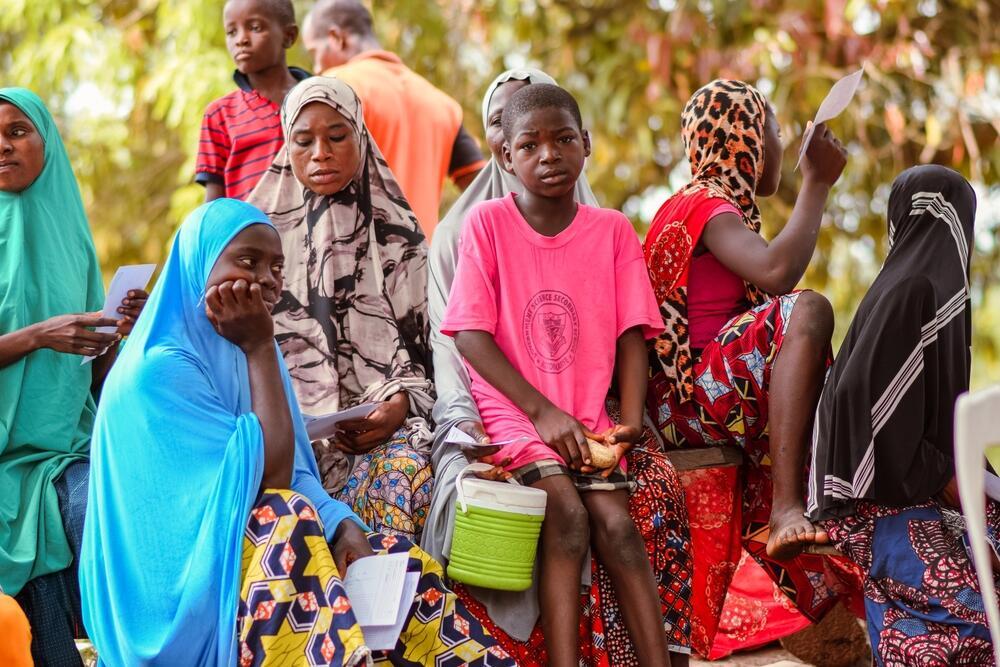
Three doctors per 10,000 people. Women wait in line at a clinic
(Photo: Shutterstock)
“The health system is very problematic,” Prof. Schler said, pointing to the main factor behind the collapse of a system that was once relatively stable. “Since the 1980s and 1990s, when the World Bank and the International Monetary Fund pushed African countries to adopt neoliberal policies of reducing government services and privatizing health care and education, health systems that had been relatively stable in the 1960s and 1970s deteriorated sharply, leading to clinic closures.
Each economic crisis worsened poverty and reduced access to health care,” she said. “All of this was done so Africa could receive the loans it needed after the economic crises of the 1970s.”
The shortage of doctors is severe. "In the U.S. and Israel, there are about 36-37 doctors per 10,000 people. In Nigeria, there are just 3. Even when doctors are available, they often work without reliable water or electricity. In addition, even when a doctor is available to examine a patient and prescribe medication, many people cannot afford to buy it. The result is that diseases such as malaria remain major causes of death."
Adding to the problem is a steady brain drain. “People who finish medical or nursing school move to the U.S. or Europe,” Schler said. “They graduate and get on a plane.”
The toll on children
The consequences are most visible in infant and child mortality. “Infant mortality is the main issue,” Schler said. “According to the UN and international health organizations, infant mortality is defined as deaths within the first month after birth, but in Nigeria there is also a high rate of child mortality under age 5, largely due to a lack of water and electricity.

Many children die before age 5
(Photo: Shutterstock)
"Some babies are born prematurely, while others are delivered by C-sections that fail because of infrastructure issues. There is no prenatal care and no routine checkups during pregnancy, and in some cases newborns contract infections and bacteria during birth. Of those who are born healthy, some later die from malnutrition.”
According to Schler, many of these deaths are preventable. “In countries with functioning health systems and basic infrastructure, a large portion of these cases could be avoided,” she said. “Seventy-five percent of child deaths, especially those who die within a week in hospitals, could have been prevented.”
Beyond infrastructure: security, oil and a governance crisis
Alongside the infrastructure crisis, the collapse of the health system and their consequences, another factor often stands out in public discourse: Nigeria’s security situation. For many outside the country, and sometimes within it, Nigeria is primarily associated with terrorism, violence and armed groups. But according to Prof. Schler, the picture here is also more complex, and while the violence is real and painful, it does not on its own explain the country’s life expectancy.
“There are areas in the northeast of the country plagued by gangs and criminals such as the Boko Haram terrorist group. These groups do cause deaths in specific regions, but the image of Nigeria as a country defined by security problems applies only to certain areas.
In the past two years, about 10,000 people have died from these issues. “In recent years, about 10,000 people have died due to these issues,” she said. “In a country of 220 million, it’s significant in specific regions, but not the main cause nationwide.”

Boko Haram leader Abubakar Shekau
(Photo: Reuters)
"If you ask a Nigerian what drives the high death rate, they will say security issues, because it is a political concern that worries people, and they believe it is more significant statistically than it actually is.”
While the northeast of the country is marked by armed violence, communities in the south face a different kind of crisis, a deep environmental disaster tied to the oil industry. “The pollution there is unimaginable. Oil companies have contaminated the land, which is the source of water and air,” Prof. Schler said. “As a result, many areas where millions of people live have become uninhabitable. Farming is no longer possible, and neither is fishing. In the Niger Delta, where Nigeria’s oil is located, this is an extremely serious problem, truly a matter of life and death for local communities. But again, this is specific to certain areas and not the reason for high mortality across the entire country.”
The urban environment itself poses a growing and severe challenge. “There is a serious crisis driven by uncontrolled urban population growth, where the mortality rate is higher,” Prof. Schler said. “There is a massive influx of young people from across Nigeria into the cities. It is estimated that about 5,000 young men and women are added to the urban population every day.
“Within the cities, people live in substandard conditions without hygiene, water, or sewage systems, and face extreme poverty. There is no social, family or traditional safety net for those on the margins of society. Everyone is left to fend for themselves.”
Taken together - lack of water and electricity, a partially functioning health system, localized violence, environmental pollution in the south and unchecked urbanization - all point to a broader issue: a dysfunctional government.
“All of these problems could be solved if there were a functioning government that took responsibility for its population,” Prof. Schler said. Instead, she argues, Nigeria has been in a constant state of conflict and under a persistent threat of fragmentation since the Biafra civil war in 1967. It faces deep social, cultural, religious, regional and economic divisions, with stark inequalities across regions.
“The government serves the interests of a very small elite,” she said. “The oil industry is also a major driver of corruption in the country, with funds disappearing instead of reaching the public, not in the oil-producing regions and not across Nigeria as a whole. The government does not take care of its citizens.”
In a world where life expectancy has risen almost everywhere, Nigeria stands as a reminder that longer lives are not guaranteed. They depend on basic infrastructure, functioning institutions and accountable governance. Until those foundations are in place, the numbers are unlikely to change.