

Somalia has not granted Israeli airline Arkia permission to fly through its airspace, a move that could force the carrier to alter its flight route to Thailand if approval is not received by early February, the airline said.
The delay comes amid diplomatic tensions following Israel’s recent decision to recognize Somaliland as an independent state, a step Somalia has strongly opposed. Somalia rejects Somaliland’s claim to independence and views it as an integral part of its territory.
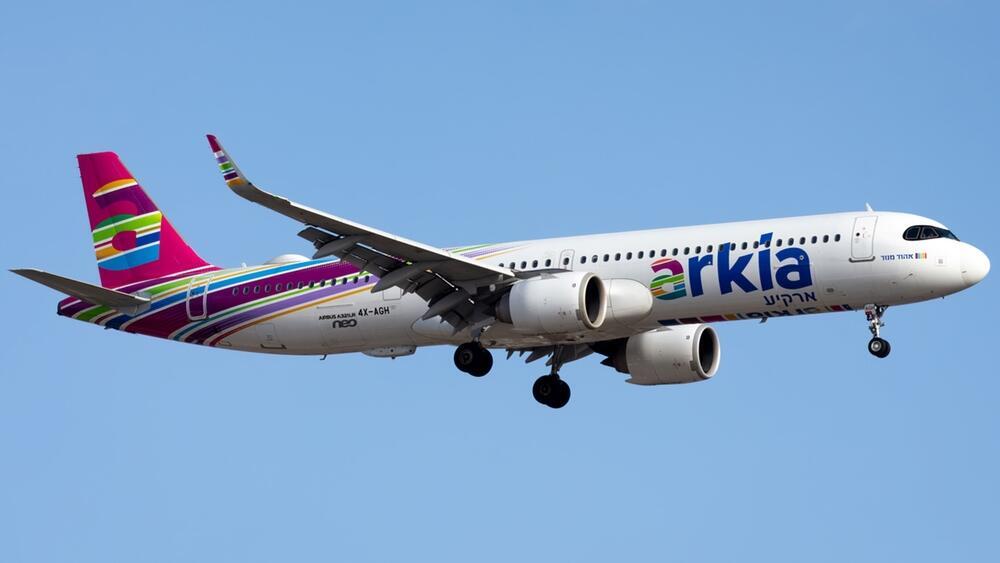
(Photo: Ronen Fefer / shutterstock)
Arkia said that as part of routine international aviation procedures, airlines periodically submit requests for overflight permits on various routes. The company has not yet received a renewal of its permit to fly over Somalia for February. According to Arkia, an internal review showed that other airlines have also not received renewed permits at this stage.
Israel’s flagship carrier El Al said it does not currently expect changes to its Thailand flight route. El Al receives overflight approvals on an annual basis, and its existing permit remains valid until March, though the airline could face a similar situation once that approval expires.
Arkia, by contrast, applies for overflight clearance on a monthly basis.
In a statement, Arkia said the matter has been referred to the relevant authorities, including Israel’s Civil Aviation Authority and the Foreign Ministry, and that the airline is operating in full coordination with them.
“If approval is not received by the beginning of February, the company will operate on an alternative route, with no changes to flight schedules and no impact on passengers,” Arkia said.
Diplomatic backdrop
Last month, Prime Minister Benjamin Netanyahu announced Israel’s formal recognition of Somaliland as a sovereign and independent state. Somaliland, which has functioned as a de facto state for more than three decades, is expected to establish diplomatic relations with Israel under what Israeli officials described as an agreement “in the spirit of the Abraham Accords.”
Somalia swiftly condemned Israel’s move, issuing a joint statement with Turkey, Egypt and Djibouti rejecting the recognition. The foreign ministers of the four countries said they opposed the decision and reaffirmed their support for Somalia’s unity, sovereignty and territorial integrity, according to Egypt’s Foreign Ministry.
Saudi Arabia later joined the condemnation.
Israeli officials said the recognition reflects realities on the ground, noting that Somaliland has operated with a civilian government, elected institutions, relative security and peaceful transfers of power for more than 30 years.
According to officials in Jerusalem, recognizing Somaliland could help promote regional stability in a volatile part of the Horn of Africa.
“This is not an act of provocation, but an opportunity to strengthen stability,” Israeli officials said.