

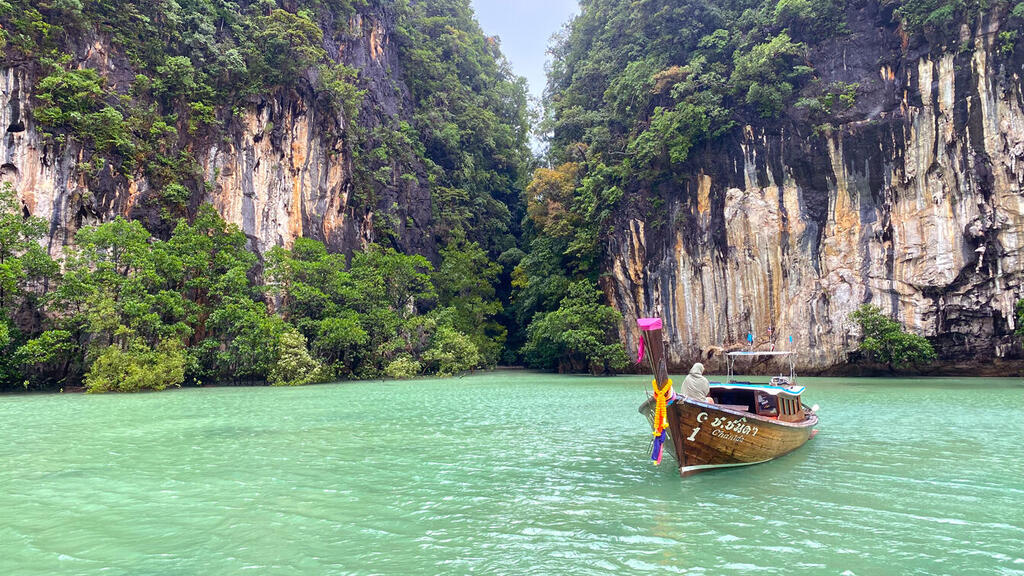
“If the sea gets too rough, we’ll turn back,” the skipper said as we set off in driving rain in Phang Nga Bay. Visibility steadily disappeared until it was nearly zero, and at a certain point the waves began to jolt the wooden longtail boat more and more violently. “In a few minutes we’ll reach a calm lagoon and it will be fine,” he tried to reassure us, but judging by the looks around the boat, most passengers were skeptical about continuing.
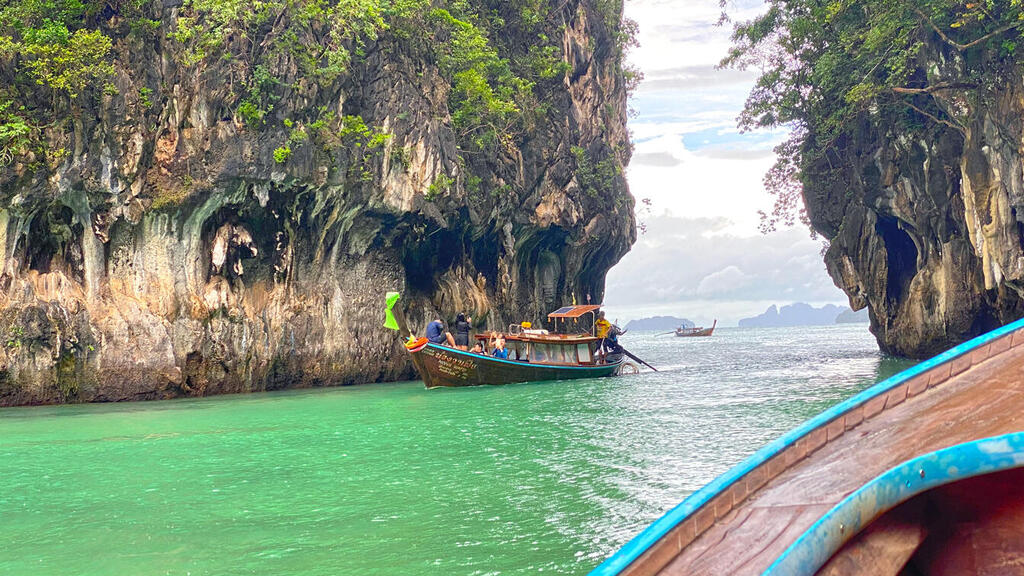
He was right. Suddenly the boat slipped through a narrow channel between two dramatic limestone cliffs and we found ourselves in paradise, gliding over turquoise water, surrounded by lush tropical jungle. The first brave swimmer jumped in despite the rain and reported that the water was actually warm compared with the chilly drops, prompting most of the others to follow.
(Gilad Carmeli)


(Photo: Gilad Carmeli)
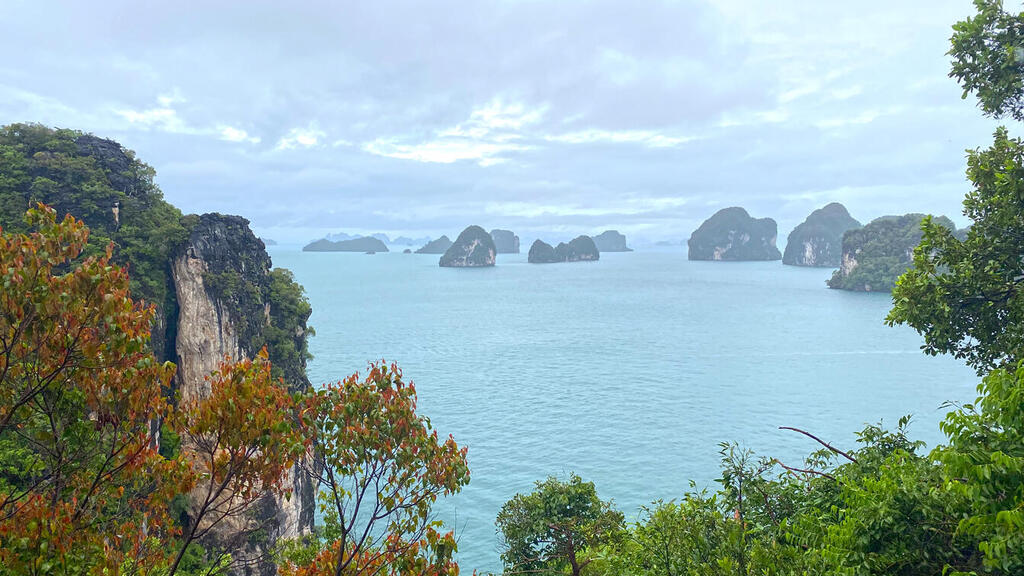
The trip, from the island of Koh Yao Noi (“Little Long Island”) to the uninhabited Koh Hong, is considered one of the most beautiful attractions along Thailand’s Andaman Sea coast. Koh Hong means “Room Island,” named for the spectacular lagoon at its center, encircled by cliffs on all sides. At low tide, the lagoon is cut off from the sea and cannot be entered by boat, or by any other means.
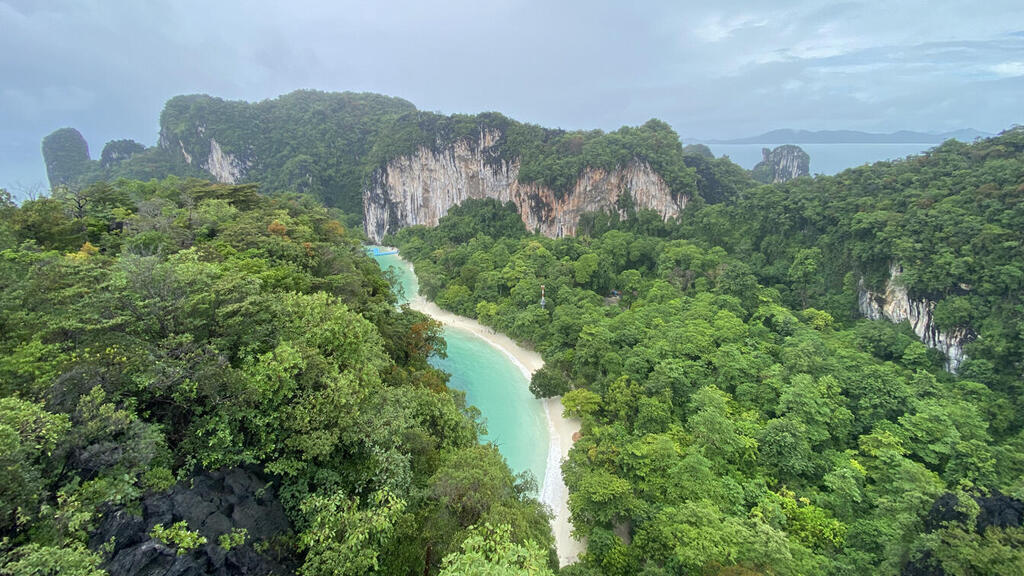
Koh Hong has just one beach, Pelay Beach, but the combination of glowing water and fine white sand makes it, in many eyes, one of the most beautiful beaches in all of Thailand. Visitors can snorkel above coral reefs offshore. Inside the dense jungle that covers the island’s limestone cliffs, a roughly 700-meter hiking trail has been laid out, along with a climb of about 400 steps to a panoramic viewpoint at the island’s highest point.
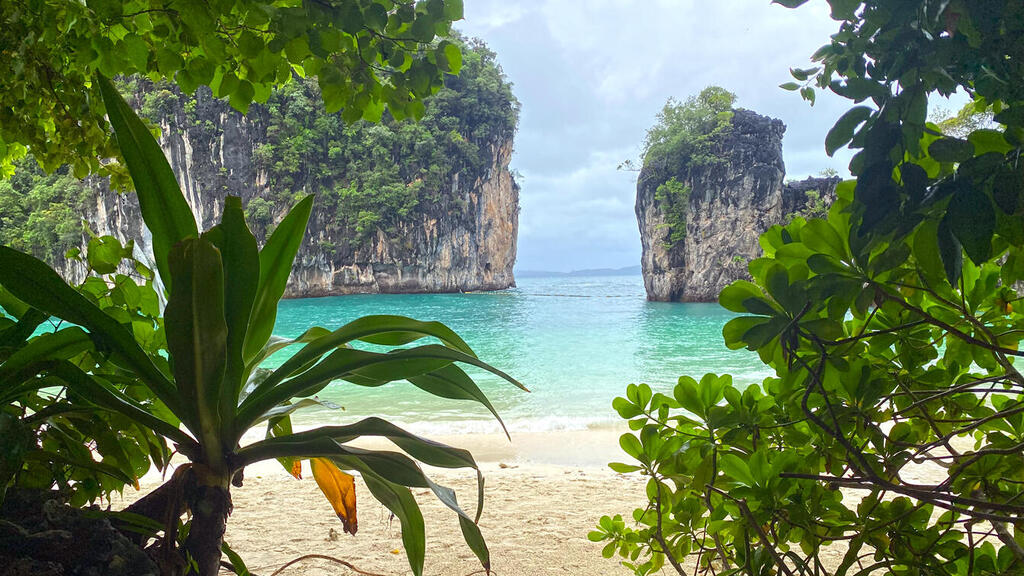
Pelay Beach
(Photo: Gilad Carmeli)
(Photo: Gilad Carmeli)
(Photo: Gilad Carmeli)
Koh Yao Noi itself is relatively developed, as tourism has existed there for years, though on a much smaller scale than in Phuket or Krabi, about a 30-minute boat ride away. As a result, despite the development, the island has preserved its quiet, calm and sense of authenticity. “It’s a place that’s almost untouched, an island from another time,” says Federica, marketing manager of the Cape Kudu hotel on Koh Yao Noi. She is Italian and moved to the island about a year ago as part of an internship in tourism and hospitality studies. “I told my mother I was going for just a year, but I have no intention of leaving this place anytime soon,” she says.
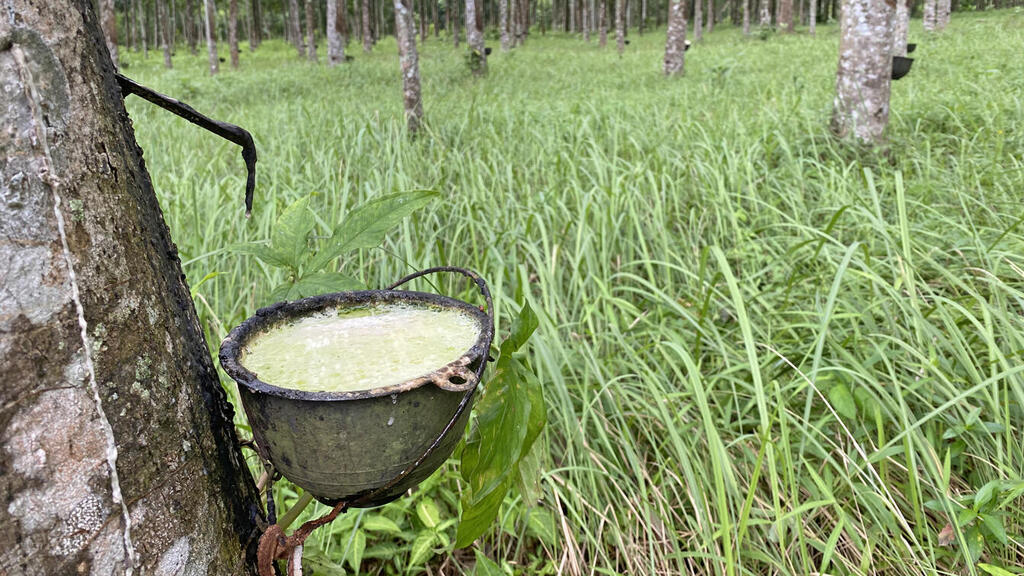
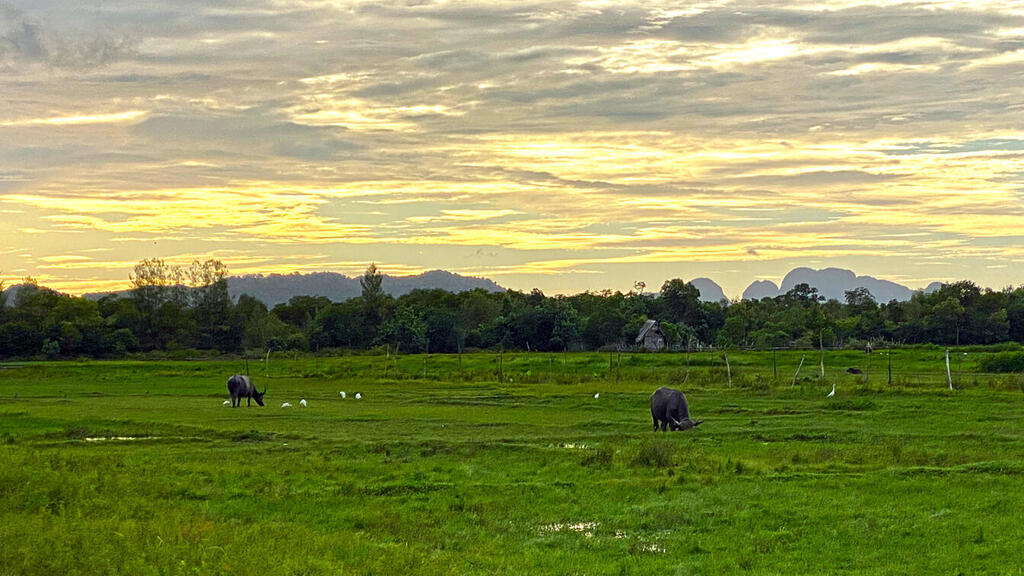
Along the island’s coastline are restaurants and a few laid-back bars. The best recommendation is simply to drive along the island’s peaceful roads and discover hidden turquoise coves, rubber and pineapple plantations, endless green rice fields and, of course, authentic villages and markets. Families with children can also try batik painting, a local technique of imprinting shapes in dye on fabric using wax.
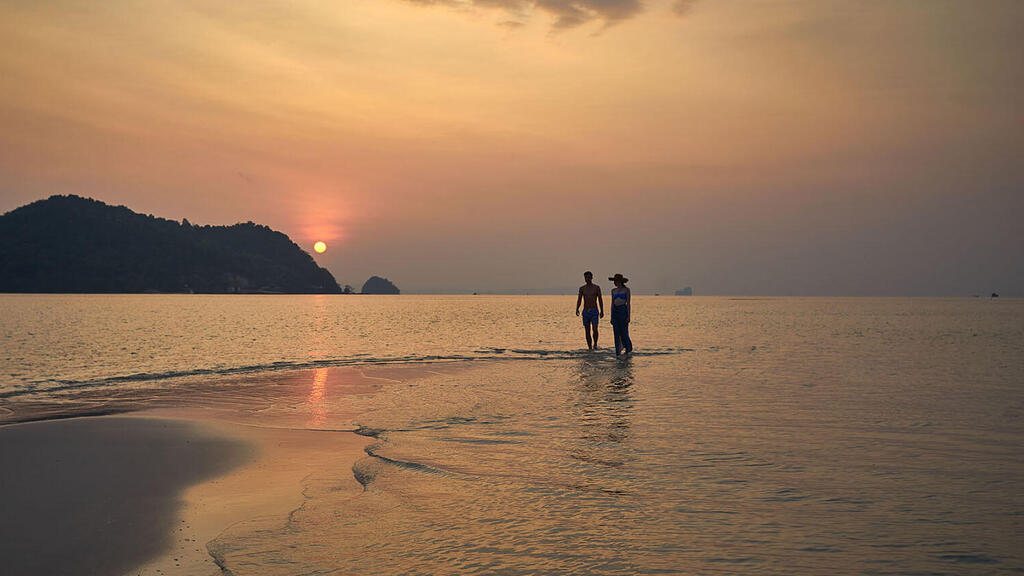
Sunset at Koh Yao Noi
(Photo: Thailand Tourism Authority)
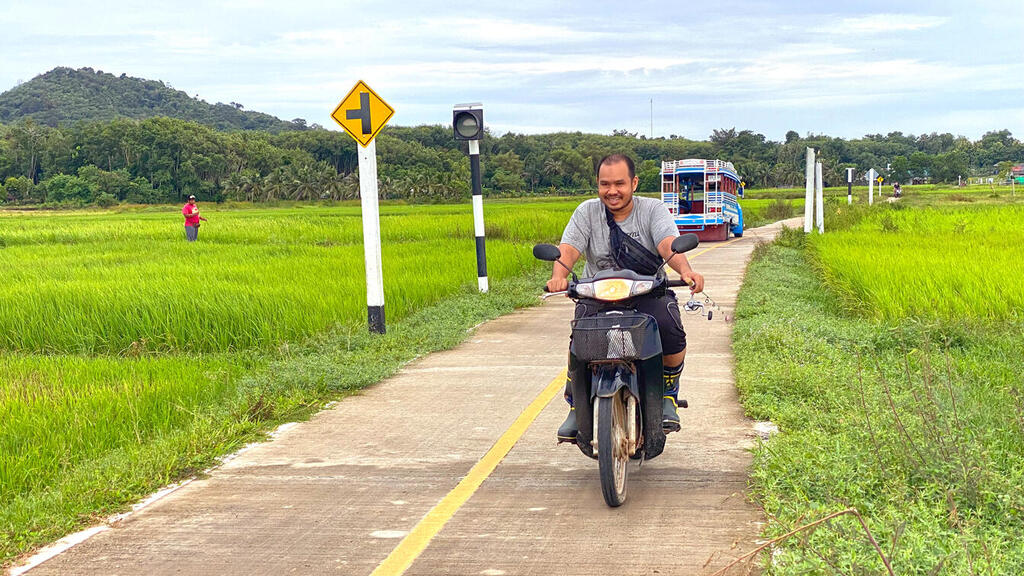
Rice fields on Koh Yao Noi
(Photo: Gilad Carmeli)
(Photo: Gilad Carmeli)
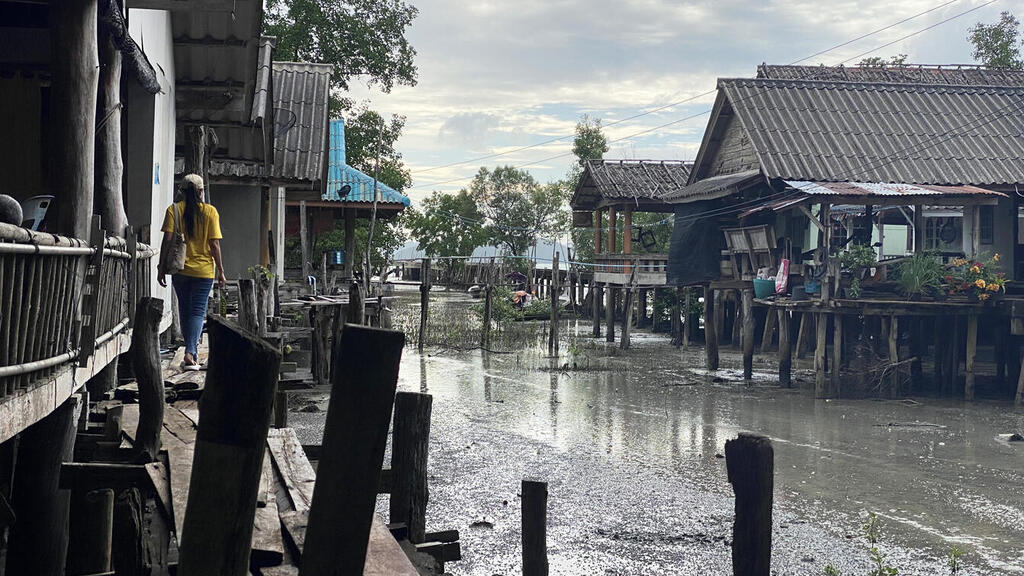
The fishing village of Ban Tha Ton Do on Koh Yao Noi
(Photo: Gilad Carmeli)
(Photo: Gilad Carmeli)
(Photo: Gilad Carmeli)
(Photo: Gilad Carmeli)
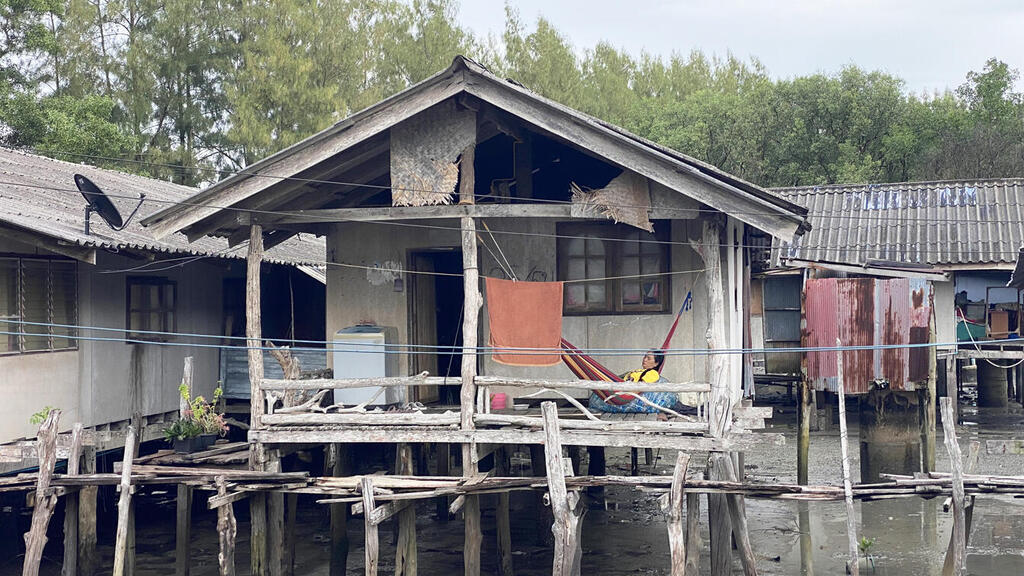
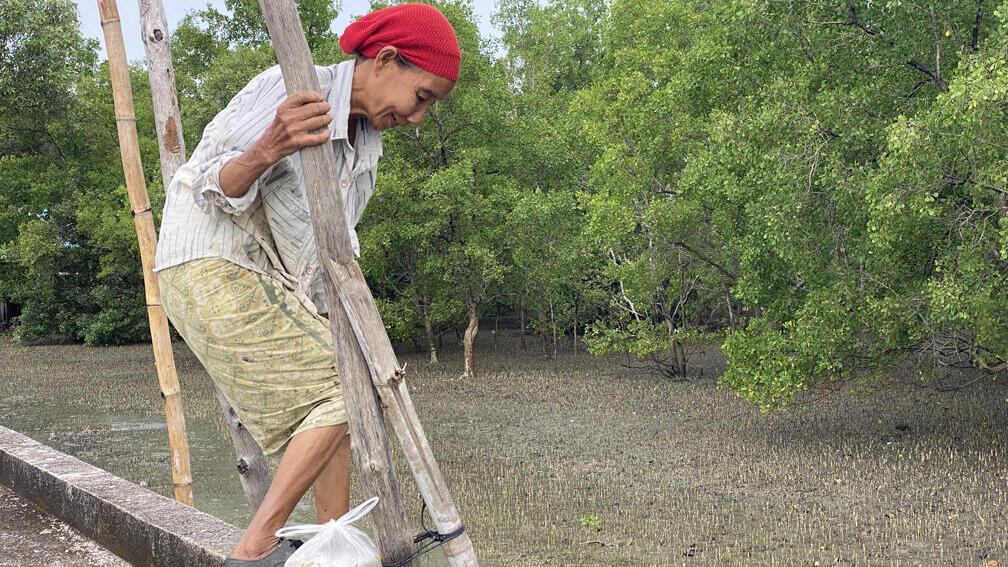
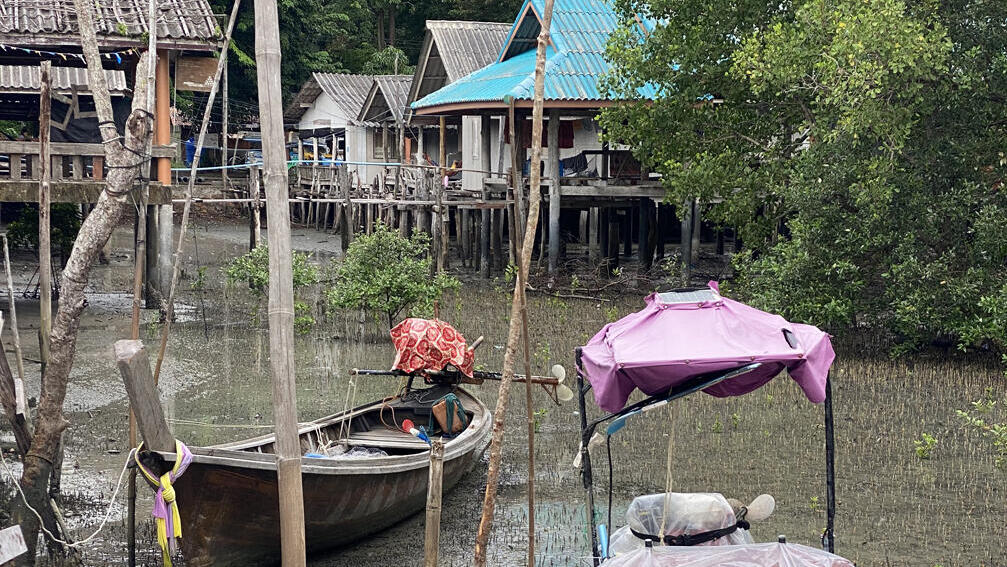
The picturesque fishing village of Ban Tha Ton Do is best visited toward sunset, to watch from the end of the long pier that extends from an impressive mangrove forest into the sea. Along the way, visitors can see old wooden houses standing on stilts directly above the water and watch locals descend at low tide onto what was, just a short time earlier, the seabed, to hunt crabs and octopus. After sunset, dinner is recommended at the excellent Pradu Seafood Restaurant, located next to the pier.
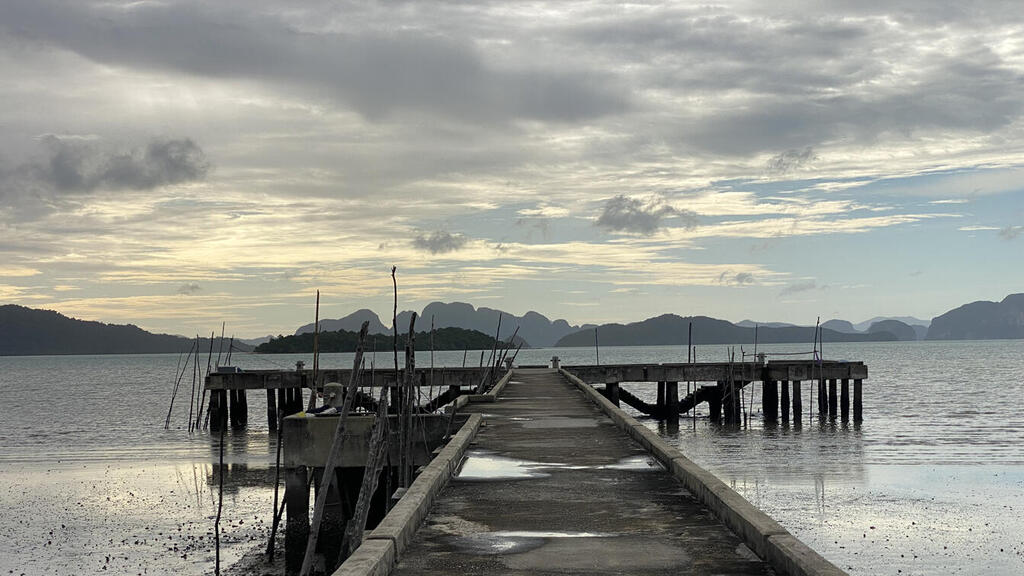
Sunset from the pier of the Ban Tha Ton Do fishing village
(Photo: Gilad Carmeli)
(Photo: Gilad Carmeli)
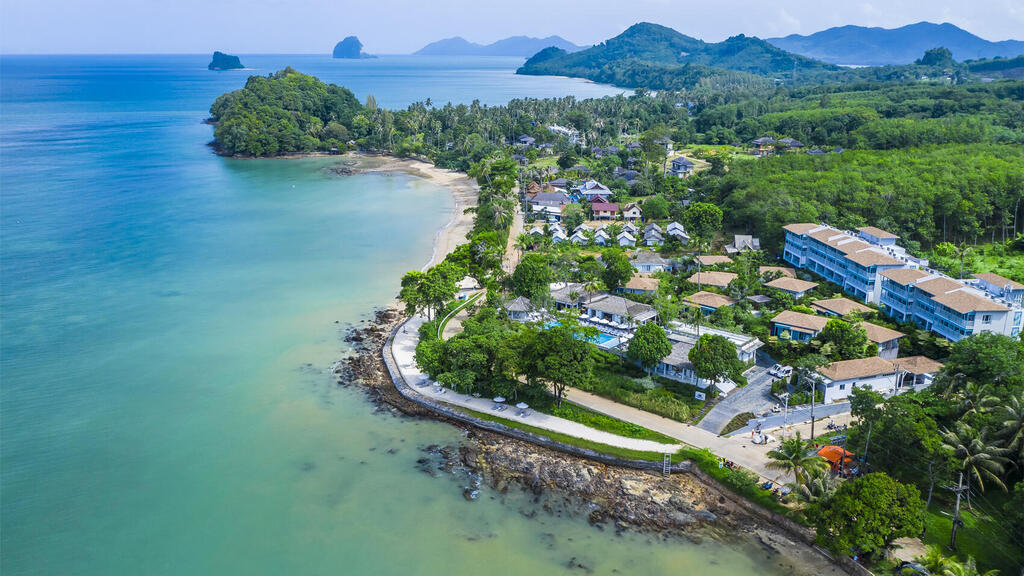
Cape Kudu hotel on Koh Yao No
(Photo: Thailand Tourism Authority)
(Photo: Gilad Carmeli)
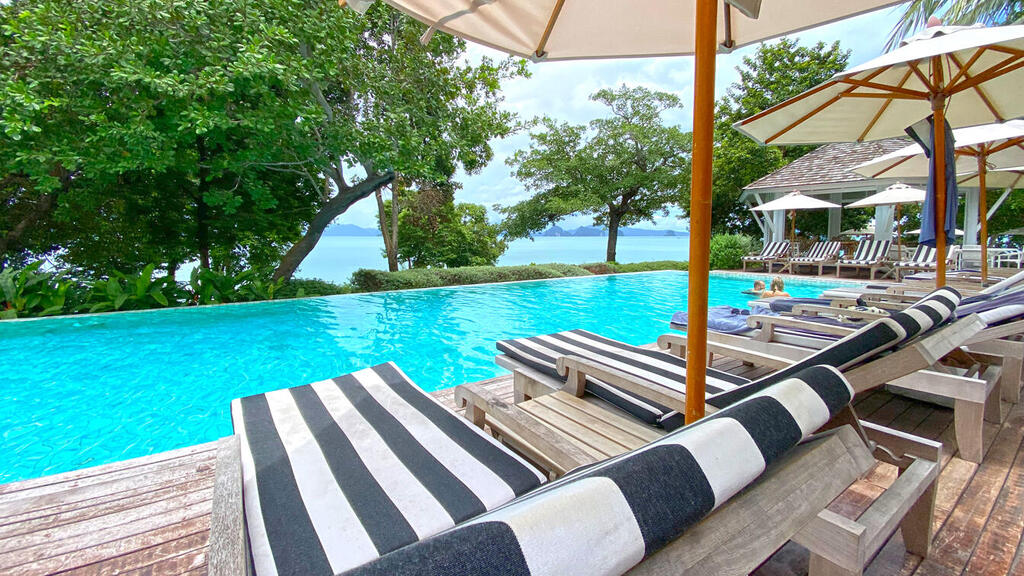
The island offers hotels across a wide price range. The most luxurious is Six Senses Yao Noi, at about $800 a night, but there are also five-star hotels at far more accessible prices. One of the most charming is Cape Kudu, part of the Cape & Kantary network, a hotel with a warm, family-style atmosphere, pleasant wood design, two inviting swimming pools, a quality restaurant and an adjacent cafe considered the best on the island. The surprising price starts at about $100 a night.
Kayaking in the mangrove forests
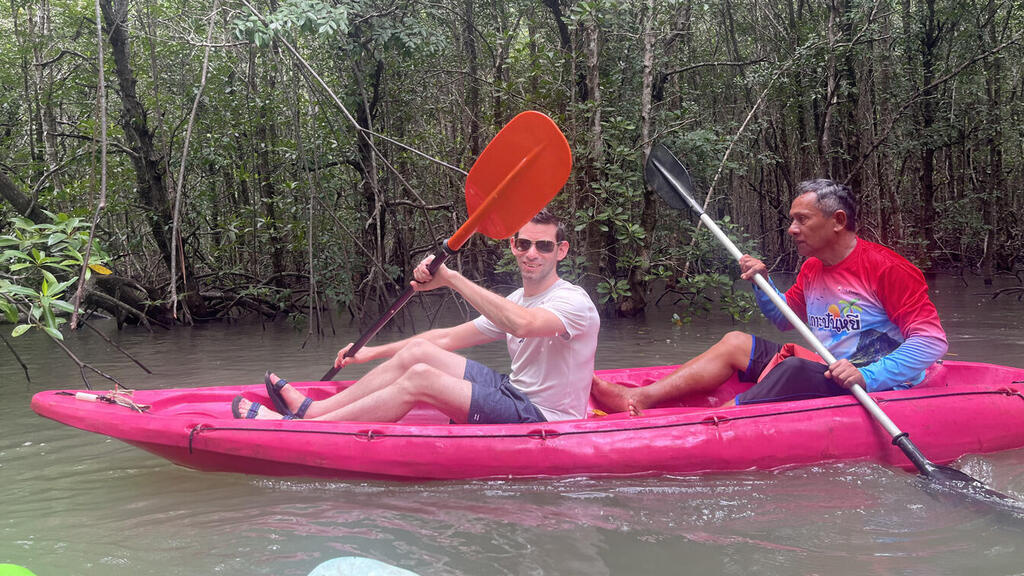
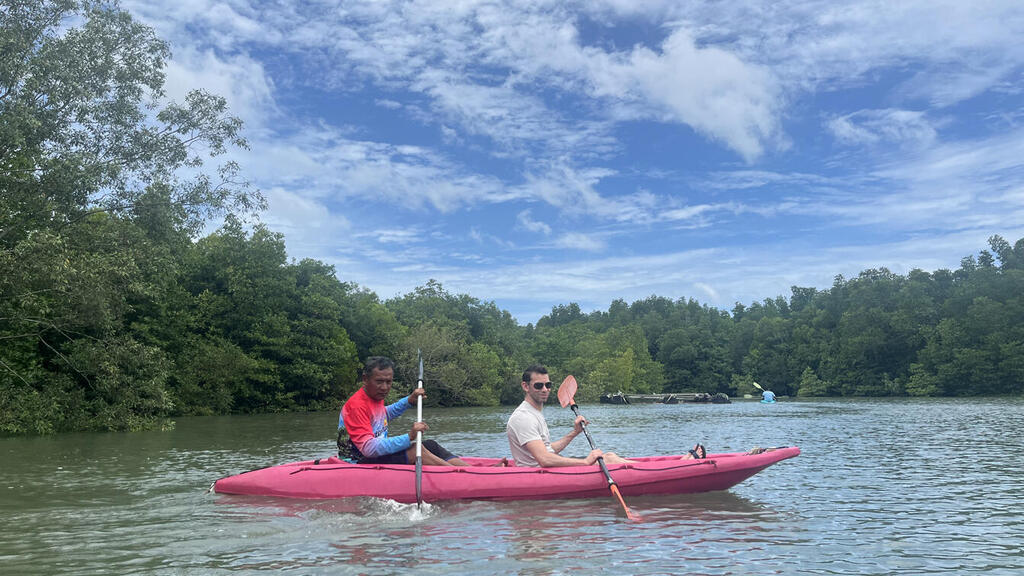
“Look carefully at the branches. There are dangerous snakes and spiders here,” the guide warned before we set out on a kayaking trip through the mangrove forest along the Luai Nam River on the neighboring island of Koh Yao Yai (“Big Long Island”). The paddle begins in a very wide channel, above which impressive birds of prey circle, occasionally diving to snatch fish from the water. Gradually the channel narrows until you are paddling deep inside the thicket between the trees, where macaque monkeys race along the branches and chase crabs.
Koh Yao Yai, the neighbor of Koh Yao Noi, is the less developed of the two. It has almost no nightlife or man-made attractions, allowing visitors to devote themselves entirely to natural, authentic experiences. “Undiscovered,” is how the island was described by the CEO of the Anantara hotel there, Raza Ishwara.
(Photo: Neta Gafni)
(Photo: Neta Gafni)
(Photo: Gilad Carmeli)
(Photo: Gilad Carmeli)
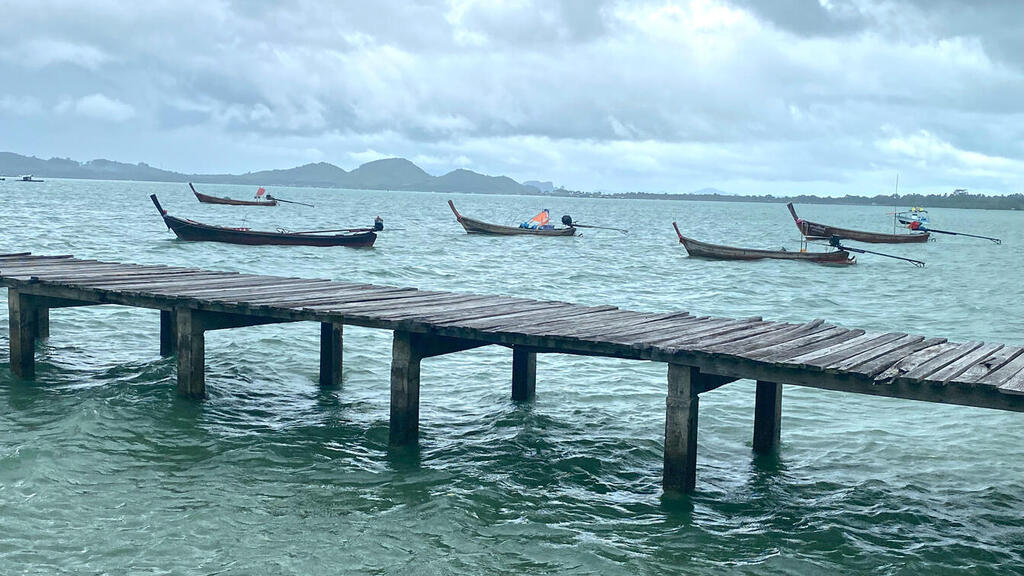
(Photo: Gilad Carmeli)
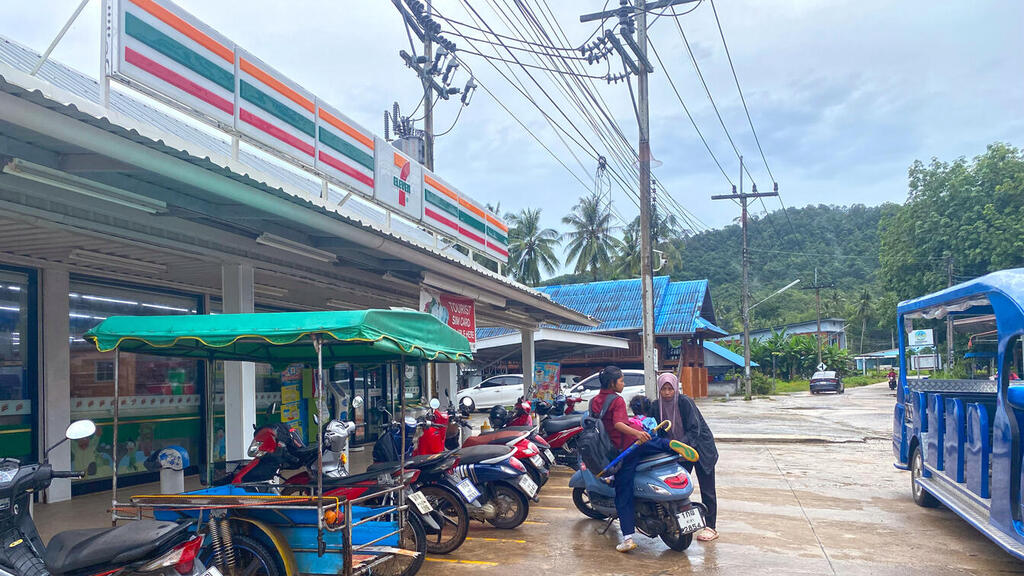
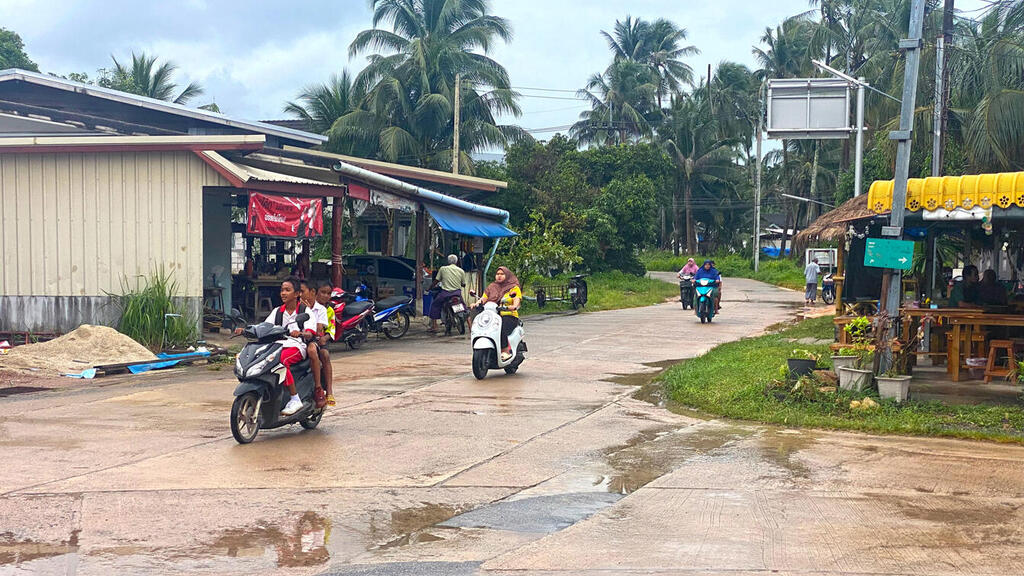
Here too, it is recommended to wander the island’s roads by bicycle, car or scooter, discovering pristine nature along with local culture and cuisine. Together, the two islands have only about 18,000 residents. About 90% are Muslim, likely descended from families who migrated there from Malaysia several hundred years ago.
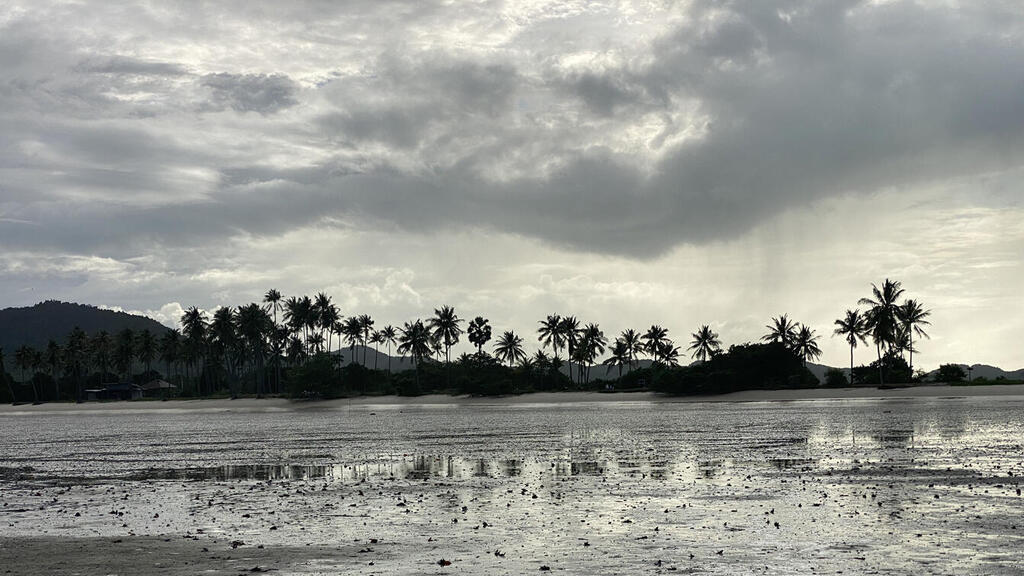
A must-see stop is Laem Haad Beach, a long white stretch lined with tall coconut palms. At its center is a sandbar that juts into the sea, effectively creating, at high tide, a “beach on all sides.” It is especially beautiful at sunset, though at low tide the waterline recedes far from shore.
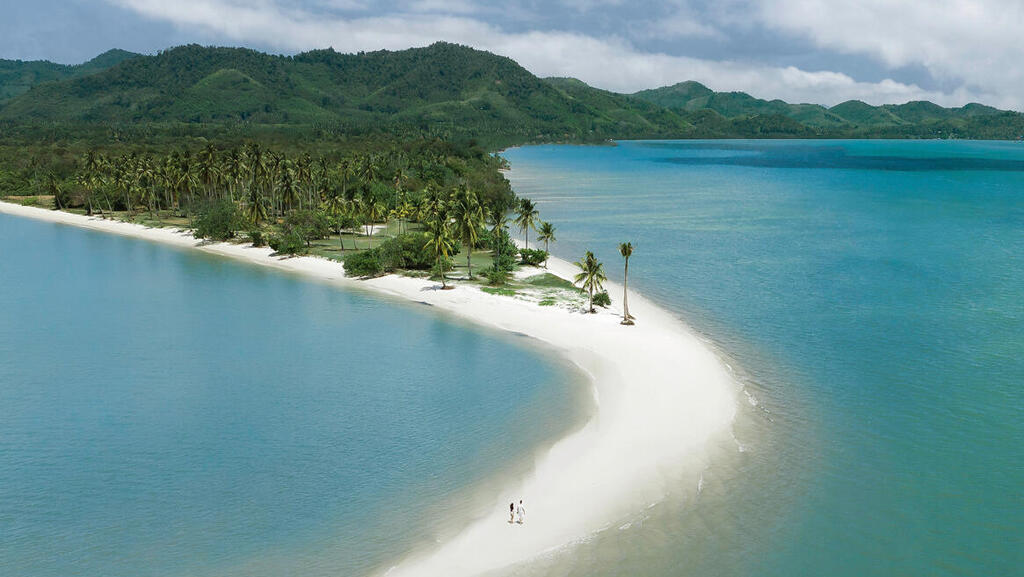
Laem Haad Beach on Koh Yao Yai
(Photo: Thailand Tourism Authority)
(Photo: Gilad Carmeli)
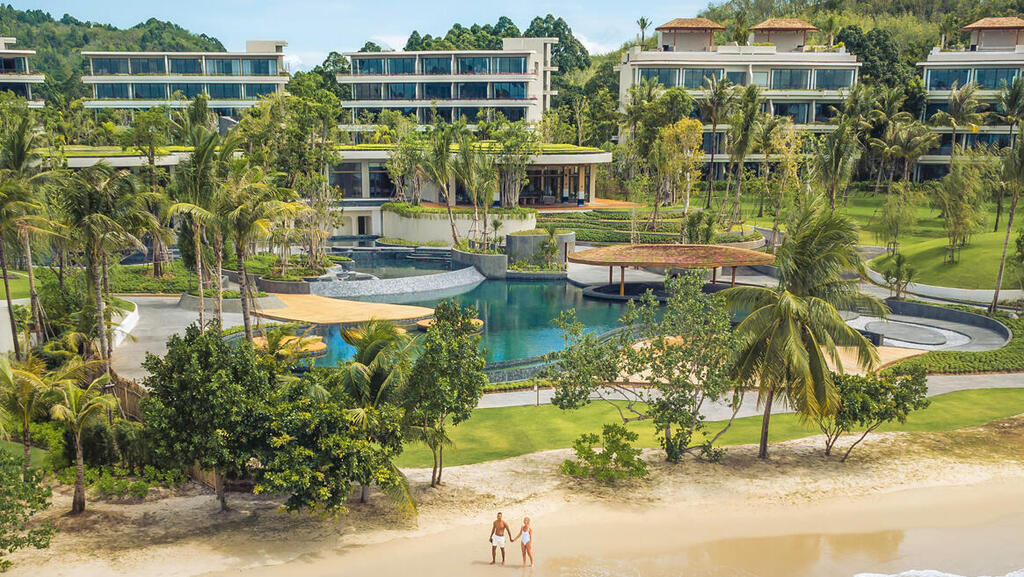
The island offers a range of hotels at all price levels. Four-star hotels can easily be found for around $120 a night. The best hotel on the island, however, is the Anantara Koh Yao Yai Resort & Villas. It has a private pier, allowing guests to arrive directly by boat. The property includes 148 villas and suites, some right on the beach and others with private pools, along with three particularly elegant black infinity pools.
The villas are ideal for couples, while some suites are designed for families, with children’s rooms, bunk beds and toys. Families are further indulged with water slides and a well-equipped kids club featuring activities, games and a giant ball pit.
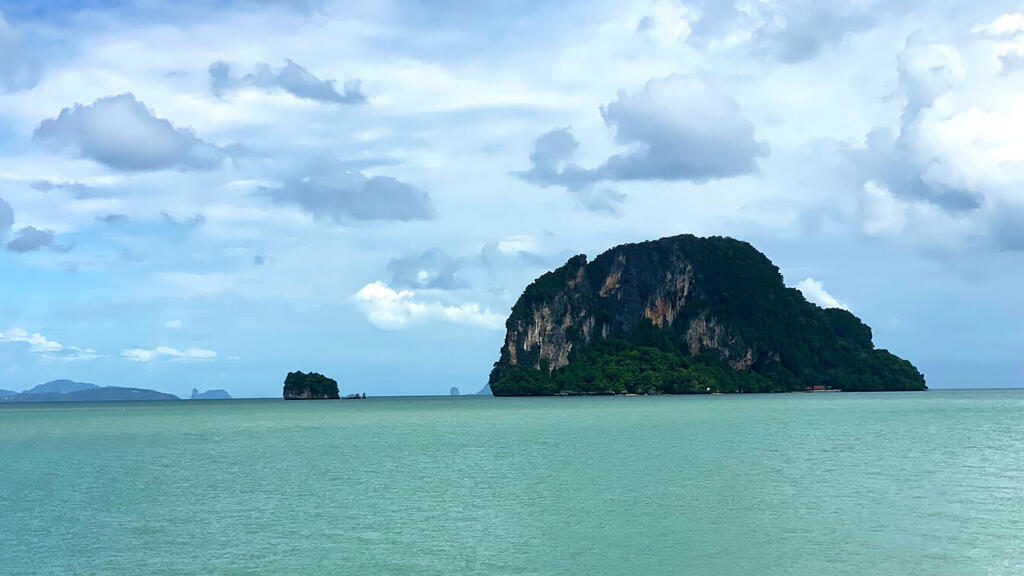
The hotel faces a small island with a tall, dramatic cliff at its center. At low tide, it can be reached on foot; at high tide, by swimming or kayaking. The resort also offers yoga classes, Thai boxing and one of the region’s most luxurious spa facilities, with a wide range of professional treatments and massages. Prices are relatively surprising given the quality, starting at $300 a night.
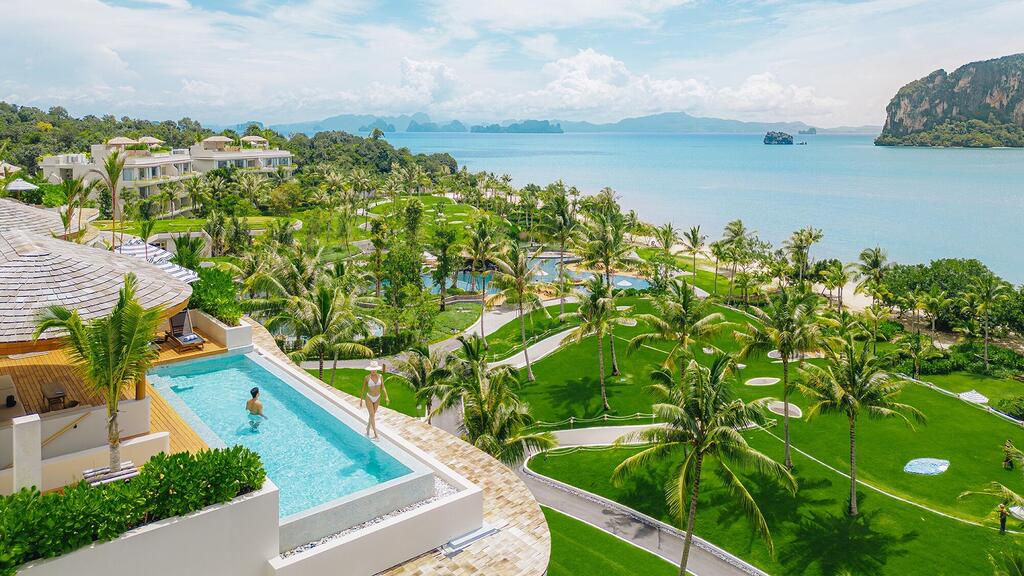
Anantara hotel on Koh Yao Yai
(Photo: Thailand Tourism Authority)
(Photo: Thailand Tourism Authority)
(Photo: Gilad Carmeli)
And there is also 'old Bangkok'
Getting to southern Thailand’s islands is currently possible from Israel via direct flights to Phuket with El Al, or with convenient connections through Dubai or Abu Dhabi on Emirates and Etihad, which fly to Phuket and nearby Krabi. Even more flights, by these airlines and others, arrive in Bangkok, and it is always recommended to spend a few days in Thailand’s vibrant capital.
Bangkok’s best-known and most popular areas include the city center, around Siam Square and Sukhumvit Road, home to luxury hotels, top restaurants and shopping malls, or the old city, with the famous Khao San Road, especially lively in the evening with numerous bars, cheap street food stalls and more budget-friendly hotels. Fewer people know Rambuttri Road, which runs parallel to Khao San and also has many bars, restaurants, cafes and shops, but with a much calmer evening atmosphere. Another recommended area is Asiatique, along the banks of the Chao Phraya River, a well-kept, visitor-friendly complex of shops, restaurants and a giant Ferris wheel offering sweeping nighttime views of Bangkok’s lights.
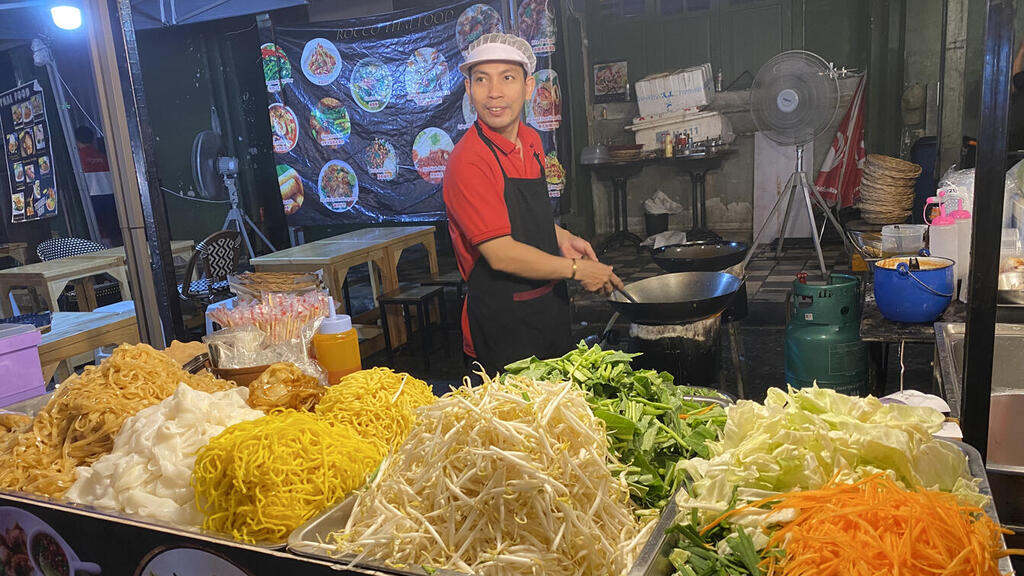
A pad thai stand on Khao San Road in Bangkok
(Photo: Gilad Carmeli)
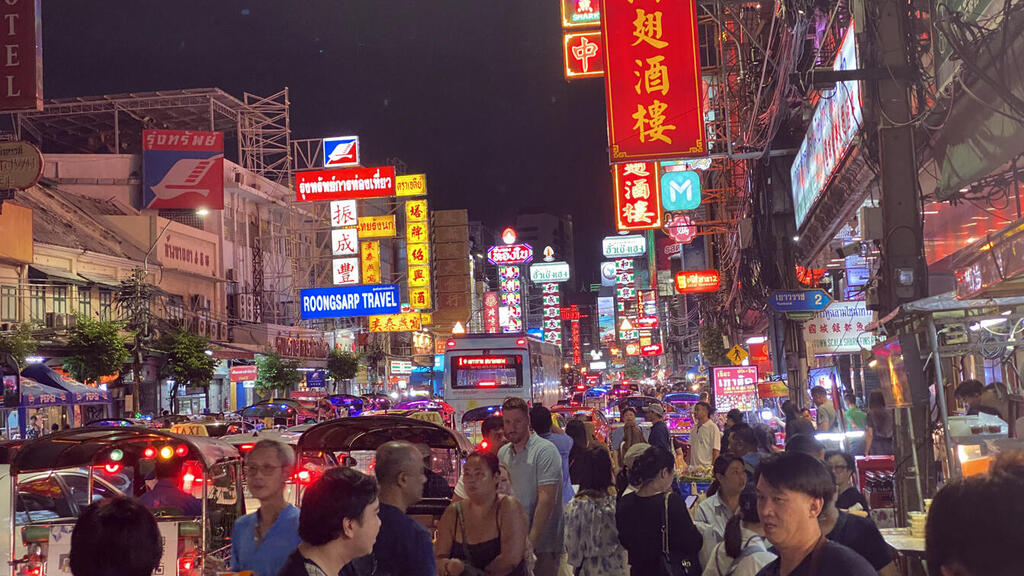
Bangkok’s Chinatown district
(Photo: Gilad Carmeli)
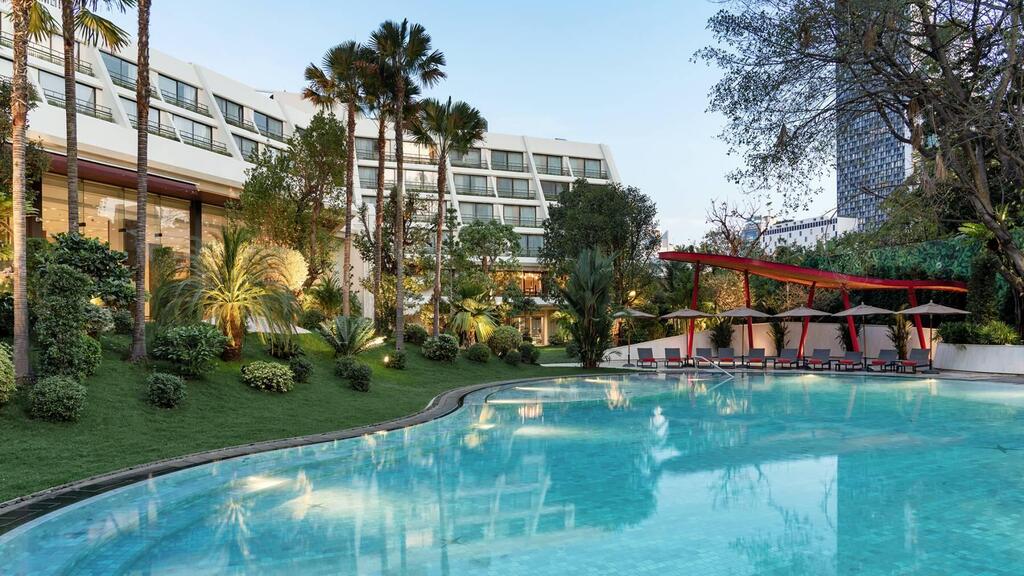
Movenpick BDMS Wellness Resort in Bangkok
(Photo: Thailand Tourism Authority)
A very centrally located hotel within walking distance of the Ploen Chit Skytrain station, and one of the only ones in the area with a ground-level garden and swimming pool, is the Movenpick BDMS Wellness Resort Bangkok. True to its name, it is packed with activities and treatments for body and mind, including a personal wellness consultant, weight-loss retreats, anti-aging retreats and even sleep retreats. This is in addition to a state-of-the-art gym open 24/7 and a spa offering treatments rarely found elsewhere in Thailand, such as an ice room, a massage while “floating” on a unique waterbed and, of course, traditional Thai massage. The price is about $150 a night.
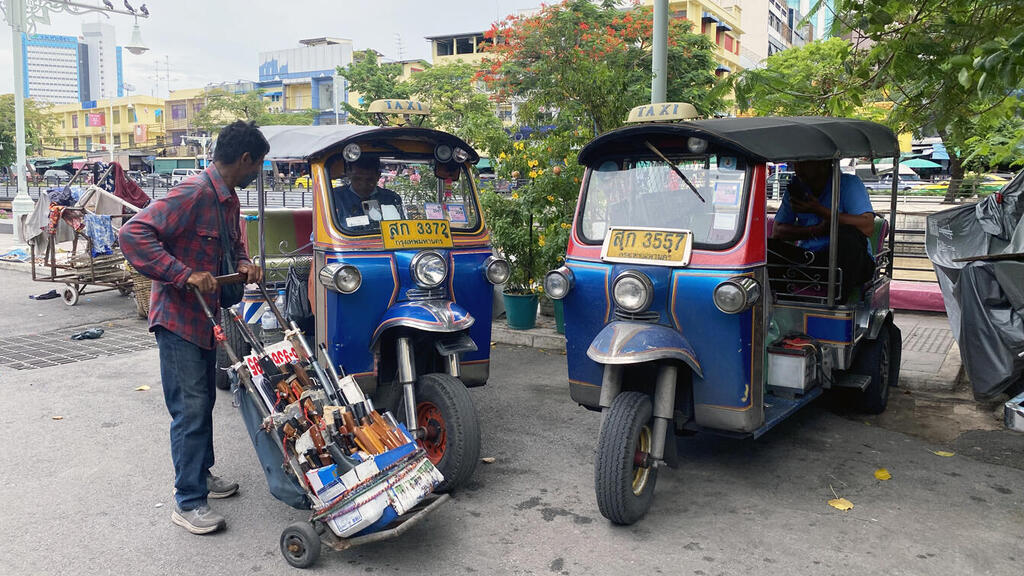
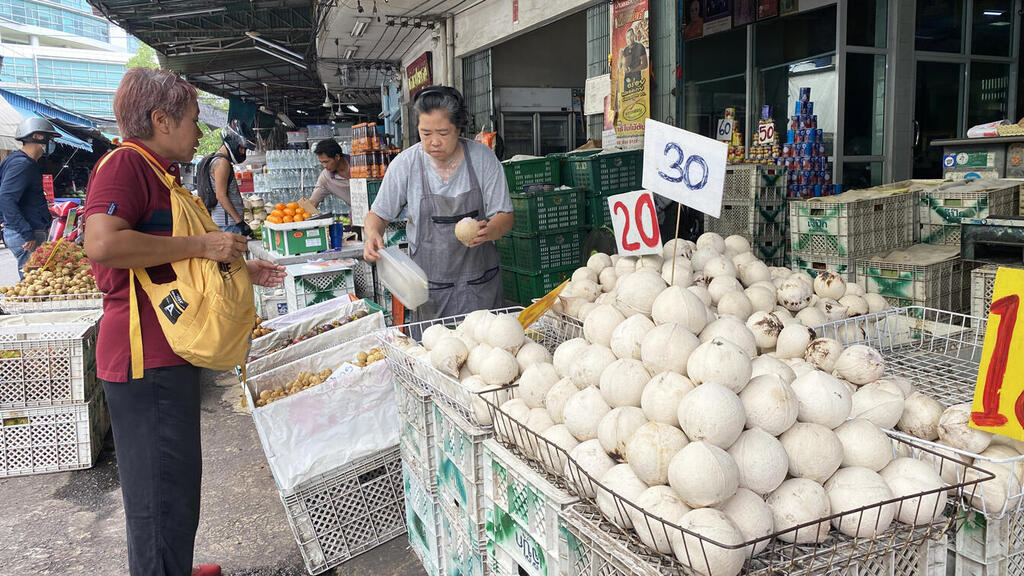
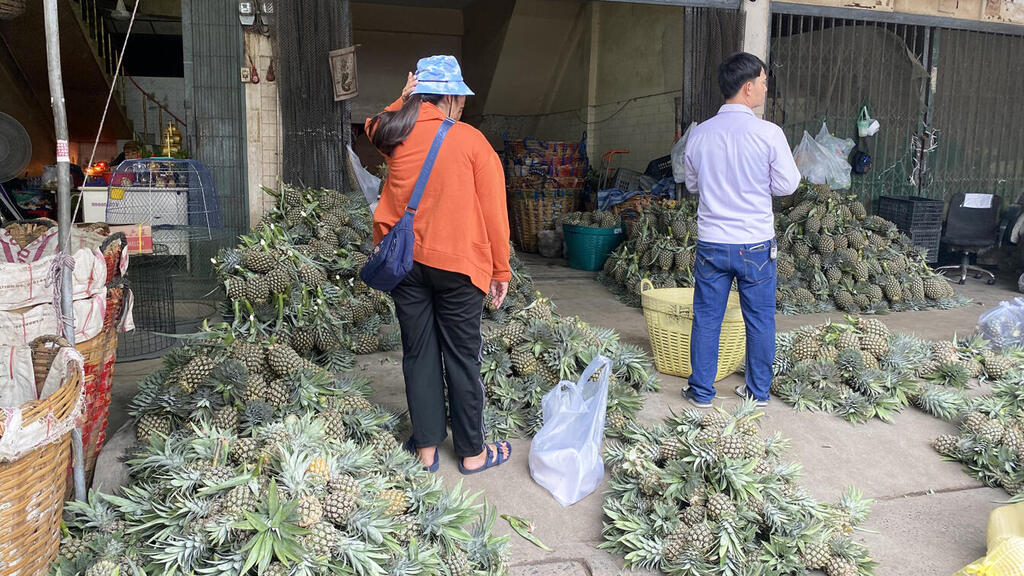
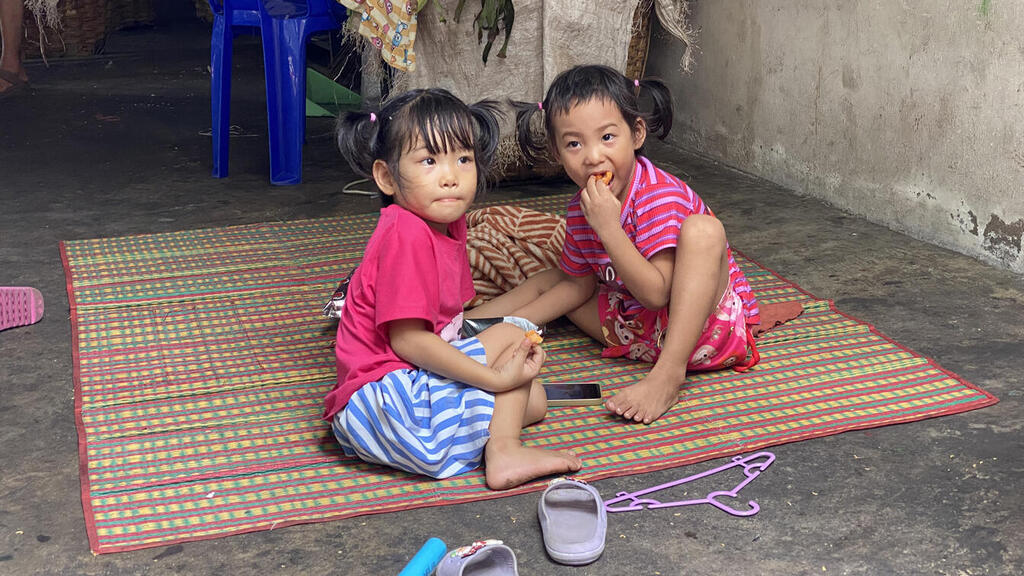
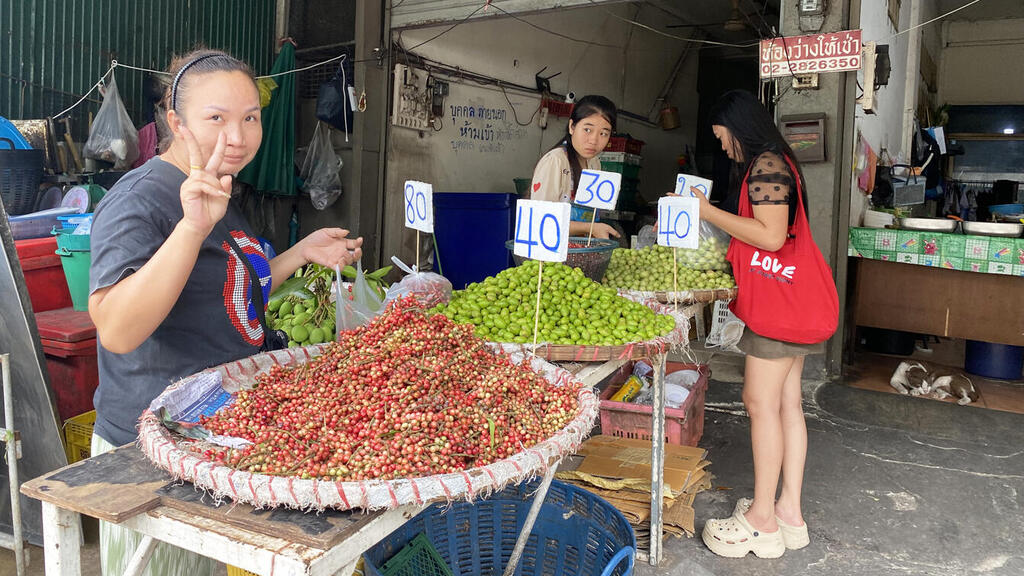
In the old part of the city, not far from Khao San, are hidden markets that tourists have yet to discover and authentic neighborhoods where it is possible to see “old Bangkok,” as experienced by ordinary residents. Talat Noi, one of the city’s oldest markets, offers a rare glimpse into traditional life, with food stalls frequented only by locals, long-established street restaurants, stands selling tropical fruit and fresh vegetables and a wide range of genuine Thai sweets and desserts, including mochi (strawberry wrapped in rice dough), mango sticky rice, banana-filled rice wrapped in banana leaves and grilled and even an ice cream shop where everything is made from coconut milk.
(Photo: Gilad Carmeli)
(Photo: Gilad Carmeli)
(Photo: Gilad Carmeli)
(Photo: Gilad Carmeli)
(Photo: Gilad Carmeli)
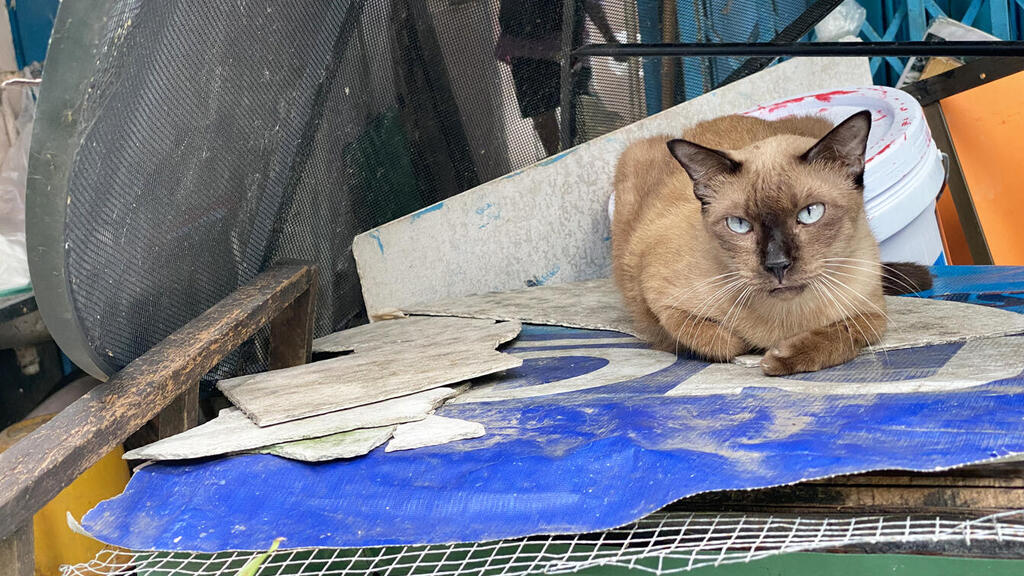
A Siamese cat at an old market in Bangkok
(Photo: Gilad Carmeli)
Surrounding the market are narrow alleys of neighborhoods unchanged for decades, even centuries, small temples and the Bobae Market textile district, where wholesale clothing shops sell the same garments offered to tourists throughout the city, but at original prices, sometimes costing just a few shekels.
Not far away is another still-undiscovered area: Bangkok’s Chinatown. During the day it buzzes with commercial activity, including Khlong Thom Market, offering electronics, gadgets and computer accessories at the city’s lowest prices, as well as a flea market full of bargains. In the evening, Chinatown’s main street, Yaowarat, turns into a Chinese Thai festival of food, stalls and music that easily rivals Khao San Road.