

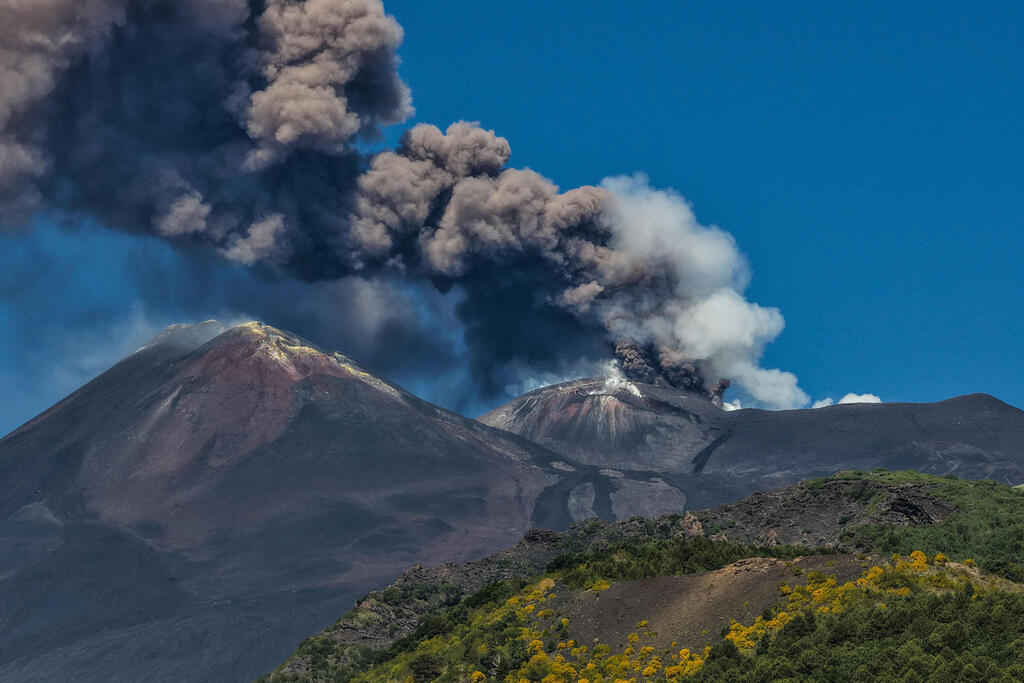
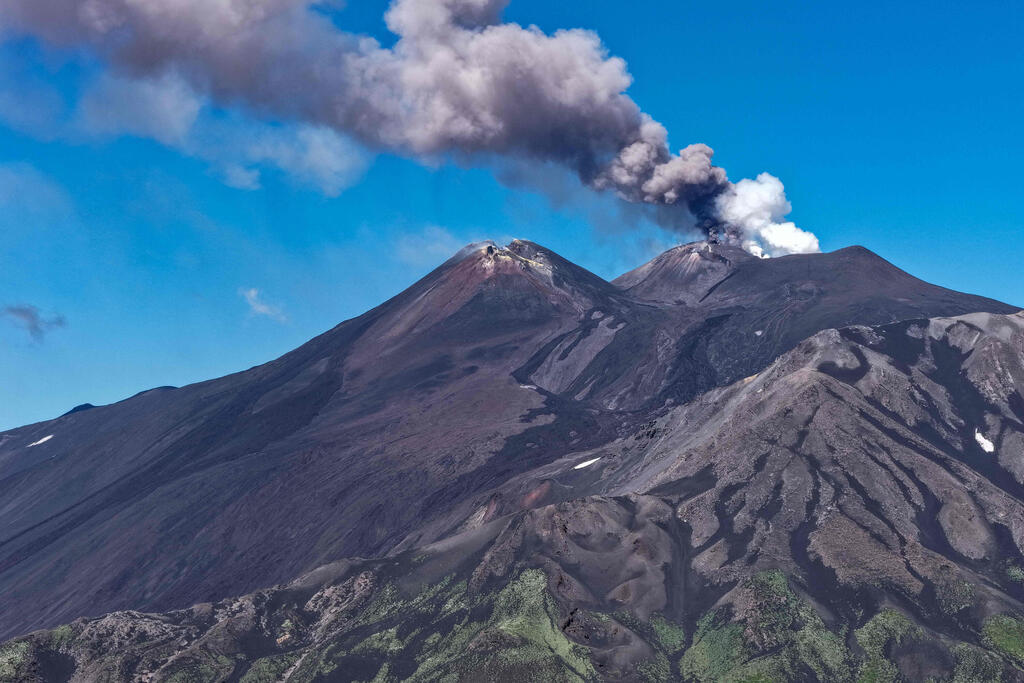
Mount Etna, Europe’s most active volcano, continued erupting for a 10th consecutive day Monday, sending ash high into the sky over eastern Sicily, disrupting air travel and affecting Israeli vacationers heading to the Italian island.
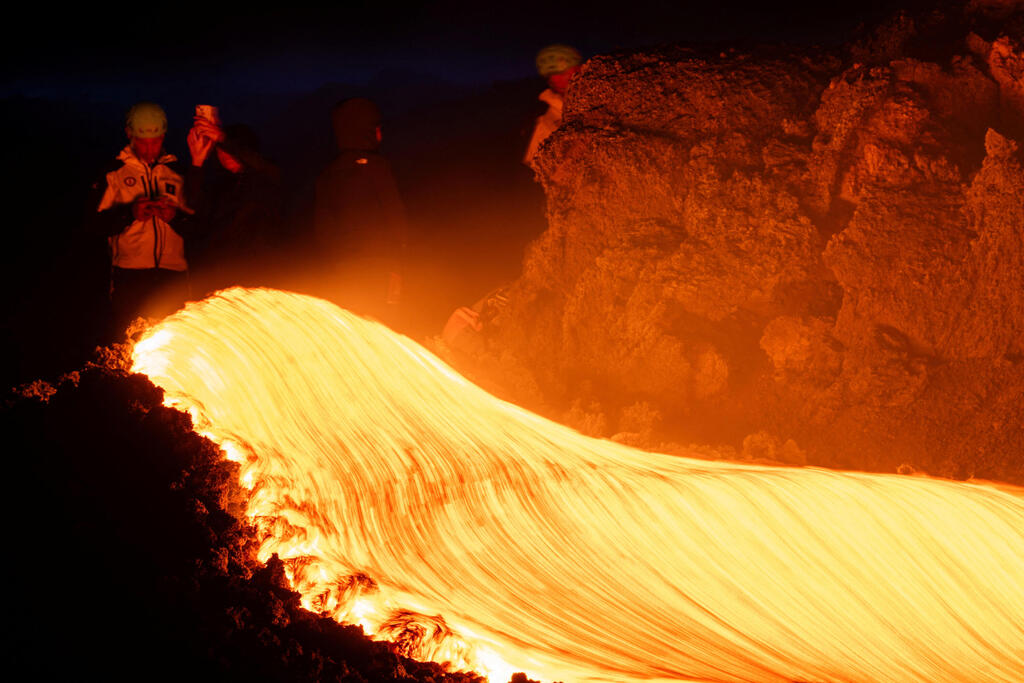
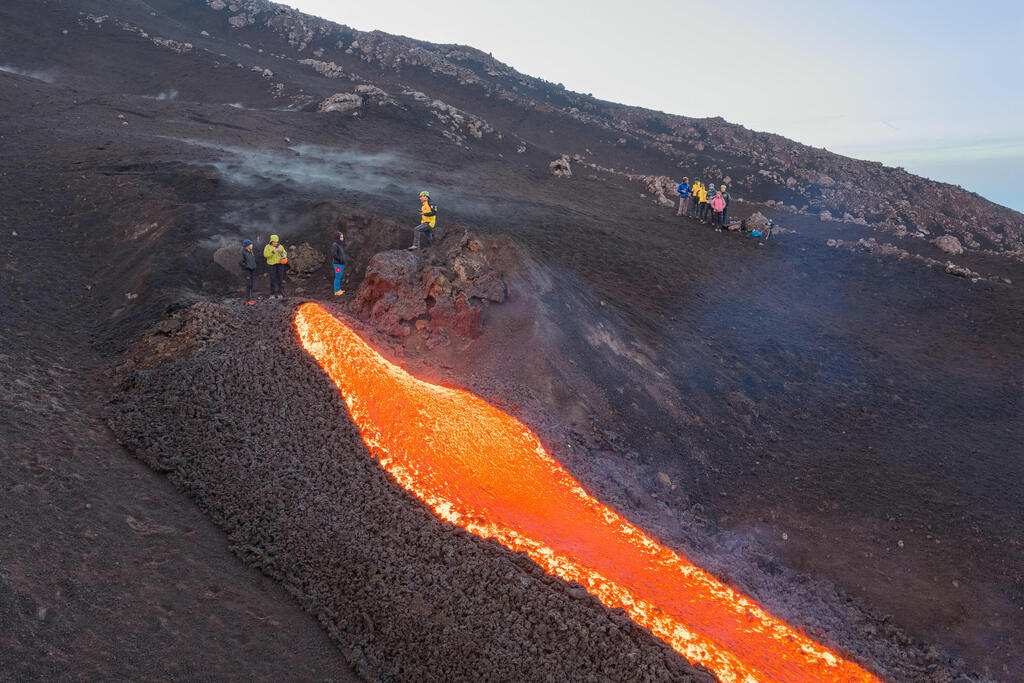
The latest eruption began on June 26, when lava started flowing down Etna’s upper slopes. Italian authorities continue to closely monitor the volcano’s activity, while aviation authorities have issued a red alert because of volcanic ash emissions.
Mount Etna in Sicily erupts


No significant damage or injuries have been reported.
The eruption forced the temporary closure of Catania Airport and the surrounding airspace on Monday, including the airspace above the nearby U.S. Naval Air Station Sigonella. At least 17 flights were diverted from Catania to Palermo, Sicily’s largest city, after an ash plume rose about 1.5 kilometers (0.9 miles) above the volcano’s crater.
Israir said it was in continuous contact with airport authorities and was awaiting updated guidance before resuming normal operations.
Mount Etna in Sicily erupts
(Photo: ETNA WALK / AFP)
Mount Etna in Sicily erupts
(Photo: REUTERS/Giuseppe Di Stefano)
Mount Etna in Sicily erupts
(Photo: REUTERS/Giuseppe Di Stefano)
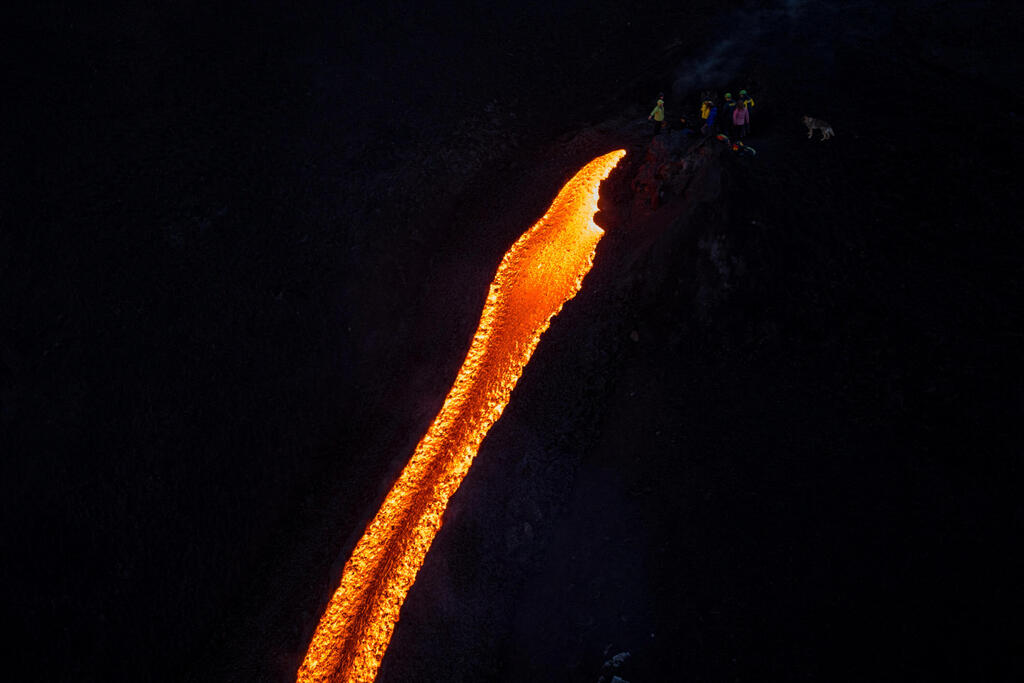
Mount Etna in Sicily erupts
(Photo: REUTERS/Giuseppe Di Stefano)
The airline later announced that its Monday evening flight from Israel to Catania would instead depart Tuesday morning at 6:15 a.m. for Palermo, where passengers would be transported by bus to Catania. The return flight to Israel will also depart Tuesday from Palermo.
Israir said stranded passengers were provided with hotel accommodations, dinner, a packed breakfast and organized transportation between hotels and the airport.
Mount Etna, which rises about 3,300 meters (10,800 feet) above sea level on Sicily’s eastern coast, is one of the world’s most active volcanoes. It frequently erupts with lava flows, ash emissions and powerful explosions from its summit.