

Streets are empty, flights canceled: We went to Tel Aviv’s shelled promenade to see what a country under siege looks like through the eyes of frightened tourists stranded in Israel during war.
In the lobby of the Crowne Plaza in Tel Aviv, tourists sit who had not planned to stay even one more night. Their suitcases are already packed. Some were supposed to fly home the next day, others in two days — and then war broke out with Iran, the skies closed and they were left stranded in a country under bombardment.
Stuck in Tel Aviv - Tourists can't Go Home
(Credit: Asaf Kamar)


Ariel Lior, deputy general manager of the Crowne Plaza Tel Aviv, is already accustomed to managing routine amid tension. “We have many tourists who are stuck with us and they continue to stay with love,” he told ynet. “We are taking care of them. Yesterday morning, when the war began, we made personal phone calls to every guest in their room to calm them. We also tried to catch guests at breakfast to make sure everyone was OK.”
Are stranded guests receiving a discount?
“We are trying to adjust the price to the situation,” he said. “We are not indifferent to what’s happening. We are providing discounts for guests who want to stay or need to stay because they have no choice.”
In the middle of his sentence, a siren sounds and the conversation is cut short. Tourists with tired eyes rise from the sofas and hurry to the protected area in the service stairwell. This is clearly not the vacation they had planned.
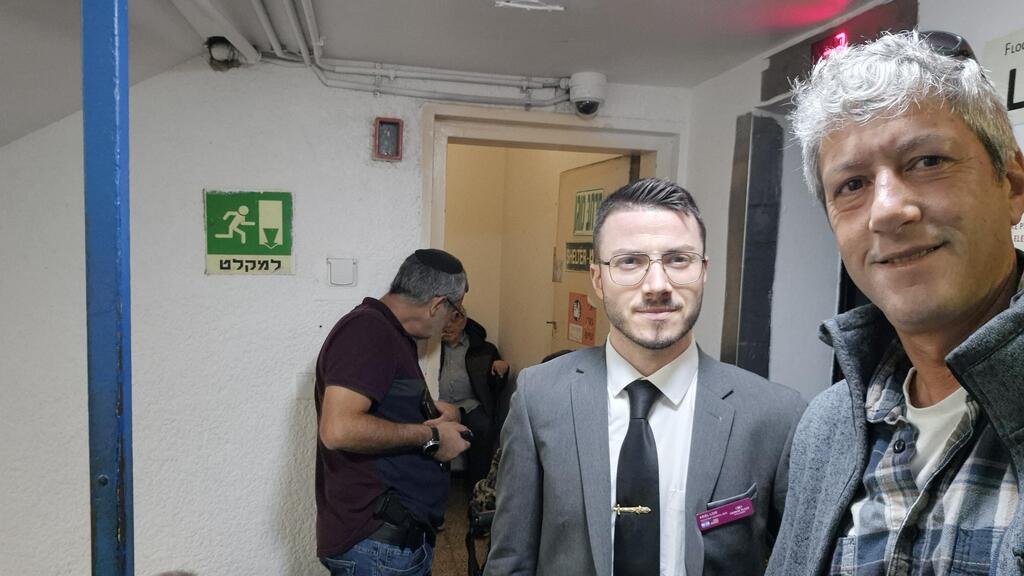
On the stairs, I meet Orlando Lopez, a tourist from Mexico who appears not to have slept all night. “I came for a seven-day visit and this is my first time in Israel,” he told Ynet. “My original return date was supposed to be tomorrow. Right now I don’t know what will happen. I am stuck in Israel and it’s a strange experience for me. I never expected something this stressful, but you know — that’s life.”
“I feel scared,” he added, referring to a missile strike in Tel Aviv overnight. In the incident, a woman was killed and dozens were wounded. “I heard one huge explosion and I’m sorry for the people who were hurt. My mother was worried when I told her I needed to travel to Israel. I called her today to calm her down and explained that Israel has many kinds of defense systems, and we’re OK. And we’re trying to survive.”
How will you get home?
“If the airport opens, I’ll try to get a flight on Thursday. Our embassy also promised to get us out through Egypt. I work at a casino in Las Vegas — I gambled on the dates of my vacation here, and I got a war.”
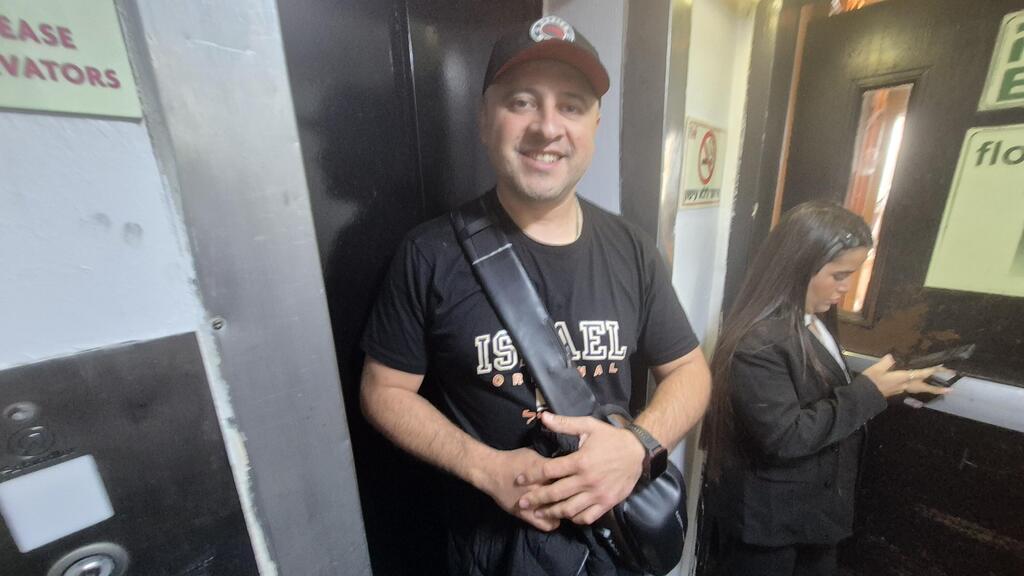
Orlando Lopez
(Photo: Assaf Kamar)
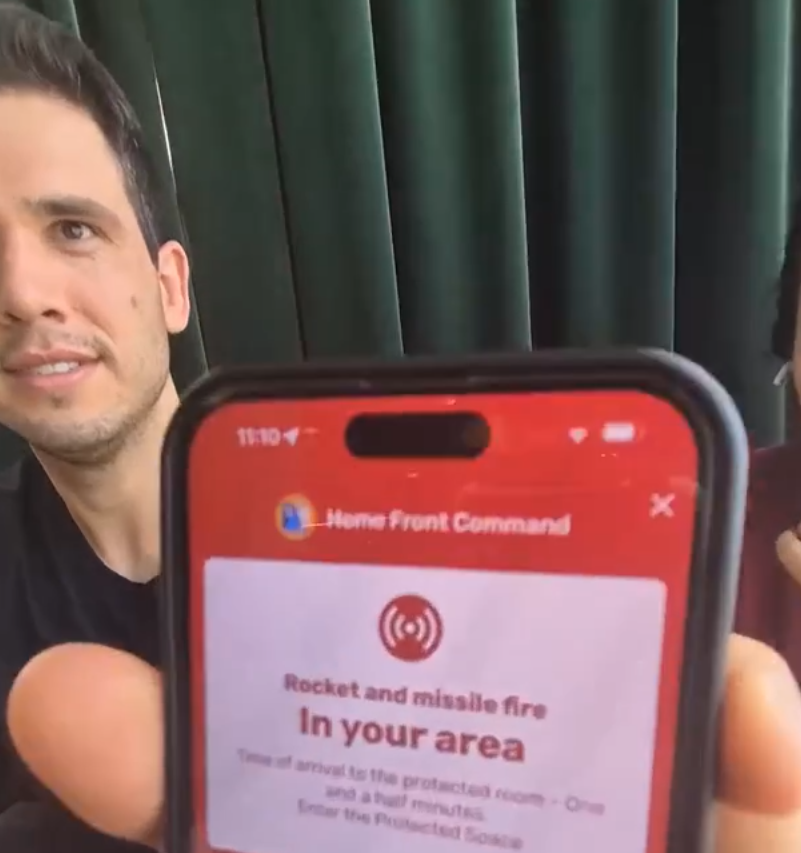
A tourist from Brazil with the Home Front Command app
(Photo: Assaf Kamar)
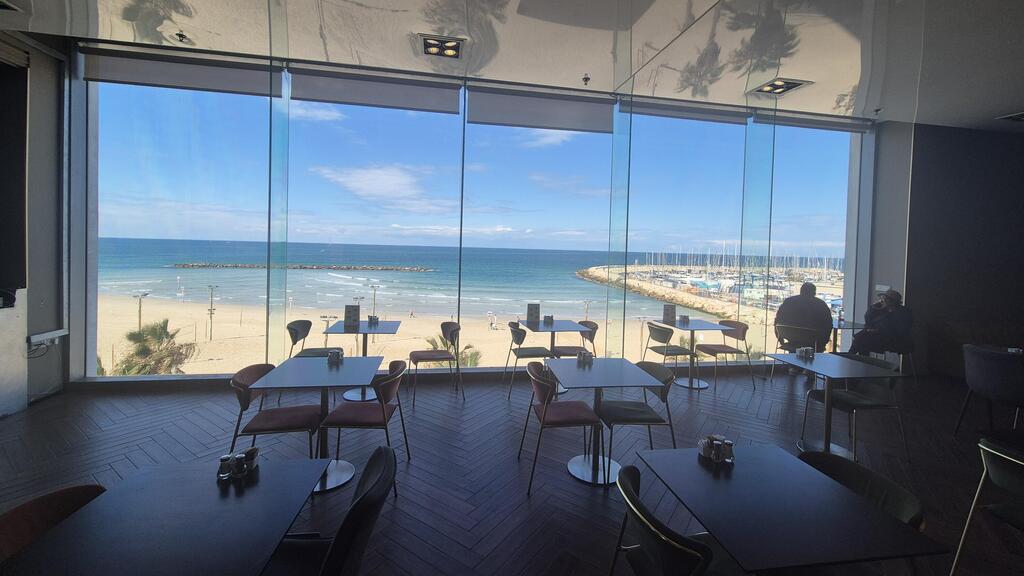
It is still possible to enjoy the sea, at least a little
(Photo: Assaf Kamar)
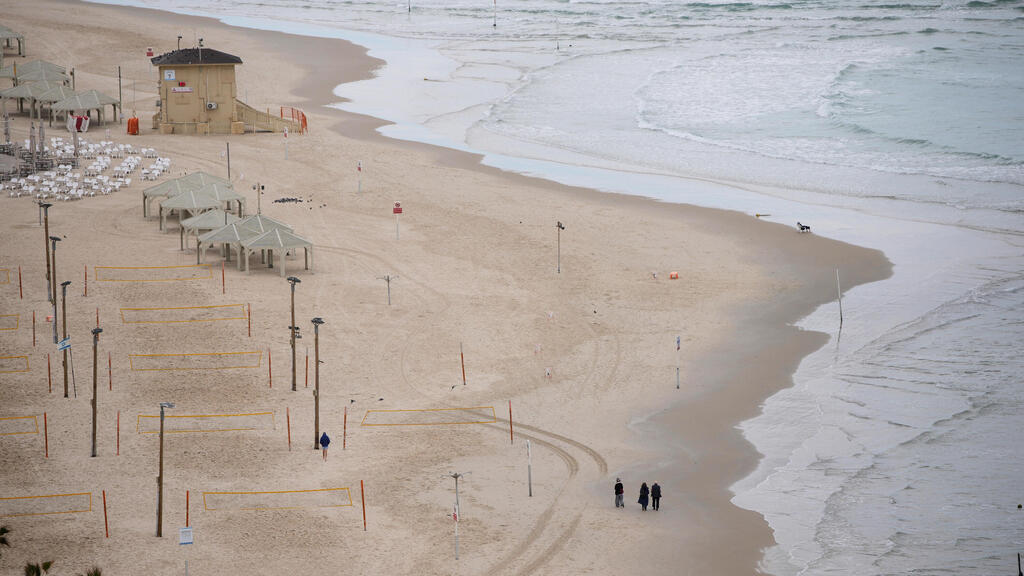
Tel Aviv’s deserted beach
(Photo: AP Photo/Ohad Zwigenberg)
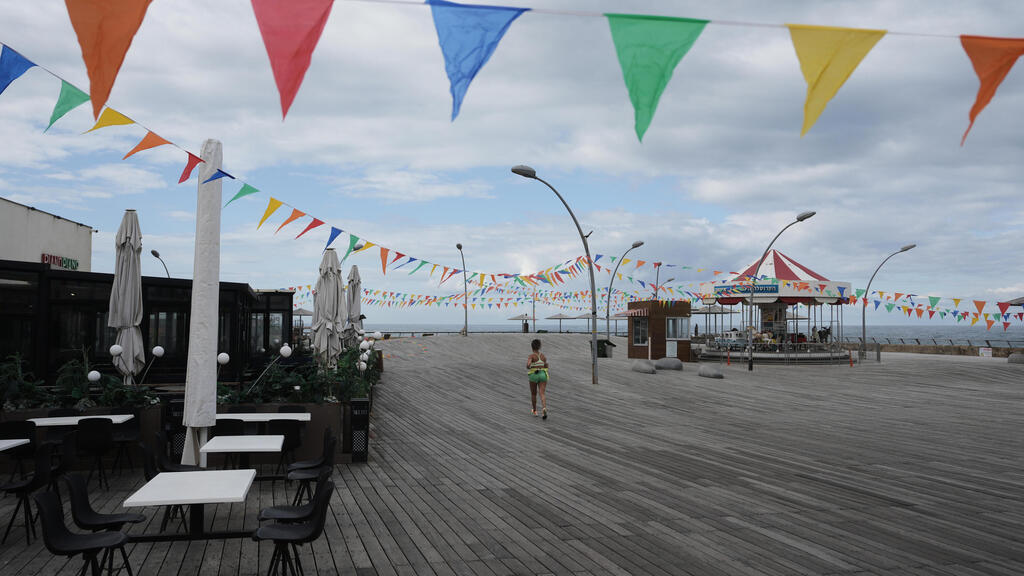
Tel Aviv Port during the war
(Photo: AP Photo/Oded Balilty)
In the reinforced luggage room, converted into a protected space, Jeffrey and Debbie Freeman of London sit and wait. “They told us to come here when there’s a siren.”
They appear amused by the situation, projecting cautious optimism. This is not their first time in Israel.
“Many years ago we lived in Ashkelon and our sons were born there,” Debbie told Ynet. Ashkelon is a southern Israeli city frequently targeted by rocket fire from Gaza. “After seven years we returned to Britain, and since then we visit often. This time we’re stuck in Israel and we’re worried and frightened for everyone — and for ourselves. We were in Israel during the Six-Day War in 1967 and during the Yom Kippur War in 1973, so this is our third war here.” Jeffrey smiles. “This is the strangest vacation we’ve ever had.”
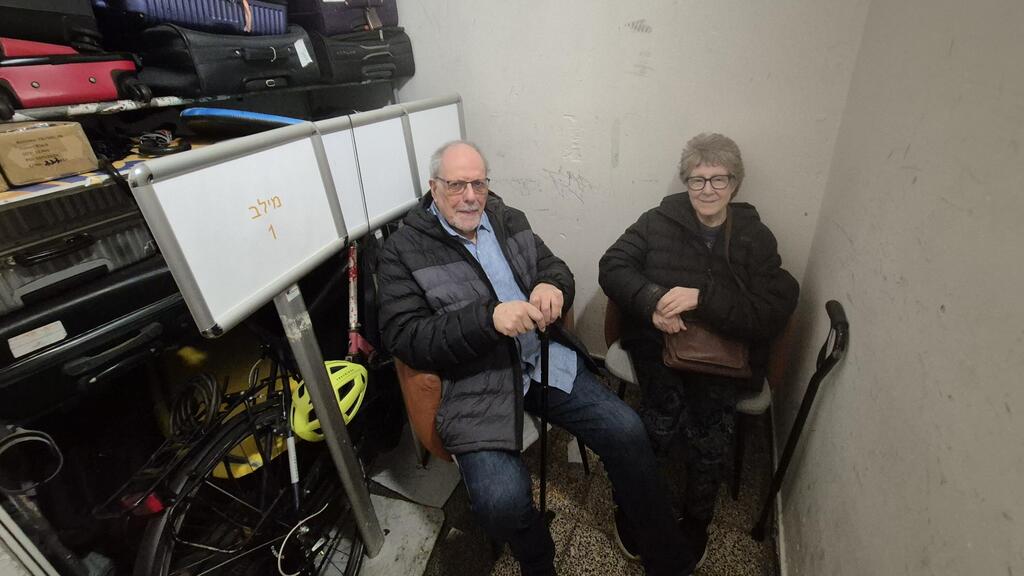
Debbie and Jeffrey in the luggage room
(Photo: Assaf Kamar)
The Home Front Command app — operated by the Israeli military to provide real-time civil defense alerts — which nearly all the hotel’s guests quickly downloaded in English, gives the official all-clear to return to the comfortable armchairs in the lobby.
There I meet Chow, a friendly high-tech professional from South Korea who arrived in Israel for work and, like everyone else, is now stranded in Tel Aviv. “I arrived yesterday morning, a few hours before the attack,” he told Ynet, describing the jarring moment. “Less than an hour after we got to the hotel and checked in, we heard a siren and had to go down to the shelter. I knew there was a possibility I would land in a war situation, but I wasn’t sure. I’m not a tourist. I had to come to Israel because of work. I had no choice.”

Chow says he wants to return home as quickly as possible
(Photo: Assaf Kamar)
How do you feel?
“I’m a little worried. I know Israel has strong air defense capabilities, but I want to return home safely as soon as possible. I’m from South Korea, and we also have shelters and regular air raid drills — but not at the same level as in Israel. As soon as my family saw the news and heard what was happening here, they contacted me immediately. I told them not to worry too much.”
How will you get home?
“I’m not here for a trip, I’m here for work. The Korean Embassy will provide us with a bus to Egypt. I just want to get on a plane and return home from the Middle East as quickly as possible — to my wife and children.”