

At the end of last year, Café Gijón, a 127-year-old Madrid institution that for decades hosted Spain’s bohemian circles, intellectuals and bullfighters, closed its doors. After a series of renovations and facelifts, it reopened as Cappuccino Grand Café, a national chain with little character that markets itself to tourists and leaves no room for the city’s old literary and intellectual crowd.
“A new place has opened,” one Madrid resident wrote on Instagram. “The place was saved, but they took its soul.” The words captured the painful disappearance of another long-standing urban landmark, replaced by yet another chain. But they also described how many Madrid residents feel about their changing city: It is attracting tourists and bringing money into the local economy, but at the expense of its authenticity.
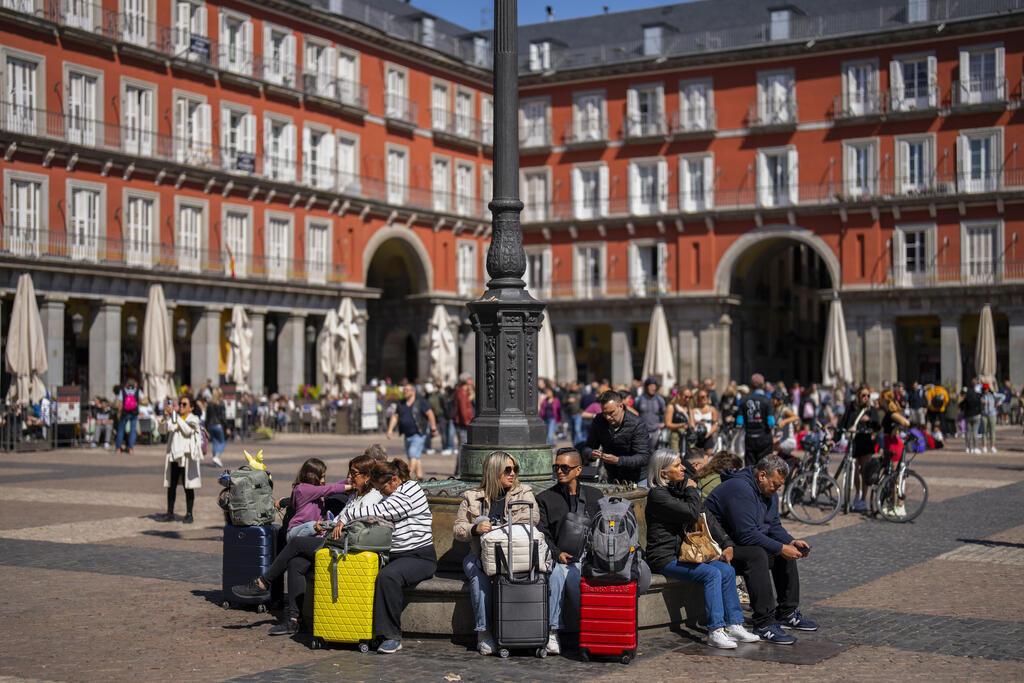
From mass tourism to premium tourism
Last year, Madrid welcomed a record 11 million tourists, and that figure is expected to rise again this year as Spain moves toward surpassing 100 million annual visitors for the first time. Madrid is adapting its image to match. Café Gijón has given way to a café chain, and traditional Spanish dishes are increasingly being replaced by vegan options and decaf coffee. Visitors can still sit on terraces, enjoy the sun and take in the city’s wide boulevards, but a glass of wine now costs 10 euros.
Madrid is not only following the path of other Spanish Mediterranean cities such as Barcelona and Málaga. Its rich cultural and historical legacy has also turned it into a rival to major destinations like London and Paris.
Madrid still attracts fewer tourists than those cities, as well as Rome and Barcelona, and is roughly on par with Berlin. But the Spanish capital is increasingly drawing “quality” tourists who are less concerned with every euro spent. That tourism is dramatically reshaping the city, visible in the enormous amount of construction and renewal, and fueling anger among longtime residents who feel their city is being taken from them.
Take the Principal Madrid, the first hotel on the Gran Vía to open with a five-star rating, in January 2015. At the time, it was considered unusual: an apartment building converted into a luxury hotel on the city’s main avenue.
Since then, banks, telecommunications companies and other businesses that owned high-rises in the city have sold them to developers, who converted them into hotels along the avenue. Today, the Gran Vía has a dozen five-star hotels. By 2028, another 20 hotels are planned for the city, including nine five-star properties. The Nobu hotel chain, co-owned by Robert De Niro, is also looking for a central location in Madrid.
The new clientele, the so-called "quality tourists", demanded and received luxury stores from international brands. Once Madrid realized it could make more money from fewer tourists, the city pushed the model to its limit.
Those with deep pockets can now enjoy private nighttime visits to the city’s top museums, gourmet picnics in the gardens of the palace where the Spanish king once lived and private meals prepared by some of Madrid’s leading chefs.
Madrid’s pivot to premium tourism has created a different kind of strain than in overtourism hot spots like Venice, Amsterdam and Barcelona. While residents there mainly object to overcrowding, longtime Madrid residents say their city is losing its character and becoming too expensive for locals.
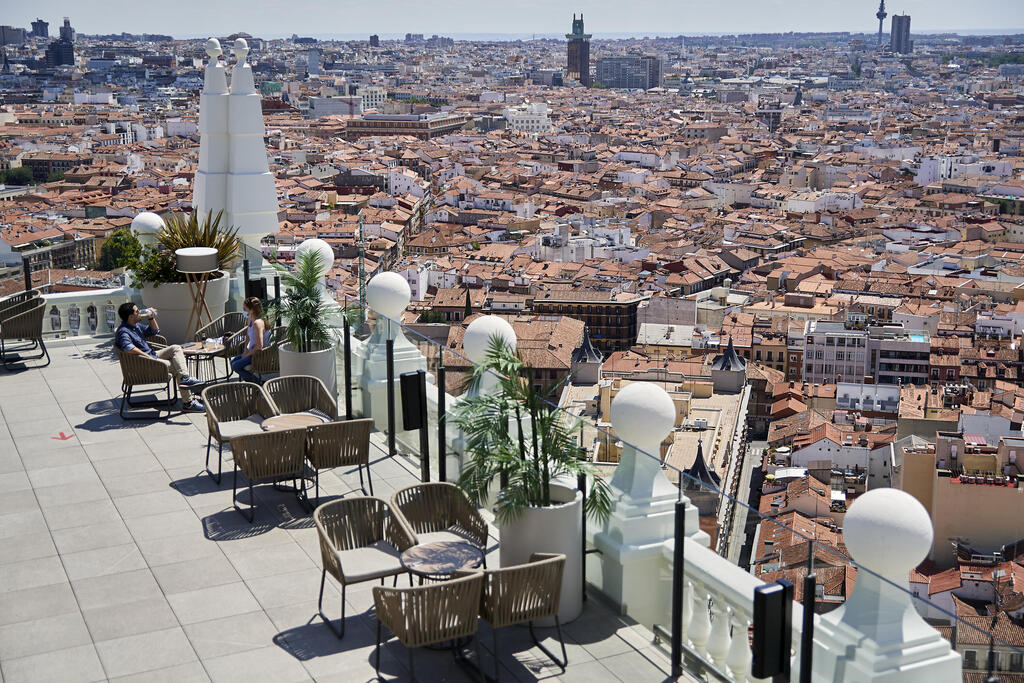
Madrid is changing its skyline
(Photo: Carlos Alvarez/Getty Images)
‘Trump refugees’
One million tourists came to Madrid from the United States last year, making Americans the largest group of foreign visitors to the city. But many have also stayed in Spain, often for political reasons. Across social media, there are groups around the world calling themselves “Trump refugees.” Madrid has one of the largest and most active such groups.
Wealthy buyers from South America are also purchasing apartments in the city and sending their children to universities that are far safer and cheaper than those in Argentina or Mexico. Many also make up an important part of Madrid’s medical tourism sector. Madrid is increasingly being dubbed as “the new Miami.”
But the shift has come at a cost. Rents have soared, and more young locals are leaving the city for the suburbs. Madrid residents are grateful to tourists for bringing money and jobs into the city’s economy, but at the same time, they blame them for making the city feel less and less like their own.
The short-term rental business for tourists is booming in Madrid. But the deeper problem is that locals do not have enough available apartments, or the apartments on the market are too expensive. Last year, 16,000 Airbnb apartments were listed in Madrid. The Tourism Ministry found that 15,200 of them were illegal.
One regulation said that beginning this summer, residential apartments and short-term rentals could not operate in the same building. Developers found a workaround: They added another entrance to buildings, creating what under Spanish law counts as two separate buildings.
Authorities are trying to introduce new regulations to free up apartments for locals, but the rules are not keeping pace with the influx of tourists and investors. As in other sought-after European cities, demand has created a domino effect: Longtime residents in less upscale neighborhoods far from the city center can no longer afford to live there.
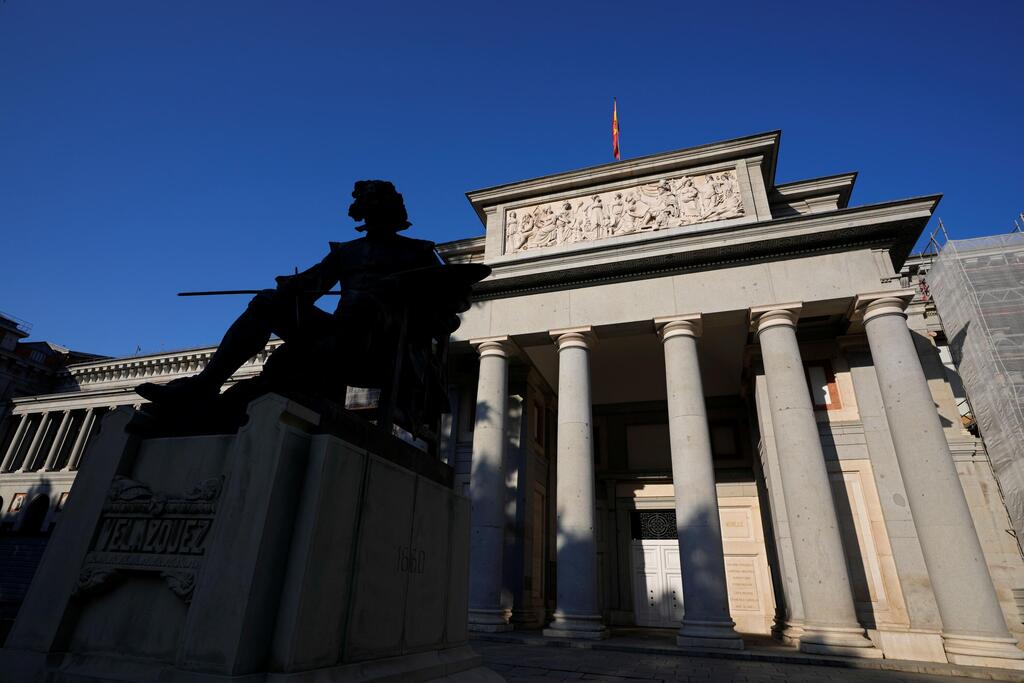
The Prado Museum, described as “like the metro at rush hour”
(Photo: AP Photo/Paul White)
Residents’ complaints are coming even before the high tourist season has begun. Beyond the usual summer crowds, the pope is set to visit the city, Shakira and Bad Bunny are scheduled to perform 21 concerts in the Spanish capital, and Formula 1 is returning to Madrid for the first time in four decades, with all 110,000 race tickets already sold.
Until recently, Madrid residents looked on in disbelief as people in Barcelona or Mallorca protested overtourism in the streets. Now, Madrid has its own demonstrations over the housing crisis and the international chains replacing local family businesses. More and more graffiti has appeared with the message: “Tourists, go home.”
“We, the residents of Madrid, also want to enjoy visiting the Prado Museum,” one local wrote on Instagram. “But it has become an experience that reminds me of the metro at rush hour. I felt like part of a herd being moved quickly from place to place. There was no time and no intimacy.”
The Prado Museum, which drew 3.5 million visitors last year, has capped tour groups at 20 people and limited group visits to off-peak hours.