

“When they set me free, the doctors recommended a monthly visit to the airport / It really does me good to watch a big plane take off through a lucid tear,” Meir Ariel sang in “Terminal Luminalt,” and he may have known what he was talking about.
Retinol creams may be the leading players in the fight against signs of aging, but researchers at Edith Cowan University in Western Australia are now pointing to a much broader, more adventurous alternative: traveling the world.
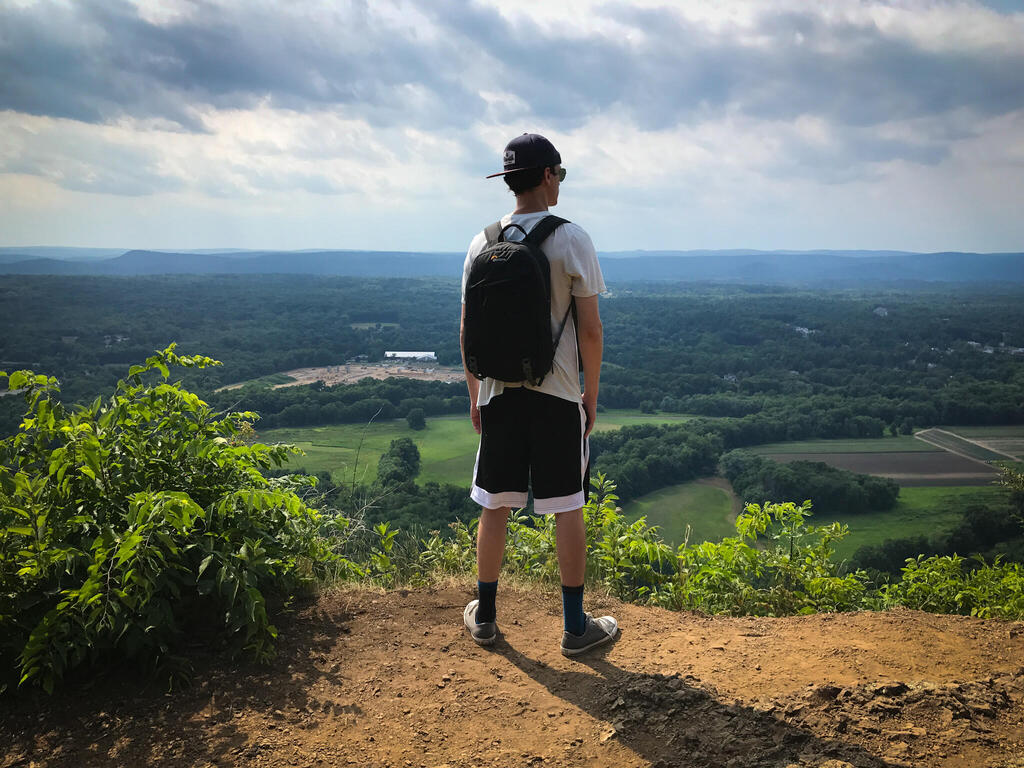
In a study published in 2024 in the “Journal of Travel Research,” researchers examined tourism through the lens of entropy theory. The findings suggest that positive travel experiences may support physical and mental health in ways that could delay some signs of aging.
The study does not claim travel can stop aging altogether, but it presents tourism as far more than a break from routine, describing it as a tool that may help the body maintain balance, build resilience and repair itself.
How does travel affect aging?
Entropy is often described as the universe’s tendency to move toward disorder. In health terms, the researchers explain, experiences can either support the body’s ability to maintain order and proper function or disrupt it. Enjoyable vacations may help slow that decline, while stressful or unsafe trips could push the body in the opposite direction.
"Aging, as a process, is irreversible. While it can't be stopped, it can be slowed down," explains Fangli Hu, a doctoral candidate at ECU. Travel, she says, is one way to do that: exposure to new environments, movement, social interaction and positive emotions are all meaningful parts of the process.
Similar ideas are already being applied in areas such as wellness, medical and yoga tourism.
"Tourism isn't just about leisure and recreation. It could also contribute to people's physical and mental health," Hu added.
‘Travel therapy’ and the body’s defense systems
Viewed through the lens of entropy, Hu explains, “travel therapy” could become a meaningful health intervention. The idea is that positive vacation experiences help the body maintain a lower, healthier level of entropy by affecting four key body systems.
Travel usually combines unfamiliar surroundings with relaxing experiences. New environments can stimulate the body, increase metabolism and activate processes of “self-organization” that help biological systems function properly. These experiences may also activate the immune system, improving the body’s ability to identify outside threats and defend against them.
"Put simply, the self-defense system becomes more resilient," Hu says. "Hormones conducive to tissue repair and regeneration may be released and promote the self-healing system's functioning."
Reducing stress, increasing movement
Relaxing vacation activities may help reduce chronic stress and calm overly intense immune responses. A trip can ease tension and fatigue in muscles and joints, support metabolic balance and improve the body’s ability to cope with wear and tear.
That matters because travel rarely means staying in one place. Trips often involve walking through cities, hiking in nature, climbing, cycling or simply spending long stretches on your feet. That physical activity boosts metabolism and the flow of nutrients through the body, processes that help it recover and maintain resilience.
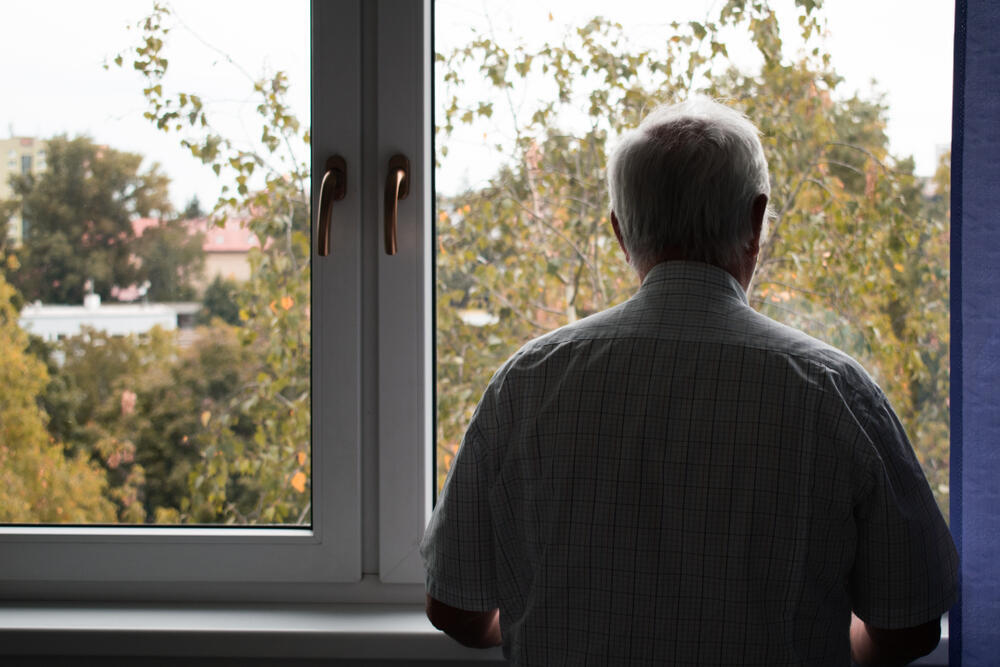
Aging cannot be prevented, but it can be delayed
(Photo: Shutterstock)
"Participating in these activities could enhance the body's immune function and self-defense capabilities, bolstering its hardiness to external risks," Hu says. "It also improves blood circulation, expedites nutrient transport, and aids waste elimination. Moderate exercise is beneficial to the bones, muscles, and joints in addition to supporting the body's anti-wear-and-tear system," Hu added.
Preventing heart disease and delaying Alzheimer’s
Older studies have already pointed to measurable medical benefits from taking vacations, even apart from entropy theory. Findings from the Framingham Heart Study (a large epidemiological project that has tracked the health of thousands of participants since the 1940s) showed that women who vacationed at least twice a year had a significantly lower risk of heart disease or heart attacks, compared with those who took a vacation only once every six years.
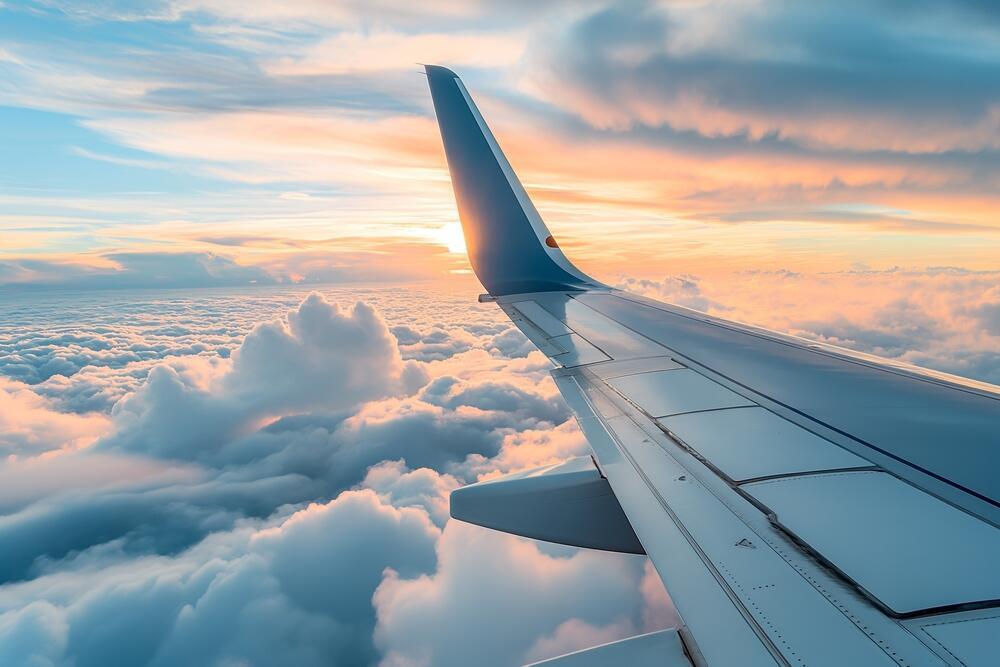
Traveling the world also contributes to brain health
(Photo: Pookkie / Shutterstock)
At the same time, data from a report by the Global Coalition on Aging and the Transamerica Center for Retirement Studies show that travel also directly benefits brain health. According to the report, the cognitive stimulation involved in navigating new surroundings, planning routes and encountering different cultures trains the brain’s flexibility. These experiences may delay cognitive decline and even reduce the risk of Alzheimer’s later in life.
Since the study was published in 2024, researchers have continued to examine “travel therapy” as an approach to improving quality of life. A 2025 paper published by Hu and her colleagues described the field as an emerging approach, while stressing the need to weigh the benefits against the risks.
Another 2025 paper called for closer cooperation between tourism and travel medicine, while a systematic review found that the link between tourism and healthy aging is becoming an important field of research, but it still needs stronger evidence and more precise research methods.
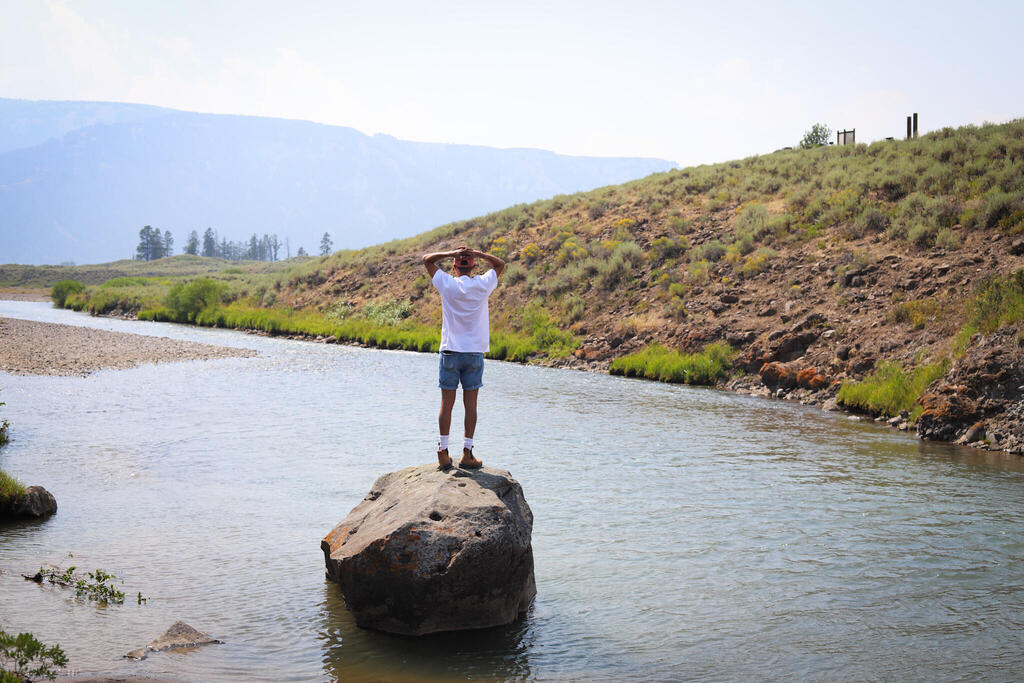
Helping the body and mind’: A traveler in Yellowstone National Park
(Photo: Roy Elman)
The new findings point to a cautious conclusion: Travel offers real health benefits, especially when it combines movement, social connection and a new environment. Still, researchers are working to understand how strong the effect is and who benefits most.
The study also warns that travel is not automatically “healthy.” Tourists may be exposed to infectious diseases, accidents, unsafe food or risks caused by poor planning.
"Tourism can involve negative experiences that potentially lead to health problems, paralleling the process of promoting entropy increase. A prominent example is the public health crisis of COVID-19," the study said.
The bottom line is not that every trip will slow the biological clock. Rather, positive travel experiences help the body and mind function better. When travel is safe, active and restorative, it does much more than create memories: It may help promote healthier aging from within.