

One of the world’s most romantic spots, at least in theory, which for years had been freely accessible, now comes at a steep cost. Tourists visiting “Juliet’s House” in Verona are now required to purchase a ticket to access the courtyard and the famed balcony associated with Shakespeare’s Romeo and Juliet.
Over the years, the site has become a pilgrimage destination for couples and visitors from around the globe. The small balcony overlooking the courtyard is seen as echoing the one from which the doomed lovers profess their devotion in the play.
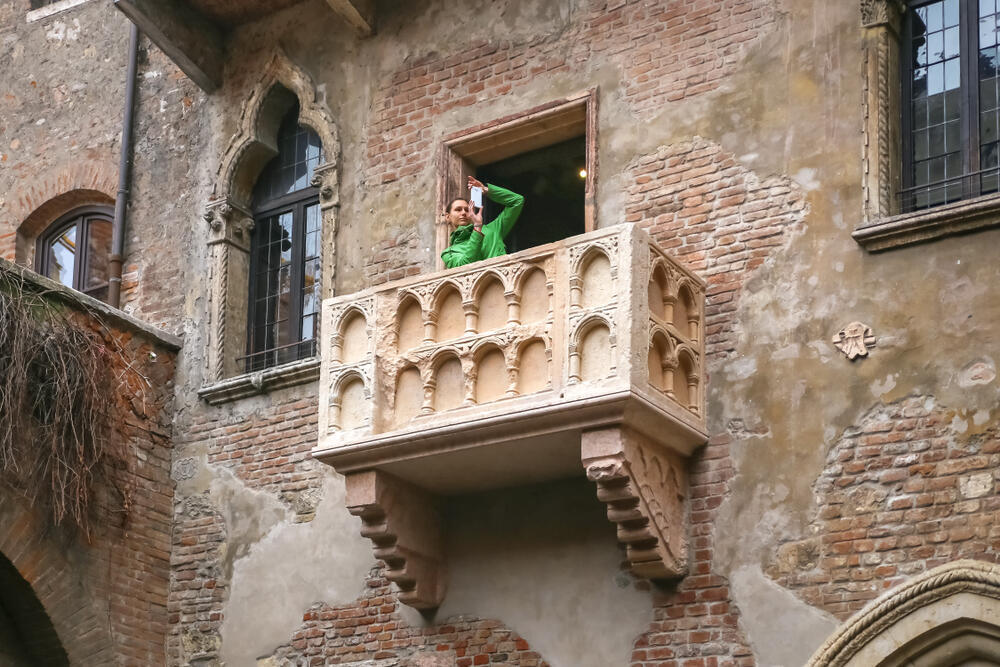
Today, the site has become a symbol of romance, where crowds gather to snap selfies and rub the bronze statue of Juliet, a gesture believed to bring luck in love.
Until Dec. 6, entry to the courtyard was free. But under the new rules introduced since, only those holding a ticket to the museum inside the house may enter. Adult admission costs 12 euros (about 45 shekels), at least through Jan. 6.
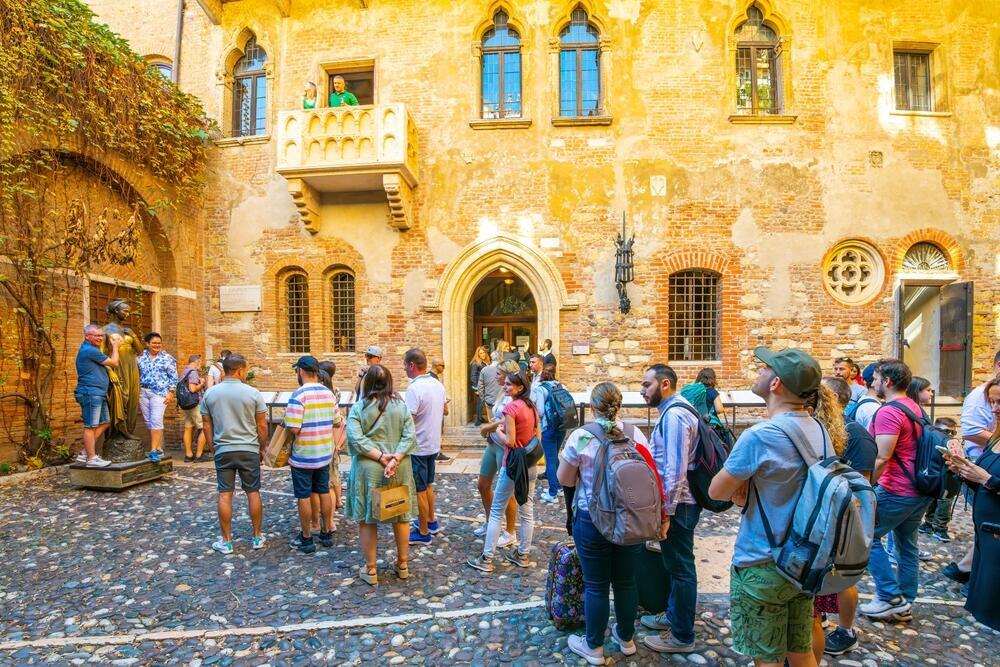
Tourists line up beneath Juliet’s balcony in the courtyard of Casa di Giulietta, waiting to take photos next to the statue of Juliet
(Photo: Kirk Fisher/Shutterstock)
In addition, couples hoping to take photos on the balcony are now limited to 60 seconds per visit, according to a report in Britain’s Telegraph. The number of visitors allowed inside the house at once has also been reduced, from 130 to 100.
According to The Times, the new policy has drawn rage from tourists, with angry visitors shouting “Shame!” at security guards who restrict access.
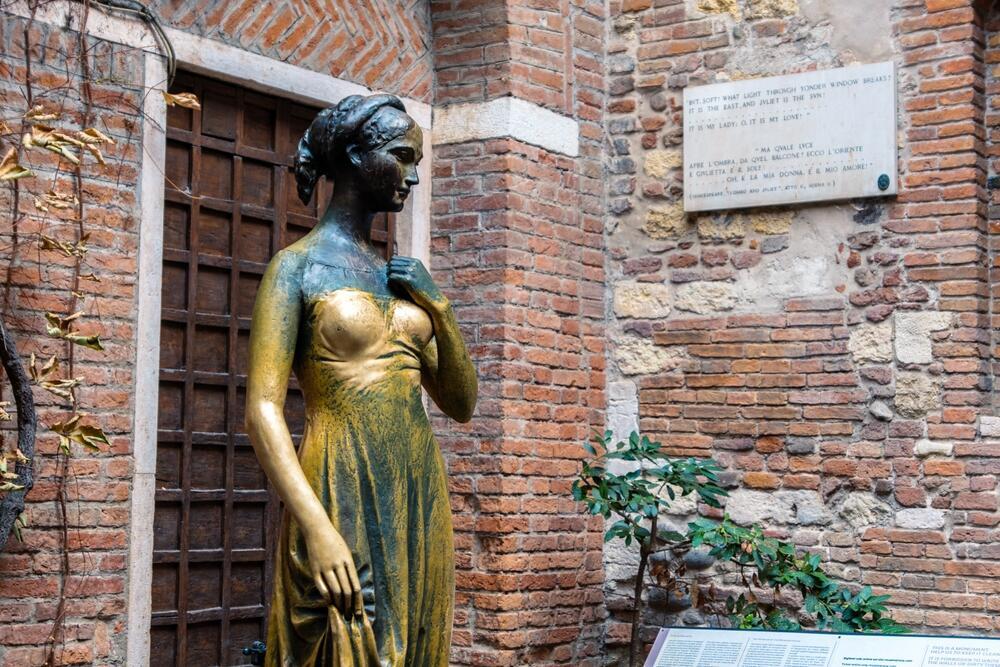
Rubbing the bronze statue of Juliet is believed to bring luck in love
(Photo: Thenaturelad/Shutterstock)
Britain’s Independent reported that "Verona’s culture and tourism chief, Marta Ugolini, said the last thing the city wanted to do was limit access to a place as beloved as the Courtyard and Juliet’s House.” However, she added, "When people’s safety is at stake, we have a duty to adopt appropriate protective measures, especially in the presence of extraordinary flows such as those expected during the Christmas period."
Ugolini described the situation as a temporary inconvenience, but a necessary one to protect both the public and the symbolic landmark of the city. She added that a more culturally meaningful and structured visiting route would be offered to visitors in the future.
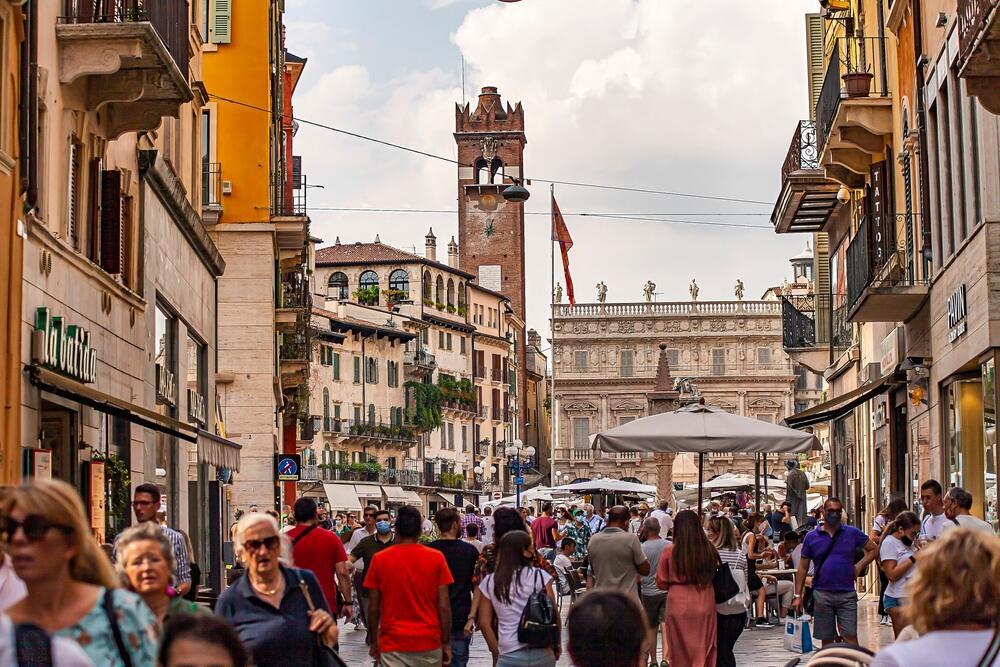
Tourists on Via Mazzini, the famous shopping street in Verona’s historic center
(Photo: Pporiphotos/Shutterstock)
Meanwhile, local souvenir shop owners have voiced concern about the impact the new rules could have on their businesses. “I understand that on some days, when the number of tourists is extremely high, there’s a need to manage the flow,” said one shopkeeper. “But it’s unacceptable for this to go on through Jan. 6, it will really hurt us."
The association between the Verona balcony and Juliet is purely symbolic. The structure now known as Casa di Giulietta was built in the 13th century and belonged to the real-life Dal Capello family, documented in local archives.
The similarity to the name Capulet in Shakespeare’s play led to the later association. The balcony itself is not mentioned in the play, which refers only to a window, and was added to the building in the 20th century as part of a tourism initiative.
Nonetheless, it has become one of the most recognizable landmarks of Verona and of the world’s most famous love story.