

Three years of wandering alone across multiple continents — that was the journey undertaken by Samar Cohen, 26, from Kibbutz Sa’ar in northern Israel, who recently returned home.
“I always knew I was going to take a big trip after the army,” she told ynet. “I grew up with traveling parents — they spent three years traveling and got married in New Zealand. But I also knew I would do it differently.”
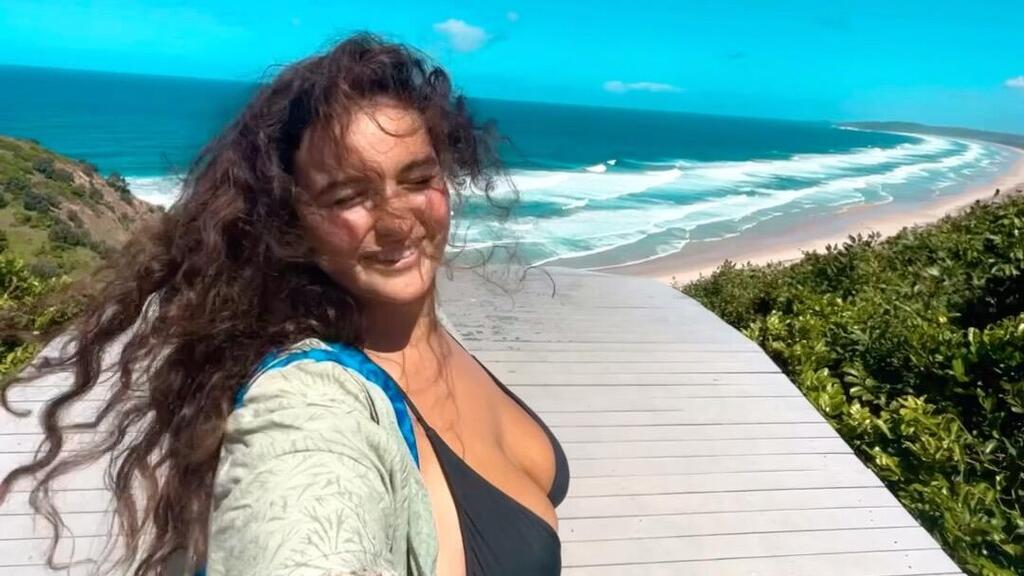
She is referring to an especially challenging solo journey. After six months in the Far East, including three meaningful months in the Philippines, the trip took a turn in Australia. Cohen landed there with almost no money, alongside a group of Israeli women she had met in the Philippines.
“We opened a group chat called ‘Australia 2024.’ In the end, we all made it there,” she said with a laugh. “But I went there planning to stay forever. That’s how I felt.”
The group settled in the laid-back town of Byron Bay. “We rented a house for a year — signed an actual lease. At first I lived with a few Israeli girls, and then they left and I stayed. For a year I kept bringing in roommates, most of them Israelis. My home was Israeli, but my life outside was with people from all over the world. It was this huge two-story house, but with no furniture,” she recalled.
The solution came unexpectedly. “In Australia there’s a whole secondhand culture. People leave things outside and you can just take them. We found almost everything on Marketplace or on the street. Everything was cheap or free. It was crazy.”
But the cultural differences also led to awkward moments. “We saw a sign that said ‘Free plants,’” she said, laughing. “My friend said, ‘Stop, we have to take them.’ I got out, loaded an entire box of seedlings into the car.”
A few hours later, reality hit. “We went on Facebook and saw a post saying, ‘It’s so rude, someone took all the plants. You’re supposed to take one.’ And we Israelis were convinced you were meant to take everything.” Embarrassed, they kept the plants. “I was too scared to return them. I was afraid people would say, ‘Those Israelis.’”
To survive financially — and perhaps even thrive — Cohen took on one of the jobs most dreaded by budget travelers.
“I worked in sales. I went door to door, knocking on people’s homes and saying, ‘Hey, how are you?’ Then I’d explain why they needed solar panels on their roof. I was the coordinator, and my boss would come close the deal,” she said with a sigh. “We did the dirty work. It’s insane. You go house to house for six months. It’s hard.”
Still, she succeeded. “I was actually pretty good at it, until I got sick of it.”
Beyond the endless chase for money, life in Australia sounded almost idyllic. “I went out almost every day,” she said with a laugh. “For the first time, I felt real freedom. Independence.”
She takes pride in the fact that she arrived with no savings. “I lived week to week, and eventually I even started saving money.” Her method? “We kept saying we were in an abundance mindset, and somehow everything just worked out. I’m not a spiritual person, but I felt like there was this cloud over me. Everything worked, everything fell into place. It felt cosmic.”
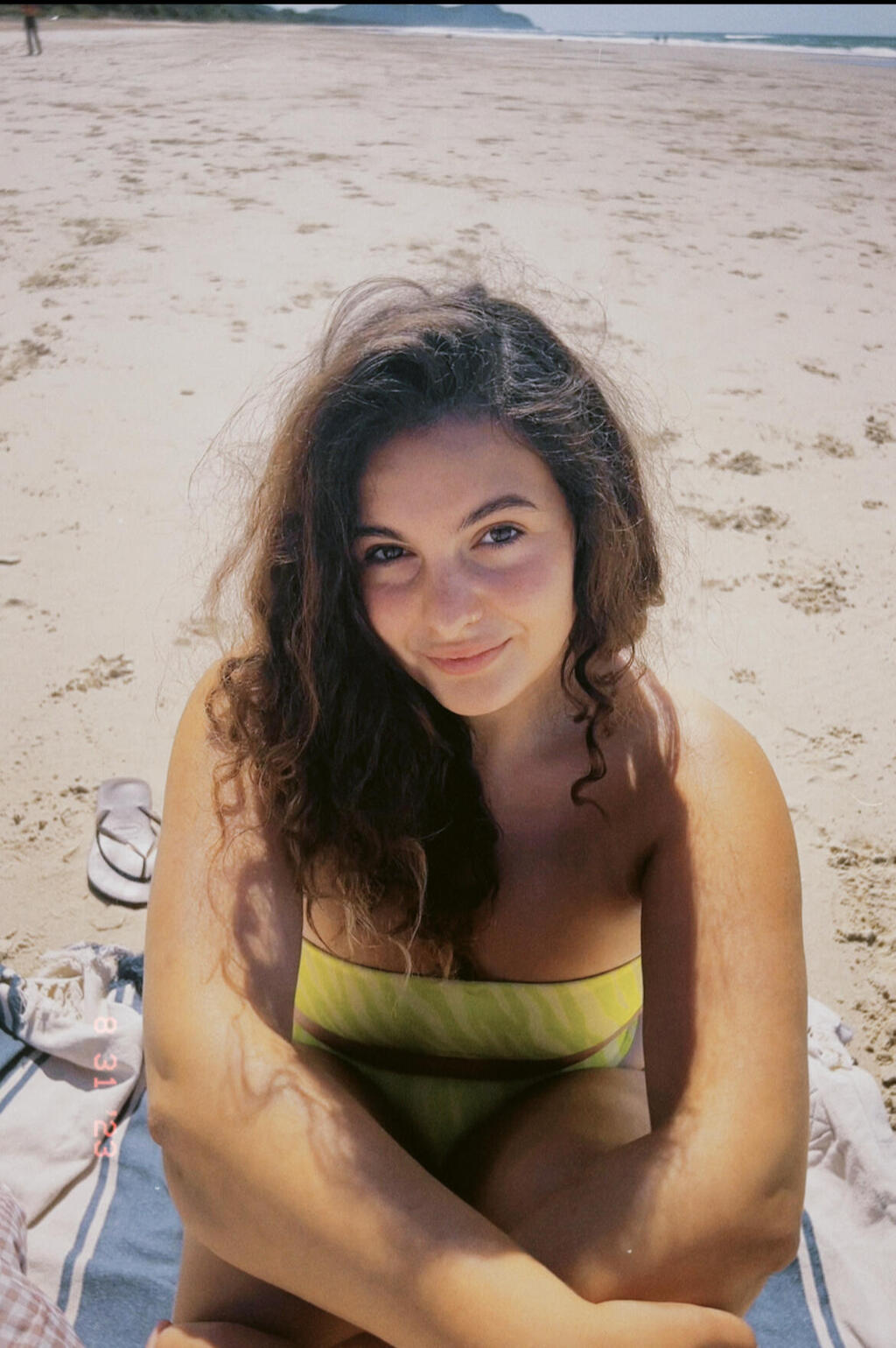
After a year in Australia, her social life had also changed dramatically.
“I went on a date with an Australian guy. They’re much more open-minded, far more liberal than Israelis. There are more open relationships there, more drama. Maybe because they don’t have wars, so their drama is somewhere else.”
After a year of near-perfect life in Australia, Cohen faced one of the hardest decisions of her journey — not because of money or work, but because of what was happening back home.
“A lot of my friends went back,” she said, describing the emotional turmoil she experienced after the Oct. 7 attacks. “I didn’t know what to do. I felt like I was in the middle of the journey of my life. I was also a combat soldier, so it wasn’t simple. I felt guilty for not returning. It was really hard to decide to stay.”
Her parents urged her to remain abroad. “My brother is serving in the army and they didn’t want both of us there. My mother comes from a bereaved family, so it was even more complicated.”
From Australia she traveled to New Zealand, a destination she viewed as a personal full circle. “My parents got married there. I always knew I would get there someday, no matter what.”
But the transition was sharp. “In Australia I lived in one place. In New Zealand it became a completely different kind of trip. There’s a different culture, you see a lot of Maori people, and the atmosphere is completely different.”
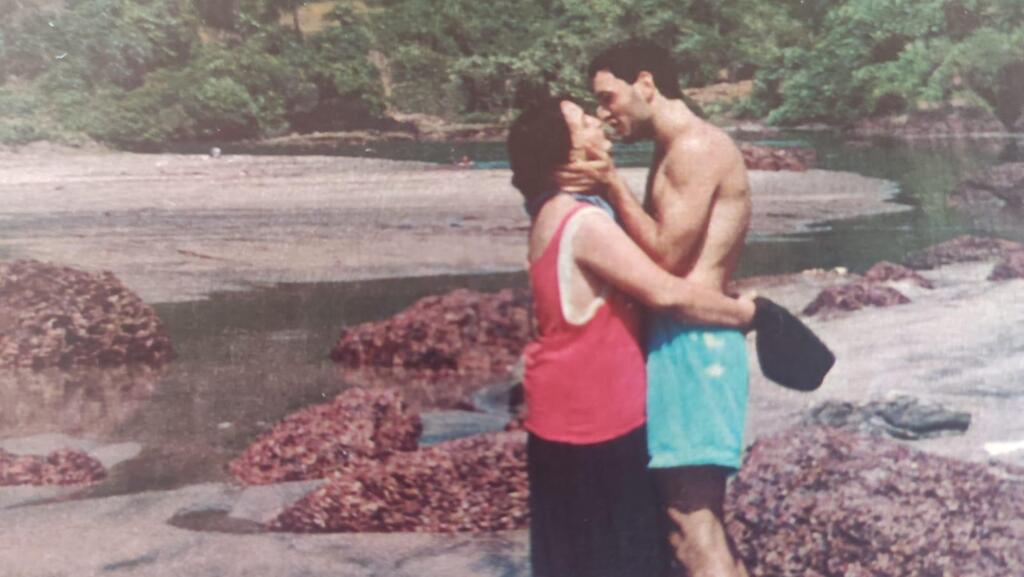
Samar’s parents during their trip to New Zealand
After a week of adjusting, she hit the road.
“In Auckland I found a van that a French woman urgently needed to sell before flying out, so she sold it to me pretty cheaply. That was it — I bought it and left.”
Then winter arrived. “It started getting freezing cold, and I was sleeping in the van,” she recalled with a shiver. “I traveled during winter. I went down to the lakes and Queenstown. It became freezing, snowing, ski season — and I was sleeping in the car.”
The setup was basic. “There was just a big mattress, a tiny kitchen in the back and three seats in the front.” The cold seeped through everything. “I had a septum piercing in my nose, and I’d wake up at night because it literally froze. It was insane.”
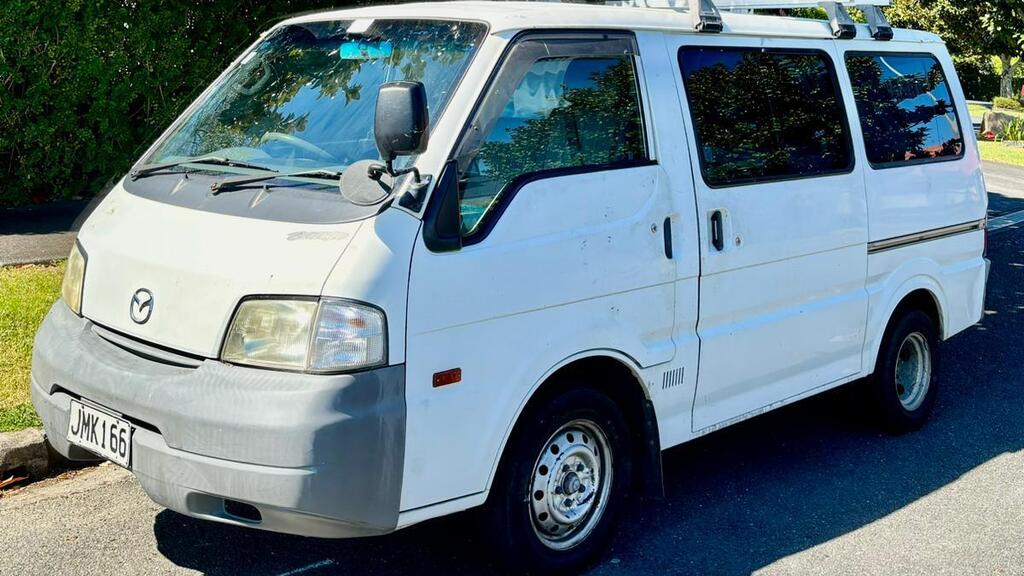
Samar's van
(Photo: Samar Cohen)
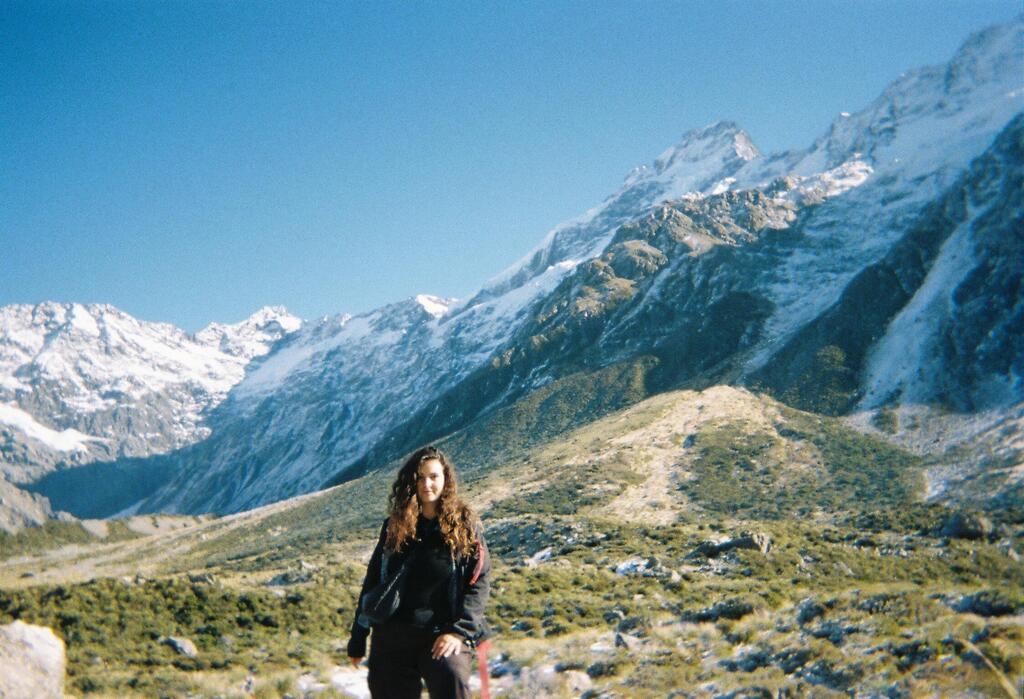
Samar at Mount Cook
Despite everything, she maintained a strict routine.
“No matter what, I didn’t want people to know I was living in a van. I didn’t want the smell of van life.” Every day required effort. “I’d wake up in the cold, go anywhere I could shower, get ready, put on makeup and start my day. There wasn’t a single day I skipped it, even when it was freezing,” she said with a laugh.
Then came a moment she had always dreamed about.
“I always wanted to see the Southern Lights.” The Aurora Australis is a natural phenomenon visible near the South Pole, with colorful lights stretching across dark skies. “A friend told me there was an incredible display happening. I sent her a picture of white skies and asked, ‘Is this it?’ She told me, ‘Drive somewhere darker right now.’”
Cohen drove a few minutes into the New Zealand wilderness — and that was enough.
“Suddenly the whole sky was purple, pink and green. It was unbelievable. I couldn’t believe it was happening to me.”
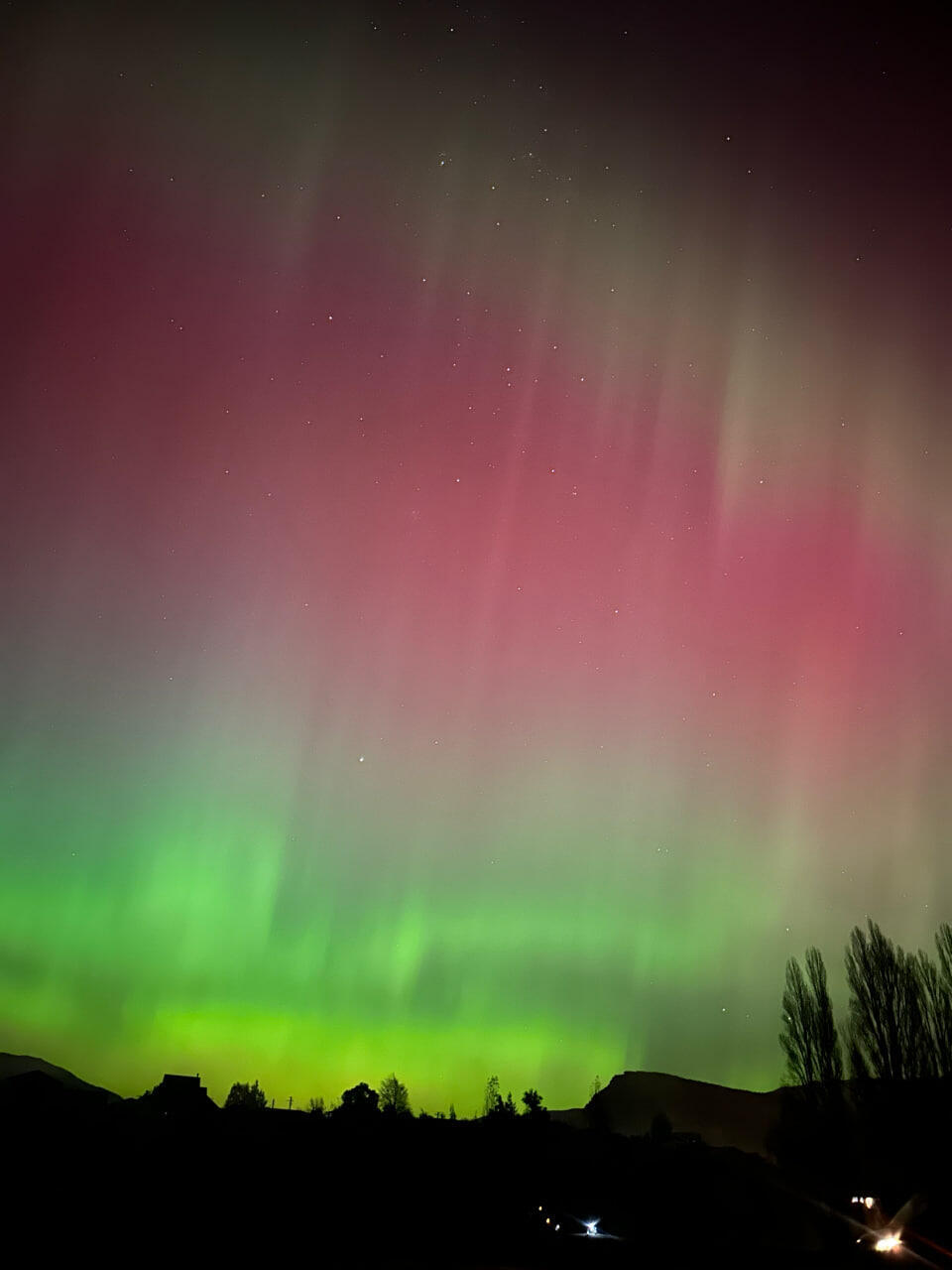
(Photo: Samar Cohen)
Despite all the warnings she had received, loneliness became a source of strength.
“People told me not to travel alone, that I’d get bored and wouldn’t meet anyone. But I wasn’t bored for a second. I fulfilled so many dreams there. Even on days when nothing happened, I was the happiest person in the world. I was proud of myself for being alone and doing it.”
She also pushed herself to the limit. “I swam with hundreds of dolphins in Kaikoura. We followed them by boat,” she recalled. “I jumped into the water before they even told us to. Everything was adrenaline.”
When her money started running out, she returned to Auckland to work. “It was hard finding work in New Zealand,” she said. “They only let you work for three months, and everyone wants a six-month commitment.”
The solution came through an Israeli connection.
“I met someone in Australia who managed a cosmetics business. I called him and asked if he had work for me, and he said yes — in Auckland.” There was just one problem.
“I was in the South Island. It’s a four- or five-day drive. I told him, ‘I’ll be there in five days,’ and just started driving.” On the way, she also checked another dream off her list.
“I went skydiving from 18,000 feet. They put an oxygen mask on you because you can’t breathe up there. It was insane.” She arrived in Auckland with almost no cash.
“I didn’t want to go back into sales, but I had no choice,” she said with a sigh. “I knew that if I didn’t work, I couldn’t stay.”
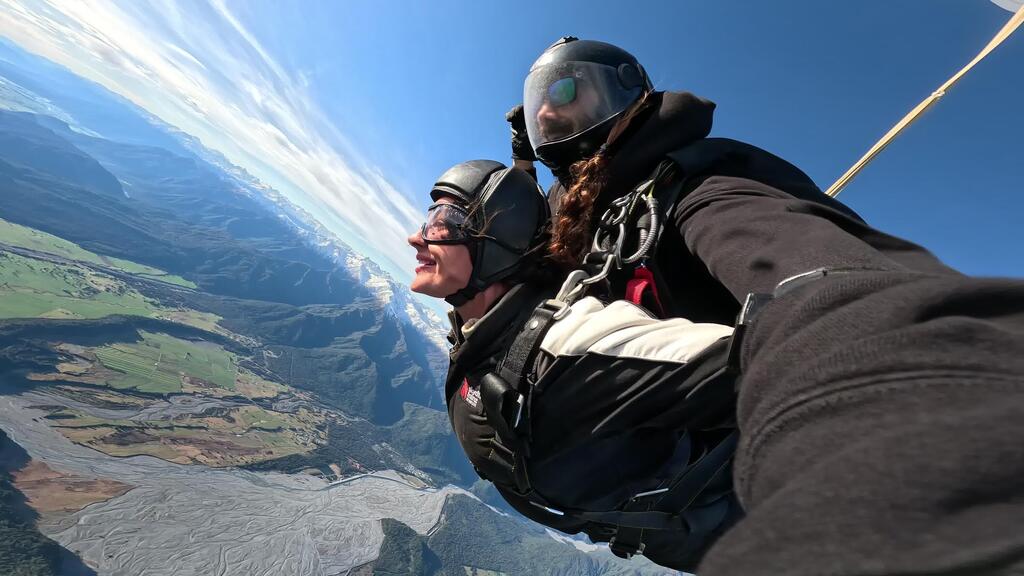
Skydiving in New Zealand
This time the job was different.
“It was a cosmetics store. Stopping people, reading body language, selling.” The work environment was also new. “There were Chinese and Brazilian employees there — the funniest people I’ve ever met. Every person was a character.” One colleague in particular stayed with her.
“There was a gay Chinese guy who had fled China because his family wanted to force him into marriage. He was always fooling around, dancing, making everyone laugh.”
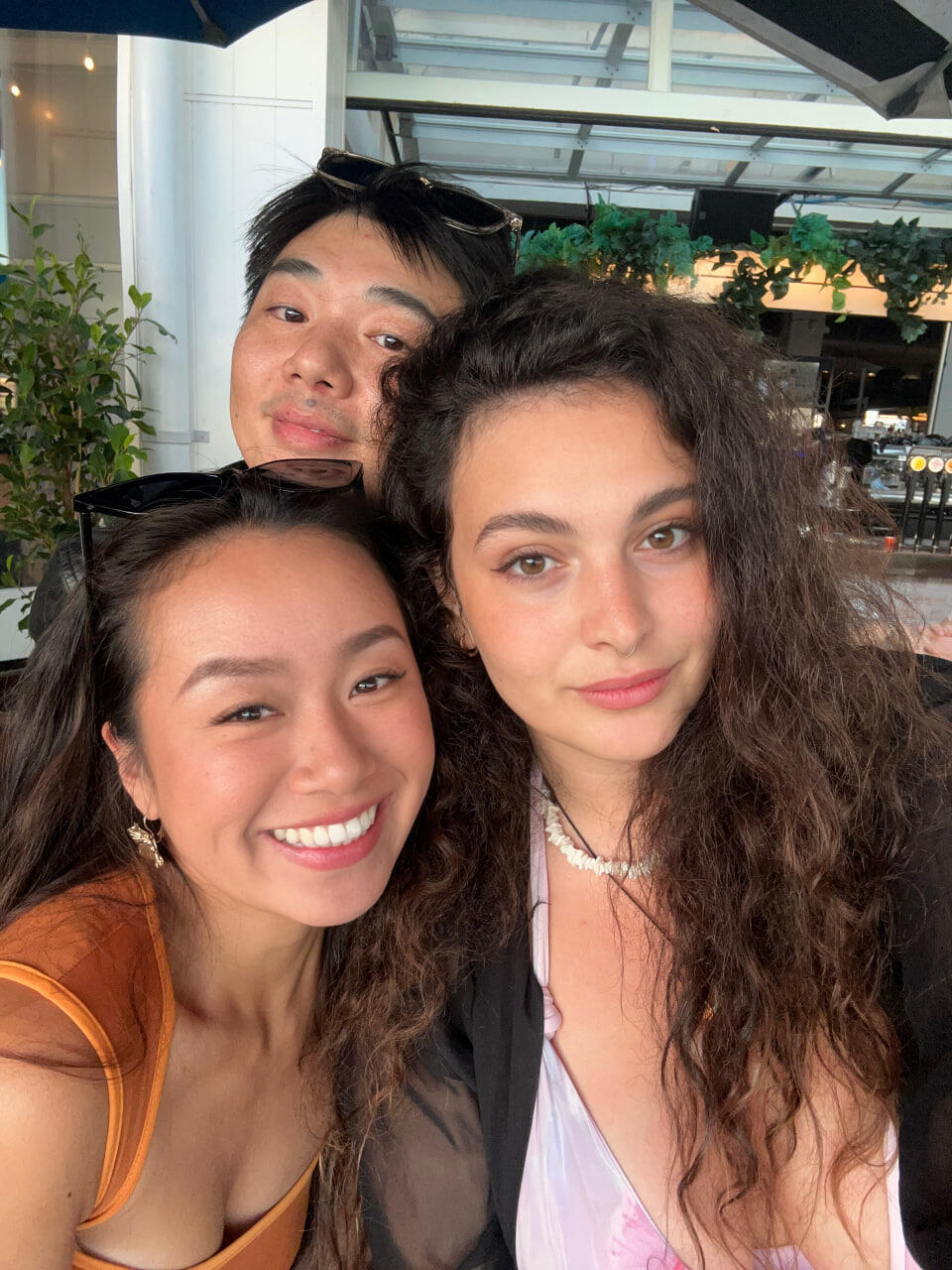
With the employees at the cosmetics store
She says New Zealand was also empowering for women.
“The women there are very strong,” she said. “It was the safest place I’ve ever felt in my life. Even at night, even alone — I wasn’t afraid of anything. You just know nothing will happen to you.”
Eventually, she completed another emotional full circle.
“I went to Kerikeri, where my parents lived 30 years ago. I looked at their old photos, and everything looked exactly the same. The nature hasn’t changed. They preserve it unbelievably well.”
“It was strange,” she said. “My whole life I admired my parents and their relationship, and I always dreamed of traveling with a partner and doing the big trip together. But the people I met weren’t in the same mindset as me, so I traveled alone. Then I realized something — my experience was even crazier. They had each other. They helped each other. I was alone. No one was there to help me. I had to do everything myself.”
From New Zealand she continued to Bora Bora, another dream destination.
“I saw a picture of Bora Bora before my trip and said, ‘No matter what, I’m getting there. I don’t care how.’” The problem was cost. “French Polynesia is insanely expensive. It’s like the Maldives — resorts, lagoons, very expensive. I kept asking myself: How do I get there as a backpacker? How do I do it cheaply?”
The solution came unexpectedly.
“I had this amazing connection with Polynesians who came into the cosmetics store in Auckland. I could spot them from far away, stop them, start talking to them in French, say ‘Mauruuru,’ which means thank you, learn some of their words — and they loved it.”
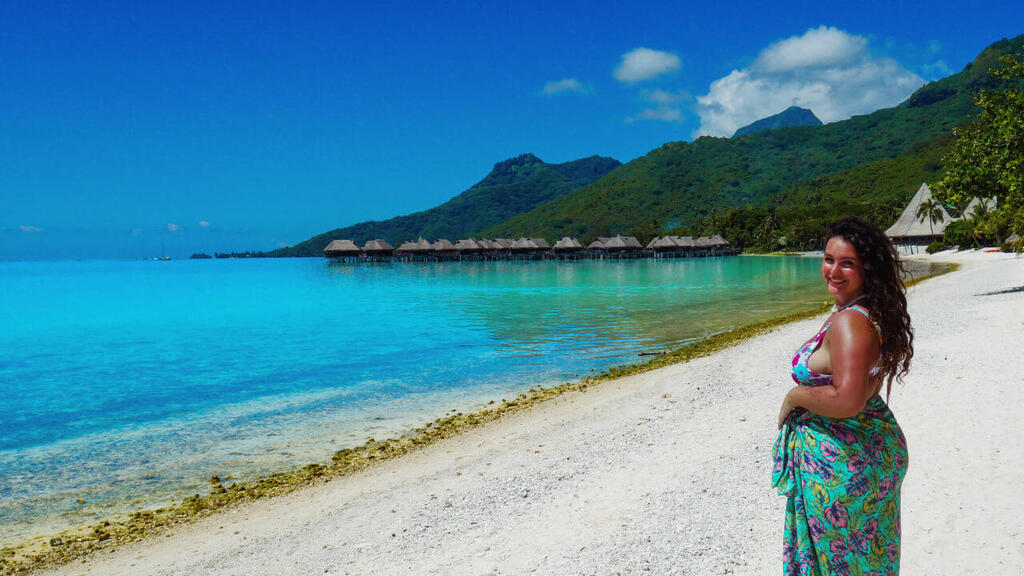
Samar on the stunning beaches of French Polynesia
She landed in Bora Bora at 4 a.m. with no plans arranged.
“By chance I met a local woman who had shopped at our store in Auckland.” The problem was language. “She didn’t speak English. We talked for hours using Google Translate. Then she asked how I was getting to my hotel, and I told her I had no idea.”
The woman’s response surprised her.
“She said, ‘Don’t worry, I’ll take you.’ Someone from her family came with a pickup truck and put a flower lei around my neck,” Cohen recalled emotionally. “That’s their custom. She took off her own necklace and put it on me. It was really moving.”
Even there, reality was different from the fantasy.
“There are almost no backpackers there. The only tourists are French people. Suddenly I was the only Israeli.”
The accommodations also did not resemble the dream image.
“I wasn’t staying in resorts. I slept in guesthouses, shared rooms — places I never would have ended up in otherwise.” It gave her a strange feeling.
“Just like I had been part of Israeli travel groups, suddenly I was the outsider. And the French don’t make an effort to speak English — they just speak among themselves.” But even at the edge of the world, the Israeli reality followed her.
“It was during the peak of the ‘Free Palestine’ protests in Auckland. Every Saturday there were demonstrations, and some days we had to close the store.” Then tensions boiled over.
“Someone painted a swastika on the store. Even though it was an Australian business, they knew Israelis worked there.” There were other antisemitic incidents as well.
“One man came into the store, realized I was Israeli and started yelling at me. They threw him out. I tried to represent the good side of Israelis, but it’s hard because people no longer separate individuals from governments. Friends I had met suddenly started posting ‘Free Palestine.’ I had to delete them.”
And yet, after three years on the road, the solo journey strengthened one thing above all else.
“I was proud of myself for being alone and for doing it.”