

The sharp spike in jet fuel prices following the war in the Middle East is already reaching passengers’ wallets. Airlines worldwide are raising ticket prices and warning that further increases may follow if fuel costs remain high.
United Airlines CEO Scott Kirby said that if elevated fuel prices persist, airfares are likely to start climbing rapidly.
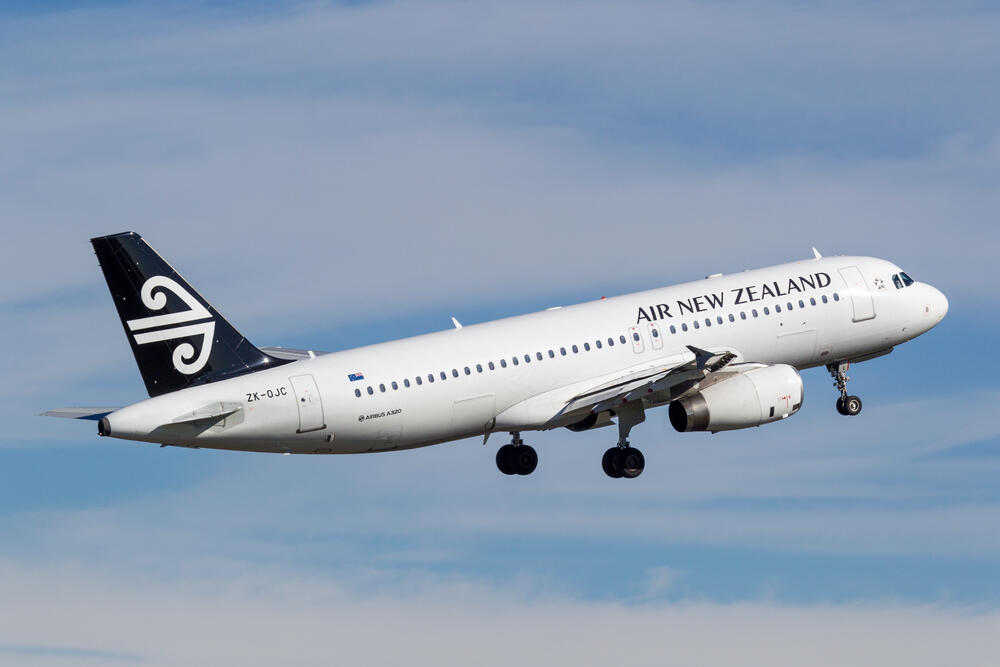
Among the first carriers to take action is Air New Zealand, which announced it has raised ticket prices due to the surge in fuel costs. The airline said it added a surcharge of 10 New Zealand dollars to domestic flights, 20 dollars to short-haul international flights and 90 dollars to long-haul routes.
At the same time, the company suspended its financial outlook for 2026, citing "uncertainty over the Middle East conflict" and its impact on fuel prices.
Australian carrier Qantas has also announced fare increases on international flights as fuel costs rise. The airline said it is also considering shifting flight capacity toward Europe, as passengers and airlines seek to avoid disruptions in Middle Eastern airspace.
The airline added that its "flights to Europe are more than 90% full in March, compared to the usual 75% at this time of year."
Behind the changes is the steep increase in jet fuel prices, one of the airline industry’s largest expenses after employee wages. Air New Zealand said that prior to the conflict jet fuel prices were $85 to $90 per barrel. In recent days, prices have surged to about $150 to $200 per barrel.
U.S. airlines are also warning of potential fare increases. Kirby said that if jet fuel prices remain elevated due to the fighting, ticket prices could begin rising quickly. In the short term, he explained, the jump in fuel prices hurts airline profits because many tickets are sold months in advance at fixed prices. But as airlines begin setting fares for future flights, the higher costs are expected to be passed on to passengers.
Fuel surcharges are also increasing. Hong Kong Airlines said it will raise fuel surcharges by up to 35.2% starting Thursday. The largest increase will apply to flights between Hong Kong and the Maldives, Bangladesh and Nepal, where the surcharge will rise to 384 Hong Kong dollars (about $49), up from 284 dollars previously.
Cathay Pacific, which recently added flights to London and Zurich in March to meet rising demand, said it reviews fuel surcharges each month in line with jet fuel prices.

Cathay Pacific boosts flights to Europe
(Photo: Reuters)
Meanwhile, Vietnam Airlines "has asked local authorities to remove an environmental tax on jet fuel to help it maintain operations." According to Vietnam’s government, operating costs for the country’s airlines have jumped 60% to 70% due to higher jet fuel prices.
Thailand’s tourism industry braces for potential impact
The effects are also being felt in tourism. South Korean travel company Hana Tour Service said it is cancelling group tours that include flights to the Middle East and waiving cancellation fees for affected customers. All tours to the region scheduled for March will be suspended.
Thailand’s tourism industry is also warning of potential losses. Officials say that if the conflict continues for more than eight weeks, the country could lose about 595,974 tourists and about 40.9 billion baht ($1.29 billion) in tourism revenue.