

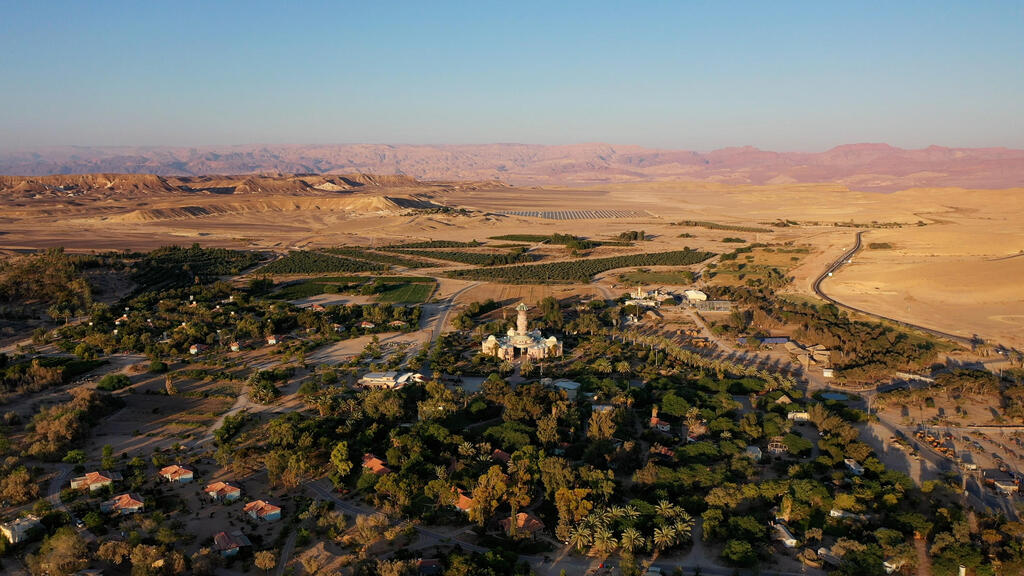
Days after the UN Tourism Organization named Neot Smadar — a small ecological, cooperative kibbutz in southern Israel’s Arava desert — one of the 250 best tourist villages in the world, the community has been overwhelmed by a flood of inquiries and bookings.
“At the guesthouses, they told me, ‘We’re collapsing, we can’t keep up,’” said Adva Meir-Weil, Neot Smadar’s tourism director, in an interview with Ynet’s studio on Monday. “Suddenly, there were so many people contacting us.”
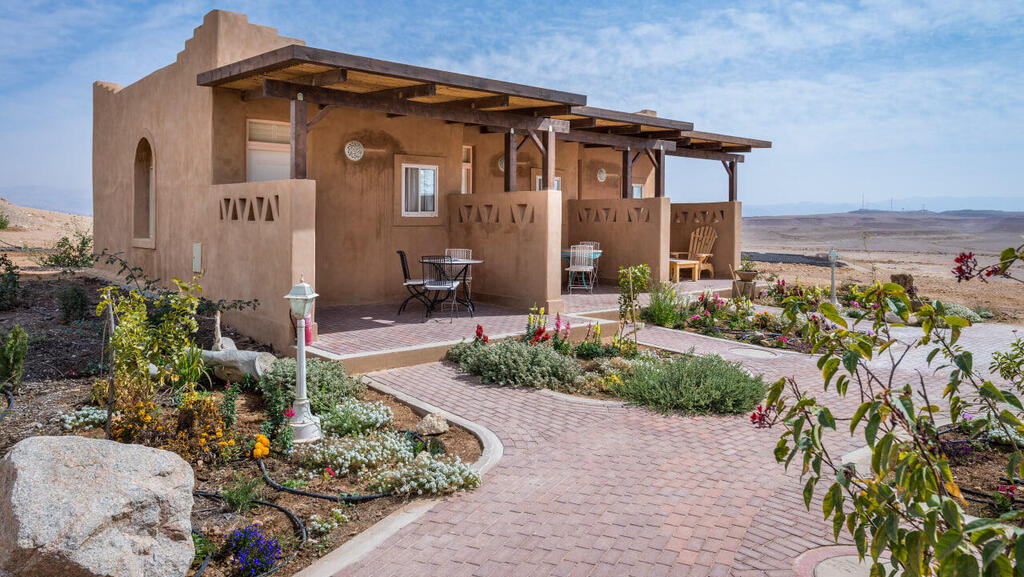
In a letter announcing the recognition, the UN agency praised Neot Smadar — home to around 250 residents — for its cultural and natural richness and its commitment to sustainability “in all three dimensions: ecological, social, and economic.”
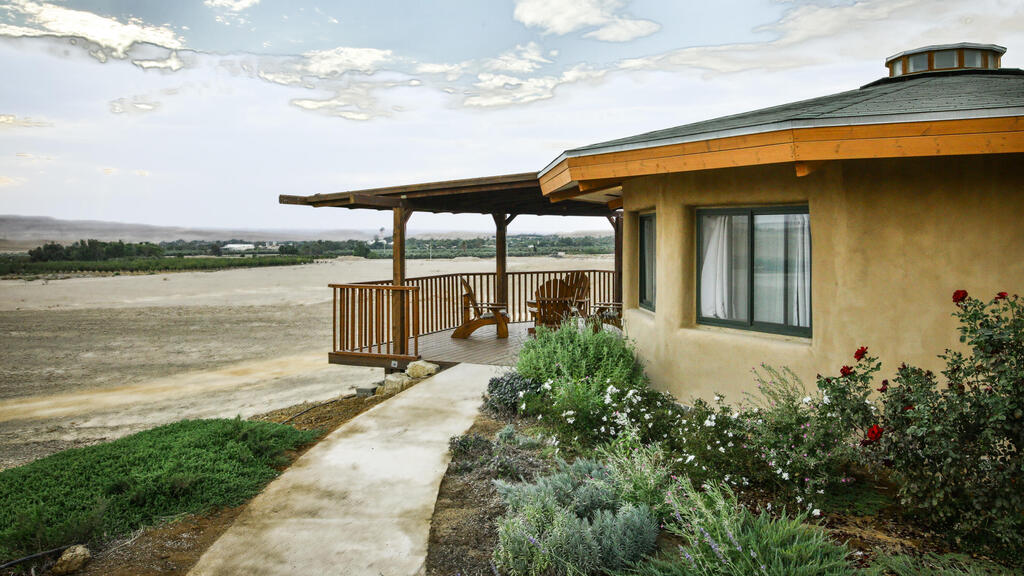
(Photo: Neot Smadar)
The kibbutz was chosen from more than 270 candidates across 65 countries, the organization said, “a clear testament to its exceptional values and efforts to promote rural tourism.”
(Photo: Neot Smadar)
“I think many Israelis still don’t really know Neot Smadar or what it offers visitors,” said Meir-Weil. “People may have heard rumors or outdated things from the past, but today Neot Smadar is truly a desert gem that offers peace and quiet.”
She said the community was “very surprised” by the announcement despite years of preparation. “We worked on this for four years, but when we got the news in September, we were thrilled,” she said.
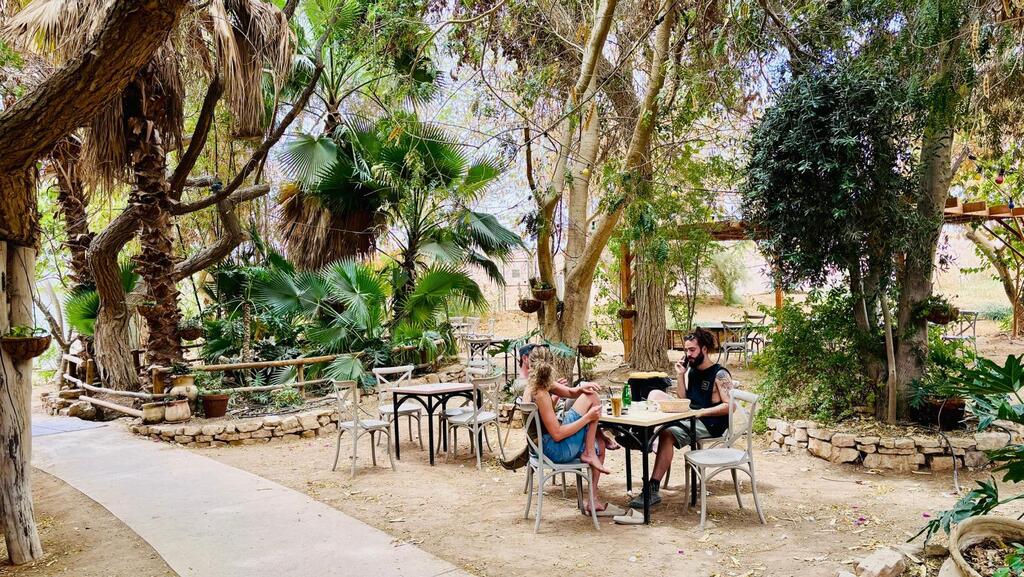
(Photo: Neot Smadar)
According to Meir-Weil, the kibbutz’s success lies in its careful balance between tourism and sustainability. “Tourism can easily overwhelm and damage local cultures, so we’ve built ours to be environmentally and socially balanced — to protect both the community and the desert around us,” she said.
(Photo: Neot Smadar)
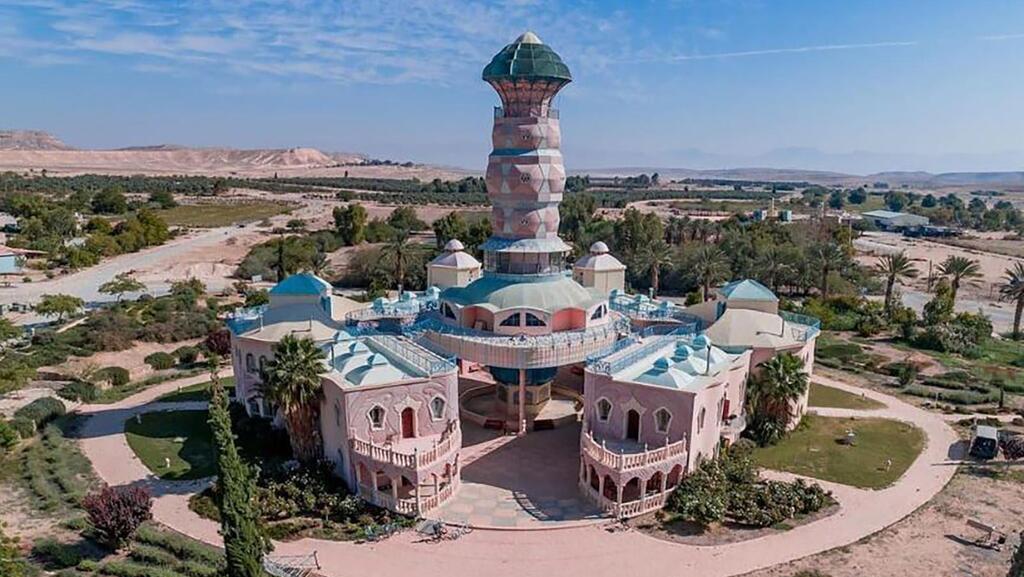
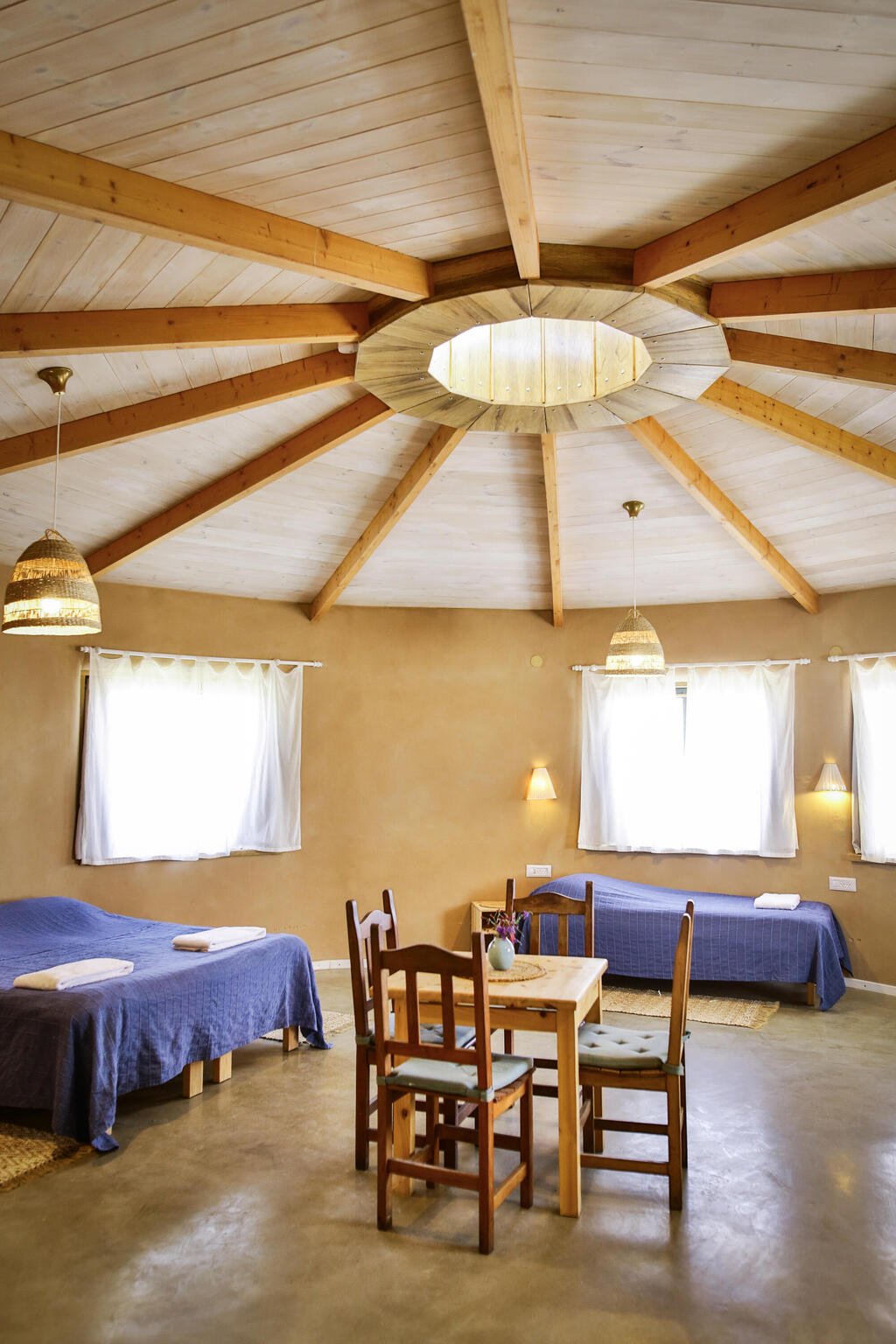
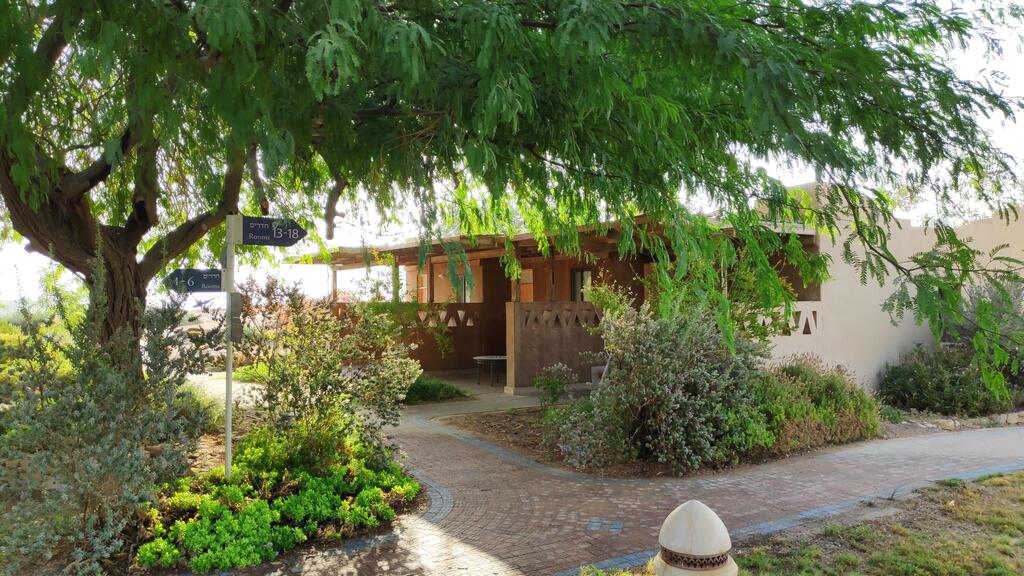
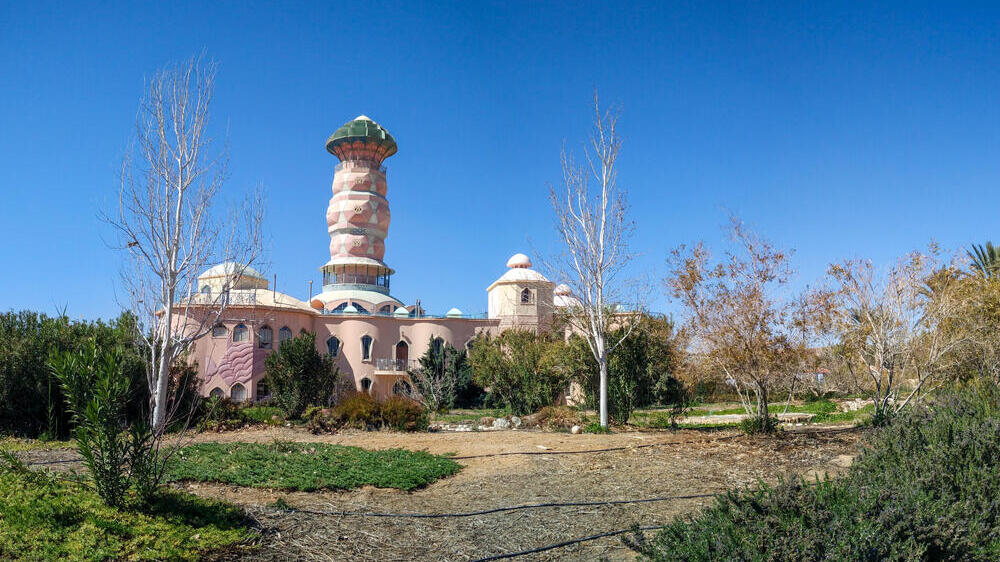
The guesthouses are built with ecological materials, and the kibbutz’s iconic pink Arts House features a passive cooling tower that keeps the building comfortable without air conditioning. “We use the natural desert climate and try to live in harmony with our surroundings,” she explained.
(Photo: Neot Smadar)
(Photo: Neot Smadar)
Founded in 1989 on the site of the abandoned Kibbutz Shizafon, Neot Smadar began as a small, vegetarian, organic community of about 100 people. For years it was relatively closed, focusing on its ambitious architectural project — the Arts House — which residents designed and built themselves over 14 years.

(Photo: Neot Smadar)
“In the past decade, we’ve really opened up and seen tremendous growth in tourism,” Meir-Weil said. The kibbutz currently operates 22 guest rooms and cabins — the former mainly for couples, the latter for families — priced between 700 and 1,000 shekels ($185–$265) per night, depending on season and occupancy.
(Photo: Shutterstock)
Entry to the Arts House costs 40 shekels ($10.50) and includes a visit to the local winery.
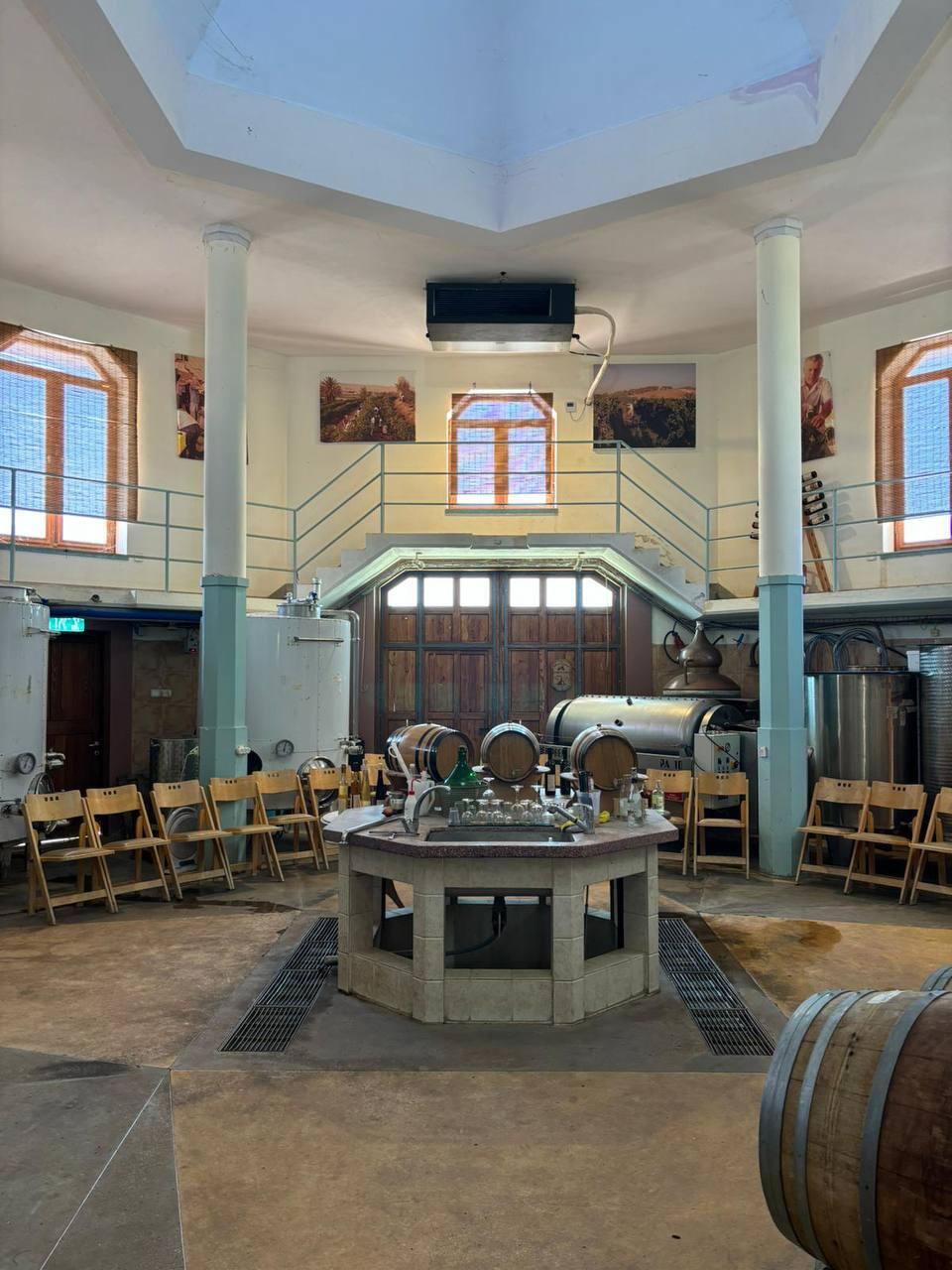
(Photo: David Kichka)
While most visitors are Israelis for now, Meir-Weil hopes that foreign tourists will return once Ramon Airport resumes operations. “Before COVID, when the airport was still open, we hosted many international visitors,” she said.
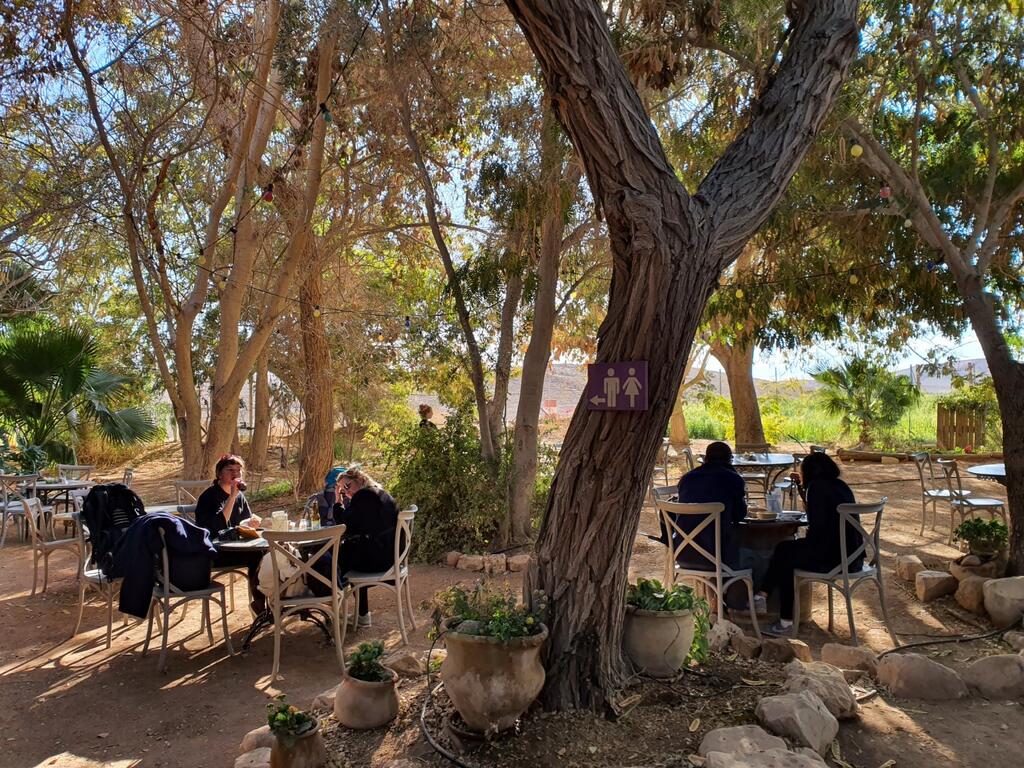
(Photo: Neot Smadar)