

In 2024, 34.6 million travelers chose to take a cruise, an increase of more than 16% compared to pre-COVID-19 levels. The average age of cruise passengers dropped to just 46, with many vacationing this way for the first time. Cruise lines are seeing near-full capacity, surging stock prices, and major investments in new ships: “We’re experiencing unprecedented demand. Profits are growing like a startup’s, only our baseline is a billion dollars."
The COVID-19 pandemic was widely expected to mark the end of the cruise vacation. Then came the Russia-Ukraine war, which drove up energy prices, costs that cruise operators passed on to customers. All of this came alongside years of climate activism criticizing the industry, as it is seen as one of the most polluting sectors in tourism. Several European cities even began banning cruise ships from entering their waters and ports.
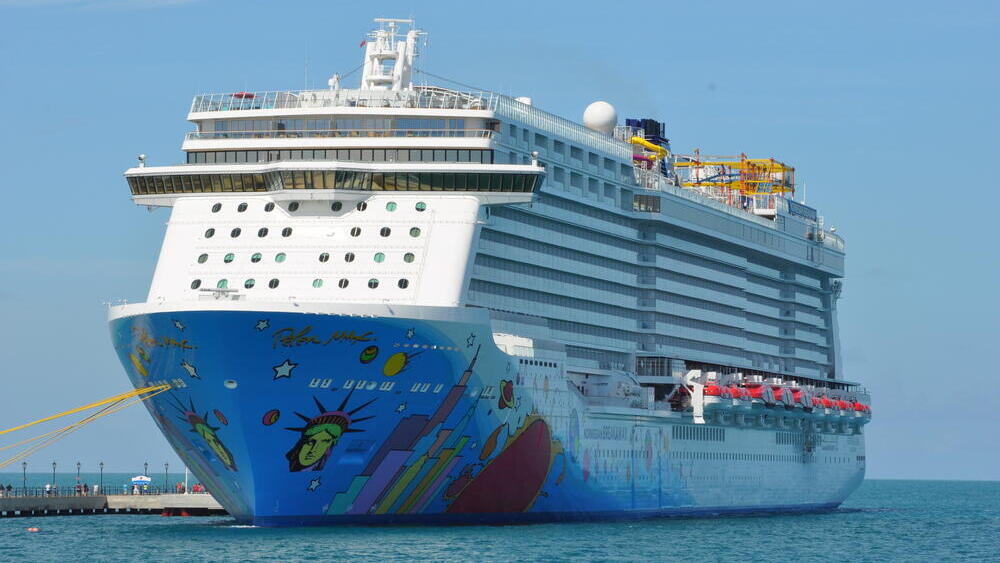
But cruise operators had no intention of giving up. Some shifted to more energy-efficient vessels, while others reduced sailing speeds, all part of an effort to appear engaged in the climate fight. Many companies also launched aggressive marketing campaigns, often in partnership with local tourism boards, and rebranded their ships in creative ways: cruises for foodies, LGBTQ travelers, heavy metal fans, and more.
The industry’s image overhaul came wrapped in glossy posters and Instagram posts featuring golden sunsets, turquoise beaches, and the promise of exotic, affordable getaways. Social media influencers were enlisted, and celebrities like Robbie Williams and Drew Barrymore helped promote the trips.
The result was a dramatic comeback for the cruise industry in the past year, not just in numbers, but in image. Where cruise vacations were once associated with retirees, the average passenger in 2024 is now 46 years old, with decks filled by unmarried travelers and families with children.
“Flight and hotel prices have gone up significantly,” said Michaela Maier, a Berlin-based travel agent specializing in cruises. “Here, travelers get accommodation, transportation, and food all in one price, and every morning they wake up in a new city.
In this economically challenging period, that’s an appealing deal for many.” According to Maier, cruises are now running year-round, with particularly strong demand from European tourists in winter months. The industry is also benefiting from a high rate of returning customers.
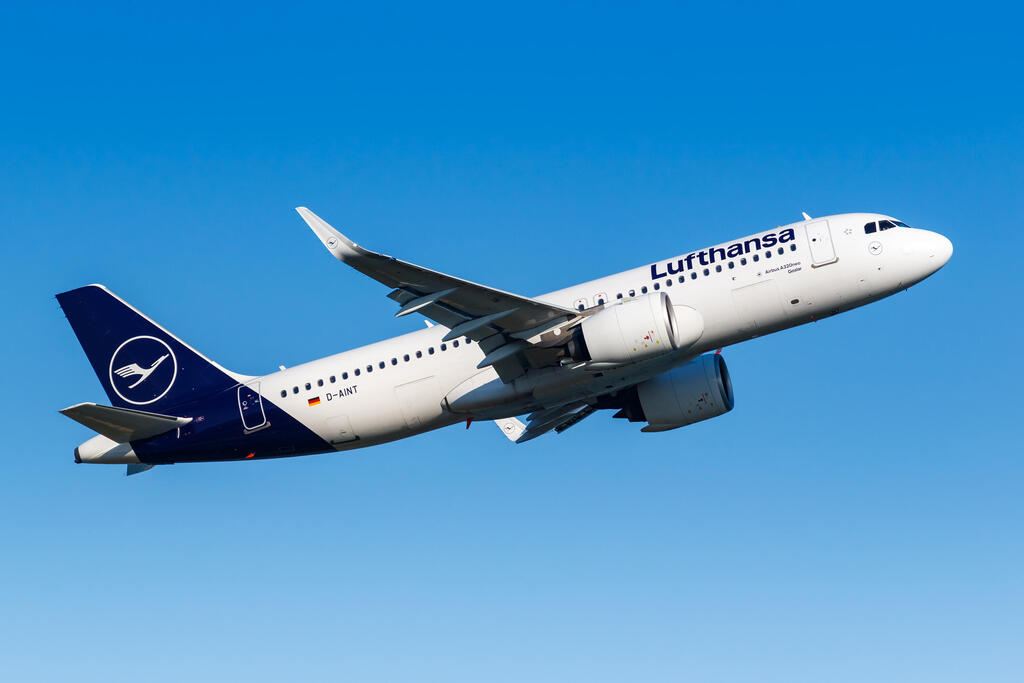
Flights are expensive
(Photo: Markus Mainka / Shutterstock)
About 35 million passengers a year
According to the Cruise Lines International Association (CLIA), 34.6 million tourists took a cruise vacation in 2024, up 9.3% from 2023 and up 16.5% from 2019, the last pre-COVID-19 pandemic year. The association projects that number will rise to 37.7 million in 2025. The industry is reaching new audiences, with 31% of passengers over the past two years taking a cruise for the first time, compared to just 24% in 2019.
Much of that growth comes from Generation X and Y. More than 80% of travelers from those age groups reported in surveys that they were very satisfied with their cruise experience and said they would definitely book another one. “For this generation, it’s not just about cost,” Maier explained. “It’s about convenience. They don’t want to spend time planning, looking for hotels, trains, or restaurants. They want fewer choices, not more."
The surge in demand along with expectations for more personalized, eco-friendly, and exclusive voyages is reflected in a wave of new ship orders. In 2025 alone, 11 new ships valued at $10 billion are expected to join global fleets. By 2036, the industry anticipates adding 56 more ships worth $56.7 billion. Unlike most cargo vessels, which are built in China, the majority of cruise ships are manufactured in Europe, and they cost up to five times more than a cargo ship.
It’s not just about quantity, but quality: 70% of new ships will be small to mid-size, designed with new technologies that reduce energy consumption and offer a more premium experience, aimed at securing a firmer place on the global tourism map.
Despite $41 billion in revenue in 2024, cruise vacations still account for just 2.7% of global tourism. The industry's stated goal is to reach 5% by 2028. With major players like Royal Caribbean and Norwegian, alongside smaller companies, reporting near-full occupancy throughout 2024, the cruise sector appears to be on the right course.
Spas and Chef restaurants
Royal Caribbean, the industry's leading cruise line, saw its stock price double over the past year. Carnival Cruise shareholders enjoyed a 50% rise in 2024 alone. These gains, shared across nearly every corner of the sector, helped cruise companies pay off the enormous debts they accumulated during the COVID-19 pandemic, when ships were docked and generating no revenue.
The financial windfall also enabled new investments in equipment, technology, and marketing, aimed at expanding the industry's customer base.
Some of the industry's turnaround can be credited to a leadership shake-up during the pandemic. Several major companies used the lull to bring in new executives who have stronger financial backgrounds. These leaders struck a balance between cutting costs and maintaining customer satisfaction, eliminating bloated expenses without compromising the passenger experience.
Despite the positive momentum, the industry faces two main challenges. First, the impact of global conflicts on cruise routes, such as those caused by geopolitical tensions.
Second, a growing trend among European cities to limit or ban cruise ship access due to tourism overflow and environmental concerns. Amsterdam, Ibiza, and Cannes have already implemented such restrictions. Venice, which suffers from frequent flooding, has taken similar action both to control crowds and protect its delicate infrastructure.

Amsterdam. One of the cities that limit ship access
(Photo: Nir Cohen)
Still, many believe the cruise sector’s advantages outweigh its challenges. “There’s an incredible variety of experiences that appeal to nearly every demographic,” said Maier. “From pools, amusement parks, and waterslides to casinos and other attractions on the big ships, to smaller, more tailored vessels that offer spa facilities or chef-restaurants.
The biggest selling point for most travelers is financial predictability. You can plan a vacation knowing almost exactly how much it will cost; whether you splurge or stay within budget is up to you. That’s not the case with a traditional trip, where costs can quickly spiral."
“Our industry is seeing unprecedented demand,” said Jason Liberty, CEO of Royal Caribbean Group. “Most of us are forecasting 20% annual profit growth. These are startup-like gains, but our baseline is already in the billions.” The sharp rise in share prices and company valuations suggests Liberty’s projections are well within reach.
Cruise travel also offers a social component that appeals particularly to younger generations, Maier noted. “It’s massive tourism with a variety of choices; you’re sometimes sharing a space with 6,000 other people. That sense of community is something many younger travelers crave; they don’t want to be alone with their phones. They want to feel like they belong."
The sector’s potential for expansion hasn’t gone unnoticed. Several major hotel chains have begun investing in the cruise market, launching private yacht experiences aimed at high-net-worth travelers.
As for the increasing number of cities restricting port access, as cruise tourism does not significantly contribute to the local hospitality economy, cruise giants have already started adapting. In recent years, American companies have begun buying entire islands and beach areas in the Caribbean to ensure exclusive docking options and avoid potential conflicts with local governments.