

Hungarian low-cost airline Wizz Air is planning to open a new operational hub at Ben Gurion Airport as early as April 2026, the company’s CEO announced Thursday during a meeting with Transportation Minister Miri Regev. The declaration triggered a strong backlash from Israel’s domestic carriers, who warned they will oppose the move “with every means available.”
“This is an unprecedented step—not only in Israel, but anywhere in the world. A commercial airline is being allowed to enter and take over a domestic market,” said Arkia CEO Oz Berlowitz. “This is a serious development, and we will fight it, including through the courts.”
Wizz Air CEO József Váradi told Regev the airline plans to invest $1 billion in the Israeli market over the next three years, basing 10 new aircraft in the country and adding 50 new routes to its current 20. He also announced plans to create 4,000 jobs in Israel, including 500 direct hires.
Regev welcomed the plan and criticized local carriers: “It’s no secret that Israeli airlines raised prices during the public’s most difficult moments. That’s unacceptable,” she said, signaling her determination to move forward with Wizz Air’s entry.
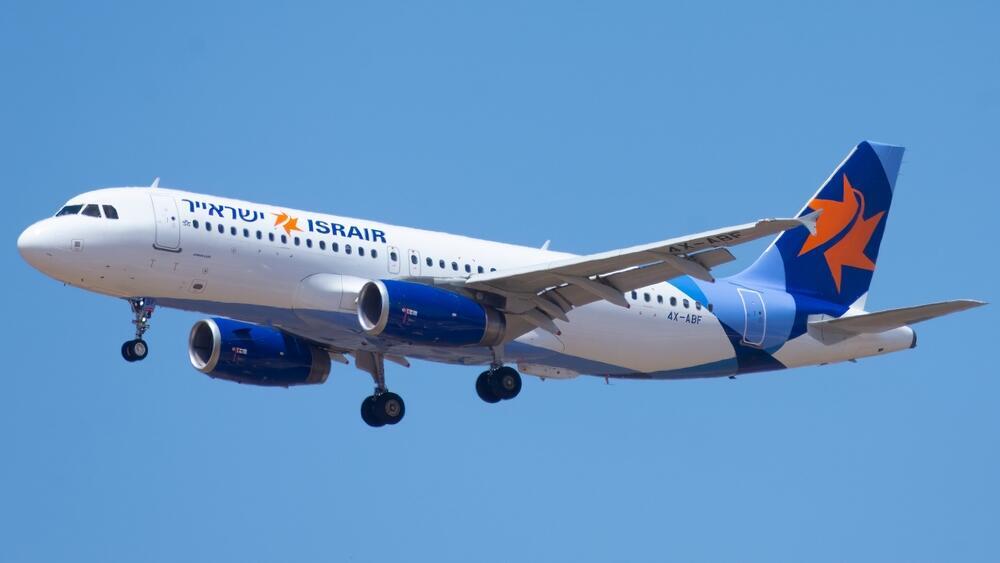
Israir responded Friday with a sharp statement, emphasizing, “We are not afraid of competition. We are fighting for fairness, for equality and for the future of Israeli aviation.” The company warned that the proposed policy creates unfair advantages for foreign airlines and could jeopardize local service access, pricing stability and national aviation security.
Wizz Air CEO József Váradi at a press conference with Miri Regev presenting the plan to establish a hub at Ben Gurion Airport


“Competition is not a threat—it’s a growth engine,” the airline stated. “But competition must be fair.” Israir argued that current slot allocations at the low-cost Terminal 1 favor Wizz Air three-to-one, despite Israir flying more passengers and maintaining year-round domestic service to the Red Sea resort town of Eilat.
Israir called on Regev to immediately correct these “imbalances,” demanding equal terms for foreign crew employment, fair slot distribution based on carrier size and a significant reduction in airport fees. The airline also urged reforms to national aviation security, aligning with National Security Council recommendations that would cut costs and remove what they call “artificial burdens” on Israeli airlines.
“It cannot be that the government encourages its citizens to fly foreign airlines while imposing unequal security standards and obstacles on its own carriers,” the statement read. “That’s not equality. That’s not professionalism. And it’s not in the public interest.”

Arkia CEO Oz Berlowitz
(Photo: Avigail Uzi)
In a separate announcement, Israir revealed a strategic expansion plan, with board approval to begin negotiations for the purchase of two Airbus A330 wide-body aircraft, in a deal estimated at $80 million. The move signals Israir’s intent to expand long-haul operations to destinations such as Thailand, Vietnam and the Philippines, with additional routes planned.
Meanwhile, the Arkia CEO, who had already initiated legal proceedings before Wizz Air's CEO even arrived in Israel, spoke out strongly in an interview with ynet. “I support competition, and Wizz Air certainly represents competition across Israel’s aviation market. But it is unacceptable for a foreign airline to receive preferential treatment over Israeli carriers. After all, this is a private company from a foreign country—setting a serious and dangerous precedent for our nation,"
"This move essentially allows a foreign airline to seize control of Israel’s aviation market, while seeking affirmative action in its favor—such as receiving a disproportionate number of slots at Terminal 1 and enjoying privileges like ‘seventh freedom’ rights that allow flights to third countries, violating the Open Skies agreement. This is a company that does not bear the security costs imposed on Israeli airlines.”

Israir CEO Uri Sirkis
(Photo: Moshe Mizrahi)
Berlowitz also warned of what he termed “imported cheap labor,” noting that the plan involves foreign flight crews, pilots and ground staff subject to EU oversight, not Israeli labor laws. “This is not job creation for Israelis—it’s outsourcing to foreign labor,” he said.
Addressing speculation that Wizz Air could begin domestic flights to Eilat, Berlowitz dismissed the idea as a “smokescreen,” arguing the low-cost model doesn’t fit 35-minute flights where passengers rarely pay for extras like seats or meals. “I don’t see Wizz entering the domestic market,” he said.
Berlowitz emphasized a critical national security concern: in wartime, foreign crews often suspend operations, citing European Aviation Safety Agency (EASA) advisories. “During two years of war, Israeli airlines kept flying while foreign ones suspended routes. In the next war, if Wizz has a base here, at least two Israeli airlines could disappear.”
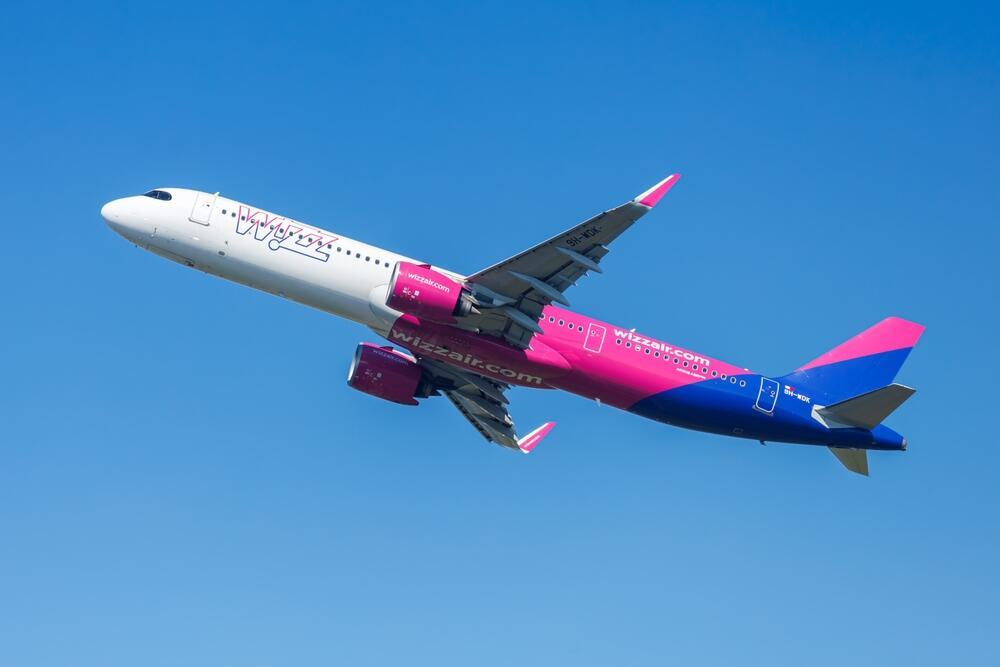
Wizz Air jet
(Photo: Markus Mainka / Shutterstock)
He continued, “It’s heartbreaking to say this, but this policy punishes the very companies that kept Israel’s skies open during missile attacks, while rewarding a foreign airline with preferential treatment.”
When asked Thursday by ynet whether Wizz Air had contingency plans for a future airspace shutdown like the one during the Iran conflict, Váradi replied, “As a European airline, we must follow all EASA guidelines. If we open a base in Israel, we’ll receive more detailed security briefings, allowing for better decisions—but we will still be subject to European regulations.”
Berlowitz concluded by warning of broader market damage. “This isn’t just harmful to Israeli airlines—it could also drive foreign carriers away if they feel they can’t compete in a market dominated by a low-cost airline with excessive slot allocations.”
“I repeat—competition is good for consumers, but it must be fair. If Arkia is given the same conditions as Wizz, we’ll gladly lower prices,” he said. As for Israeli pilots potentially leaving for Wizz Air, he was skeptical. “We pay €25,000 per month. Wizz pays around €10,000. We’re prepared to escalate this legal fight, and we’ve retained attorney Raz Nizri to lead the case.”