

Ben Gurion Airport has returned to normal operations after last week’s labor disruption, but concerns remain over possible renewed industrial action during the busy Jewish holiday travel period.
The Israel Airports Authority said Sunday that it had agreed with the workers’ union on several measures designed to reduce congestion and restore full operations, including recruiting and training new employees. Whether those steps can make a significant difference before Rosh Hashanah, the Jewish New Year, which begins in less than three weeks, remains unclear.
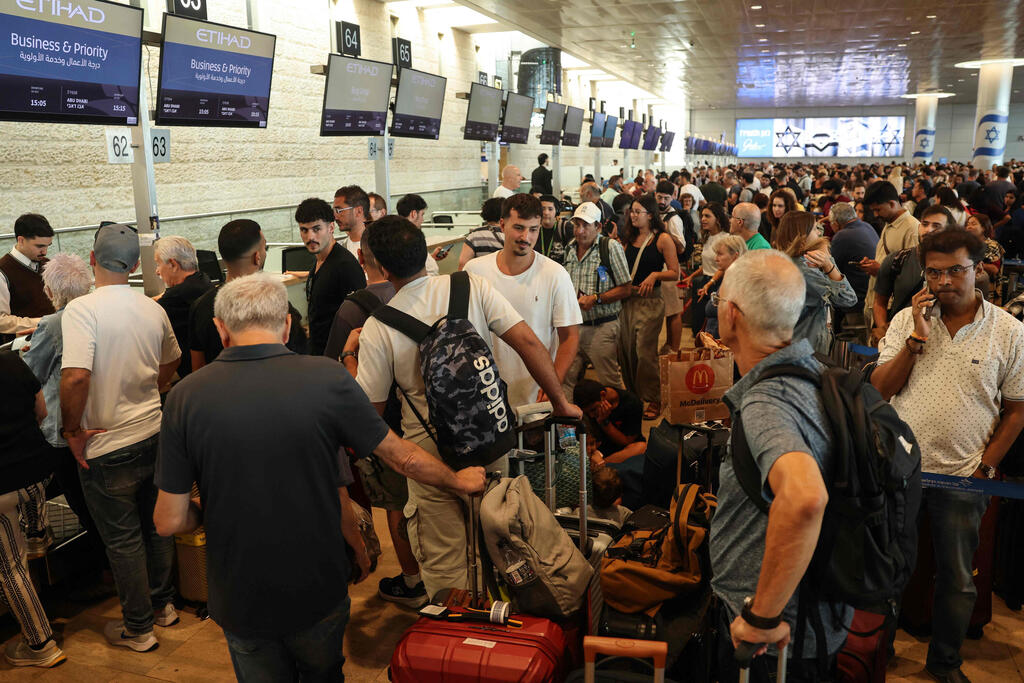
Following a joint meeting with the union, the authority said baggage, security and ground services had returned to full operation. Headquarters and management employees are also joining frontline shifts, particularly in baggage handling and queue management, while recruitment continues ahead of the fall holiday season.
“The authority’s management and workers’ committee are acting together to reduce congestion and restore routine operations as quickly as possible,” the authority said. Passengers were urged to check flight times with their airlines and arrive at the airport according to instructions.
The measures follow severe disruption on Thursday, when Ben Gurion was closed to incoming flights for about an hour amid a dispute over workload among baggage handlers. The shutdown triggered hours of chaos on one of the busiest travel days of the summer, forcing airlines to cancel or delay flights and leaving many passengers to depart without their luggage.
Airport management accused the workers’ committee of staging a deliberate strike, but union chairman Pinchas Idan denied the allegation, saying the disruption was the result of a longstanding labor shortage and excessive pressure on employees.
The union said Saturday that the airport is short between 400 and 500 employees across its divisions and warned that without immediate action it may be unable to provide adequate service, particularly during the holiday rush.
According to the union, more than 100 employees are currently serving in the military reserves, while dozens more are absent because of long-term illness, injuries or workplace accidents. Shortages are affecting operations including ground handling, firefighting, security and baggage sorting and transportation.

Pinchas Idan, chairman of the Israel Airports Authority workers’ union
(Photo: Moti Kimchi)
The union said some employees responsible for routine airport operations are working between 220 and 260 hours a month, with shifts extended from eight to 12 hours because of the staffing pressure.
It blamed the shortage largely on management problems and difficulties recruiting workers.
“We have repeatedly warned about this. These are the figures,” the union said. “The issue requires deep, immediate and urgent treatment. Otherwise, it will not be possible to provide passengers with the service they deserve.”
The Airports Authority rejected the union’s figures, saying the numbers cited by Idan had changed between statements and accusing the workers’ committee of trying to justify the disruption after the fact.
The underlying labor dispute therefore remains unresolved even as normal operations resume, leaving the airport facing a crucial test as passenger traffic increases ahead of Rosh Hashanah and the other Jewish holidays that follow.