


The Egyptian government is pressing ahead with an ambitious tourism project at Jebel Musa, or Mount Sinai, a mountain in the southern Sinai Peninsula that many identify as the biblical place where God gave the Ten Commandments to the people of Israel.
The development has triggered growing concern over the fate of a region cherished by Judaism, Christianity and Islam alike. Opponents warn that the fragile desert ecosystem, St. Catherine’s Monastery at the mountain’s base and the way of life of the local Bedouin community could all be at risk.
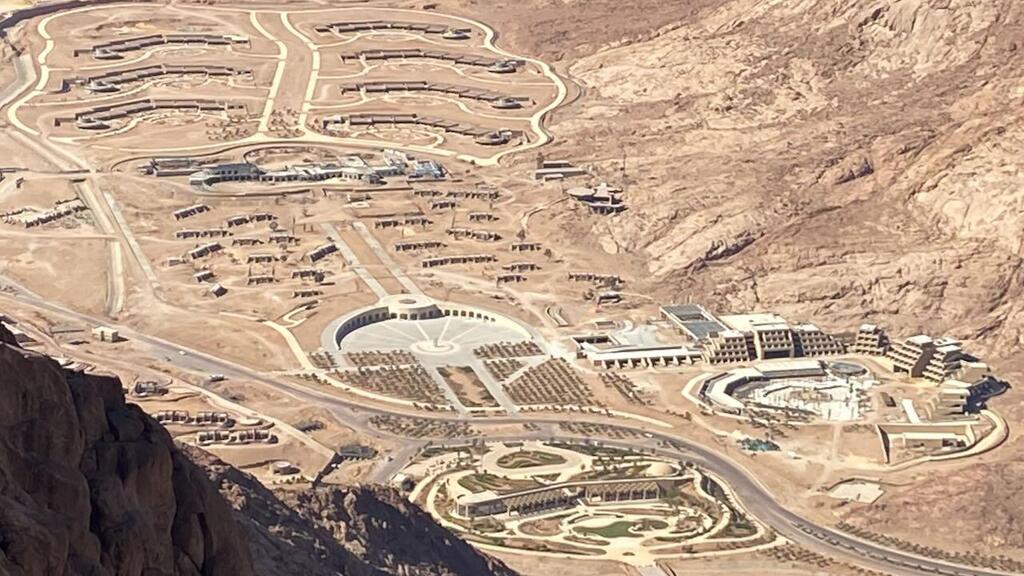
The initiative, known as “The Greatest Transfiguration,” has been underway since 2021 in the town of St. Catherine. Cairo presents it as “a gift to the whole world and all religions.” Egyptian officials describe the plan as an effort to develop the town to maximize its tourism potential while incorporating archaeology, religious traditions and environmental elements.
Still, deep unease surrounds the way this isolated desert site — recognized by UNESCO as a World Heritage location encompassing the monastery, the town and the mountain — is undergoing a major transformation. A BBC report said luxury hotels, villas and bazaars are already rising in the area.
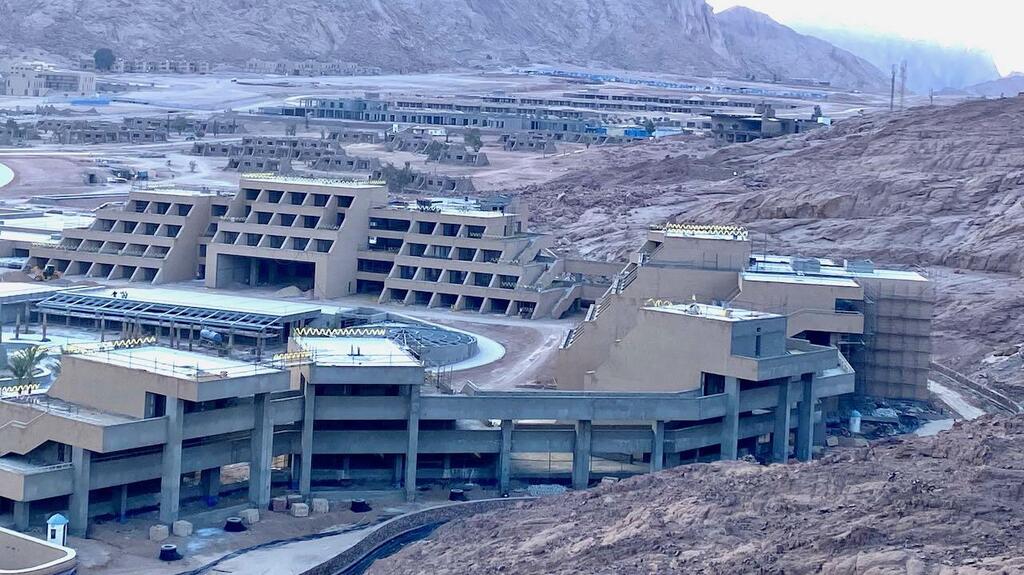
(Photo: Ben Hoffler)
In April, Egypt’s government communications center released a video responding to claims that the project undermines the archaeological character of the site and violates UNESCO environmental standards. The video said St. Catherine is being developed within the framework of “The Greatest Transfiguration” project with full commitment to its unique heritage and natural setting, in line with standards approved by UNESCO.
According to the video, all work is carried out in direct coordination with the organization and international consultants accredited by it to safeguard the archaeological and environmental integrity of the area. Officials stressed that every historic stone and native plant is being preserved under a comprehensive plan designed to highlight the site’s spiritual, religious and environmental value. The site was described as “one of the most important world heritage locations.”
The project also seeks to put St. Catherine on the global map of religious and environmental tourism, the government said, adding that 90 percent of the planned work has already been completed with full adherence to environmental guidelines.
Tensions with Greece
Greece, which has historic ties to the monastery, has voiced strong objections. Tensions with Cairo escalated after an Egyptian court ruled in May that the monastery stands on state-owned land. Athens quickly condemned the decision, calling it an existential threat to the monastery.
The Greek Orthodox Patriarchate in Jerusalem also weighed in, stressing the importance of protecting the holy site.
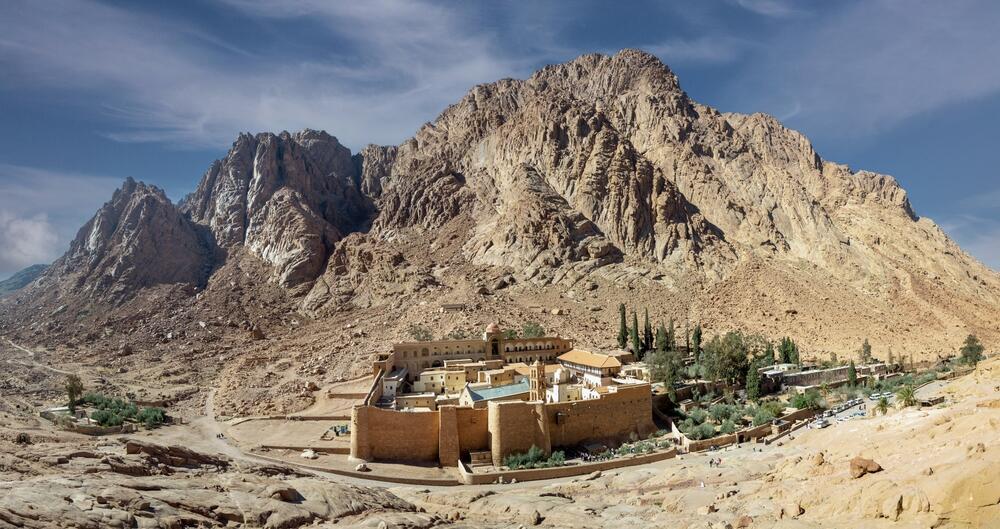
St. Catherine’s Monastery
(Photo: Stefan Sutka/ Shutterstock)
By late May, Egyptian President Abdel Fattah el-Sissi spoke by phone with Greek Prime Minister Kyriakos Mitsotakis to defuse tensions. El-Sissi reaffirmed that Egypt is committed to preserving the monastery’s unique religious status, and both sides underscored their commitment to bilateral relations. Egyptian Foreign Minister Badr Abdelatty argued that the court ruling in fact reinforced the protection of the monastery, its archaeological sites, and its religious value. He urged critics to read the full judgment, amid rumors of confiscation of monastic property.
An irreversible transformation
While officials insist the monastery and its deep spiritual meaning will endure, the surrounding environment and centuries-old way of life appear set for irreversible change. The BBC reported that the Bedouin community has been forced to exhume bodies from local graves to make room for a parking lot.
A source familiar with Sinai tribes told the broadcaster that although the project was framed as essential development to boost tourism, it was effectively imposed from above on the Bedouin. According to the source, the plan serves foreign interests rather than those of the local community.
Egypt, grappling with a severe economic crisis, has rolled out a wave of tourism ventures to lure visitors and secure investment, often with foreign partners. That drive has stirred resistance at home, fueling fears that public land and heritage sites are being sacrificed to economic necessity.