

The dramatic announcement issued over the weekend from Jerusalem, recognizing Somaliland as an independent state, was received in the capital Hargeisa like a national holiday. Israeli flags were hung alongside Somaliland’s own, and the mood in the streets reflected a sense of genuine partnership between two small states surrounded by challenges that chose democracy and progress.
For locals, the Israeli passport overnight became a symbol of close friendship, and mutual curiosity is at its peak.
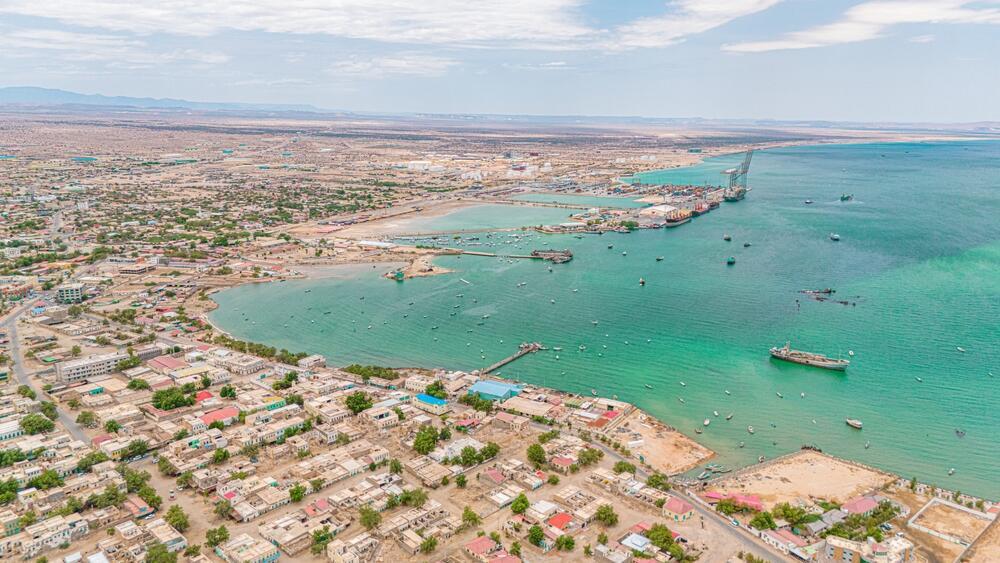
Beyond the diplomatic handshakes, the recognition opens a door for Israeli travelers to a destination that until now has been almost entirely off the radar. Somaliland is not a classic beach-and-belly vacation, and it is certainly not an all-inclusive getaway. It is a destination for curious travelers, history lovers and adventurers who want to see a very different Africa.
It should be noted that as of now, Somaliland does not appear on the list of countries on Israel’s National Security Council website, so it is unclear whether Israel advises its citizens to avoid visiting the country or how it assesses the level of risk.
No, this is not Somalia: no pirates, no terror
To understand the destination, it is important first to clear up a common misconception. Somaliland is not Somalia. While Mogadishu, the capital of neighboring Somalia, is considered one of the most dangerous places in the world, plagued by civil war, terrorists, crime and piracy, Somaliland, which declared independence in 1991, functions as a fully operational state.
It is democratic, stable and surprisingly safe. It has its own currency, issues passports and operates effective police and military forces under an elected government. For three decades the world largely ignored it, yet it continued to develop on its own, blending ancient tribal traditions with a strong aspiration toward the West.
Getting there and where to stay
Reaching Somaliland requires patience, as there are no direct flights from Israel. The most convenient and reliable route is via Ethiopian Airlines, considered the most dependable carrier on this route. The journey begins with a flight from Ben Gurion Airport to Addis Ababa, followed by a short connection of about an hour and a half to Hargeisa.
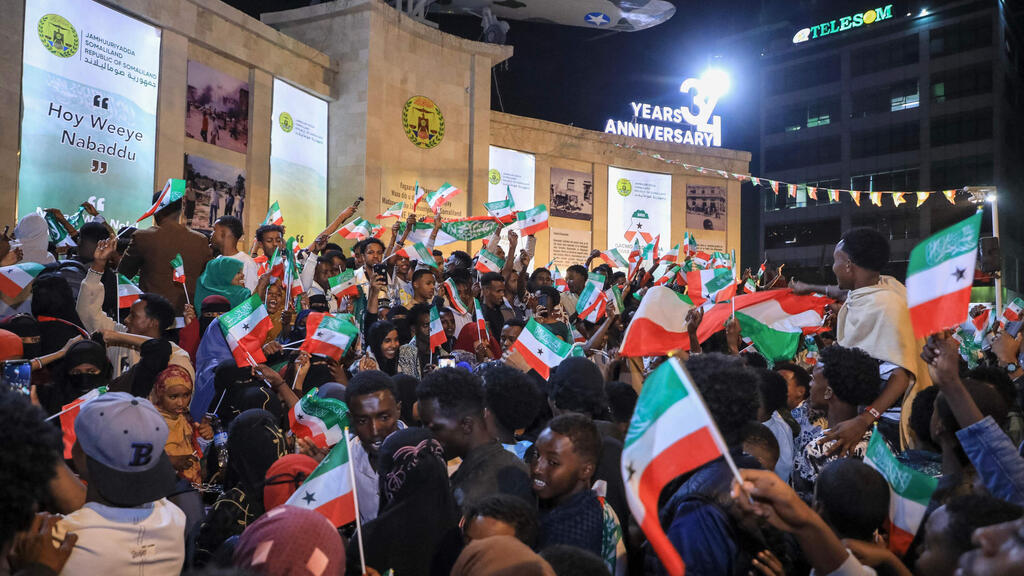
Celebrations following recognition of Somaliland
(Photo: Farhan Aleli / AFP)
Round-trip airfare usually ranges between $800 and $1,200. Israelis require a visa, which can be obtained at Somaliland’s embassy in Addis Ababa or in some cases on arrival. This requires advance coordination and an invitation letter arranged through a local contact.
Do not expect international luxury hotel chains. Accommodation in Hargeisa is based on local hotels, some of which offer a very good standard and modern services. The most notable are the Mansoor Hotel, favored by foreign journalists and United Nations staff because of its security arrangements, and the more modern Damal Hotel in the city center. Prices typically range from $60 to $90 per night for a double room.
Safe, but with especially strict rules
Personal security in Somaliland is perhaps the biggest surprise. Contrary to the region’s image, violent crime levels are very low, and Hargeisa is safe to walk around during the day.
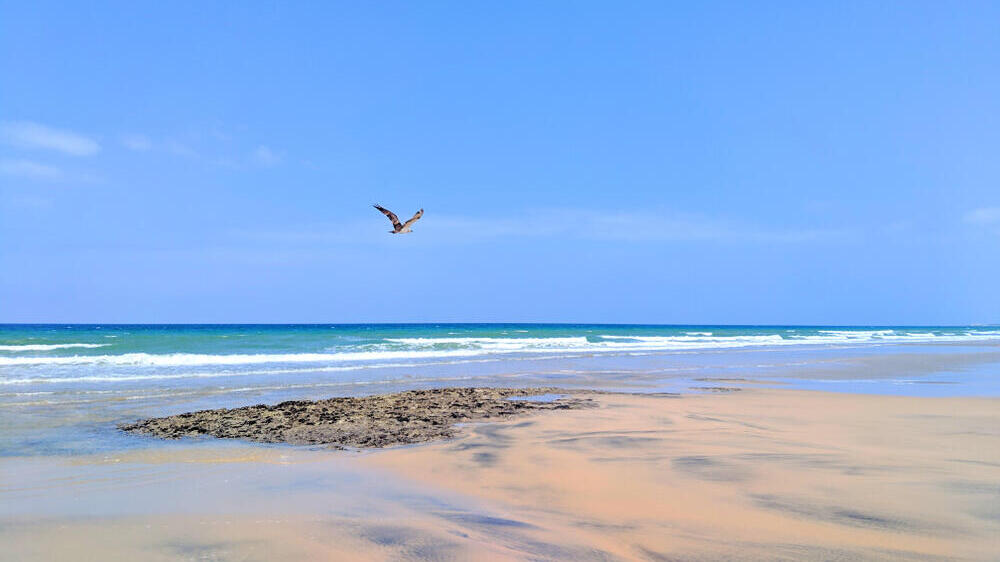
A pristine beach near Berbera
(Photo: Victor Modesto / Shutterstock)
One traveler who has already highlighted this is well-known Jewish American travel blogger Drew Binsky, who has visited every country in the world. In a viral video titled ‘Somaliland is not Somalia,’ Binsky showcased the country’s calm daily life.
“My opinion is that Somaliland is a fully independent country,” he said in his travel diary. “It’s safe, it has its own government and its own money. The people here are some of the nicest I’ve met in Africa.” When a blogger who has traveled through Iraq, Afghanistan and Syria says he feels safe, it carries weight.
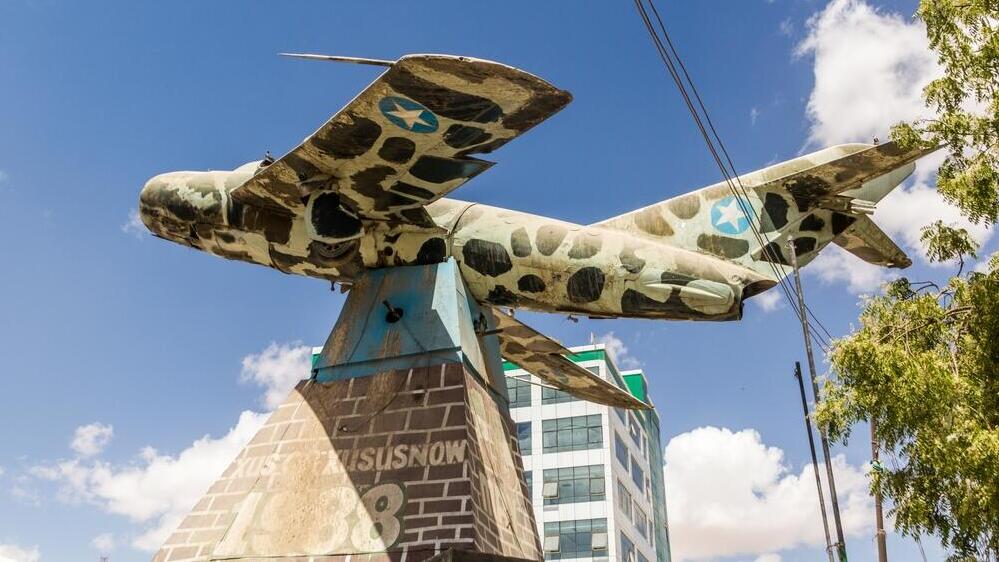
(Photo: Matyas Rehak/ Shutterstock)
“Before I arrived, everyone warned me. The government, my parents, everyone said it was a dangerous war zone,” Binsky said. “But the reality is that I feel safer here than in some cities in the United States. The people here do not want your money. They want your recognition. They just want the world to know they exist.”
At the same time, the local government is highly sensitive to its international image and enforces a unique and strict rule for tourists known as the Special Protection Unit. Any travel outside the capital requires an armed escort from the special police unit. Visitors cannot rent a car and travel independently.
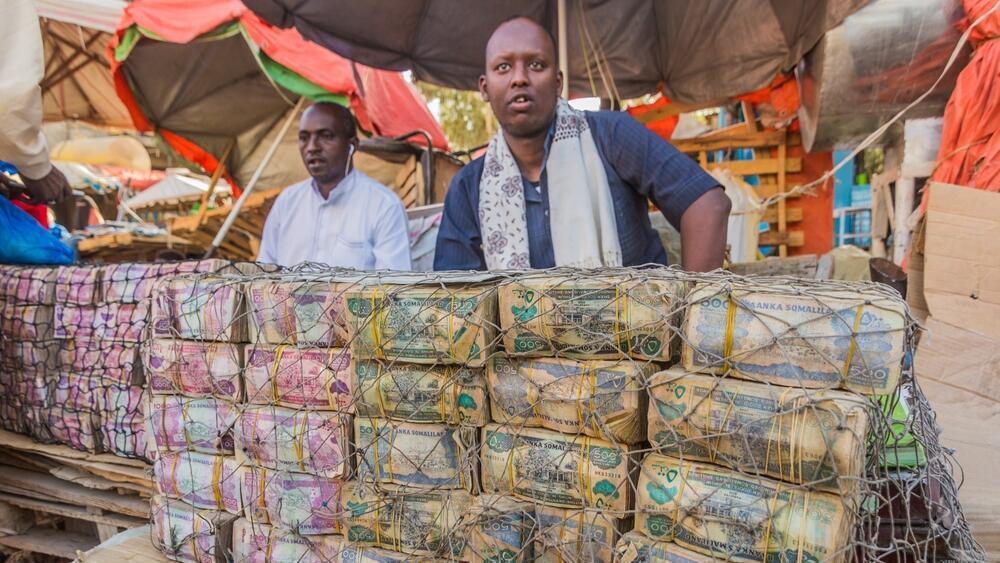
Money changers in Hargeisa
(Photo: Matyas Rehak/ Shutterstock)
Beyond the inconvenience, the requirement has a significant financial impact. A day trip outside the city, including a four-wheel-drive vehicle, driver, armed guard and fuel, costs about $150 to $200, making the stay considerably more expensive.
It is also essential to remember that this is a deeply conservative Muslim country. Somaliland is completely dry. There are no bars, no alcohol in hotels and it is strictly forbidden to bring alcohol in luggage. Dress codes require modesty. Men are expected to wear long pants, and women should wear clothing that covers the body.
A journey through history: must-see sites
For seasoned travelers willing to embrace the challenge, Somaliland offers a journey through time. The crown jewel is Laas Geel, a complex of caves discovered by the West only in 2002 by a French expedition. The site contains rock paintings estimated to be about 5,000 years old.
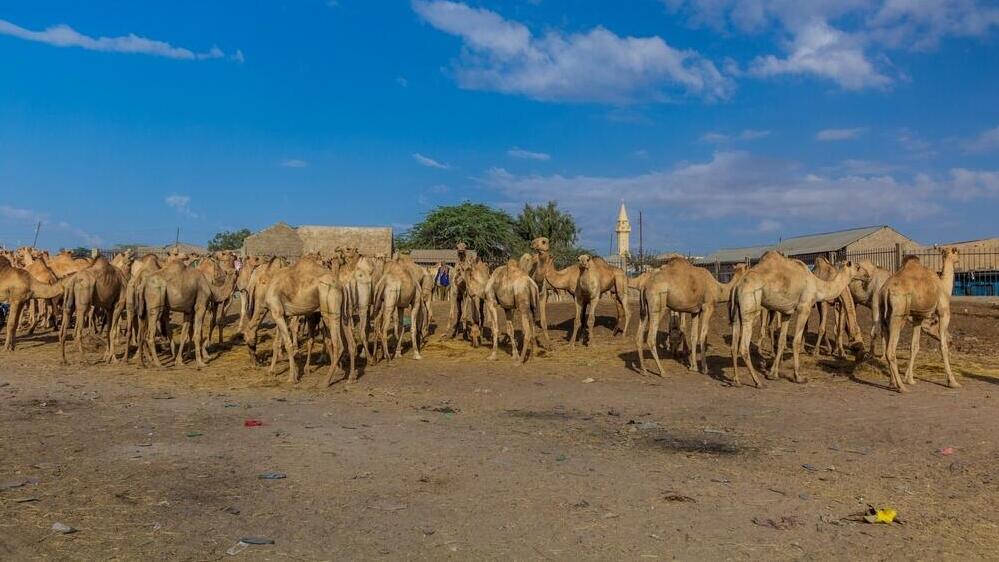
Camel market
(Photo: Matyas Rehak/ Shutterstock)
Unlike faded archaeological sites elsewhere, the paintings here are phenomenally preserved. Figures of cattle, dogs and humans appear in vivid red, white, black and purple, looking as if they were painted yesterday. Locals consider the site sacred, and its isolated hilltop location offers breathtaking desert views.
Within Hargeisa itself, the real action begins at dawn at the camel market. One of the largest livestock markets in East Africa, it is an organized chaos of hundreds of camels, goats and traders conducting loud negotiations amid clouds of dust. It is a fascinating and pungent anthropological spectacle that illustrates the local economy.
Nearby, in the city center, is the famous money market. Due to extreme inflation and the low value of the local shilling, money changers sit in the street with towering stacks of banknotes, without safes and without visible security. It is another testament to the high level of personal safety.
(Photo: Shutterstock)
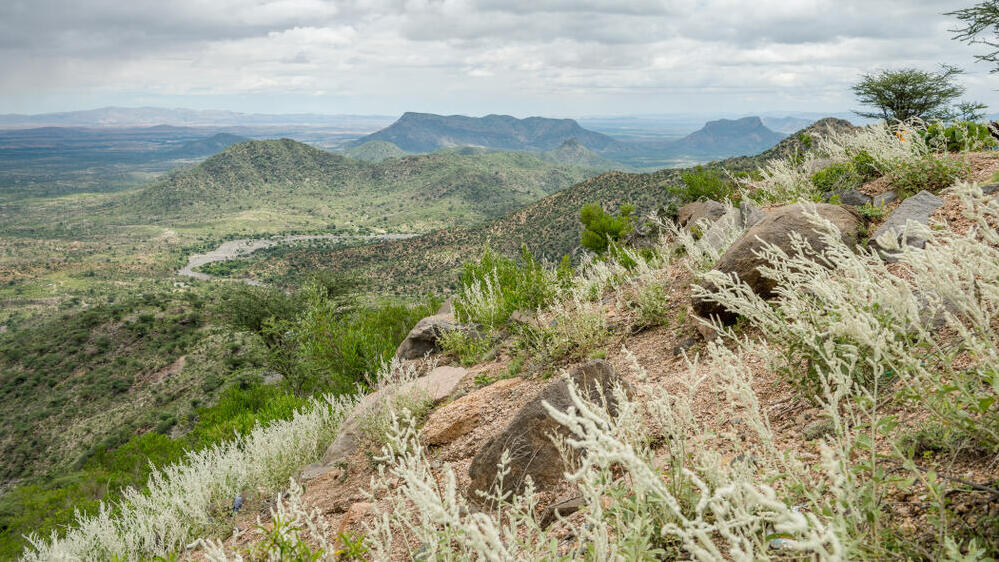
Those heading north toward the coast pass through the Sheikh Mountains, a surprisingly green range offering relief from the heat, with dramatic scenery and winding roads built during the British mandate period. The road leads to the port city of Berbera.
Berbera has a completely different character from the capital. Heavy humidity, crumbling Ottoman and British architecture that gives it a haunting, ghost-town charm, and pristine Red Sea beaches untouched by mass tourism.
The bottom line
Traveling in Somaliland is not as cheap as one might expect. While daily living costs and food are very inexpensive, logistical and security expenses turn the trip into a significant investment.
Still, those who choose to visit now will be rewarded with an unusually warm reception reserved for true friends, and the chance to witness a state in the making at a historic crossroads.