

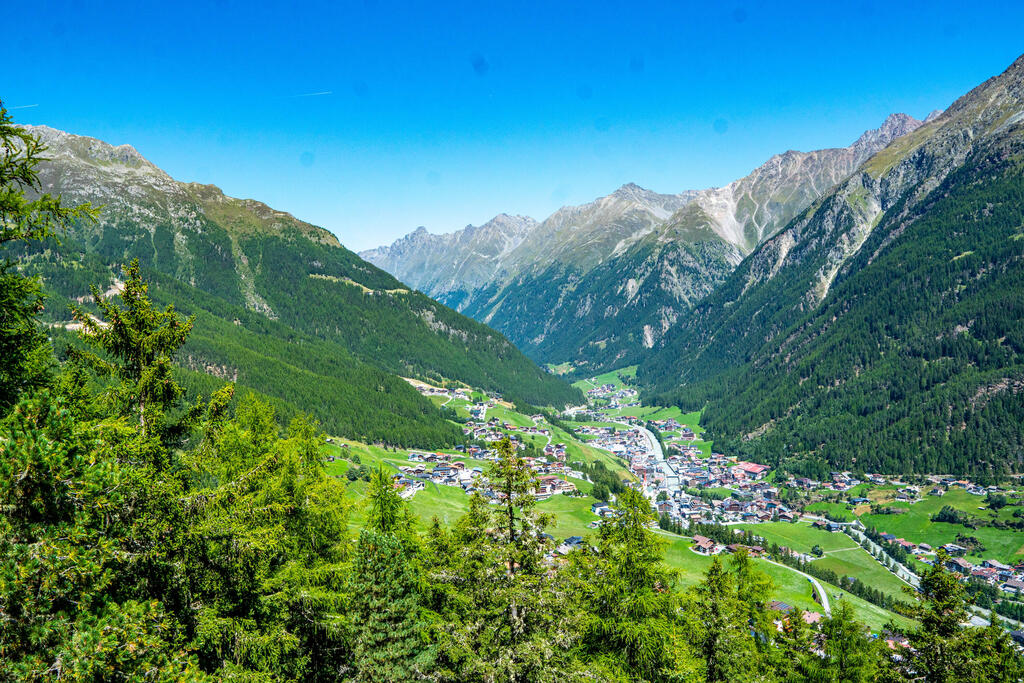
Tyrol, in western Austria at the heart of the Alps, is one of the country’s most beautiful regions to explore. The easiest way to reach it is by flying to Munich, Salzburg or Zurich. We often choose to land in Vienna instead because flights are more affordable. On a trip of around two weeks, travelers can also combine Tyrol with the Wachau Valley or the Salzburg region and its lakes.
Tyrol offers countless valleys and touring areas, from Serfaus-Fiss-Ladis in the west to Innsbruck and its smaller sister town, Hall in Tirol.
Rental cars, toll roads and practical tips
Renting a car is recommended. Travelers entering Austria by car after landing in another country must purchase a Vignette, the toll sticker required for driving on Austrian highways. It can be bought at gas stations near the Austrian border. A 10-day vignette costs about 12.80 euros. Anyone staying longer than 10 days may need to purchase two.
Pay close attention to speed limits, as enforcement in Austria is particularly strict. Fuel can also be cheaper in towns than at gas stations along the highway.
Another tip: Do not be alarmed if you hear sirens at noon on a Saturday. This is usually the weekly test of Austria’s civil warning system, not an emergency, and you can continue your trip as planned.
Accommodation
Tyrol offers a wide range of accommodation for every budget. Many hotels and guesthouses provide regional benefit cards that offer free entry or substantial discounts at dozens of attractions. Most hotels are not air-conditioned, but the alpine climate makes nights generally cool and pleasant.
The hotel prices listed below are for two people per night in August. Rates vary according to the size of the group, room category and each hotel’s policy regarding children’s ages.
The first valley: The wizard of Ötz
Ötztal, which stretches for about 65 kilometers through the Alps, is, in my view, one of the most impressive and diverse valleys in Tyrol.
The best towns for accommodation include Ötz, near the entrance to the valley; Umhausen, in the center; and, farther south, Längenfeld and Sölden.
Sölden is one of Austria’s ski capitals in winter and a major destination for mountain biking and extreme sports during the summer. With around 150 kilometers of slopes for all levels and two glaciers that allow for a long ski season, it is one of the best ski resorts we have visited.
Its cable cars are fast and modern, and the local atmosphere is lively. But this magical ski town is suitable for a vacation throughout the year.
The Ötztal Summer Card is one of the best-value regional passes in Austria. Guests staying at participating hotels and apartments receive it free of charge, except on the day of arrival. Other visitors can purchase it for a set number of days, regardless of when they arrive.
The card includes one daily ride on participating cable cars, unlimited use of buses throughout the valley and entry to swimming pools, museums and numerous attractions. For anyone spending several days in the valley and planning to use cable cars and visit attractions, the card can quickly pay for itself.
What are the must-see attractions?
Aqua Dome
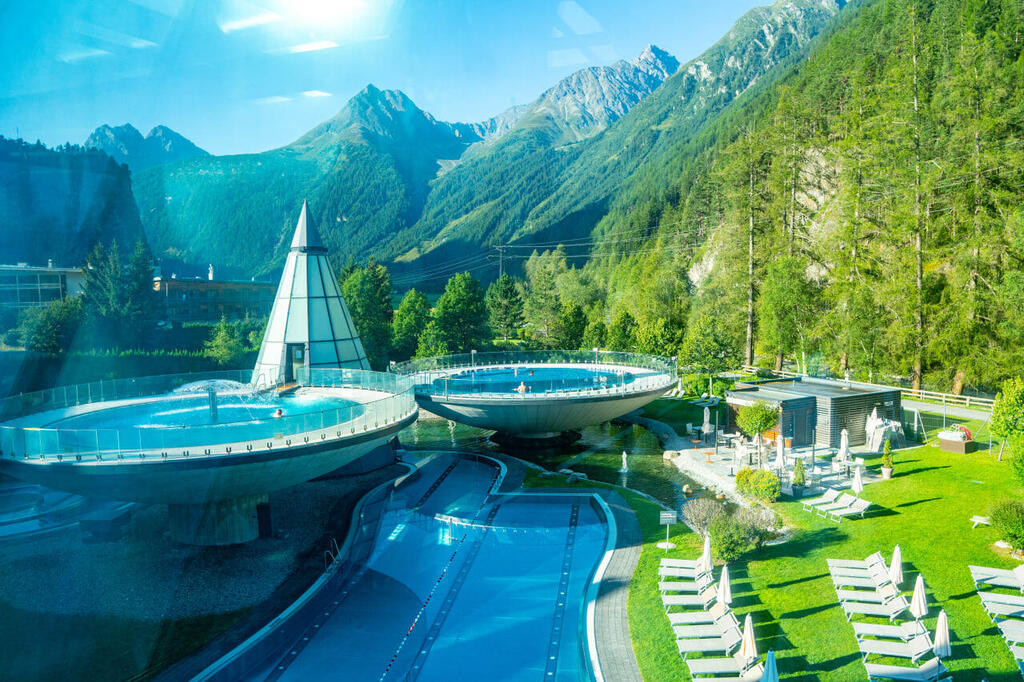
The Aqua Dome thermal spa is among the best-known and most beautiful spa complexes in Austria. Visitors can spend the day there from morning until evening or stay at the adjoining hotel. Hotel accommodation is offered on a half-board basis and includes a complimentary minibar, unlimited entry to the thermal baths, access before outside visitors arrive and after they leave, a private spa for hotel guests, bicycle rental, a fully equipped fitness center and other benefits.
Prices begin at around 1,500 shekels ($490) per couple per night, including the services listed above.
Aqua Dome
(Photo: Hila Mor Alon)
Warm waters beneath snow-covered peaks
(Photo: Hila Mor Alon)
Travel tip: Anyone who wants to stay at the hotel for the experience should consider beginning the vacation in a guesthouse or apartment, exploring everything the valley has to offer and then spending the final night or two relaxing at the hotel without leaving the property.
A typical breakfast at an Austrian guesthouse
(Photo: Hila Mor Alon)
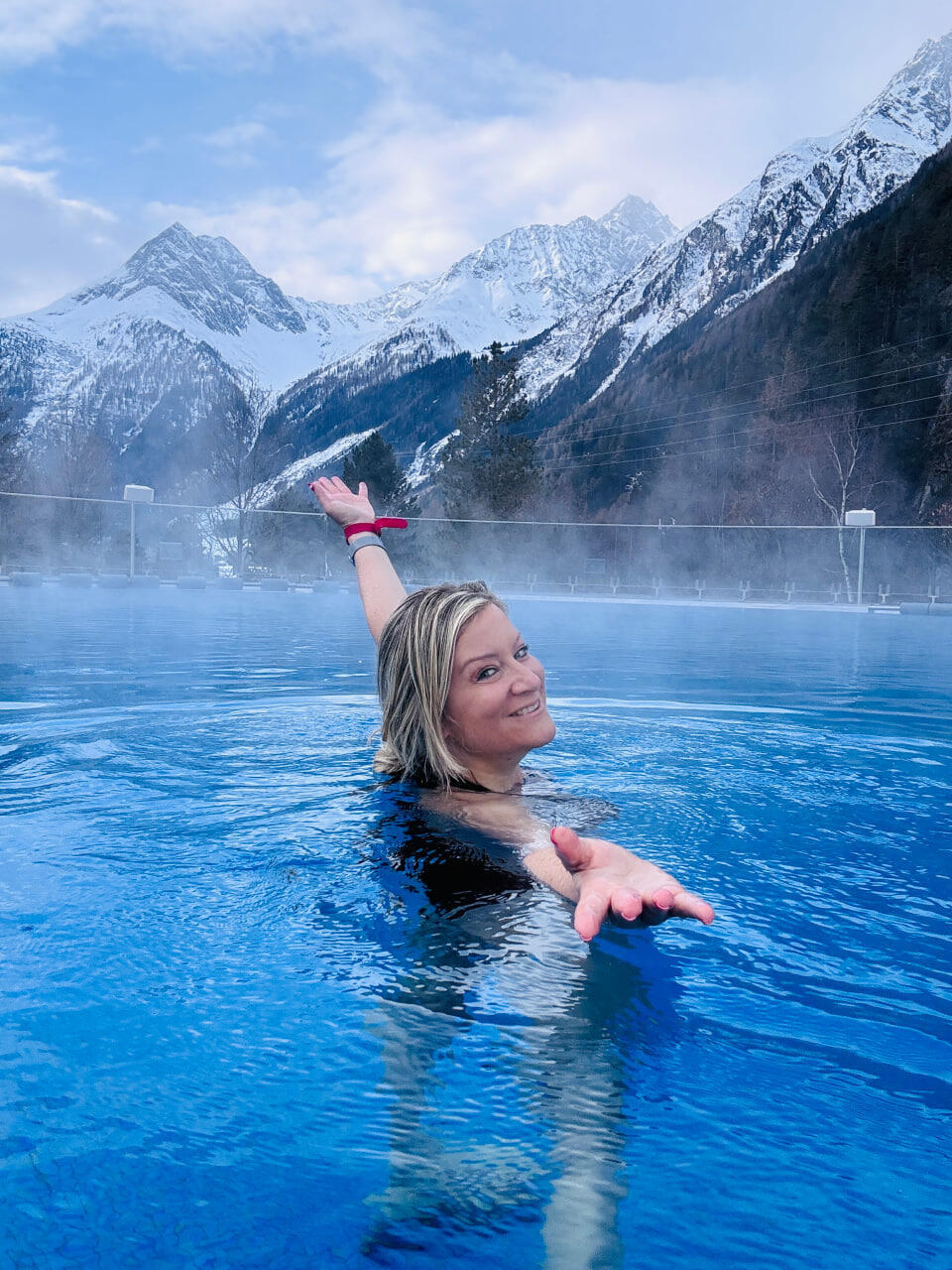
Day visitors will find a family area with two exciting water slides, an indoor play area and children’s pools. The highlight is a series of three elevated outdoor thermal pools overlooking the snow-covered Alpine peaks. The mineral-rich water is maintained at a temperature of 34 to 36 degrees Celsius (93.2 to 96.8 F). You may find it hard to leave. It is the perfect place to unwind and recharge, and the complex is fully accessible.
Ötztal Summer Card holders receive a 15% discount on entry during July and August. In June, September and October, entry is free. Without the summer card, a three-hour ticket costs between 26.50 euros for children and 44 euros for adults. Full-day tickets are also available, and a 15% discount applies after 6 p.m.
Extreme sports park
Area 47 offers nearly everything an extreme-sports enthusiast could ask for. Summer-card holders receive free entry to the park, swimming lake and water slides. Check the park’s website in advance to find the activities best suited to your family.
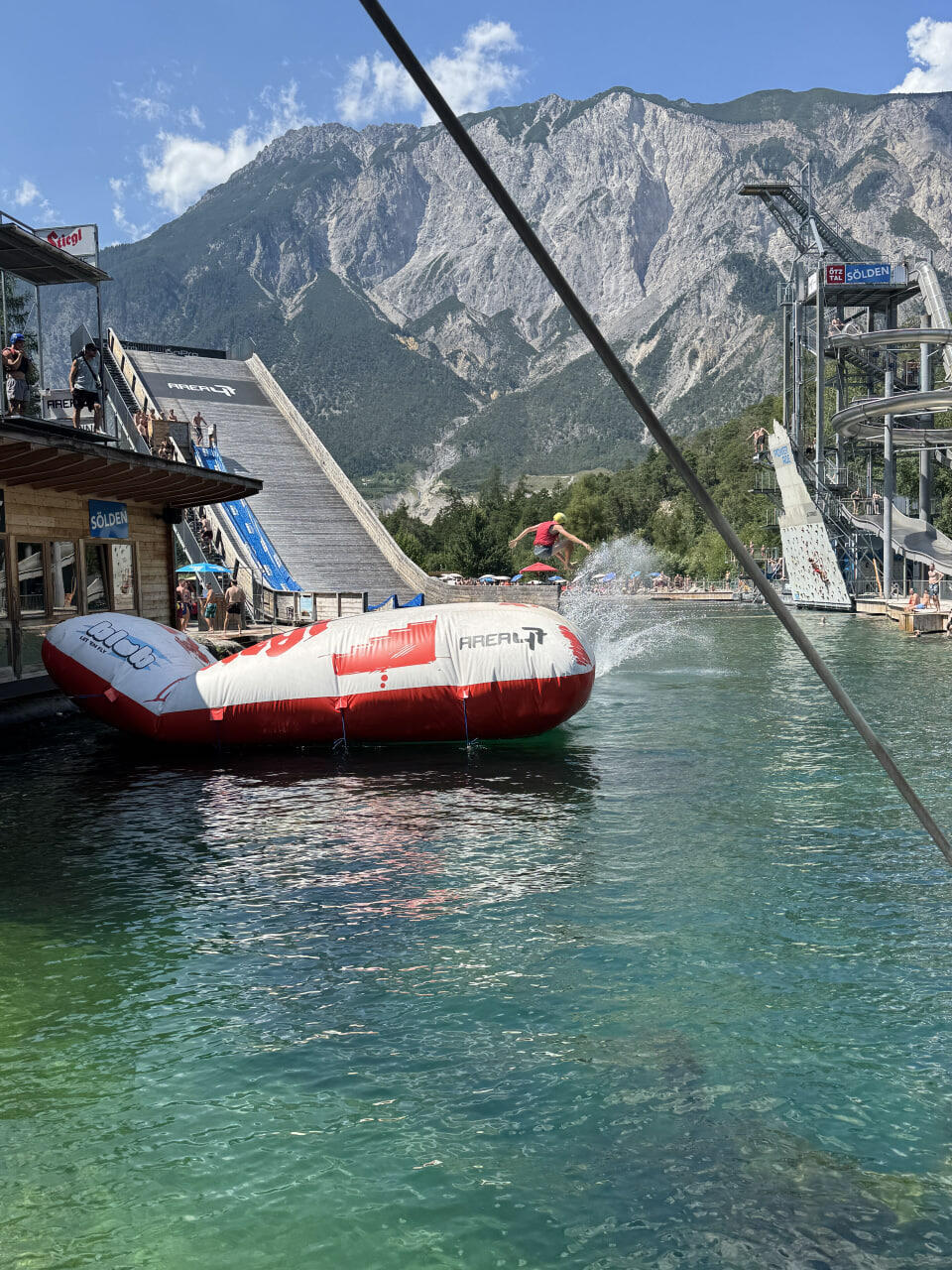
Area 47
(Photo: Hila Mor Alon)
The family rafting experience and the high-speed zip line soaring above the park are particularly recommended.
We also tried the Giant Swing, which sounds harmless enough until you reach the platform and realize it feels more like a bungee jump. My son leapt without hesitation; I was terrified. With a line forming behind us, however, I finally jumped rather than hold everyone up, and ended up loving every second. It was an unforgettable experience, though certainly not for anyone afraid of heights.
One of the coolest features of the park is its wooden accommodation cabins. We stayed there for one night, and hotel guests receive access to the park as part of the price. The stay includes breakfast, with a half-board option also available.
The cabins are simply furnished but spotless, in keeping with Austria’s famously exacting standards. There are no televisions, and the rooms have the rustic feel of a school-trip lodge, but our family loved the experience. The simplicity was part of the charm. Prices are reasonable as well: In summer 2025, a cabin for two cost about 600 shekels, or roughly $200, including breakfast.
The James Bond cable car
The Gaislachkoglbahn cable car climbs to a summit at an altitude of 3,048 meters (10,000 ft). At the top is 007 Elements, an interactive attraction devoted to the world of James Bond and the movie “Spectre,” alongside spectacular panoramic views of the Alps.
The cable-car journey is free for cardholders, although entry to the museum requires a separate ticket. The summit is also home to the Ice Q gourmet restaurant, which overlooks the glacier.
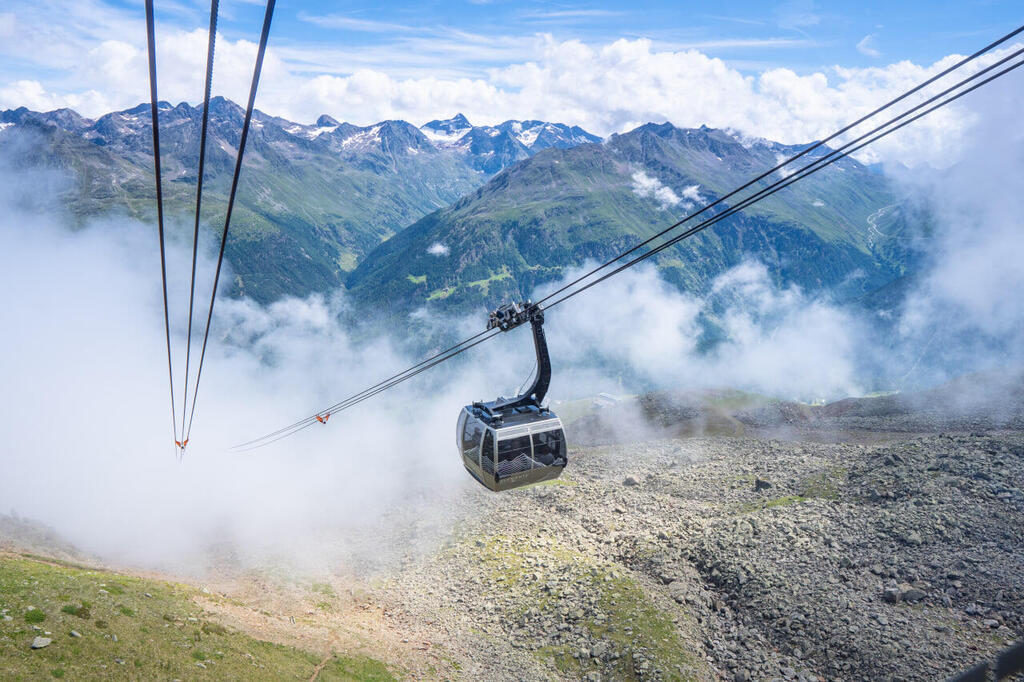
The cable car and dramatic scenery
(Photo: Hila Mor Alon)
Beyond the glacier, hiking routes and an extensive mountain-bike park, visitors can pay extra to descend the mountain by mountain cart along 7 kilometers (4.3 miles) of pure adrenaline. Keep both hands on the brakes at all times to avoid losing control. Children aged 10 and older who are at least 140 centimeters (4 ft. 7 in.) tall may ride alone. Younger or shorter children must ride with an adult.
Piburger See
Piburger See is one of the most beautiful lakes in the region. During the summer, visitors can swim in water at a temperature of around 24 degrees Celsius (75.2 F), rent a boat, stop at the lakeside café for apple strudel or an ice cream dessert and walk around the lake on an easy trail that takes about 40 minutes. Half the trail is suitable for strollers, while the other half is not.
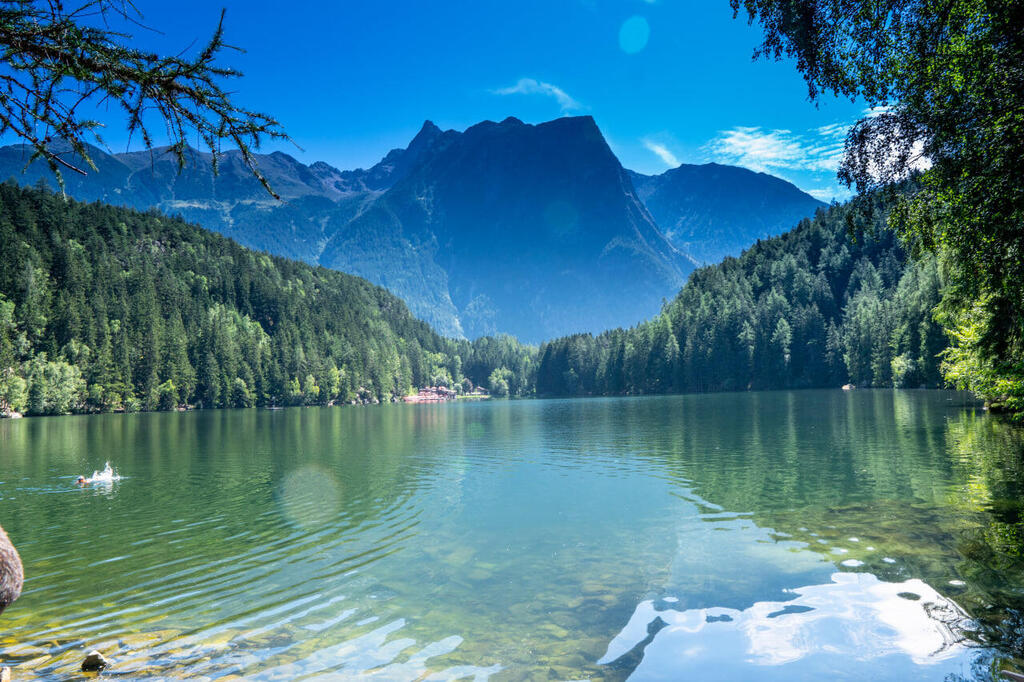
Piburger See
(Photo: Hila Mor Alon)
Stuiben Falls
Stuibenfall is the highest waterfall in Tyrol, dropping about 159 meters (about 522 ft). A comfortable walking route with bridges, stairs and viewing platforms leads to spectacular observation points and allows visitors to experience the power of the water at close range. The route is not circular, so hikers return along the same path. It can be started from either the top or the bottom. The trail is not accessible.
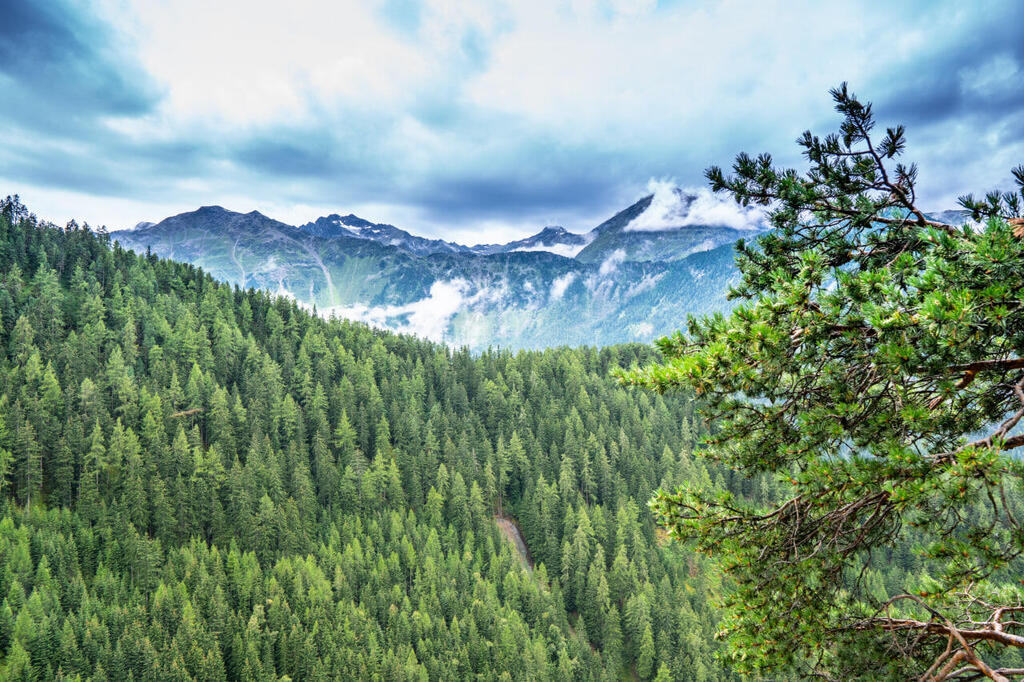
The spectacular view from Stuiben Falls
(Photo: Hila Mor Alon)
Accommodation in Ötztal
In addition to iconic properties such as the Aqua Dome and Area 47, the valley offers a wide variety of authentic accommodation, from traditional hotels to luxury spa resorts. One of the strongest trends is apartment hotels that provide meals and cleaning services. Some also include spa facilities and heated pools.
Pitztal Valley
Pitztal, Tyrol’s almost-secret valley, is a genuine hidden gem. The best part is that anyone staying in one of the valley’s towns receives the summer card free of charge. The card must be used on consecutive days, though guests can choose whether it begins on the day of arrival or the day of departure.
It includes access to cable cars, lakes, a ropes park, scenic roads and other attractions, as well as a range of discounts. The card can be used for one attraction per day, but most of the included attractions can occupy visitors for several hours.
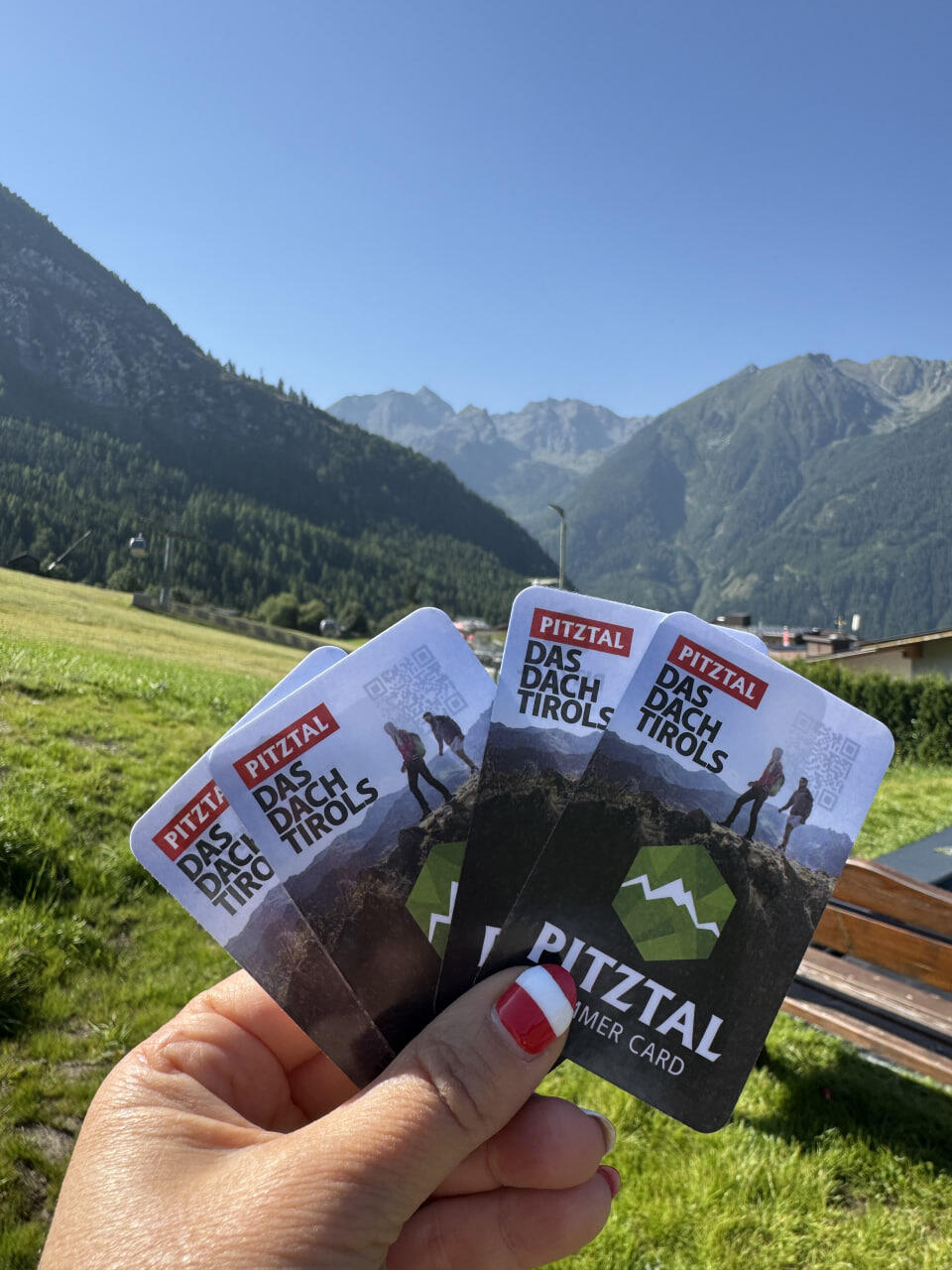
The benefit cards
(Photo: Hila Mor Alon)
What are the must-see attractions?
Hochzeiger: The most enjoyable family cable car
Hochzeiger is effectively an adventure mountain, with activity stations, games, climbing facilities, natural water pools, a wooden-ball course, mountain carts, paragliding and other attractions. Bring swimsuits for the water pools. We spent an entire day there.
Travel tip: After reaching the final cable-car station, take the chairlift toward the hiking routes. The scenery includes an alpine lake, extraordinary mountain views and horses grazing across green meadows. It is paradise for hikers.
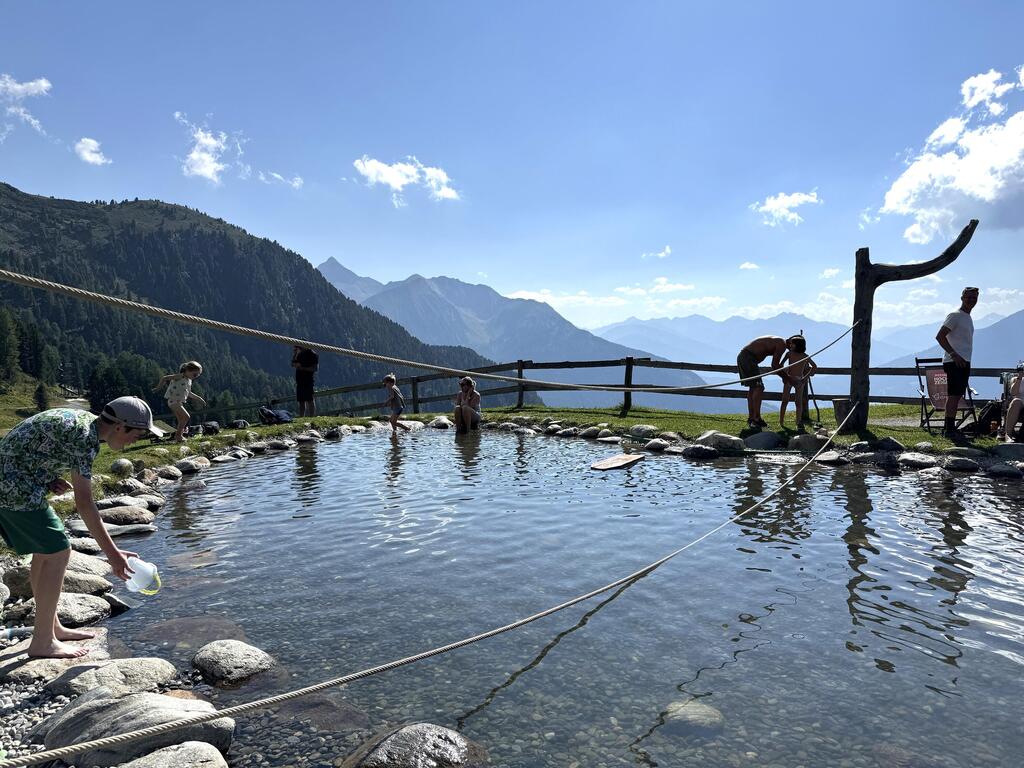
Charming little lakes await at the top of the cable car
(Photo: Hila Mor Alon)
XP Adventure Park
Not far from the cable car is XP Adventure Park, a family-friendly ropes park with eight routes of varying difficulty. The park is set in a forest among the treetops and includes suspension bridges, climbing walls, zip lines and other challenges.
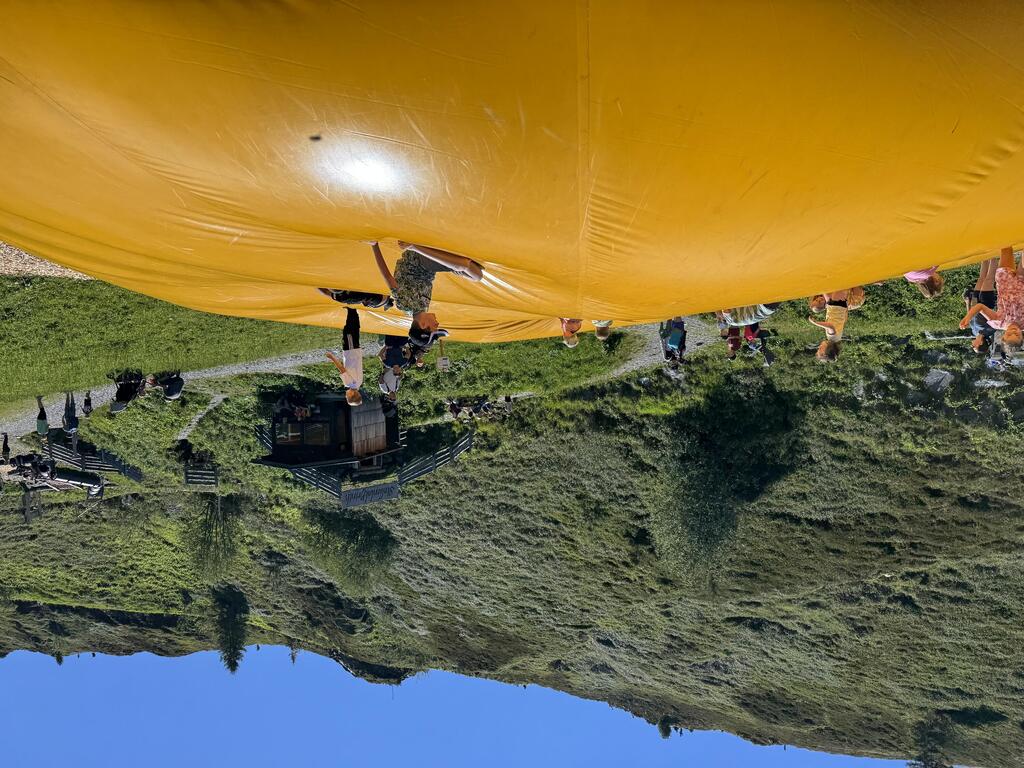
A paradise for children
(Photo: Hila Mor Alon)
Rifflsee
Rifflsee is one of the most beautiful lakes I have seen in Tyrol. It is surrounded by glaciers, well-groomed cows and horses. Visitors reach the lake by cable car, which is free for cardholders, and can follow a stroller-friendly circular trail that takes around 45 minutes.
The walk took us two hours because I stopped constantly to take photos, unable to believe the scenery was real. Bring a picnic or take the 45-minute raft ride across the lake, which requires a separate ticket.
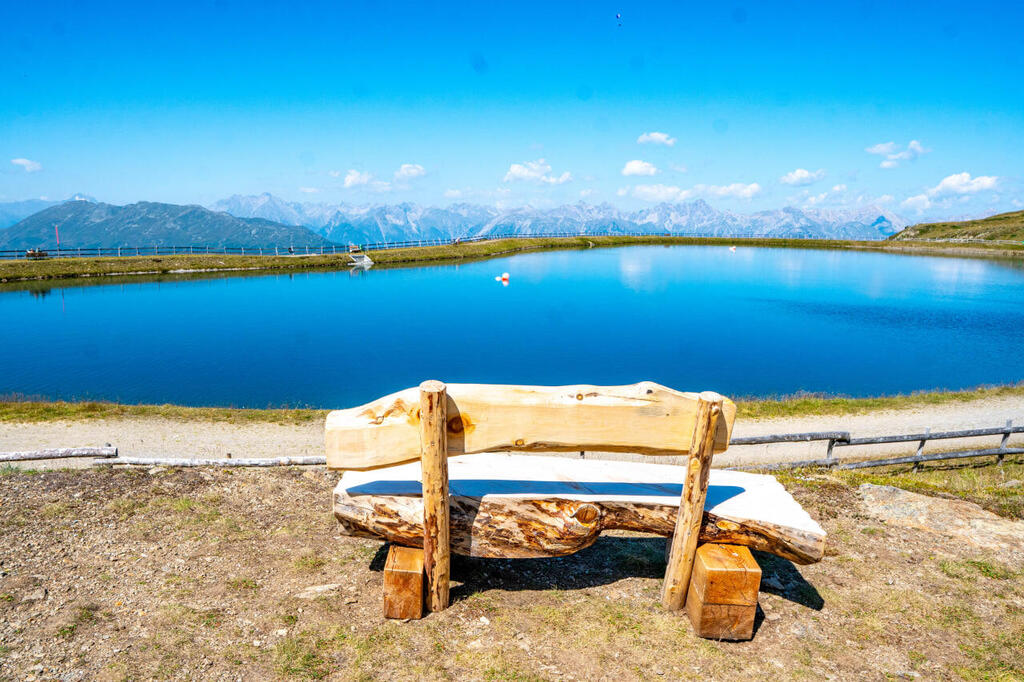
Rifflsee
(Photo: Hila Mor Alon)
Pitztal Glacier
The cable car to the Pitztal Glacier leads to Austria’s highest café, perched at 3,440 meters (11,286 ft.) and overlooking the glacier. Order a mélange coffee and a slice of cake, then take in the sensation of sitting on top of the world. Hiking trails are available nearby, though the glacier routes are less suitable for families with children.
The valley also offers several distinctive activities, including cycling routes for all levels, a mountain bike park, alpaca farms, an ibex visitor center, skydiving and free entry to the impressive Kaunertal Glacier Road, including a cable-car journey.
Accommodation in Pitztal
We stayed at an authentic Austrian hotel called Alpen Royal in the town of Jerzens. The hotel operates on a half-board basis, and we received the summer card free of charge. In addition to spacious rooms, it has a playground with a large trampoline.
Dinner was an especially pleasant surprise, resembling a five-course gourmet meal. Drinks cost extra. This is a traditional Austrian hotel that suits travelers who want to immerse themselves in the local atmosphere. The price is fair: 230 euros per couple on a half-board basis, including the summer card.
The valley is also home to Pitzis Kinderhotel, an all-inclusive family resort, though I cannot personally recommend it because we did not stay there. The hotel offers meals, complimentary drinks and activities throughout the day, along with a swimming pool, playgrounds, an alpaca farm, pony rides and other family attractions.
Anyone looking for a distinctive, less crowded valley during the summer is likely to fall in love with Pitztal and want to return.
Zillertal Valley
Welcome to Zillertal, one of Austria’s most beautiful valleys. Each time I return, I discover new attractions and secluded swimming lakes. Simply sitting on a hotel balcony early in the morning, surrounded by endless green slopes, snow-covered peaks and the gentle clatter of cowbells, feels like an attraction in itself, and a remarkably effective form of therapy.
At the end of the valley is one of Europe’s most distinctive sites, the Hintertux Glacier, where visitors can touch snow even in the middle of August.
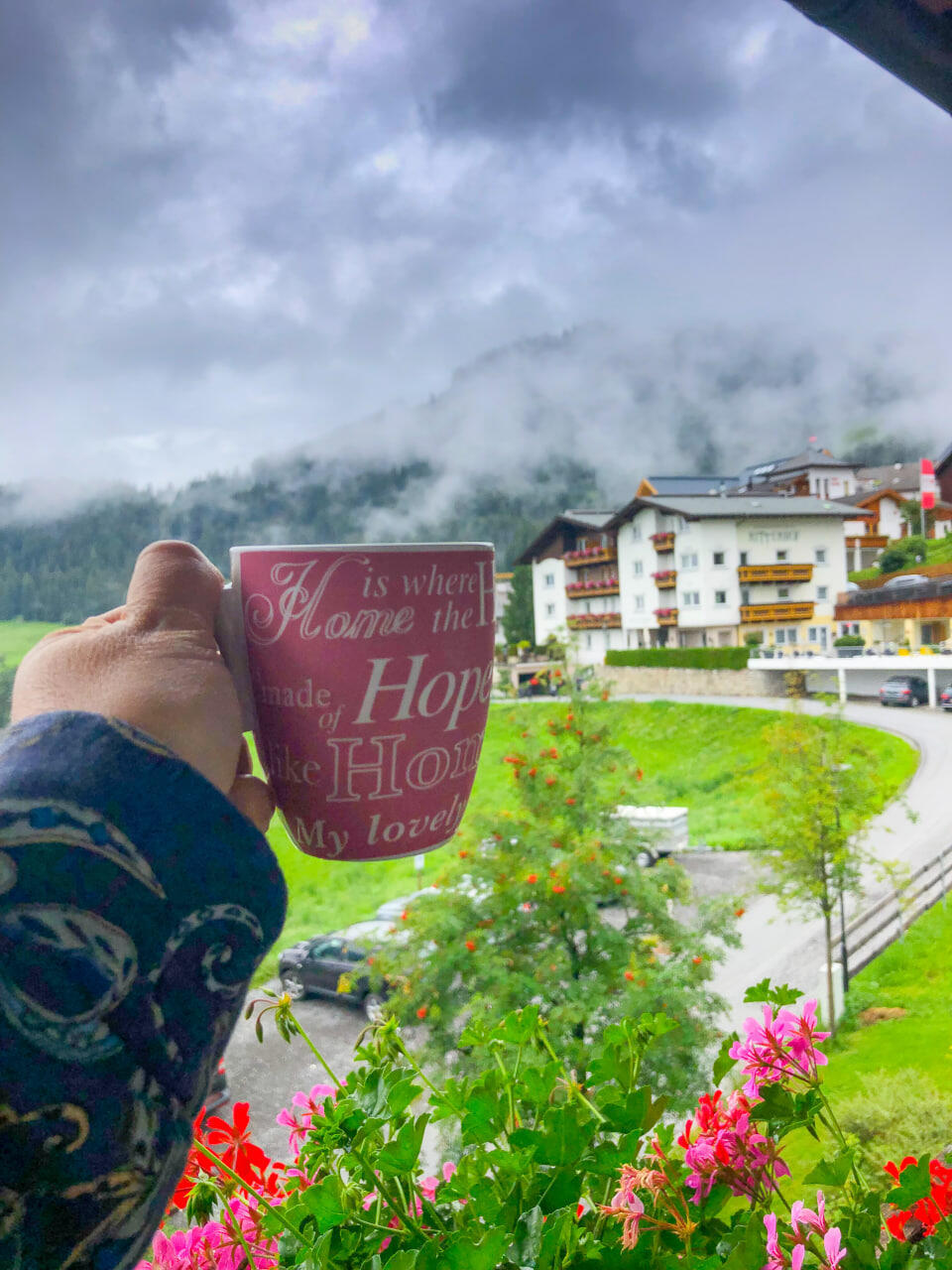
Misty morning coffee in the enchanting valley
(Photo: Hila Mor Alon)
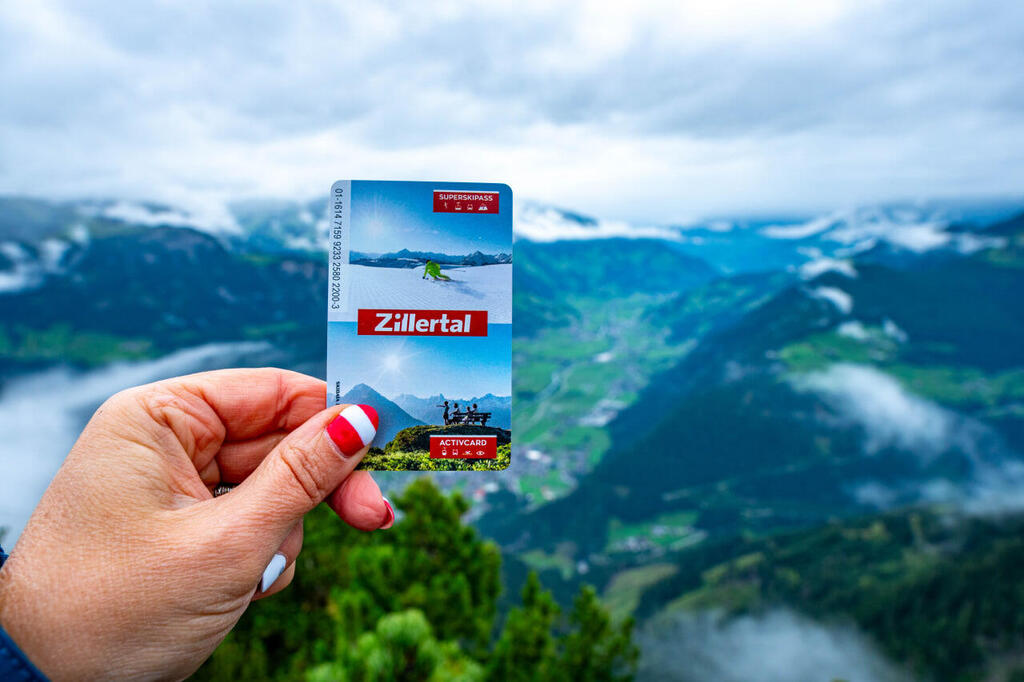
Zillertal Activcard
(Photo: Hila Mor Alon)
Zillertal offers a benefit card that can be purchased for several days, known as the Zillertal Activcard. Children born in 2011 or later receive the card free of charge when accompanied by one or two parents. Each family can decide how many days to purchase according to the attractions it plans to visit.
The card includes use of cable cars across the valley, entry to local swimming pools and lakes, free transportation and discounts from dozens of participating businesses.
What are the must-see attractions in Zillertal?
There are so many that it is difficult to narrow the list down.
Spieljochbahn
Spieljochbahn is suitable for visitors of all ages and is accessible to strollers. Families can spend an entire day at the summit, where free attractions include playground equipment, hand-operated pedal boats on a small lake, a giant inflatable trampoline, climbing installations, a farm-animal petting area and an Alpine restaurant for lunch.
Extreme-sports activities available for an additional fee include a ropes park, mountain carts, a 300-meter (984 ft) Flying Fox zip line and tubing tracks.
The area also offers enchanting hiking routes for all ability levels. I recommend asking at the ticket office which trails are best suited to your group.
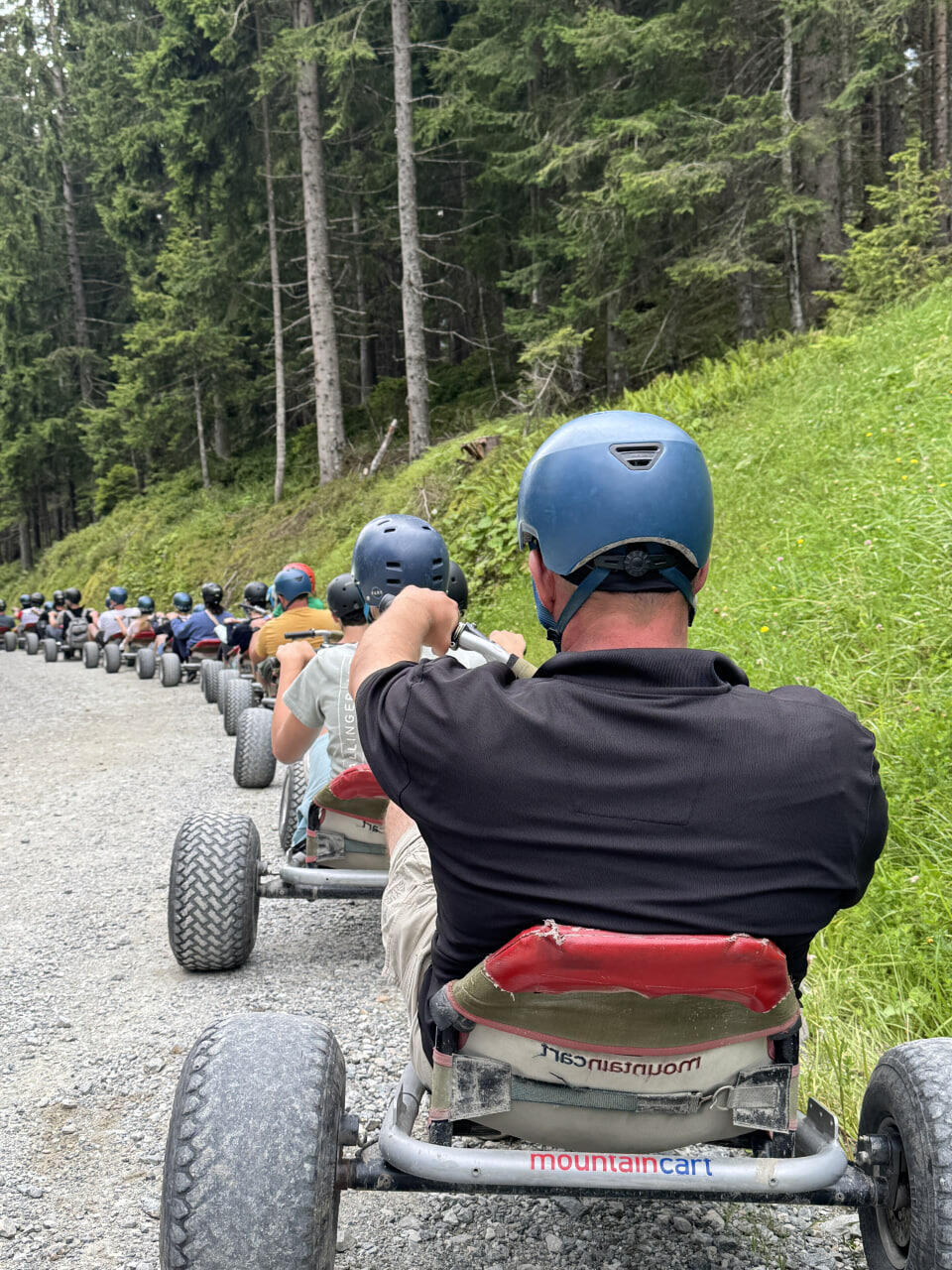
Mountain carts are found in every valley
(Photo: Hila Mor Alon)
Arena Coaster
The Arena Coaster alpine mountain ride is located at the foot of the Rosenalmbahn cable-car station, which is itself a recommended family attraction. Visitors do not need to take the cable car to use the coaster. The route is around 1,450 meters (0.9 miles) long. Tickets cost 8 euros for adults and 5.30 euros for children.
If you visit Austria without trying an alpine coaster, it is almost as though you were never there.
Hintertux Glacier
At the far end of Zillertal, beyond picturesque villages and the ski town of Mayrhofen, lies one of the Alps’ most remarkable attractions: the Hintertux Glacier, where snow remains even in summer.
As the cable cars climb above 3,000 meters (about 9,843 ft), the lush green landscape gradually gives way to a world of snow and ice. At the summit, visitors will find a spectacular observation point at 3,250 meters (about 10,663 ft), along with snow activities, inflatable tubes and crisp mountain air.
Travel tip: Even when the valley is warm, summit temperatures can range from zero to 10 degrees Celsius (32 to 50 F). Bring warm clothing, closed shoes, sunglasses and sunscreen.
The main attraction is the Ice Palace, a natural ice cave within the glacier featuring icicles, ice sculptures and a frozen lake. The guided tour, which is available to visitors aged 6 and older, lasts around an hour, is conducted in English and requires an additional payment.
Another important tip: There are no toilets or restaurants at the summit, so stop at the middle station before continuing upward.
The Zillertal benefit card covers the cable-car journey only as far as the middle station. Continuing to the glacier requires an additional payment.
The trail to Olpererhütte
One of Zillertal’s essential hikes leads to the Olpererhütte mountain hut, situated around 2,389 meters (about 7,838 ft) above sea level and overlooking the turquoise Schlegeis reservoir. The dramatic Alpine scenery, sharp mountain peaks and lake below create one of the most photographed viewpoints in Tyrol.
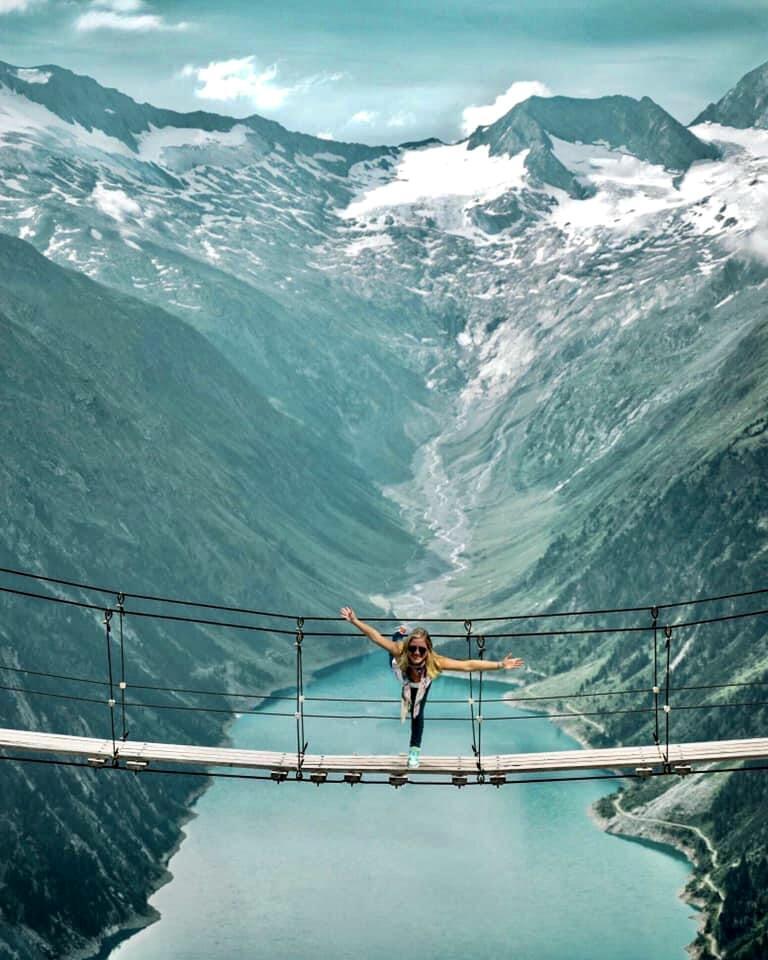
The trail to the mountain hut
(Photo: Hila Mor Alon)
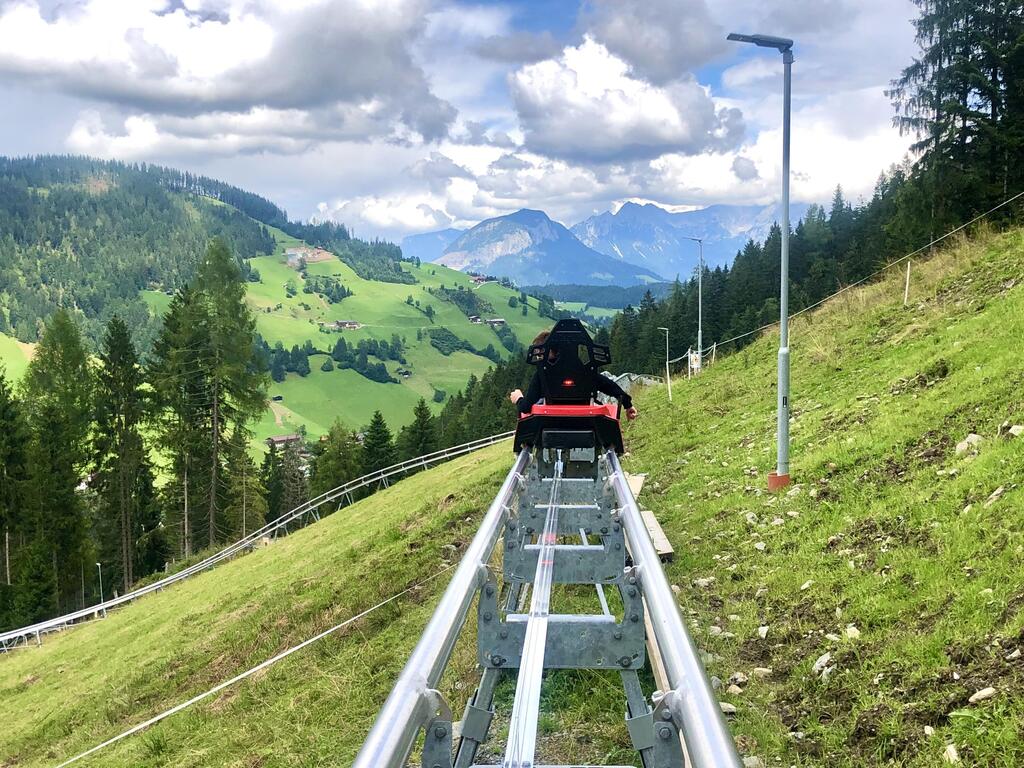
Alpine coaster
(Photo: Hila Mor Alon)
Reaching the trailhead requires driving along a toll road that costs 19 euros. Arrive early to secure nearby parking and avoid the crowds.
Near the top, the main attraction is the suspended bridge, a popular photo spot that creates the illusion of hanging over a sheer drop. In reality, there is solid ground beneath it, allowing visitors to capture dramatic images without standing above an open abyss. The hike requires a moderate level of fitness. The ascent takes about two hours, and hikers return along the same route.
Therme Zillertal
Therme Zillertal is an ideal place to relax after a day of hiking in the mountains, particularly for families with children. The complex includes warm-water pools, a wave pool, long water slides, an adults-only sauna area and large windows overlooking the surrounding green landscape.
Accommodation in Zillertal
We personally prefer to stay near the entrance to the valley because it allows us to travel easily outside the region and make day trips to Innsbruck.
Last summer, we stayed at a family-owned apartment hotel called Pachmair 1453 in Uderns. It offers double rooms and apartments in various sizes, and the entire property is newly renovated. Guests can cook in their apartments and buy groceries at a local supermarket. A buffet breakfast is also available.
In the evening, the property operates Anna’s Stubn restaurant, which is highly recommended even for visitors who are not hotel guests.
The complex includes a luxurious spa with a heated infinity pool overlooking the valley, adults-only saunas on the hotel’s top floor, a fitness center and an indoor playroom for young children.
The property is peaceful and relaxing, largely because of the warm family that has managed it for several generations. Prices begin at 1,200 shekels (about $400) per night for two people, including breakfast, during August.
Another property we stayed at several years ago is Coolnest, a spa hotel with an excellent restaurant, spacious rooms and sweeping views. The first minibar refill is complimentary. One drawback is the lack of dedicated family rooms, though a couple with two children can share a single room. In August, rates are around 400 euros per couple per night, including breakfast.
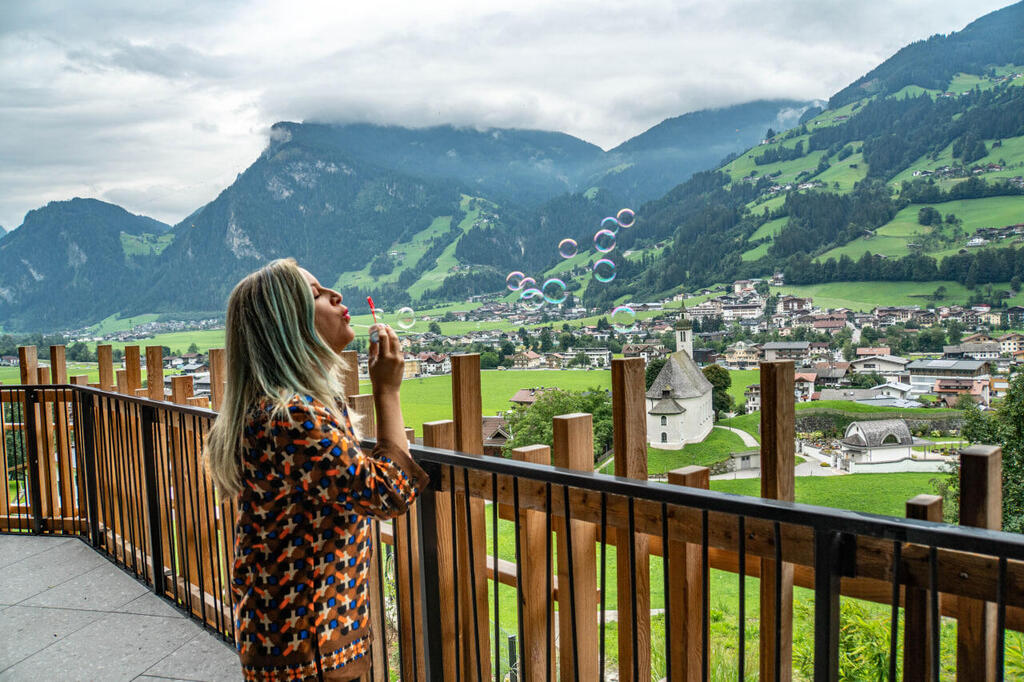
On the balcony at the Coolnest Hotel
(Photo: Hila Mor Alon)
Zillertal also offers a wide range of family apartments, guesthouses and all-inclusive hotels, allowing most travelers to find accommodation within their budget.
Ready to go?
Each valley offers more attractions and hiking trails than any single guide could cover. The best approach is simple: Book your flight and rental car, choose one or two valleys and make the most of everything Tyrol has to offer.
Hila Mor Alon is an Austria travel specialist who researches and plans trips throughout the country.