

Jerusalem has significantly outperformed Tel Aviv in a new global tourism index that examined how 200 cities are perceived in international travel conversations. The ranking named New York the world’s most attractive city for tourists in 2026, followed by Paris and Osaka.
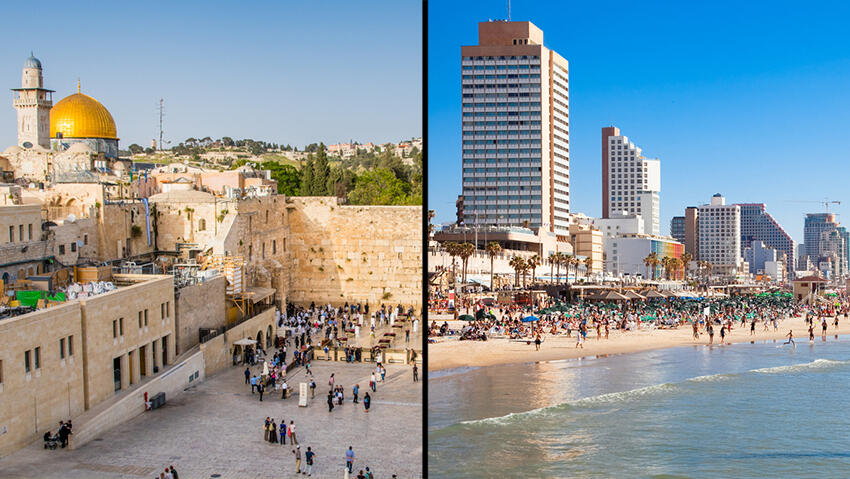
Jerusalem placed 48th overall, entered the index’s top ranking tier and reached 10th place worldwide in the culture and history category. Tel Aviv, by contrast, ranked 120th overall and was assigned to the third tier.
The index was published by Yanolja Research in collaboration with Purdue University and Kyung Hee University. It was based on tourism-related social media discussions in 14 languages, analyzed using data from Brandwatch.
Unlike conventional tourism rankings that focus on visitor numbers, hotel capacity, accessibility or infrastructure, the study sought to measure how cities are perceived by travelers, how visible they are in global tourism conversations and whether they leave a positive and memorable impression.
The researchers evaluated 200 cities using two main measures. The first examined awareness and prominence, including how widely recognized each city is and how strongly it features in travelers’ minds. The second assessed the perceived visitor experience, including whether a trip to the city is described as positive, satisfying, memorable and worth recommending.
Researchers analyzed 419 tourism-related words and expressions across four categories: urban aesthetics and natural scenery, culture and history, tourism content and experiences, and hospitality.
New York ranked first overall and first for awareness, while placing third in perceived visitor experience. Paris ranked second overall, followed by Osaka, Kyoto and Seoul. London, Rome, Bangkok, Okinawa and Chicago completed the top 10.
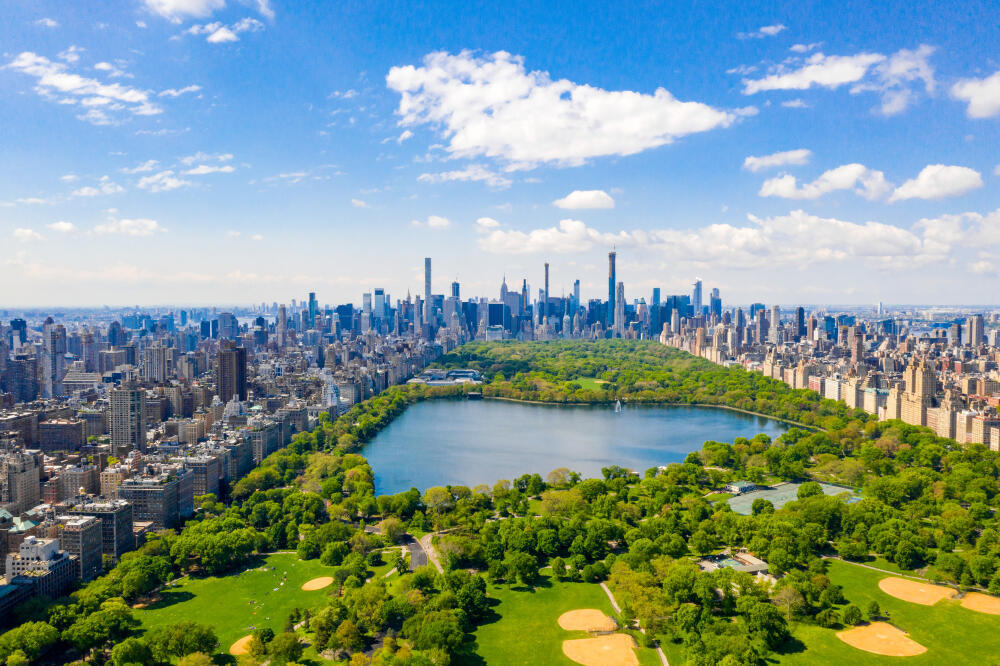
New York tops the ranking
(Photo: Pandora Pictures / Shutterstock)
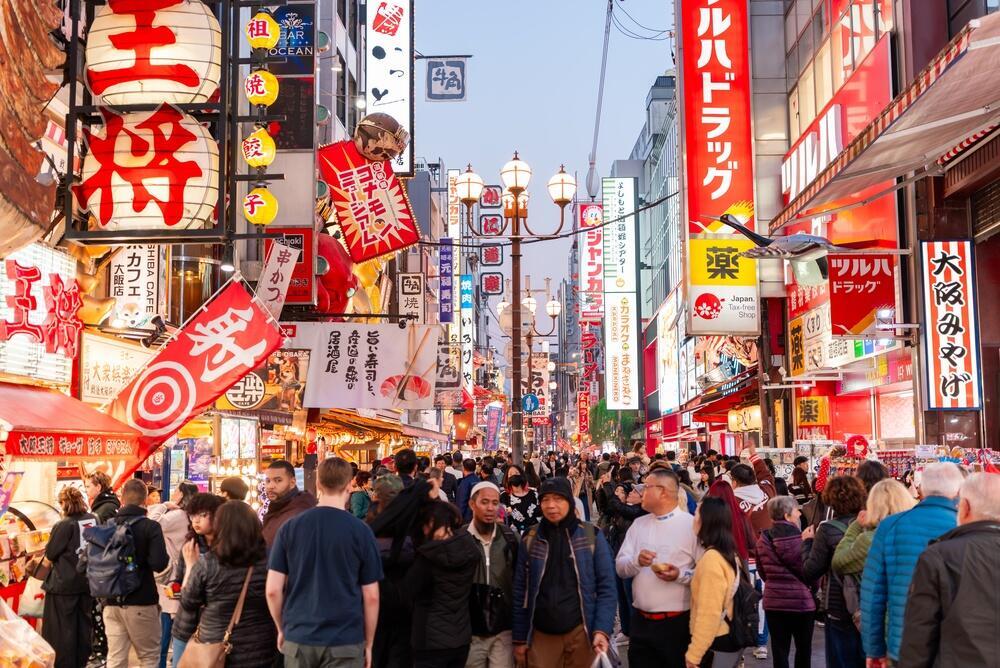
Osaka overtakes Tokyo to claim third place
(Photo: Kitzcorner / Shutterstock)
Jerusalem ranked 39th for awareness and 63rd for visitor experience, in addition to its overall ranking of 48th. Its strongest showing came in culture and history, where it placed 10th in the world.
Jerusalem also ranked 52nd in urban aesthetics and natural scenery, 65th in hospitality and 93rd in tourism content and experiences.
The result follows another favorable international ranking published in July, where Jerusalem placed seventh worldwide in Travel + Leisure magazine’s World’s Best Awards 2026 and was named the top city in Africa and the Middle East.
That July ranking was based on more than 661,000 votes from about 207,000 readers, who assessed cities according to attractions, culture, food, friendliness, shopping and value for money. Jerusalem finished ahead of destinations including Tokyo, Florence, Prague, Seoul and Cape Town.
In the new Yanolja index, Tel Aviv performed considerably worse. It ranked 96th in awareness but only 195th out of 200 cities in perceived visitor experience, the measure examining whether the city is viewed as positive, memorable and worth recommending.
Tel Aviv ranked 93rd in hospitality, 118th in culture and history, 124th in tourism content and experiences, and 136th in urban aesthetics and natural scenery.
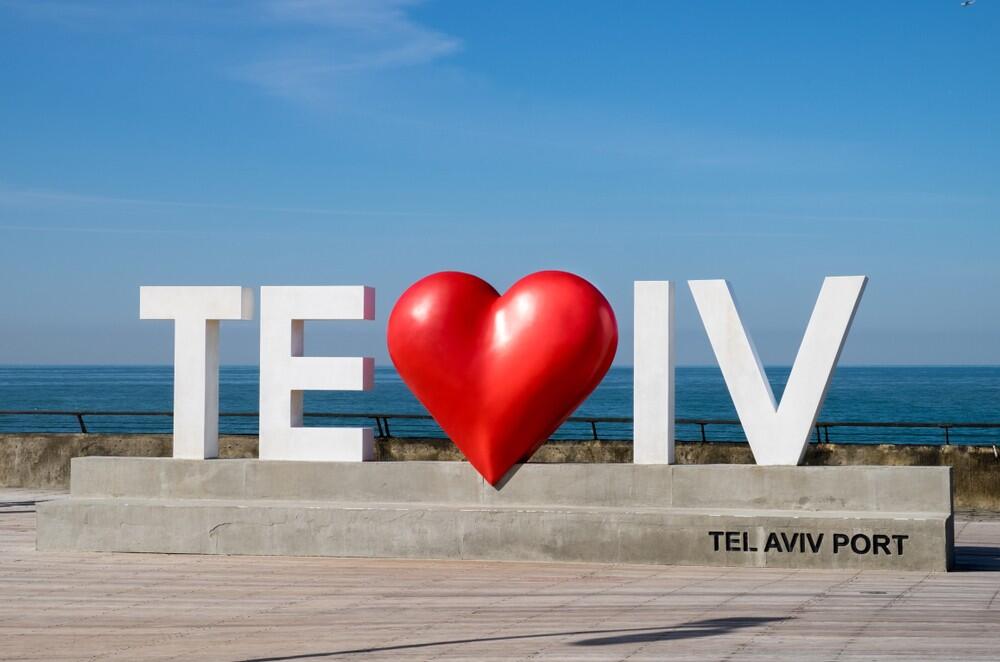
Tel Aviv, disappointing ranking
(Photo: Shutterstock)
The gap between overall visibility and visitor experience produced some of the study’s most notable findings. Although New York ranked first overall and first in awareness, Osaka and Kyoto overtook it in the experience category, placing first and second respectively. By contrast, Osaka ranked eighth in awareness, while Kyoto placed 10th.
Asian cities were particularly prominent in the experience rankings. Six of the top 10 were in Asia: Osaka, Kyoto, Seoul, Okinawa, Bangkok and Dubai. The researchers said the results indicate that worldwide recognition and iconic landmarks are no longer sufficient on their own. Successful tourism cities must also offer distinctive and memorable experiences that generate positive reactions.
The United States also had a strong presence, with 16 cities in the top 50 and 19 in the top 100. Beyond New York and Chicago, which both reached the top 10, Los Angeles ranked 13th, Miami 15th, Washington 18th, Boston 22nd and Dallas 23rd.

Chicago, the second US city in the top 10
(Photo: Shutterstock)
Prof. SooCheong Jang of Purdue University, director of Yanolja Research, said the most competitive tourism cities are no longer necessarily those that attract the most visitors or receive the greatest promotional exposure. The leading cities, he said, are those capable of transforming global recognition into meaningful visitor experiences.
Jerusalem’s performance is particularly notable at a time when inbound tourism to Israel remains far below prewar levels. According to Tourism Ministry data, about 1.3 million tourists visited Israel in 2025, compared with roughly 3 million in 2023 and a record 4.5 million in 2019.
A ministry survey nevertheless found that 88% of visitors reported high satisfaction with their trip to Israel, while 83% said they would recommend it as a destination.
The new index does not claim to identify the objectively best city in the world to visit. It does not directly factor in tourist numbers, prices, transportation access, hotel capacity or infrastructure quality. Instead, it measures how cities appear in global tourism discussions and how travelers describe the experiences they associate with them.