

2026 is expected to mark a turning point for Israeli travelers. A comprehensive report by Eshet Tours Group Marketing VP Shirley Cohen Orkaby points to a notable drop in airfares for the first time in years, driven by a combination of increased airline supply, lower fuel costs and a favorable exchange rate against the dollar.
The drop won’t be uniform, she noted, it will depend on factors like the number of weekly flights to each destination. At the same time, global hotel prices are trending upward.

Destinations expected to gain traction include Greece, the Balkans, Central Asia, Morocco and the Far East, with Japan standing out as a favorite.
These are the 10 key findings from the report:
Airfare prices on the way down:
After two years of high airfare driven by both global (aircraft shortages) and local (war) crises, 2026 is expected to bring long-awaited relief. Dozens of foreign airlines have resumed operations at Ben-Gurion Airport in recent months, with nearly 60 now flying in and out of Tel Aviv, a number set to rise further. If low-cost carrier Wizz Air opens a base in Israel as planned, competition in the aviation sector will intensify.
Hotel prices abroad, however, are likely to continue climbing as properties invest more in the guest experience.
Israeli airlines flood the market:
During the war, most foreign carriers suspended service to Israel, creating a gap filled by Israeli airlines. Prior to the conflict, every Israeli airline (except El Al) operated 5 to 6 aircraft each; now Israir and Arkia are planning to fly with 18 planes each, while Sun d’Or (a subsidiary of El Al) will operate about 7, including leased aircraft.
Adding El Al, Air Haifa and Israeli-owned European carriers such as TUS and Blue Bird, Israel now commands a formidable fleet dominating the European routes once led by low-cost foreign carriers.
The combined increase in Israeli and foreign airline capacity is putting downward pressure on prices. With jet fuel at its lowest levels in years and a strong shekel relative to the dollar, supply is finally overtaking demand, thus sending prices down. For example, Israel-Italy flights will increase to 40–50 per week in 2026, compared to just 10 at the height of the war.
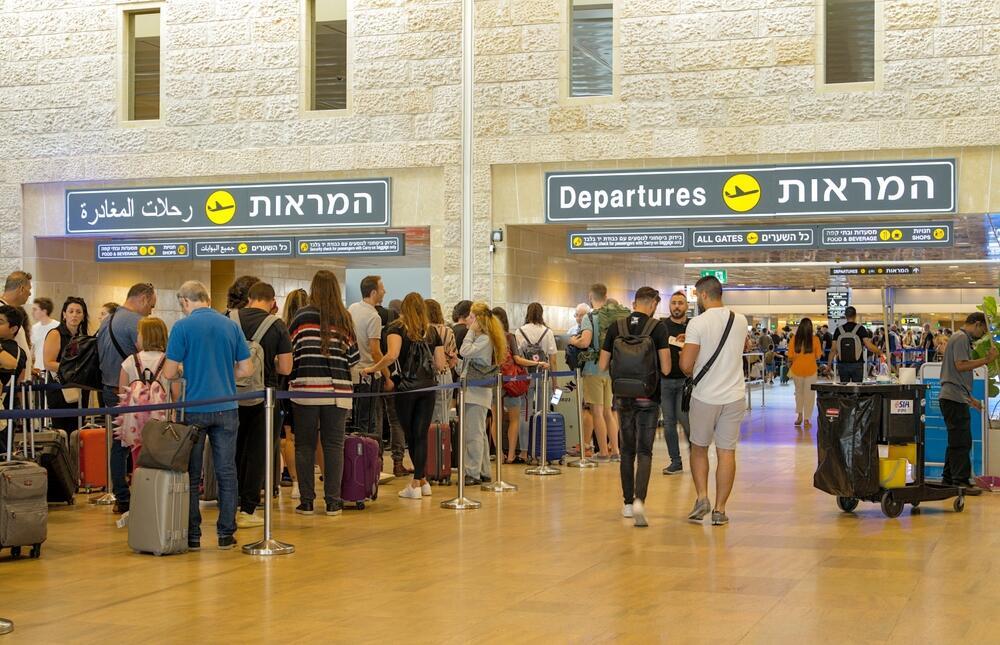
foreign airlines have resumed operations at Ben-Gurion Airport
(Photo: Teo K / Shutterstock)
Balkans, central Asia and Morocco on the rise:
Israeli travel to Balkan countries such as Montenegro, Albania and Bulgaria and Eastern Europe continues to grow, thanks to their proximity, affordability and friendliness to Israeli tourists.
Central Asia and the Caucasus, which include destinations like Azerbaijan, Kyrgyzstan, Uzbekistan, Armenia and Georgia, are also gaining popularity among independent travelers and organized tours. Morocco has seen renewed interest with the resumption of direct flights post-war.
Far East makes a comeback:
The Far East, particularly Japan, Vietnam and South Korea, in addition to perennial favorite Thailand, is expected to see surging demand despite a continued shortage of direct flights and high-ticket prices.
Israeli carriers Arkia and Israir have stepped in with wide-body aircraft and new routes to meet the gap left by foreign airlines. Lower ground costs in Asia, partly due to a weakened dollar and declining Japanese yen, are also helping to make vacations in the region more affordable.

Tokyo, Japan - expected to see surging demand
(Photo: Shutterstock)
New tourism map emerges:
Geopolitical shifts stemming from the war have redrawn Israelis’ travel map. Western European destinations have seen a decline due to security concerns and rising antisemitism, while Balkan countries have surged in popularity.
One major variable is the possible expansion of the Abraham Accords, which could again reshape the map. Direct flights to countries like Indonesia or Saudi Arabia may still seem far off, but so did the UAE just a few years ago.
Changing travel habits:
After two years of war, Israelis had become accustomed to last-minute bookings. That trend is already reversing, with more travelers now securing trips months in advance to lock in better rates and preferred hotels. There is also growing interest in traveling during shoulder seasons, such as winter or the period between Passover and summer, rather than sticking solely to peak times like summer and holidays.
Widespread adoption of AI:
Artificial intelligence is becoming a central tool for Israeli travelers, used for trip planning, price comparisons, translations and navigation in real time. At the same time, Israeli travel agencies are racing to adopt AI technologies to offer personalized services, respond faster to customer needs and analyze trends more efficiently.
Domestic hotel prices falling:
As outbound tourism becomes more competitive, domestic prices are also expected to drop. Hotels in cities with limited incoming tourism, such as Tel Aviv, Haifa and Jerusalem, have already adjusted rates, and properties in Eilat and the Dead Sea may follow, as Israelis increasingly choose affordable vacations abroad.
Seeking meaning in travel:
For a growing number of travelers, in Israel and globally, vacations are no longer just about escape or freedom, they’re about purpose and a way to achieve personal goals, such as, connection, vitality, relaxation and rest.
The trend has already given rise to a term that is gaining popularity, Whycation, describing a vacation that offers meaning beyond just the scenery. This is reflected in the rising demand for spa, wellness and longevity-focused travel, which is becoming increasingly popular among Israelis.
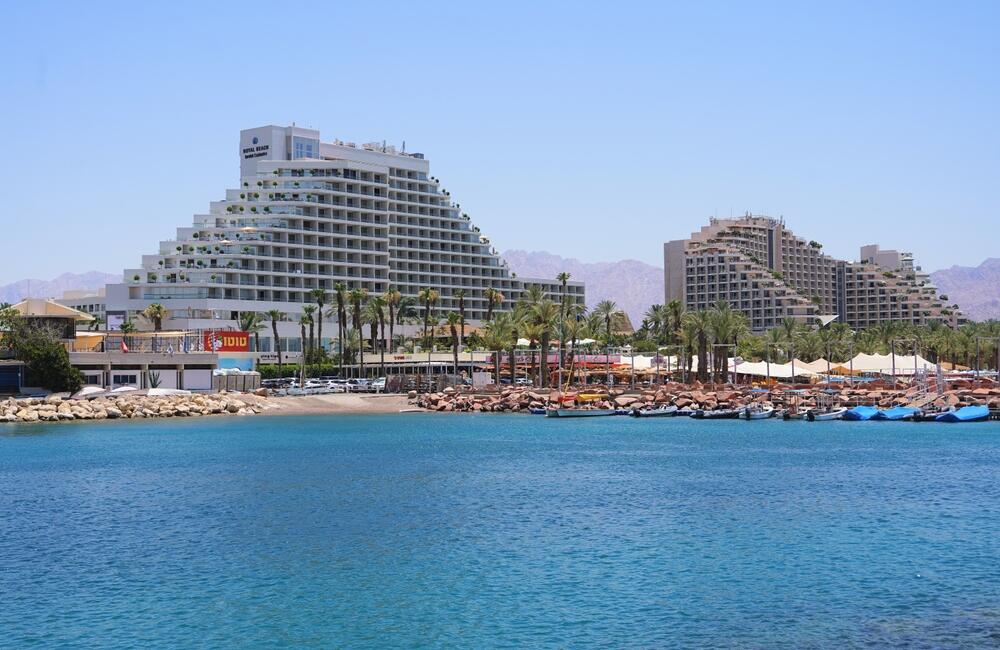
Eilat. Will hotel prices in Israel finally become more reasonable?
(Photo: Teo K/Shutterstock)
Inbound tourism still lagging:
While outbound tourism is rebounding strongly, inbound tourism to Israel remains weak. The country faces a long road to restoring its image among international travelers. That work should begin sooner rather than later, with targeted marketing campaigns, partnerships with influencers, incentives for local providers and more.
Given the long timelines of the global tourism industry, early action could bring visitors back in 2026. A revival that would benefit not just the tens of thousands of workers in the sector, but the country as a whole.