

When he landed in Dhaka carrying a foreign passport and a sensitive United Nations assignment, David (alias), an Israeli with dual citizenship, knew one thing for certain. His Israeli identity would remain private.
The official mission involved training polling station staff and overseeing election integrity ahead of Bangladesh’s volatile February elections. The reality was an intense human journey through a fascinating Muslim country that does not exist on the Israeli tourist map.
Bangladesh - entry is prohibited for Israelis
(Video: David (alias))


In recent years, Bangladesh has experienced a series of politically motivated violent incidents, including isolated terrorist attacks, clashes between security forces and protesters, and civilian killings during demonstrations. These events have deepened a sense of instability and damaged both public trust and the country’s international image.
“I arrived in Bangladesh in November, ahead of the February 2026 elections to prepare polling stations and local teams to oversee election integrity on behalf of the UN Refugee Agency (UNHCR),” David told ynet. “Israelis are not allowed to enter Bangladesh, but I hold a foreign passport. International organizations have known me for years, and I do not turn down opportunities that I am capable of handling.
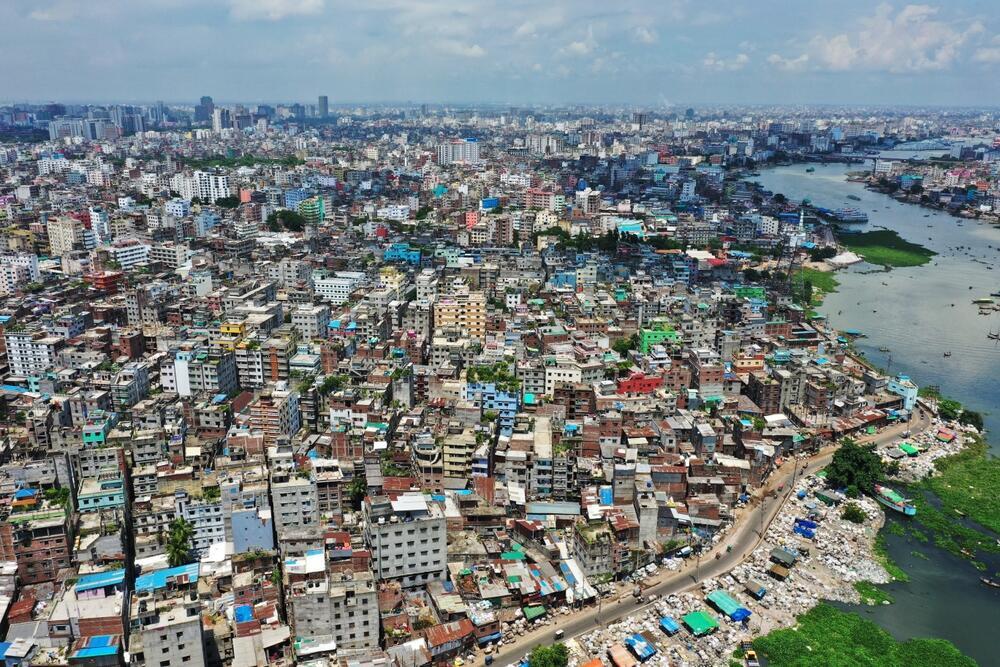
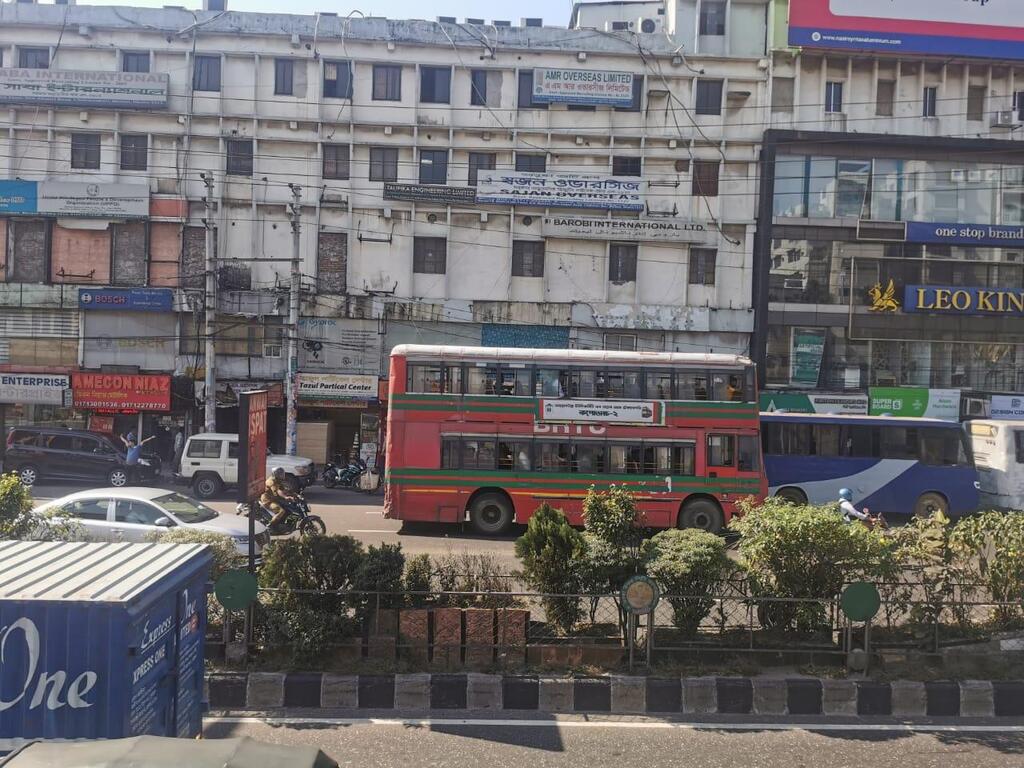
Dhaka, an especially rough-edged city
“In principle, the UN is not directly involved in elections. But Bangladesh hosts a massive refugee population, and they demanded to be part of the monitoring teams to ensure refugee identities were not stolen and that those eligible to vote were not denied that right."
David was responsible for 120 polling stations in the heart of Dhaka. “My job was to prepare local teams for all kinds of scenarios, from attempted fraud to transparency and preventing forgery. I worked only with local staff, which meant a lot of people, a lot of responsibility and very direct exposure to local reality."
Despite the demanding work, David managed to explore a country Israelis rarely visit. “Once the training was done, between workshops and weekends, I traveled extensively across Bangladesh."
Comparisons to India are inevitable, but David stresses the differences. “It is similar to India, but also very different. It's cleaner and safer than India, far more welcoming to tourists and less chaotic. The cultural region is similar, the music is similar and the food is almost the same, but the overall feeling is completely different."
Dhaka itself left a strong impression. “It is a city that combines very harsh Third World conditions with indulgent modernity. On the one hand, people are living under bridges. On the other, one may find excellent restaurants and high-end shopping malls. We were told it was unsafe for tourists, but I felt safe, and people were always eager to help. It is a fascinating city, from the human landscape to museums and historical monuments."
How is the food?
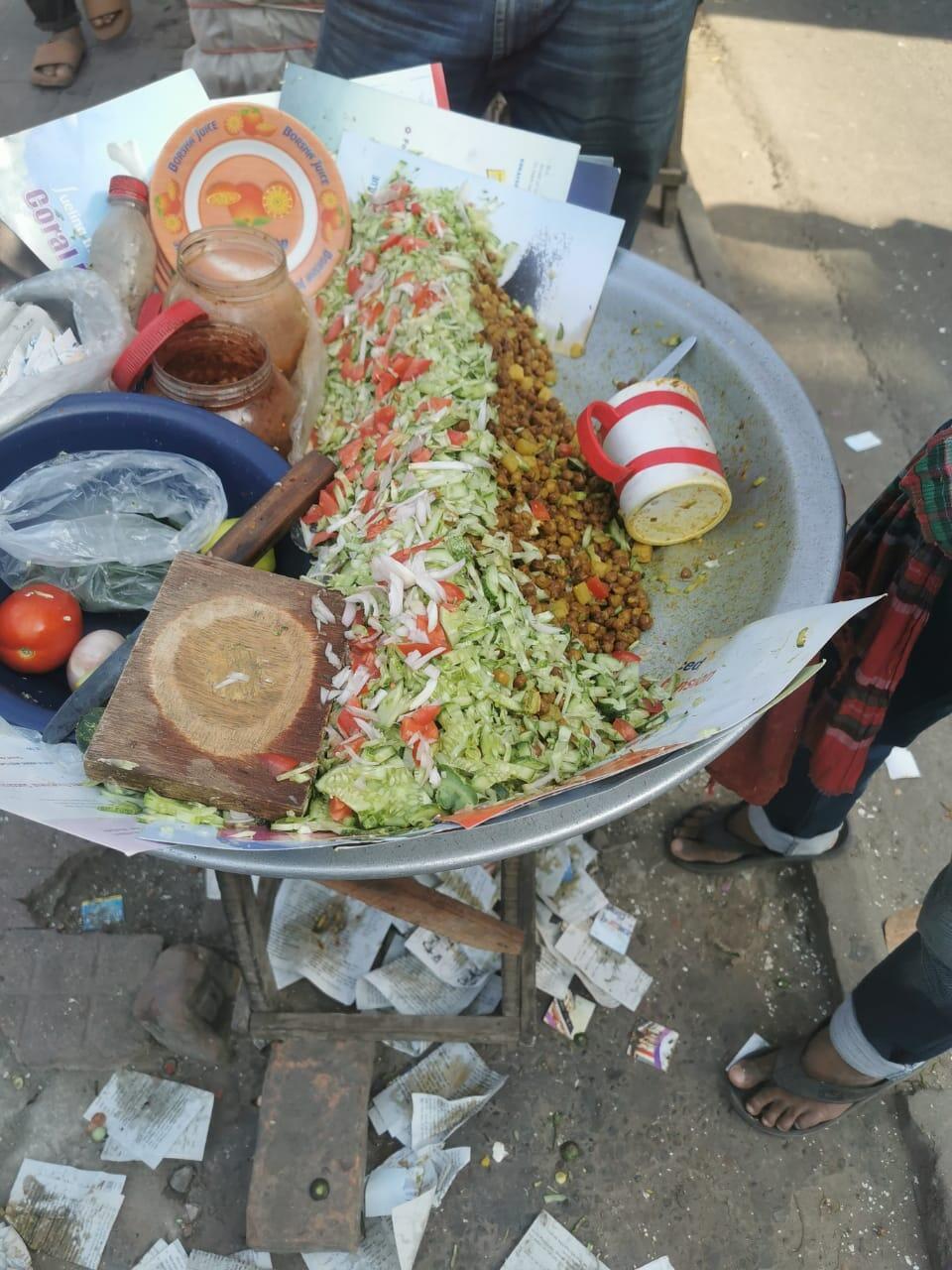
“The food is very spicy. I constantly had to say, ‘Not spicy.’ What Indians call pani puri is called fuchka here. Breakfast includes chapati and omelets, simple street food. A local version of India."
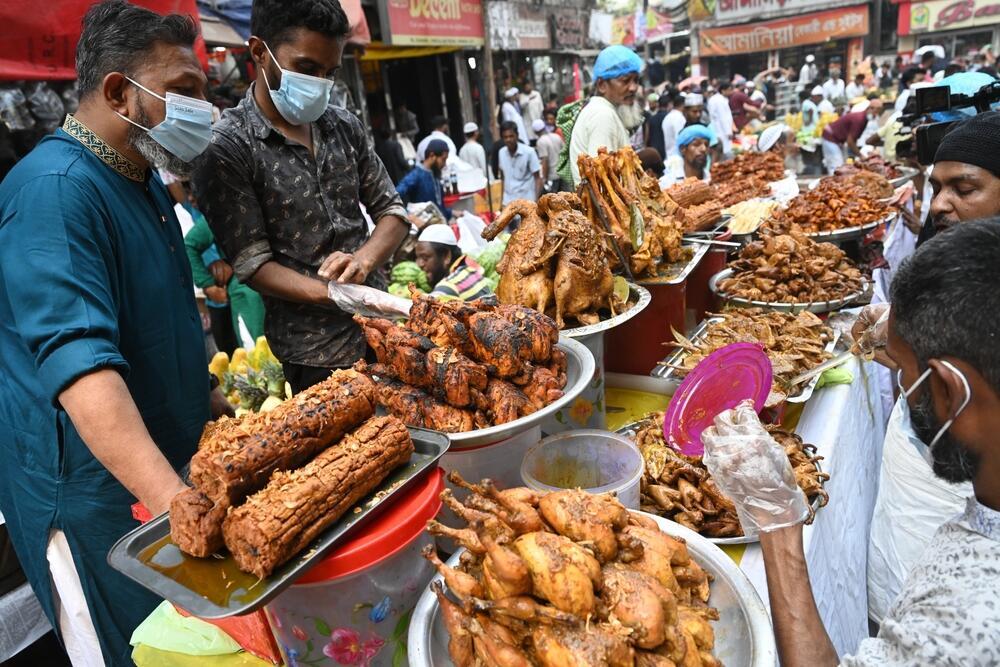
Street food in Dhaka
(Photo: Cyrille Redor / Shutterstock)
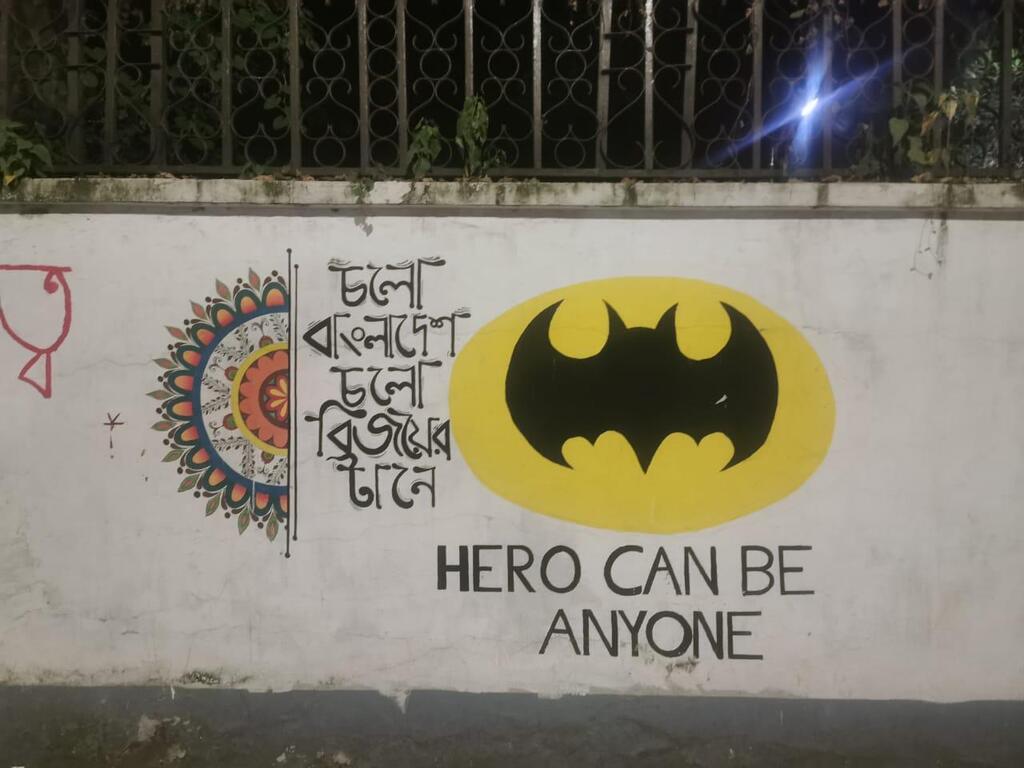
One of the most striking sights in Dhaka is the graffiti, street art blending protest and politics across the city’s walls. “The city is heavily decorated, especially since last year’s protests, both against and in support of the government. There is also a lot of graffiti related to Gaza. It is present in the streets and in the art. It is part of the public discourse."
Did you fear being exposed as Israeli?
“I did not say I was Israeli. Close friends knew, and they didn't care,” he said. “There is no personal hatred; there is demonization, but not violence. If you say you are Israeli, you could face bureaucratic problems or even deportation, but this is not Afghanistan. No one is going to lynch you in the street."
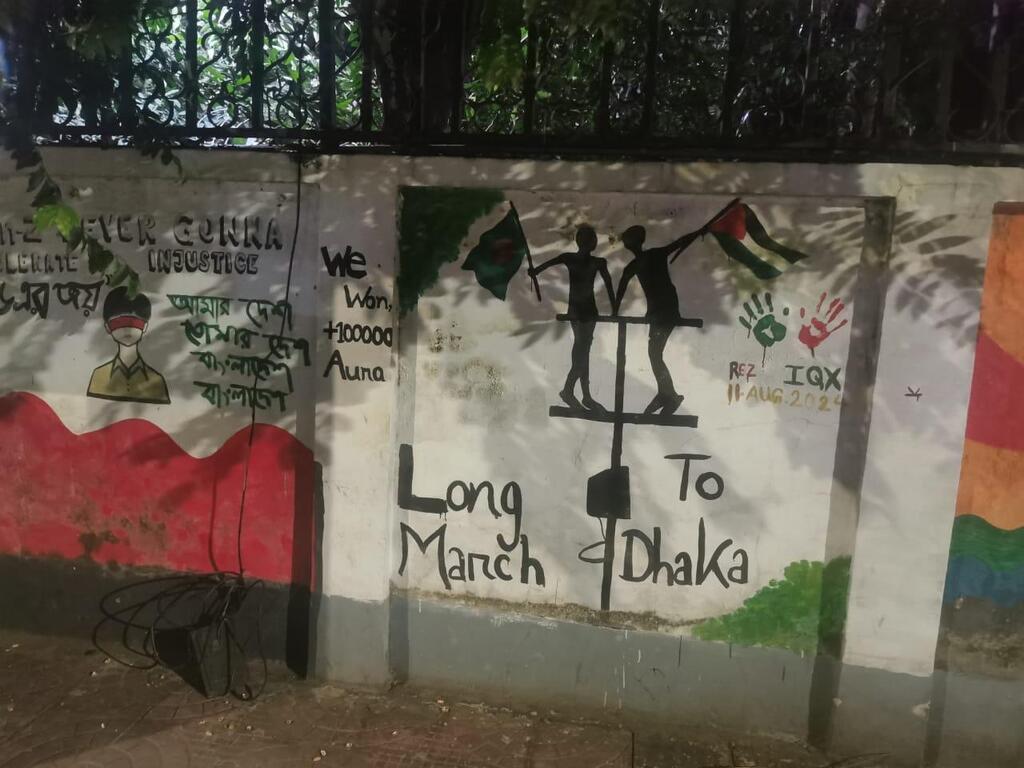
Pro-Palestinian grafitti
From the capital, the journey moved outward, not by car or plane but via a long overnight river cruise on the iconic Ganges River. “I took a riverboat to the Bay of Bengal. It is not a tourist cruise in the usual sense, but slow, crowded local transport divided into clear classes. The lowest class costs less than $2 and is located on the lower deck. People sleep on mats, with shared toilets and showers and mosquito nets,” David said, noting he avoided it.
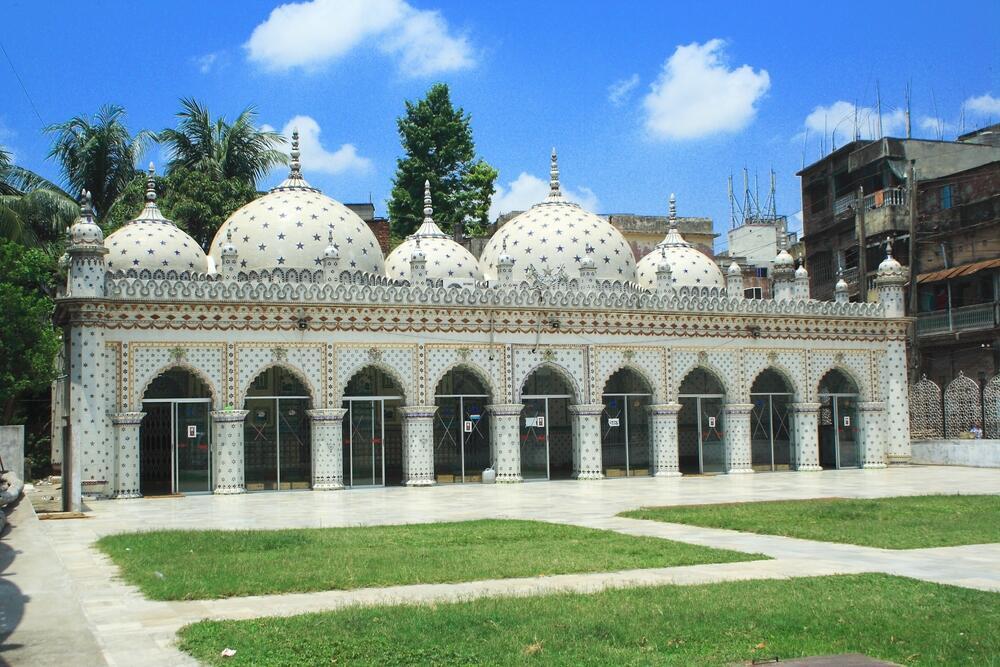
The historic Star Mosque in Dhaka’s Old City
(Photo: MRH78 / Shutterstock)
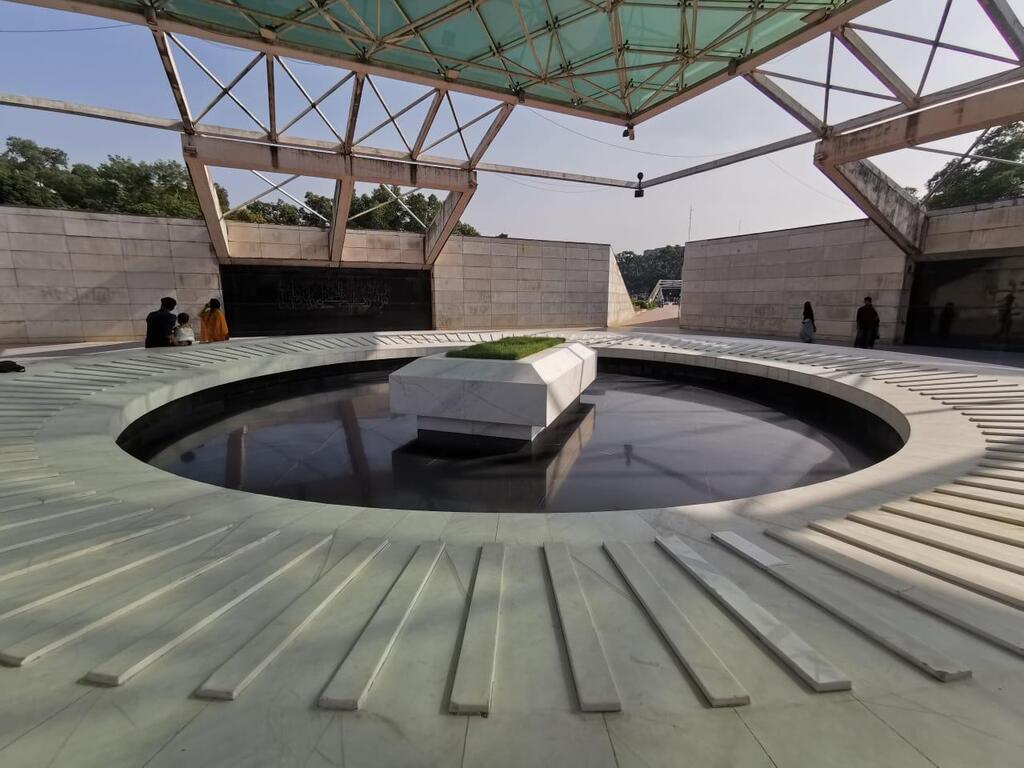
The mausoleum of President Ziaur Rahman in Dhaka
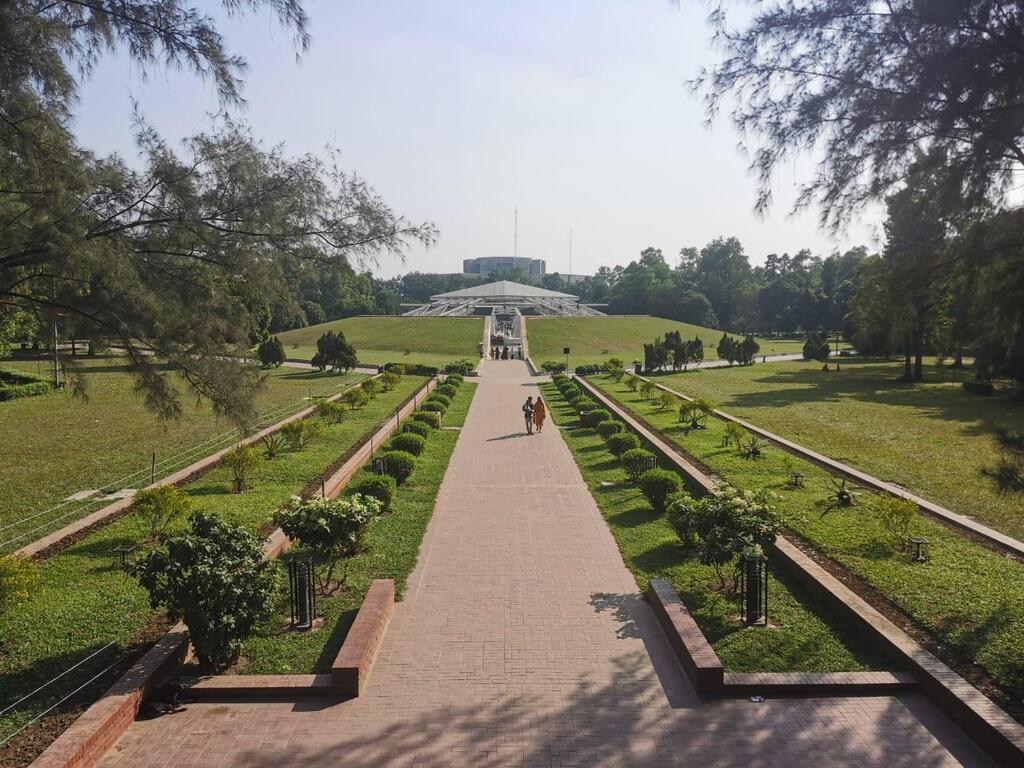
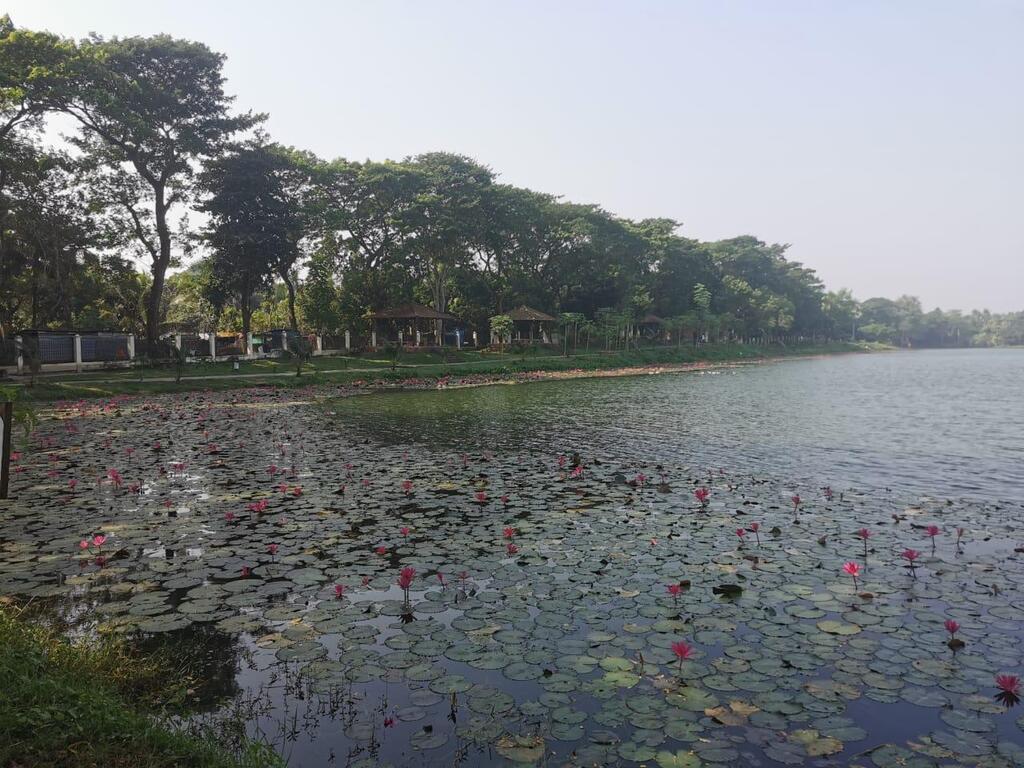
A park in Dhaka
He opted for standard tourist class with air-conditioned cabins. “You can also choose non-air-conditioned cabins with a window, but it is night, dark and there is no view. I wanted air conditioning and no mosquitoes that can carry dengue fever. For $8 you get a TV, refrigerator, quality bedding and a wardrobe. It is really comfortable."
Above that is first class. “There is even an attendant responsible for a shared lounge. These cabins have private bathrooms. A suite with dinner included, a living room and a free minibar costs $48."
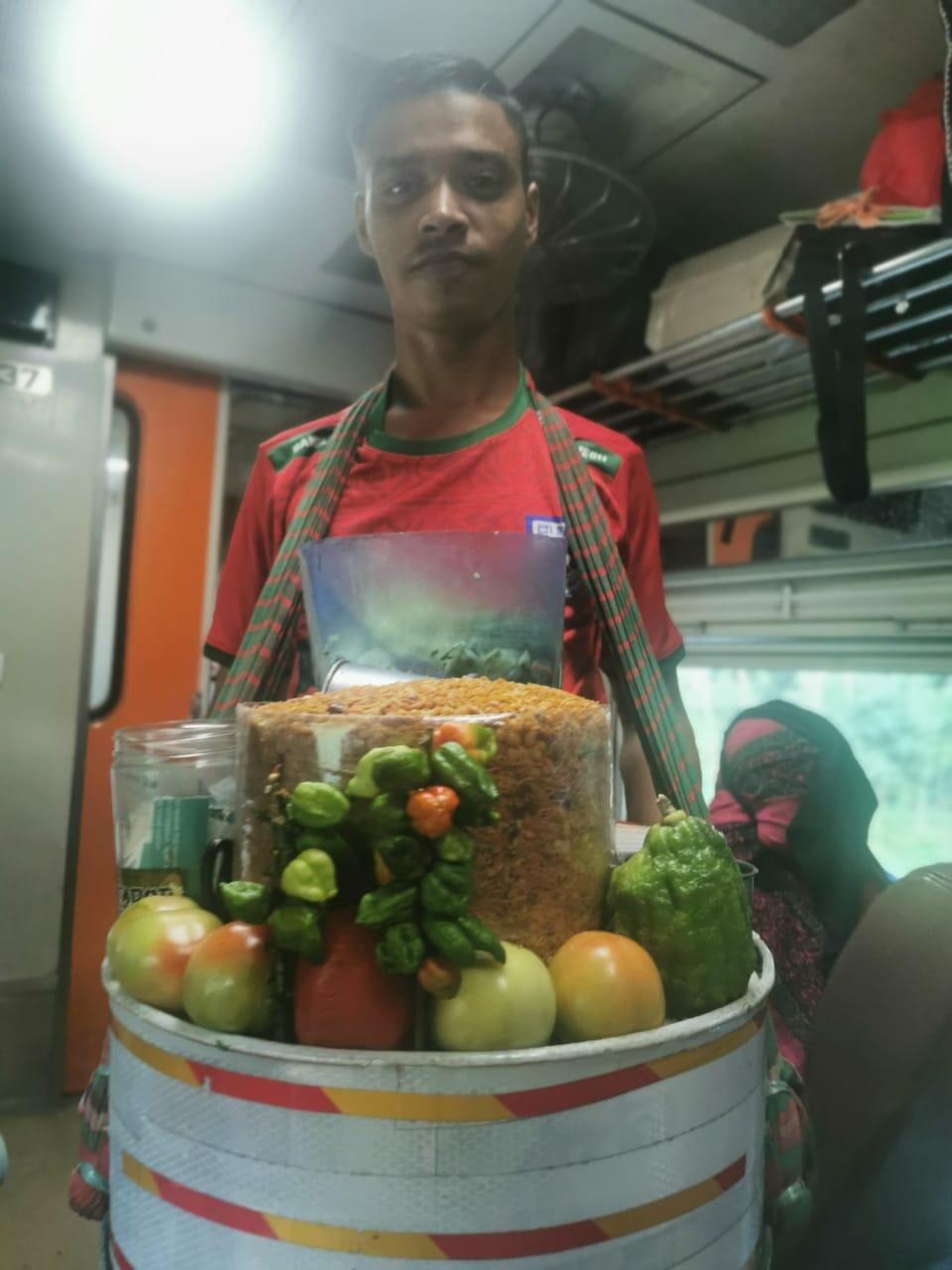
Selling food on the train
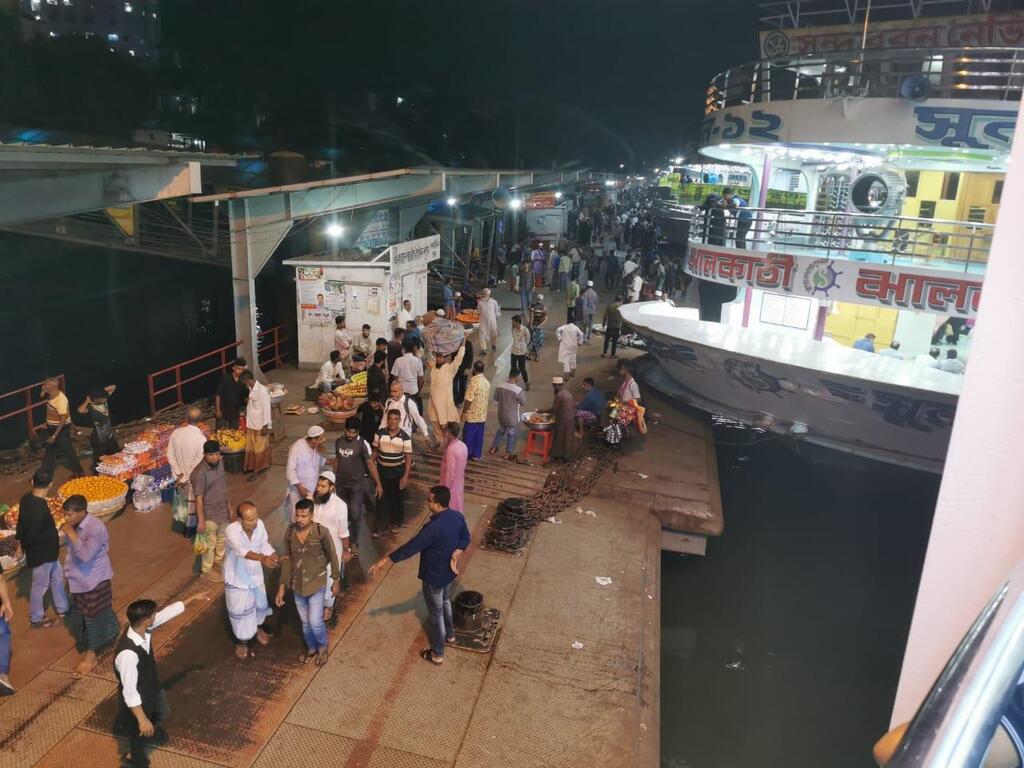
Boarding a boat
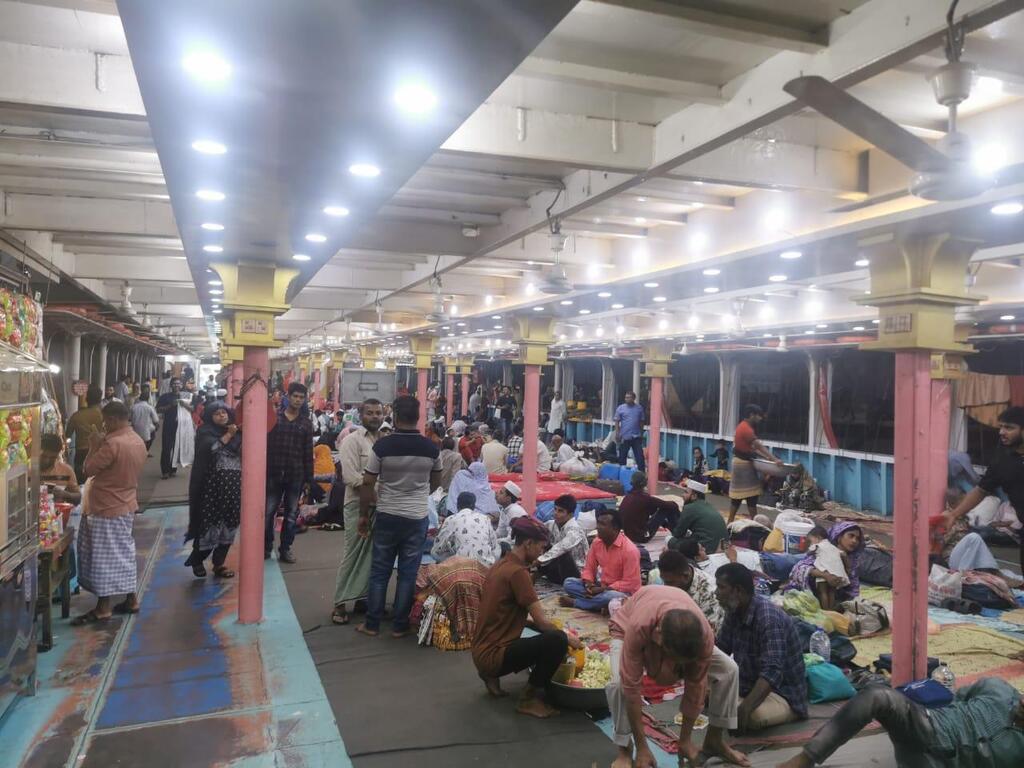
3rd class
The boat docked in Barishal, “an interesting city with Hindu culture, not just Muslim. There is silver, gold and gemstone jewelry,” he said. From there, he took a bus to the Bay of Bengal and the coastal town of Kuakata. “There are restaurants, varied and tasty seafood, decent hotels, small tourist markets and a few souvenir shops."
Still, he does not recommend it. “The sand is black and the beach is not clean. I did not go into the water. The trash on the beach ruined it for me. Sometimes people relieve themselves on the beach, and the city’s sewage flows into the sea,” he said. Nearby is a fish market. “If you do not like fish, the smell is overwhelming. Trash and stench everywhere."
There is one detail that might surprise Israeli travelers. “There are wild Bangladeshi trance parties in the coastal town of Cox’s Bazar,” David said. “People fly in from Dhaka in the morning, do not sleep, party all night and fly back the next morning."
Cox’s Bazar is near the border with Myanmar and is home to more than 1.5 million Rohingya refugees. “They work in restaurants and hotels. They are very kind, and I really liked interacting with them.” The city itself impressed him less. “It is not interesting and fairly dirty.”
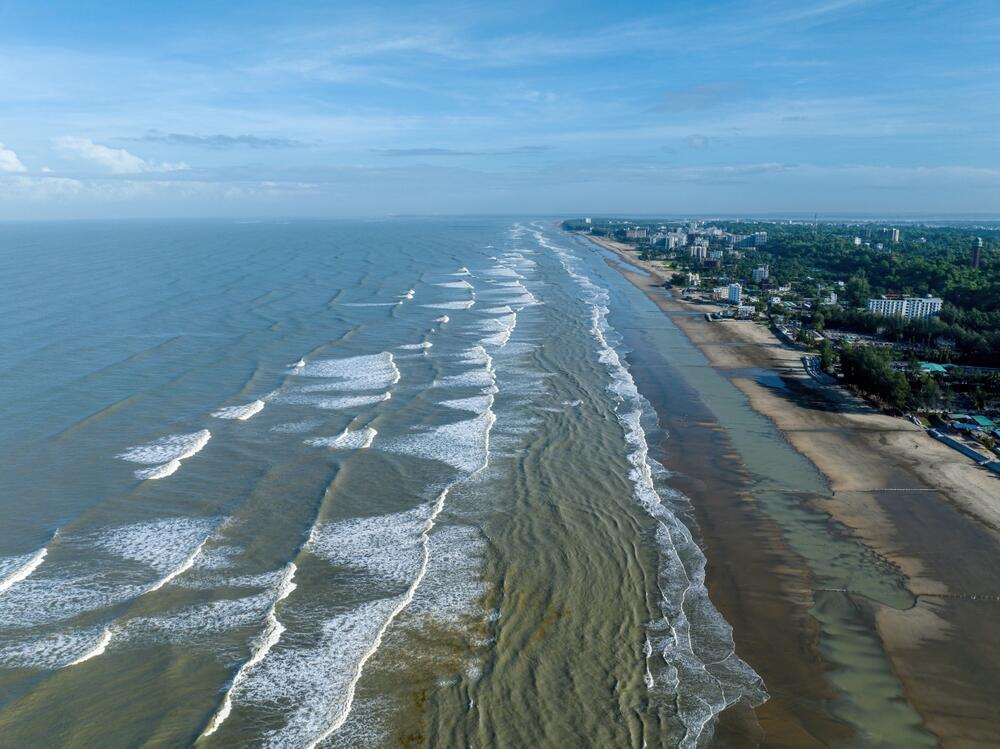
Cox’s Bazar
(Photo: ATM Monemul Haque / shutterstock)
Despite Bangladesh’s reputation, he encountered Western tourists there. “The country has a bad image because of Islam, extremist movements, political killings and the filth. Still, at the parties you see foreigners, very few dedicated tourists, and also Europeans, Americans and Australians who live in Bangladesh and want to let off steam."
Despite its proximity to liberal India, Bangladesh’s beach culture is different. “It is a completely Islamic beach experience. A Western woman can wear a swimsuit, but she is expected to cover her hips and shoulders with a large scarf. She goes into the water uncovered, comes out and covers up again."
David's encounter with Dhaka’s textile industry was unsettling. “You see children working. It is suffocating inside. They barely see daylight. It is not slavery; there are no chains or whips. They work with their families, and this is their livelihood. Most of the work is in small workshops and rooms, four to six square meters, with seven or eight people inside. There is no first aid kit, and if someone is injured, there is no way to treat them."
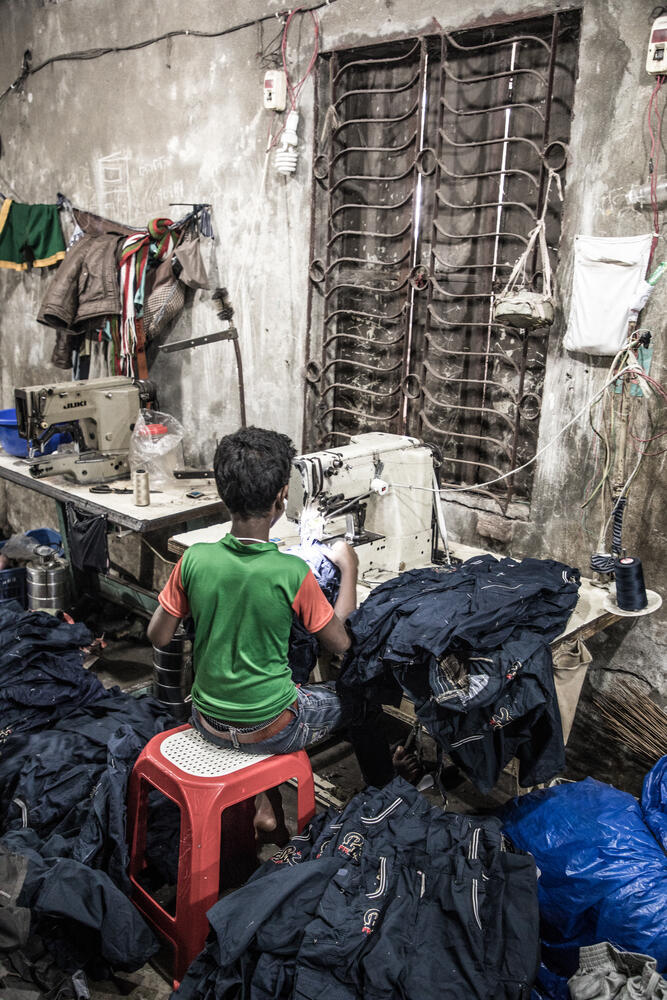
A boy working in textile
(Photo: StevenK / shutterstock)
From the beaches and major cities, the journey turned inland to Khulna and Jessore. “These are cities of monuments, museums and shopping. There is an air-conditioned express train, plantations and rice fields, and massive bridges over massive rivers. A country that seems to be sinking into water."
The trip continued north. “They jokingly call it the ‘Himalayas of Bangladesh.’ There are no mountains, just hills.” His favorite destination was Sylhet, also known as Jalalabad. “It is the tea region of Bangladesh. Plantations, streams and breathtaking scenery."
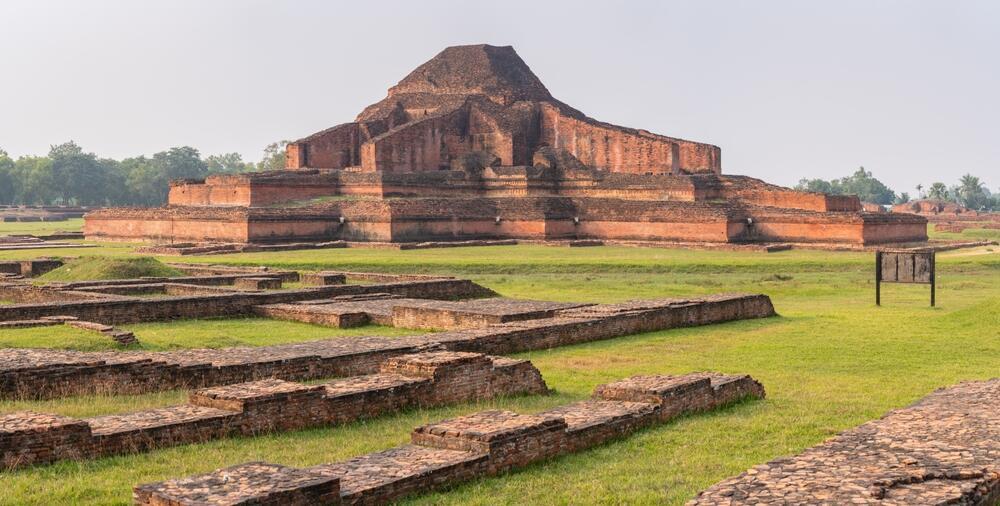
The ancient Somapura Mahavihara, also known as the Paharpur Buddhist Monastery, a UNESCO World Heritage Site
(Photo: Cyrille Redor / Shutterstock)
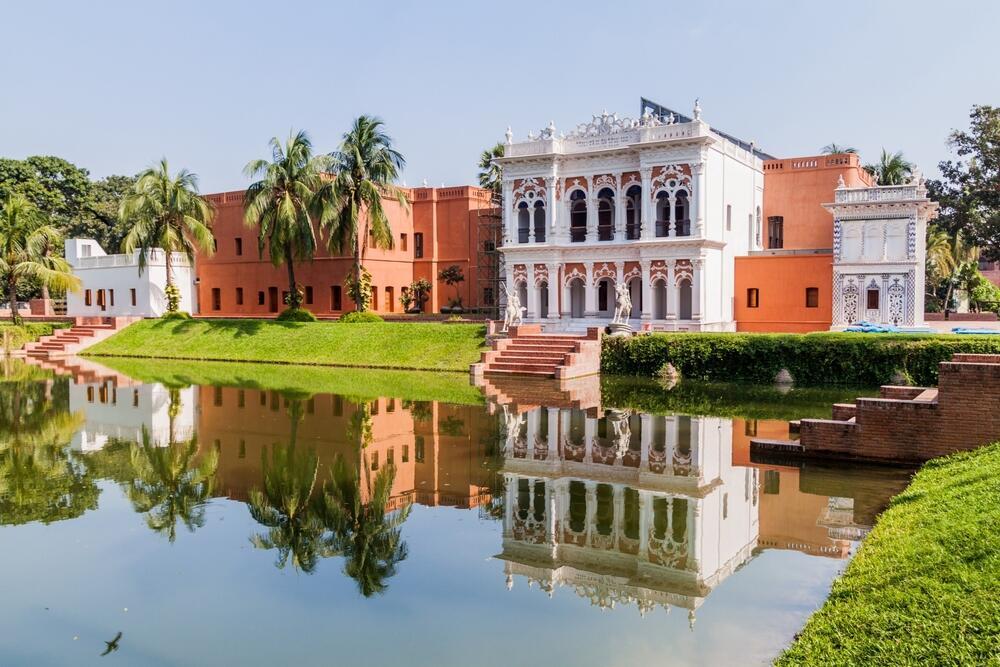
Sadarbari Rajbari (or Sardar Bari), a folk art museum in the city of Sonargaon, Bangladesh
(Photo: Matyas Rehak /Shutterstock)
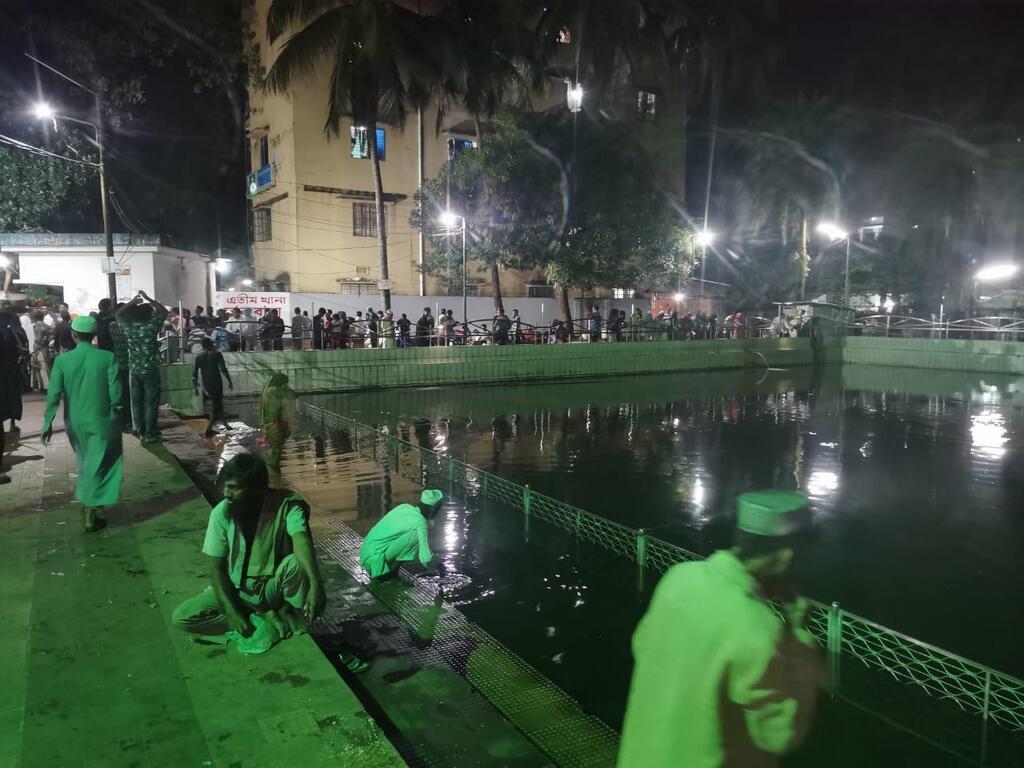
Sylhet
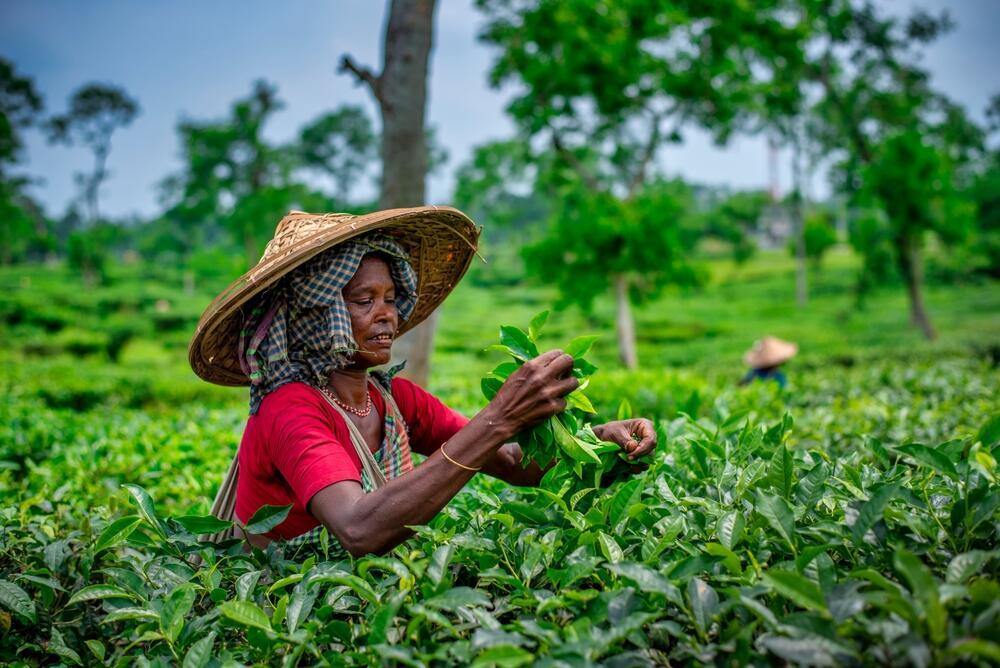
The Sylhet region, rural women picking tea leaves at a local tea plantation
(Photo: Matyas Rehak / Shutterstock)
Sylhet is also a major pilgrimage site to the burial place of a revered Sunni imam. The site is open 24 hours a day. Everything revolves around it, hotels, markets, restaurants and lakes. People immerse themselves to receive blessings.”
When asked who he would recommend a trip to Bangladesh to, David laughed. “Not for the pampered. It is not for families nor for honeymoons. Anyone put off by dirt, noise and pollution should skip it. But we wrong Bangladesh with its image. It is safe, cheap, tasty and the people are very welcoming. I encountered almost no scams. You bargain, and that is it."
Bangladesh does not try to attract tourists or beautify reality. Those who arrive without expectations discover a complex, humane country, unlike anything they imagined.