

In 2010, a volcanic eruption in Iceland brought large parts of European air travel to a standstill. Eight years later, the North Atlantic island was welcoming five times as many tourists. In Medellín, Colombia, a city once synonymous with Pablo Escobar's drug cartel, neighborhoods devastated by violence have become tourist attractions. And in Cuba, the transformation has gone in the opposite direction: The Caribbean island, which once attracted nearly 5 million tourists a year, is now facing a severe collapse in its tourism industry.
Sometimes such transformations are the result of political decisions. In other cases, they emerge from long-term processes, enormous investments and profound changes in a destination's image. Either way, the global tourism map is constantly shifting, and not always in the direction we might expect.
Gallery
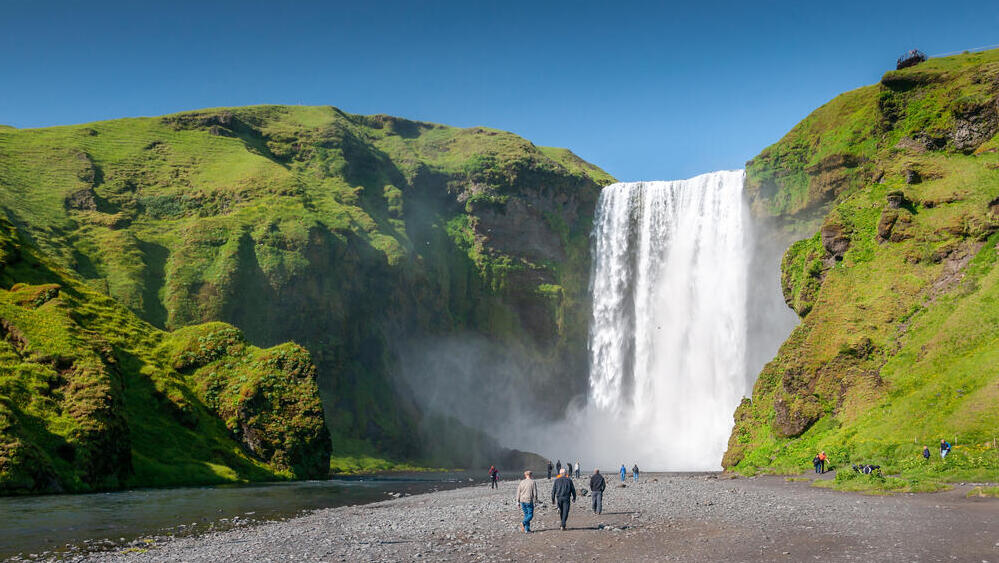
Skógafoss waterfall in Iceland; the island nation has become a magnet for hiking enthusiasts
(Photo: Shutterstock / inspi_ml)
Iceland: From volcanic eruption to tourism boom
At the beginning of the 21st century, Iceland was still a relatively niche destination. Travelers who made their way to the North Atlantic island came in search of glaciers, waterfalls, volcanoes and hot springs, but their numbers were relatively small compared with Europe's leading tourist destinations.
Then came two events that initially seemed like particularly bad news. In 2008, Iceland's banking system collapsed during the global financial crisis, and the local currency lost value. Two years later, the Eyjafjallajökull volcano erupted, sending a cloud of volcanic ash into the atmosphere and disrupting air travel across Europe.
Yet the years that followed brought one of the world's most remarkable tourism turnarounds. Iceland gained greater international exposure, the country launched its "Inspired by Iceland" campaign, air connections improved, and its dramatic landscapes, featured in productions including "Game of Thrones," reached new audiences.
It is difficult to identify a single factor behind the boom, but the results are clear. According to the Icelandic Tourist Board, the number of visitors recorded departing through Keflavík Airport rose from approximately 459,000 in 2010 to about 2.32 million in 2018, an almost fivefold increase.
The small island became a dream destination for travelers around the world. But success also brought pressure on infrastructure and natural attractions, raising questions about whether a country with such a small population could cope with an enormous influx of visitors.
Cuba: From Caribbean paradise to a country of emptying hotels
Vintage American cars, music filling the streets of Havana, cigars, rum and tropical beaches. For years, Cuba was a dream destination for travelers seeking the charm of a Caribbean island where time seemed to stand still. In the 1990s, following the collapse of the Soviet Union and the severe economic crisis that followed, Cuba invested in tourism as a vital source of foreign currency.
The strategy worked. Large resorts were built along the coast, airlines brought vacationers from Europe and Canada, and approximately 4.7 million tourists visited the country in 2018.
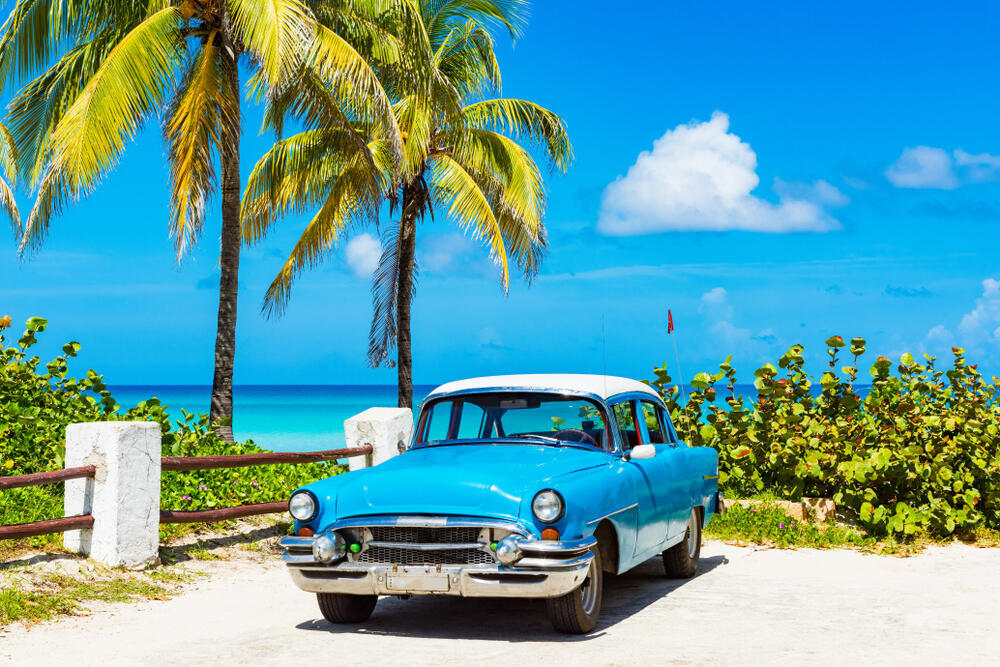
Classic American cars and turquoise beaches: tourists were drawn to Cuba's unique charm
(Photo: Shutterstock / possohh)
But the trend has since reversed. The COVID-19 pandemic dealt a severe blow to the industry, and the recovery was hampered by a prolonged economic crisis, fuel shortages, electricity supply problems, U.S. sanctions and difficulties operating tourism services. In 2025, just 1.81 million tourists arrived in Cuba.
The crisis deepened further in 2026. In July, Cuba's prime minister announced that 73% of the country's hotels had closed. During the first half of the year, international visitor numbers fell by approximately 58% compared with the same period in 2025.
The beaches are still there, as are Havana's picturesque streets. But behind the familiar scenery lies a harsh reality: A country that placed much of its economic hopes on tourism is now struggling to keep the industry alive.
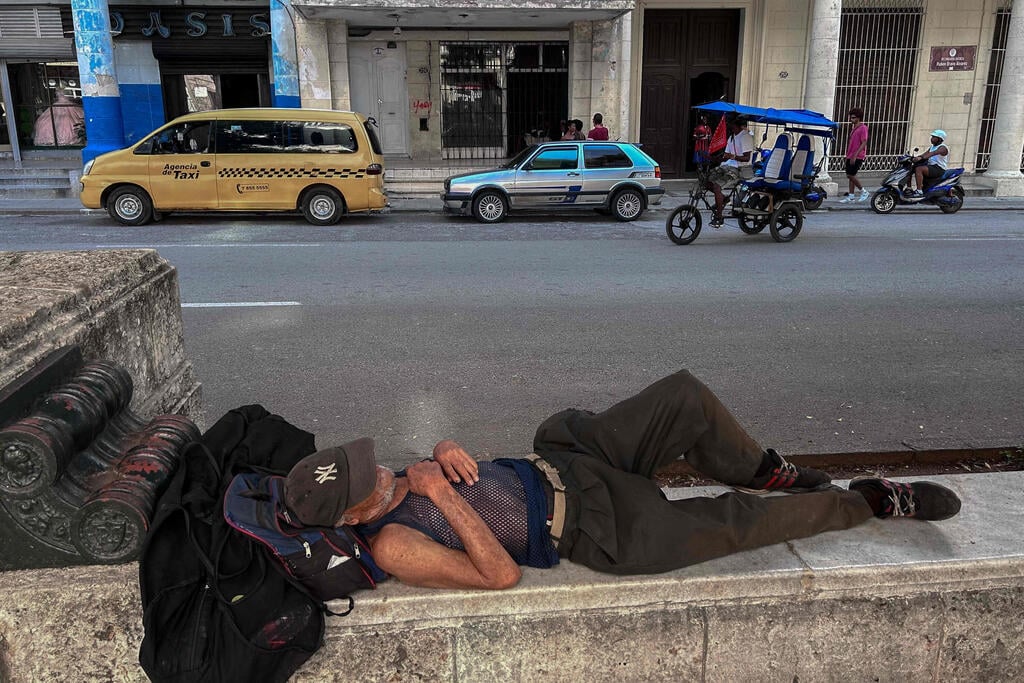
A man takes a nap on a street in Havana during a power outage in the capital
(Photo: YAMIL LAGE / AFP)
Medellín: From Pablo Escobar's city to a sought-after tourist destination
During the 1980s and early 1990s, Medellín, Colombia, was known around the world for Pablo Escobar's drug cartel. Extreme violence, bombings and assassinations made the city an international symbol of danger. For most tourists, visiting was simply out of the question.
Escobar's death in 1993 did not solve the city's problems overnight, but in the decades that followed, Medellín underwent a profound transformation. Investments in public transportation, community spaces and infrastructure, alongside economic and social changes, gradually helped reshape both the city and its reputation.

Medellín, Colombia
(Photo: Luisefe Videos / Shutterstock)

The Flower Festival in Medellín
(Photo: Shutterstock / Alexander Canas Arango)
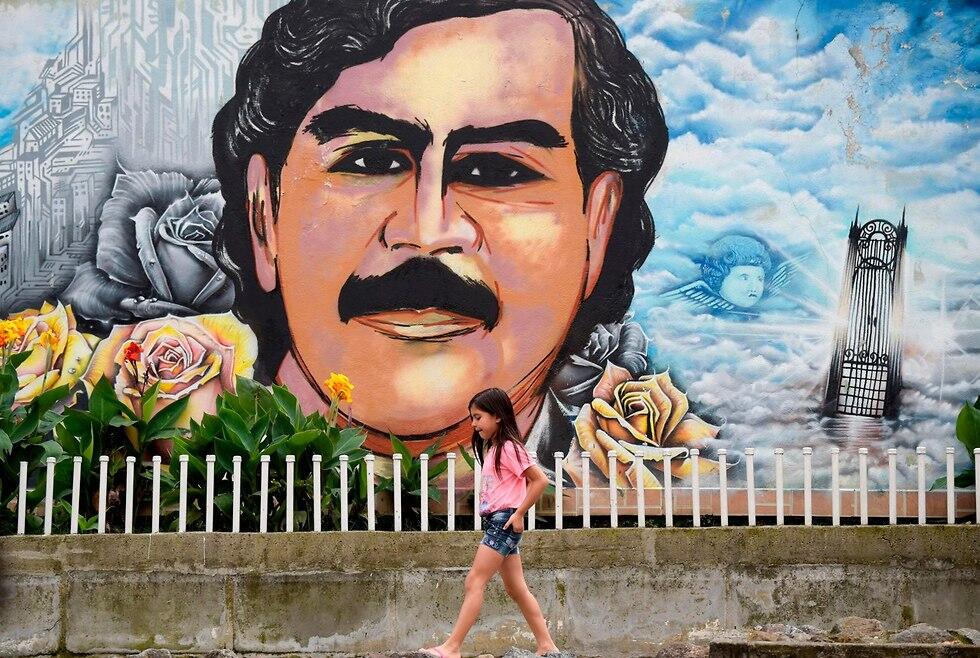
The drug lord's image will forever be associated with the city
(Photo: AFP)
Today, visitors come to explore Comuna 13, once a center of violence and now one of Medellín's best-known attractions, ride the city's cable cars, enjoy its nightlife and discover the mountainous scenery surrounding it.
According to the city's tourism department, approximately 1.2 million foreign visitors arrived in Medellín in 2025. The department estimates the economic impact of tourism activity at around $1.55 billion, a broad estimate that does not necessarily reflect direct tourist spending alone.
But here, too, it is important not to be swept away by a perfect success story. Medellín still faces problems involving crime and sexual exploitation, including the exploitation of minors, while growing tourism creates new challenges. The transformation is real, but it is far from the end of the story.
Myanmar: From Asia's great tourism promise back to isolation
At the beginning of the previous decade, Myanmar, also known as Burma, appeared poised to become one of Asia's most intriguing destinations. After decades of military rule and relative isolation, political and economic reforms began in 2011, and the country gradually opened to international tourism.
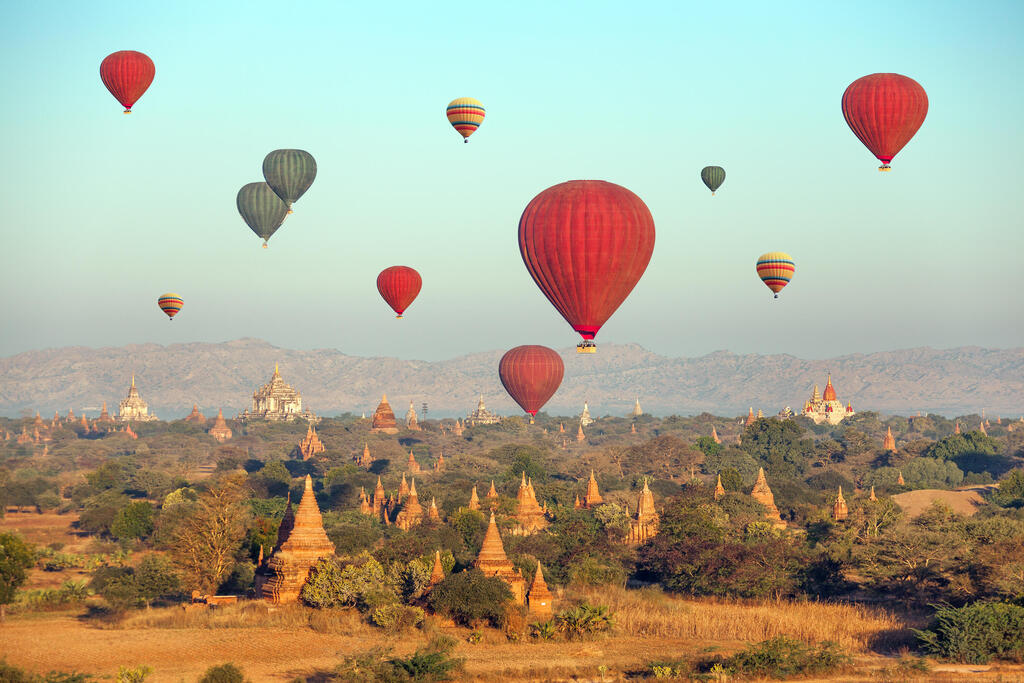
Hot-air balloons over Bagan
(Photo: Shutterstock)
The ancient temples of Bagan, Yangon's golden pagodas and Inle Lake attracted travelers eager to discover a destination that had not yet undergone large-scale tourism development. Hotels opened, investment flowed in and visitor numbers climbed rapidly. In 2015, arrivals reached a peak of approximately 4.7 million. In 2019, on the eve of the COVID-19 pandemic, Myanmar still welcomed about 4.36 million international visitors.
But the tourism dream was shattered. In February 2021, the military seized power again in a coup, plunging the country into armed conflict and a prolonged humanitarian crisis. The tourism industry, already weakened by the pandemic, suffered another severe blow.
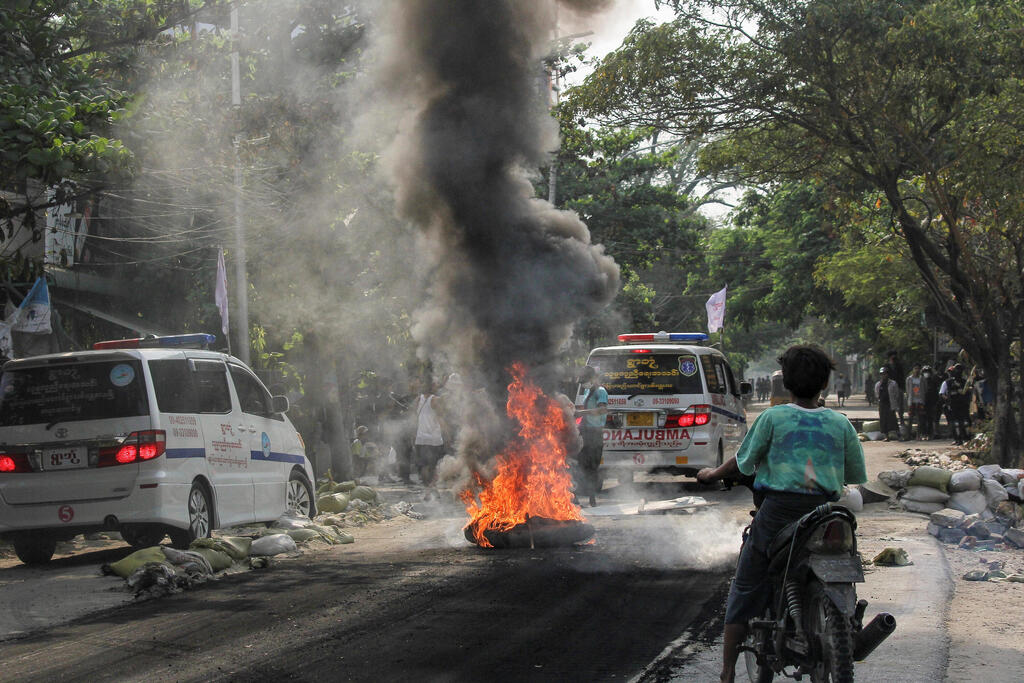
Fire in the streets of Myanmar following the coup
(Photo: Reuters)
In 2025, only about 973,000 international visitors arrived in Myanmar, less than a quarter of the 2019 figure. The United States advises its citizens not to travel to the country because of the conflict, the risk of detention and other security threats.
It is a particularly painful reversal. Within just a few years, Myanmar went from a destination that appeared to have a bright tourism future to a country where large areas are unsafe for travelers.
Albania: From Europe's most isolated country to a Balkan tourism hotspot
For decades, Albania was one of Europe's most closed and isolated countries. Under the communist rule of Enver Hoxha, who led the country from 1944 until his death in 1985, Albania gradually cut itself off even from its communist allies. Its citizens had almost no opportunity to travel abroad, while international tourism existed only on a limited scale and under strict supervision.
Anyone who had suggested at the time that millions of people would one day vacation on Albania's beaches would probably have been met with raised eyebrows.
The fall of the communist regime in the early 1990s opened the country to the world, but the tourism transformation did not happen immediately. It gained momentum mainly in recent decades, as travelers began discovering the beaches of the Albanian Riviera, the historic cities of Berat and Gjirokastër, the Albanian Alps and the capital, Tirana, which has itself undergone significant change.
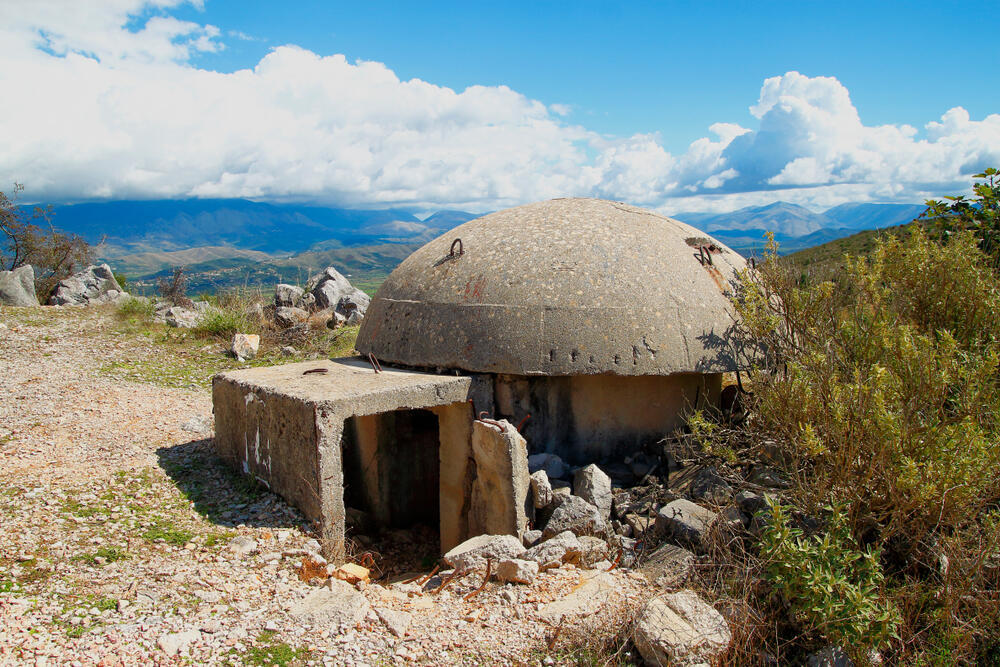
The dictator's legacy has become a tourist attraction: a communist-era bunker in southern Albania
(Photo: Kateryna Mashkevych / Shutterstock)

Hotels along the coast in the resort town of Golem
(Photo: saxanad / Shutterstock)
The numbers tell the story. In 2010, Albania's Tourism Ministry reported approximately 2.3 million visitors. In 2025, the country recorded about 12.47 million entries by foreign nationals. The figures were compiled using different definitions and therefore cannot be compared precisely, but they illustrate the enormous increase in travel to the country.
Relatively affordable prices compared with many Western European countries helped make Albania an attractive destination. Yet success has also come at a cost. A construction boom along the coast, overcrowding during the summer season and concerns about damage to the landscape now pose challenges that barely existed when almost nobody visited.
Dubai and Saudi Arabia: A transformation achieved and a dream still under construction
A few decades ago, Dubai was known primarily as a trading center and port on the Persian Gulf. Today, it is synonymous with towering skyscrapers, artificial islands, luxury hotels, shopping malls and tourist attractions built to draw visitors from around the world. The transformation was no accident. Investments in infrastructure, aviation and tourism turned the city into one of the world's leading international tourism hubs.
In 2025, Dubai welcomed 19.59 million international overnight visitors, setting a new record for the city.

Dubai: Luxury in the heart of the desert
(Photo: Shutterstock)
But even that success is not immune to upheaval. The regional war in 2026 dealt a severe blow to tourism in the Gulf and international aviation. During the first eight months of the year, approximately 6.97 million international tourists visited Dubai, compared with 12.54 million during the same period the previous year, a decline of about 44%. Signs of recovery have emerged in recent months, but the disruption illustrates how even an established tourist destination can be affected by events beyond its borders.
Its much larger neighbor, Saudi Arabia, has been attempting a transformation of its own for several years. For decades, the country was open primarily to Muslim pilgrims, business travelers and foreign workers. In September 2019, it began issuing electronic tourist visas to visitors from dozens of countries as part of Crown Prince Mohammed bin Salman's Vision 2030 initiative, which aims, among other things, to reduce the kingdom's dependence on oil.
The plans include luxury resorts along the Red Sea, entertainment facilities and amusement parks, as well as the massive Neom development project, with the futuristic city known as The Line at its center. Parts of the vision have already materialized: Resorts have opened along the Red Sea coast, and the Six Flags Qiddiya amusement park near Riyadh opened in late 2025.
The Six Flags amusement park in Saudi Arabia
(Video: Reuters)


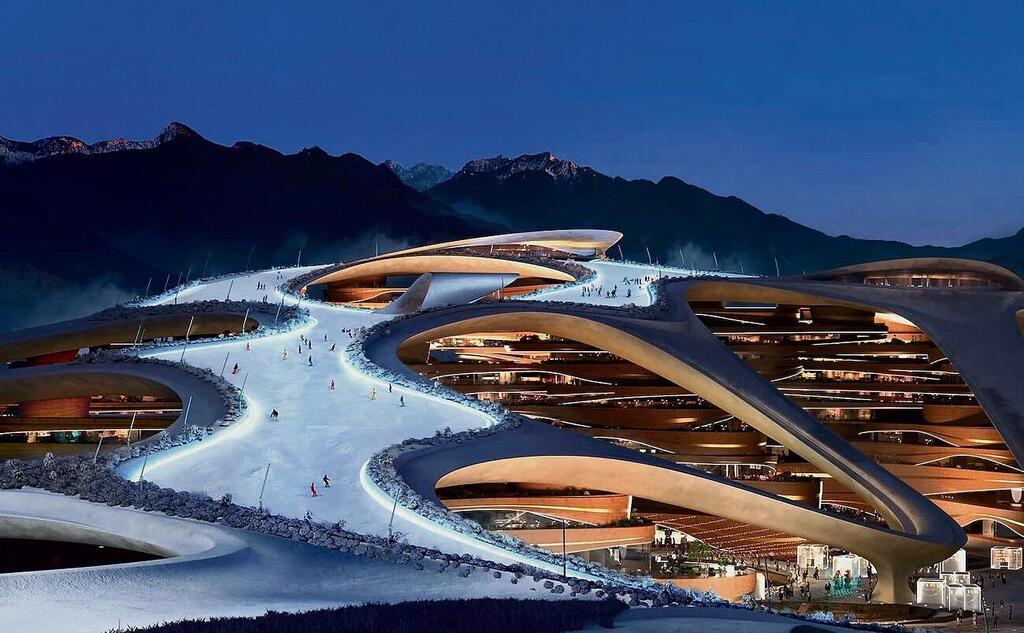
Rendering of the futuristic city of Neom, planned for Saudi Arabia's Red Sea coast
(Photo: Neom)
Tourism figures also point to change, although they must be interpreted carefully. In 2025, approximately 29.3 million international tourists arrived in Saudi Arabia, a decline of about 1.6% from the previous year. Nearly half came for religious purposes, while approximately 7 million visited for vacations and leisure.
At the same time, some of the kingdom's most ambitious plans are encountering difficulties. Enormous costs and budgetary pressures have forced a reassessment of priorities and delays to parts of the Neom project. In October 2026, Reuters reported, citing two sources familiar with the matter, that plans to build a stadium in Neom for the 2034 World Cup had been put on hold indefinitely.
The head of Saudi Arabia's sovereign wealth fund had previously maintained that Neom projects had not been canceled, but acknowledged that some had been delayed and priorities had shifted. The regional war and confrontation with the Houthis have added security and economic challenges to the plans, although delays to some projects began before those developments.
If Dubai is an example of a tourism transformation that has already taken place, Saudi Arabia remains in the middle of its own experiment, caught between destinations already welcoming visitors and an ambitious vision whose implementation has proved more difficult than expected.
El Salvador: From a gang-ravaged country to millions of visitors
For years, El Salvador was considered one of the most dangerous countries in the world. Gang warfare, murders and extortion made the small Central American nation a place many travelers preferred to avoid.
Since President Nayib Bukele took office in 2019, and particularly following the introduction of a state of emergency in 2022, the government has carried out a sweeping crackdown on gangs. Homicide rates have fallen sharply, and perceptions of safety have changed in many areas. At the same time, the government has invested in promoting tourism, including through the Surf City initiative, designed to develop and market the country's surfing beaches.

The spectacular scenery was always there
(Photo: Sandor Mejias B / Shutterstock)

Women surfing at El Zonte Beach, El Salvador
(Photo: Elena Berd / Shutterstock)
The change is also evident in tourism figures. In 2025, El Salvador recorded approximately 4.12 million international visitors, more than before the COVID-19 pandemic. However, that figure includes day-trippers and does not represent 4.12 million vacationers.
According to data from the Central American Tourism Integration Secretariat (SITCA), about 46% of tourists arriving in the country came to visit family and friends, while approximately 30% traveled for vacations and leisure. The entire increase therefore cannot be attributed to the success of the surfing initiative.
In April 2025, the United States also lowered its travel advisory for El Salvador to its lowest level.
Yet this transformation has a darker side. Mass arrest operations have led to the imprisonment of tens of thousands of people, while human rights organizations warn of arbitrary detentions, rights violations and damage to the rule of law. El Salvador is now considerably safer in certain respects than it was in the past, but the question of the price paid for that change remains a subject of controversy.
Turkey: The all-inclusive paradise that became off-limits to Israelis
It may be difficult to believe today, but for years Turkey was one of the most natural choices for an Israeli vacation. Antalya became almost synonymous with all-inclusive hotels, and hundreds of thousands of Israelis traveled there each year to stay at the Turkish Riviera's enormous resorts, explore Istanbul or visit Cappadocia.
The tourism relationship was not immune to diplomatic crises. Following the deterioration in relations in 2009 and 2010, the number of Israelis visiting Turkey plunged from approximately 558,000 in 2008 to just 79,000 in 2011. But tourism subsequently recovered, and in 2022 Turkey recorded approximately 824,000 visits by Israeli tourists, according to figures published by the Bank of Israel based on data from Turkey's statistical agency.
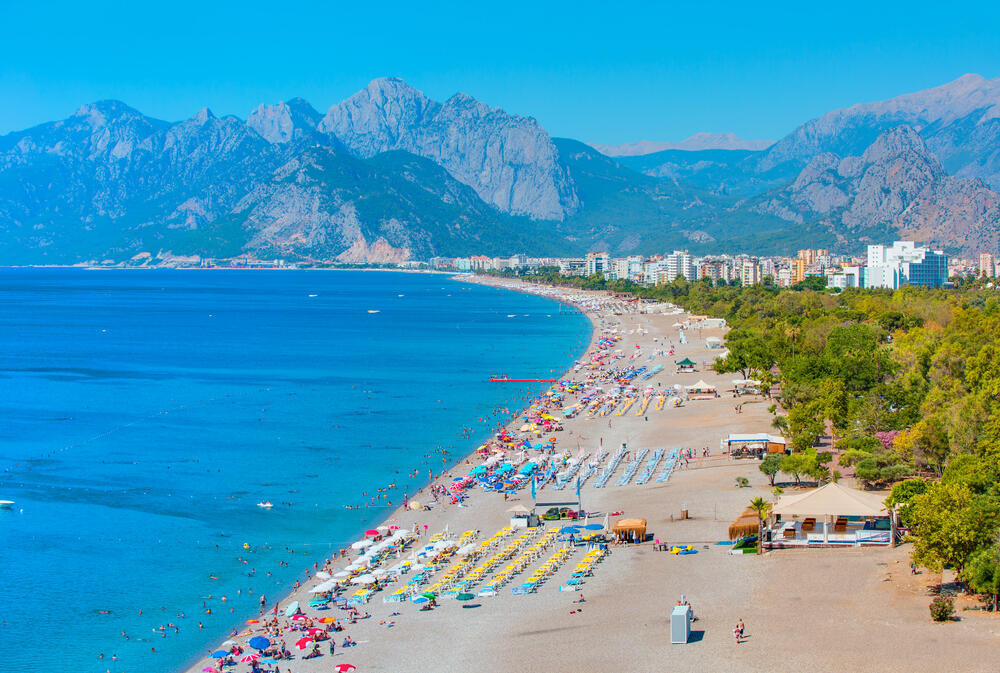
The coastline of Antalya
(Photo: Shutterstock)
The latest reversal came after October 7. Ten days after the deadly terrorist attack, Israel's National Security Council raised its travel warning for Turkey to Level 4 because of terrorist threats against Israelis. According to information published on the council's website, the highest-level warning remains in effect, with Israelis advised not to travel to the country.
Direct flights from Israel were suspended, and in May 2025 it was reported that Turkish Airlines and Pegasus had relinquished their takeoff and landing slots at Ben Gurion Airport.
But there is another twist to the story. What looks, from an Israeli perspective, like the collapse of a beloved tourist destination does not reflect Turkey's position in the global tourism market. In 2025, approximately 52.8 million foreign tourists visited the country.
Overall, Turkey recorded about 63.9 million visitors, including Turkish citizens living abroad, while tourism revenue reached approximately $65.2 billion. Turkey remains a tourism powerhouse, even if, for Israelis, it has gone from an almost automatic vacation choice to a destination they are advised to avoid.
Central and Eastern Europe: When the Iron Curtain fell and the tourists arrived
One of the greatest transformations in the history of modern tourism did not take place in a single country, but across an entire region of a continent. For decades, the Iron Curtain separated communist Eastern Europe from the West. Tourist travel between the two halves of the continent was more restricted and complicated, and cities such as Prague, Budapest and Krakow did not enjoy the mass international tourism familiar today.
The fall of the Berlin Wall in 1989, the collapse of communist regimes and the dissolution of the Soviet Union in 1991 changed that reality. Borders gradually opened, economies transformed and investment in tourism and hospitality increased. In 2004, Poland, Hungary and the Czech Republic joined the European Union, further strengthening their integration with the West.
The results are clearly visible in the streets of these historic cities. Prague, with its Charles Bridge, Prague Castle and Old Town, has become one of Europe's most sought-after city-break destinations. In 2025, approximately 8.27 million visitors stayed in the city.
Budapest, known for its thermal baths, Parliament building and bridges spanning the Danube, recorded approximately 7.69 million guest arrivals at accommodation establishments that same year, according to Hungary's Central Statistical Office. About 6.62 million of those arrivals were foreign visitors.
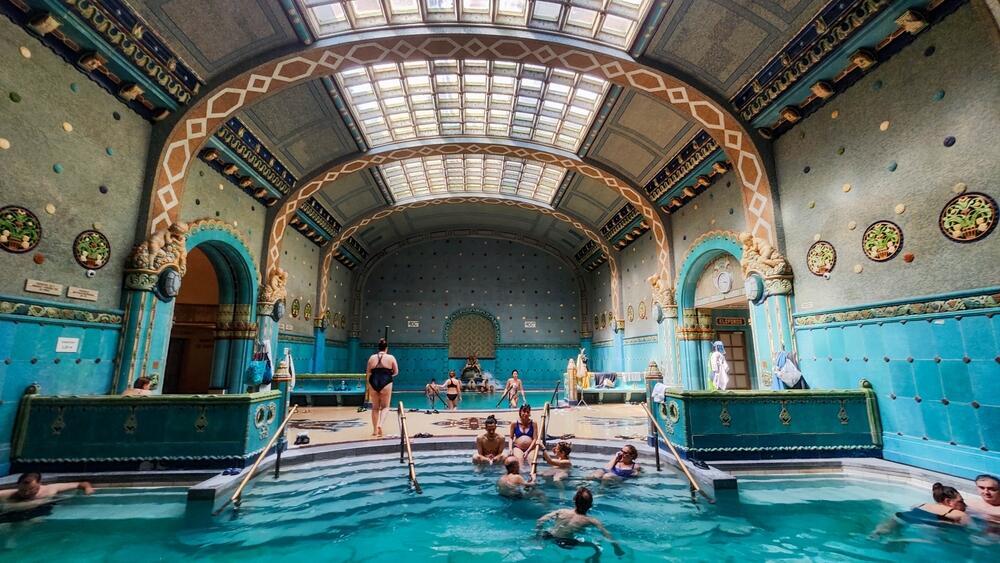
The thermal pool at the Gellért Baths in Budapest
(Photo: Stefano Ember / Shutterstock)
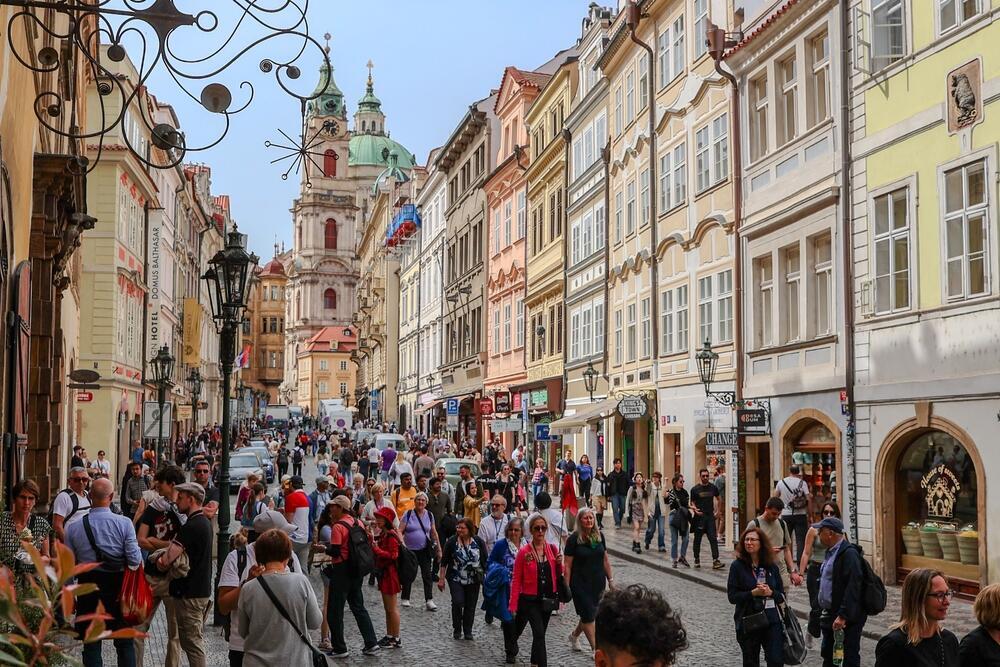
Prague: a popular tourist destination
(Photo: MagioreStock / Shutterstock)
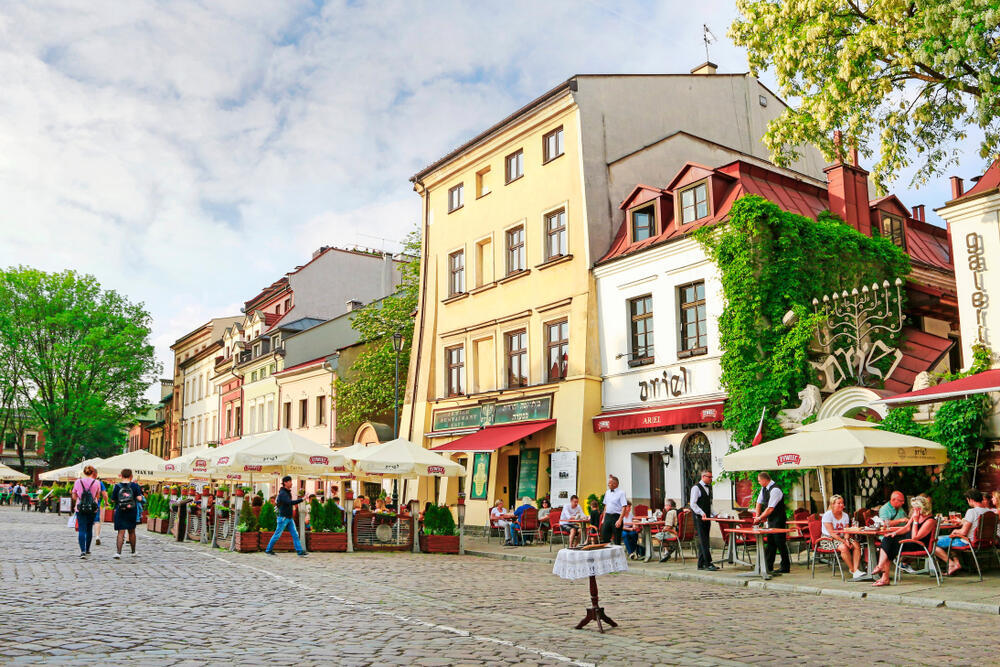
Krakow, Poland
(Photo: Shutterstock)
Krakow, Poland, is also enjoying an impressive tourism boom. In 2025, the city welcomed approximately 2.55 million foreign visitors, including around 1.69 million tourists who stayed in the city and 860,000 day visitors. Including visitors from within Poland, the overall total reached approximately 16.25 million, according to municipal figures.
That distinction matters: Most visitors to Krakow are Polish, meaning the overall figure does not, by itself, indicate the scale of international tourism.
These cities were not reborn in 1989. Their palaces, squares, ancient streets and cafés had existed long before. What changed was the world around them, and the ability of millions of travelers to reach them and discover what they had to offer.